Regarding more metaphysical questions, such as whether OBEs during NDEs show that consciousness could survive physical death, the psychologist Susan Blackmore writes:
I believe it is too early to say whether near-death experiencers can actually see things paranormally. There is certainly evidence in that direction, but it is not clear-cut, and we shall have to await the results of future work to find out whether or not it stands the test of time. However, it may be useful at this stage to consider what sort of evidence would be convincing. First, there could be better evidence for paranormal perception during NDEs; if that is obtained, then I would be forced to reconsider my position. But it would still be a long step to concluding that OBEs provide evidence for survival. We would still have to deal with the thorny question of ruling out ESP as an alternative explanation, even to conclude that something leaves the body. And even that is only the first step.
The second is to ask whether that “something” could survive death or operate without a physical body. One way of approaching the problem is to ask whether NDEs can occur when brain activity has ceased. If a complex structured experience occurs, involves the paranormal acquisition of information, and could be shown to occur at a time when there was little or no brain activity, then that would strongly challenge any purely cognitive or psychological account of the experience. The ability to collect that kind of evidence is in sight, and it would be important if found. However, I must add that even that still would not get around the problem that anyone who can tell us about his or her NDE was not actually dead at the time. Awkward problems like that beset the search for survival evidence at every turn.
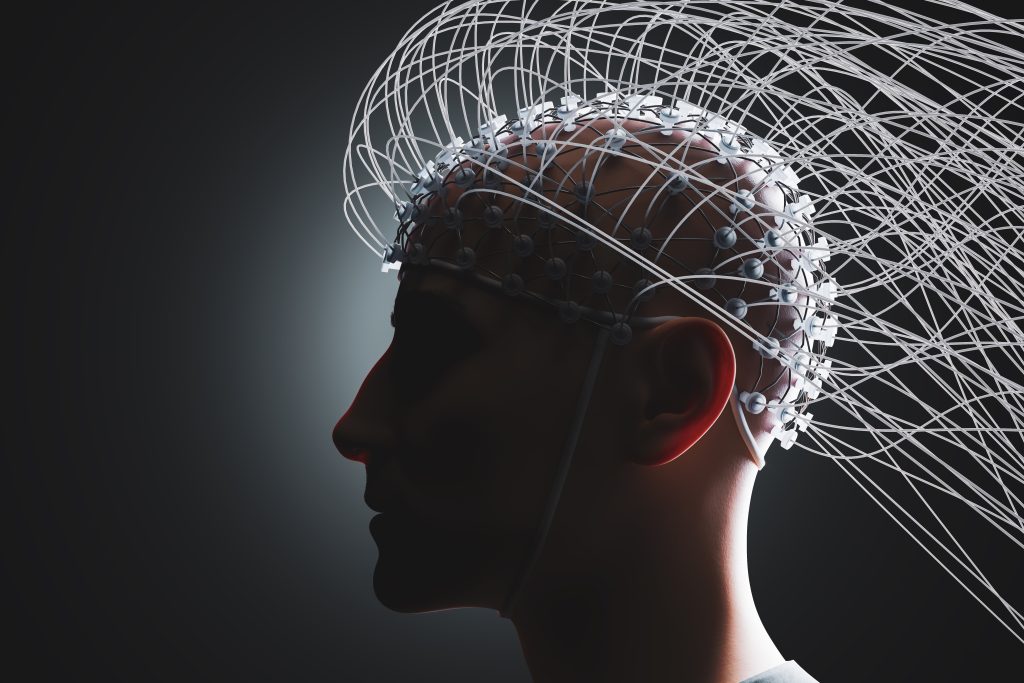
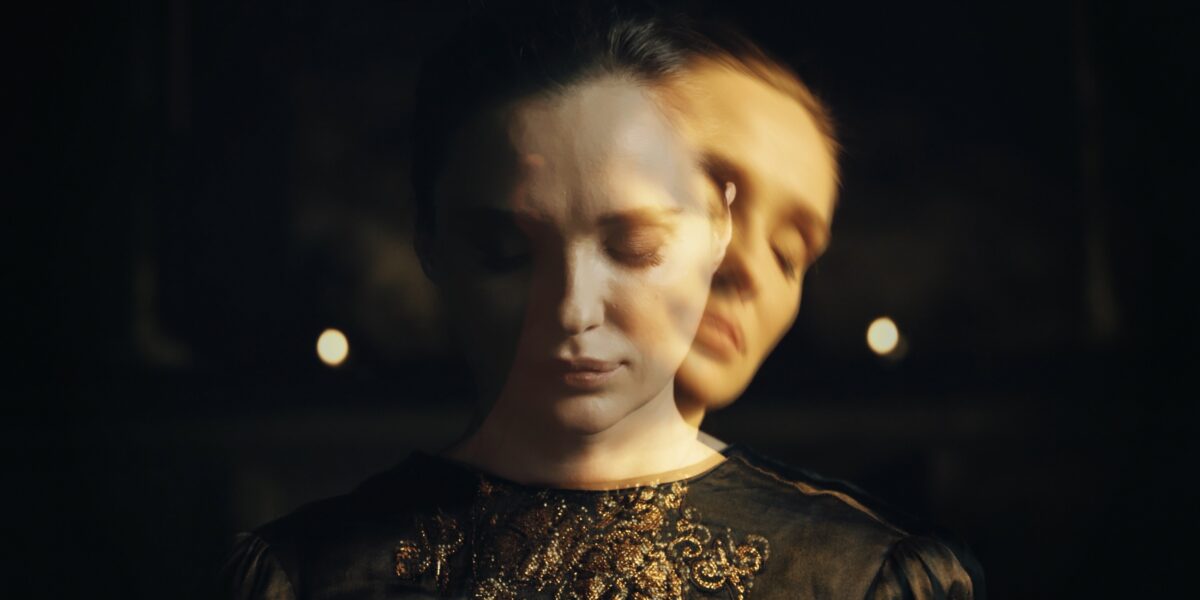
Our current understanding of OBEs indicates that they depend on the brain; although, as Blackmore underscores, it would be difficult to demonstrate that they could occur otherwise, given that we have no way of getting reports of OBEs from someone declared brain dead. Consciousness or the self may, indeed, exist independently of the brain, but whether it can seems difficult to verify from a scientific perspective. This leads many to reject the scientific perspective as the superior or ultimate one – a rejection of scientism, in other words – instead giving weight or primacy to direct first-hand experience, such as OBEs and NDEs.
As we can see, the neuroscience of OBEs – as well as the future of this area of research – can help shed light on other areas of philosophy, including the philosophy of mind, the philosophy of science, the philosophy of mysticism, the philosophy of psychedelics, epistemology, and metaphysics. These experiences can be viewed as either confirming or challenging the view that conscious experience depends on, or arises out of, physical states and processes. From a philosophical point of view, we should consider truth-testing factors like evidence, parsimony, coherence, consistency, and rationality in determining the explanation most likely to be true. Another important aspect of the debate is the epistemic weight we give to altered states like OBEs, in terms of what they supposedly reveal about the nature of consciousness, self, and reality.
Currently, OBEs lead people to be divided between two main philosophical camps. The first is the scientific/naturalistic/physicalist camp (which sees OBEs as a result of altered brain activity). The second is the non-physicalist camp (which views these experiences as evidence that consciousness can exist independently of the body/brain – a position that may have supernatural varieties, which frames this consciousness as the soul, spirit, or divine essence). OBEs, however, are just one type of non-ordinary state of consciousness among many that are seen to confirm or discount a particular philosophical worldview.
Sam Woolfe | Community Blogger at Chemical Collective | www.samwoolfe.com
Sam is one of our community bloggers here at Chemical Collective. If you’re interested in joining our blogging team and getting paid to write about subjects you’re passionate about, please reach out to David via email at blog@chemical-collective.com
































share your toughts
Join the Conversation.
Many people report seeing themselves from a 3rd-person perspective while on dissociatives or psichedelics, I personally experienced that once on dxm, it really makes you think about other out-of-body senses. Great article!!
Does anyone else feel a little crazy/sad for about 30 minutes to an hour while Vyvanse kicks in? I feel good once it’s in full effect but the period where it’s kicking in is a little rough lol.