Despite all this, there are steps psychedelic therapists can take to be as diligent as possible in gaining consent from PAT clients, for both the therapy in general and for specific interventions like touch.
Enhanced Informed Consent
Discussion of unpredictability of experience and transformation should be part of the therapist-client conversation around consent during the preparation phase of the PAT treatment. You can’t get someone to imagine what they literally can’t imagine. But you can make them aware of the possibilities of what they might experience, how they might change, and the odds that the treatment will be successful. This process is typically longer and more involved than gaining informed consent for mainstream psychotherapy, taking place over multiple preparation sessions, rather than as a brief discussion during an initial session.
Clinicians should be cautious regarding touch and always fully discuss all possibilities and boundaries with clients during preparation.
Checking in during integration, to ensure the client felt safe and that their autonomy was respected during their psychedelic experience, is also a good practice. If everything went well, it reinforces the experience. If the client feels that some aspect wasn’t in line with what they consented to, it creates the opportunity to address this sooner rather than later.
Ongoing Consent
Ongoing consent is the idea that consent is not a checkbox or one-and-done deal but is constantly renewed over time. Importantly, ongoing consent means that consent can change and can be withdrawn at any stage.
For PAT, this means that a client can change their mind about pretty much anything they’ve consented to, at any stage of the process, though this is obviously limited by safety, professional boundaries and what’s possible (there isn’t much point in saying that you revoke consent to be tripping once the drug has kicked in).
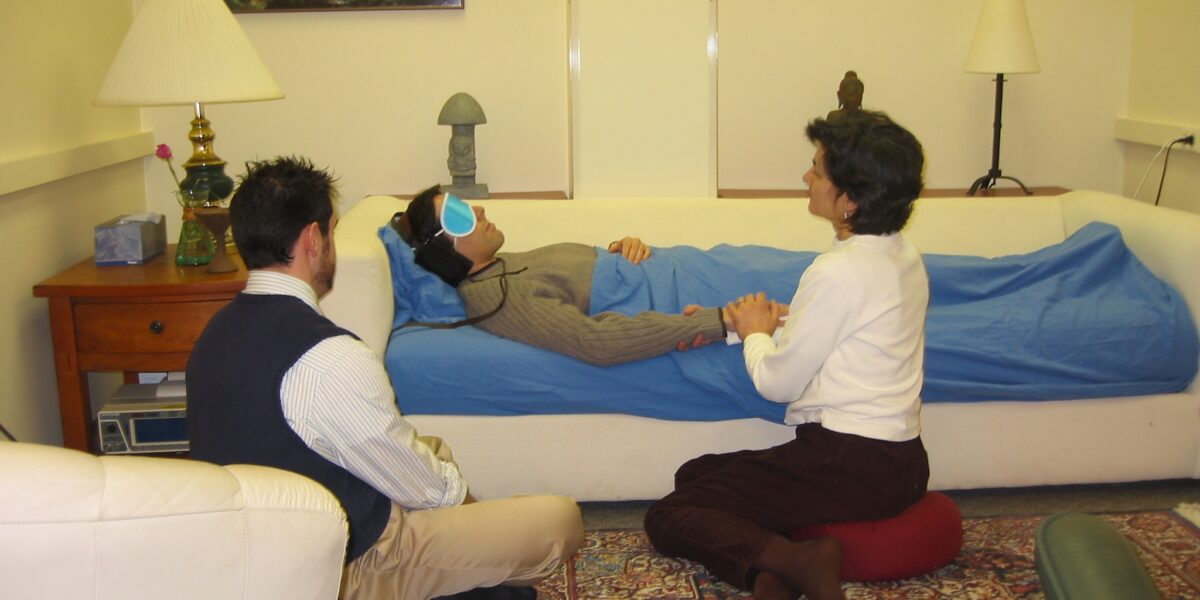
In practical terms, this applies to things like touch. As a PAT client, you might have agreed that some touch was OK, but once you’re in the experience, you don’t feel that way. Ongoing consent means that therapists should respect this, even if you agreed to it during preparation.
Advanced Directives
All PAT involves some level of decision-making about how the dosing session will go before it happens. Some ethicists have suggested that preexisting agreements could be helpful for times when a client is unable to express what they need or want, much in the way advanced care directives are used in conventional medicine.
I think an agreement that “touch is ok no matter what I say” would be unhelpful and potentially damaging. But agreements that set out the limits of things like touch and when it will be used, e.g., “if you seem distressed or you ask for it, we will place a hand on your forearm” or “we will only physically intervene for your own safety” are more likely to be helpful. If nothing else, they are a good place to start the discussion between therapists and clients.
On Touch: Considerations for Psychedelic Practice, a live collaborative document hosted by EPIC, includes examples of touch agreements that practitioners (clinical or otherwise) might find useful and informative.
Professional Boundaries
In order to protect client autonomy and well-being, PAT practitioners should have clear professional boundaries that prohibit inappropriate or unethical conduct at any point. For example, if a client asks for or attempts to initiate excessively intimate or sexual contact, the therapist will gently redirect them and, if appropriate, remind them that they agreed such behaviour was off-limits. (Boundaries work best with protocols to limit risk, such as therapeutic dyads, and where therapists have accountability to professional associations, but that’s a discussion for another day.)


















































share your toughts
Join the Conversation.
great opinion, i also think that.