In a cost-of-living crisis, and an age in which income inequality is rising, many people who need and want legal psychedelic medicine just won’t be able to afford it. Not everyone has the money for psychedelic therapy or a psychedelic retreat saved up, which they can spend without stressing about it.
It’s true that mental health issues don’t discriminate; they affect both the poor and the wealthy, but there are still socioeconomic roots of mental distress that lead to different mental health outcomes for people. Some of the very problems that psychedelic advocates believe psychedelics can help – issues like racial trauma, intergenerational trauma, war-related trauma, childhood trauma, and addiction – leave people struggling work-wise and financially. Therefore, those who could benefit from psychedelic treatment may be unable to afford it.
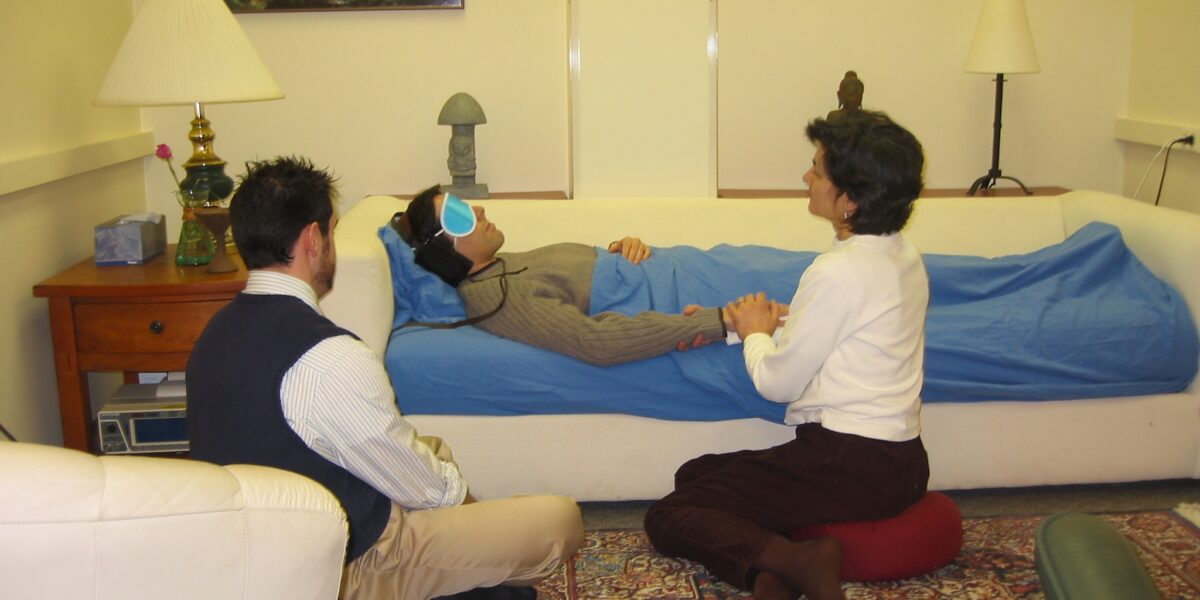
There is a worry, then, that legal psychedelic medicine will only be an option for those of a certain socioeconomic status – those who can pay for psychedelic therapy or a psychedelic retreat without having to worry about spending that kind of money. Otherwise, to afford the treatment, someone might have to take out a loan, borrow money, go into debt, or sell their possessions. If these options aren’t viable, then many will have to wait until they can afford the treatment (which may not be anytime soon), give up on the idea of accessing it (which can be disheartening), or seek out more affordable underground psychedelic sessions.
There are, undoubtedly, many reputable underground psychedelic therapists, and some people looking for healing do find it in underground psychedelic ceremonies as well. However, if someone is dealing with deep-rooted or complex trauma, or another form of severe emotional distress, an underground setting does come with additional risks. Practitioners are not legally required to complete a certain amount of training to offer their service. And in the underground space, it is easier for unscrupulous practitioners to operate, which can put participants in physical and psychological danger.
Safe, regulated psychedelic treatments should not just be for the wealthy. At the same time, this kind of treatment will inevitably have a relatively high price tag, given the professionalism and time it involves. However, this doesn’t mean the issue of access inequality in the psychedelic treatment industry can’t be tackled.
Some clinics or retreats may offer a sliding scale, based on people’s varying financial situations. Another option is state-subsidised psychedelic therapy, in which the state will partially or fully fund treatment. There is no concrete plan yet to make this happen, including in countries (like the UK, where I live), where state-funded healthcare (including mental health care) already exists. However, there is hope that, in the future, psychedelic therapy will become state-funded, like regular psychotherapy.
In the UK, CBT therapy is the most commonly prescribed form of state-funded mental health treatment, which typically lasts six weeks (but it can also last up to six months). In some cases, the NHS may offer a non-CBT form of talking therapy if CBT hasn’t helped or if they deem the person has needs that require a non-CBT intervention (although, very often, many people seeking mental health treatment would not find adequate, lasting relief through CBT). In countries in which deeper, long-term psychotherapy is state-funded but offered to a minority of people experiencing emotional distress, state-funded psychedelic therapy may likewise be in limited supply.
Governments may eventually recognise that the cost of funding psychedelic therapy will, on average, be more than compensated for by the costs saved by helping people recover effectively. Another option is if health insurance companies normalise including psychedelic therapy on their plans. Yet, even with psychedelic therapy available through the state or health insurance, some level of access inequality will likely remain. This doesn’t mean psychedelic medicine becomes inaccessible, of course, but it does mean that safe alternative options will be necessary (because people will be seeking them out).
Sam Woolfe | Community Blogger at Chemical Collective | www.samwoolfe.com
Sam is one of our community bloggers here at Chemical Collective. If you’re interested in joining our blogging team and getting paid to write about subjects you’re passionate about, please reach out to Sam via email at samwoolfe@gmail.com


















































share your toughts
Join the Conversation.