I find conversations surrounding class both interesting and uncomfortable. I come from a middle-class background, and grew up in a semi-detached house in the suburbs of North London with parents who had middle-class jobs, such as my dad, who was a university lecturer. I went to a state-funded comprehensive secondary school, which didn’t have any entry requirements, and I mixed with students from different backgrounds, and this came with some difficulties. I struggled to make friends, and I think part of this was down to how I came across, particularly when I spoke, as other students thought I was ‘posh’
The year before I started secondary school, I attended a Jewish summer camp as part of my upbringing as a North London Jewish kid – it’s just sort of what you did being part of a local synagogue, and I certainly found it easier making friends there compared to school. There were other attendees from similar backgrounds, but also a lot wealthier backgrounds, and this also became a point of contention as I entered my teenage years, when I started spending time with these friends outside of the summer camp environment. A lot of them went to private schools and had parents who worked in high-end corporate jobs, and I became aware of the subtle differences that seemed more pronounced as we became adults.
This feeling of being somewhat ‘in-between’ spaces provided me with some early exposure to class dynamics, as well as understanding who feels comfortable in particular situations. I’ve carried this class-sensitivity into my adult life, and become aware of these subtle (and sometimes not so subtle) differences within the wider psychedelic and wellness circles. There are many issues related to accessibility when it comes to things such as available treatments, events, or retreats, and it’s important to explore how certain spaces which utilise the concepts of healing and unity can often reinforce pre-existing class dynamics.
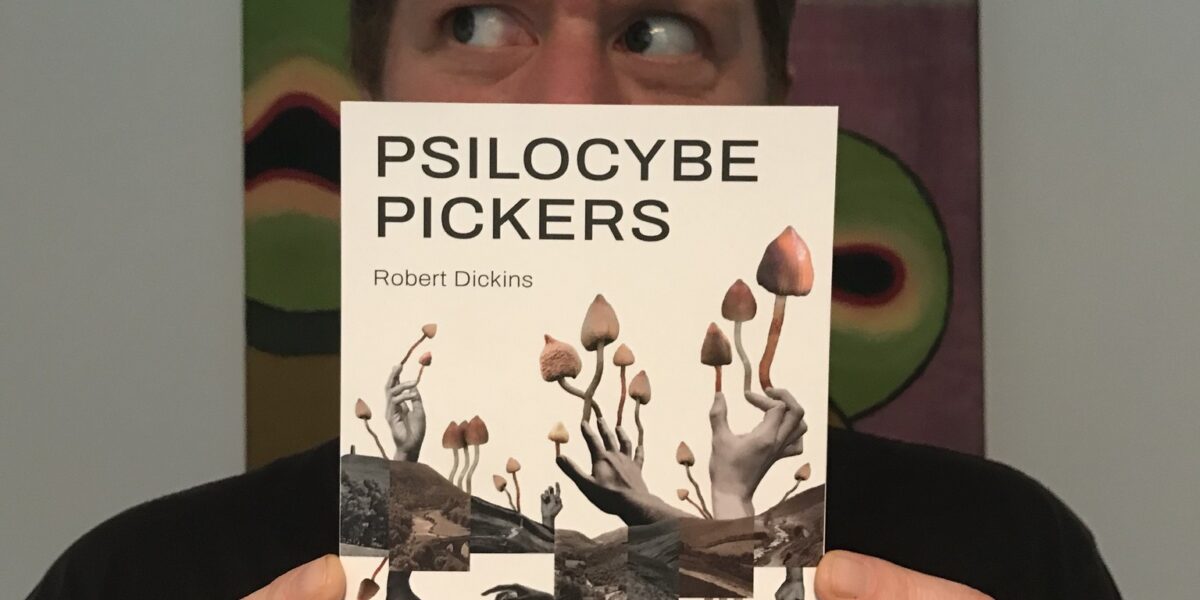
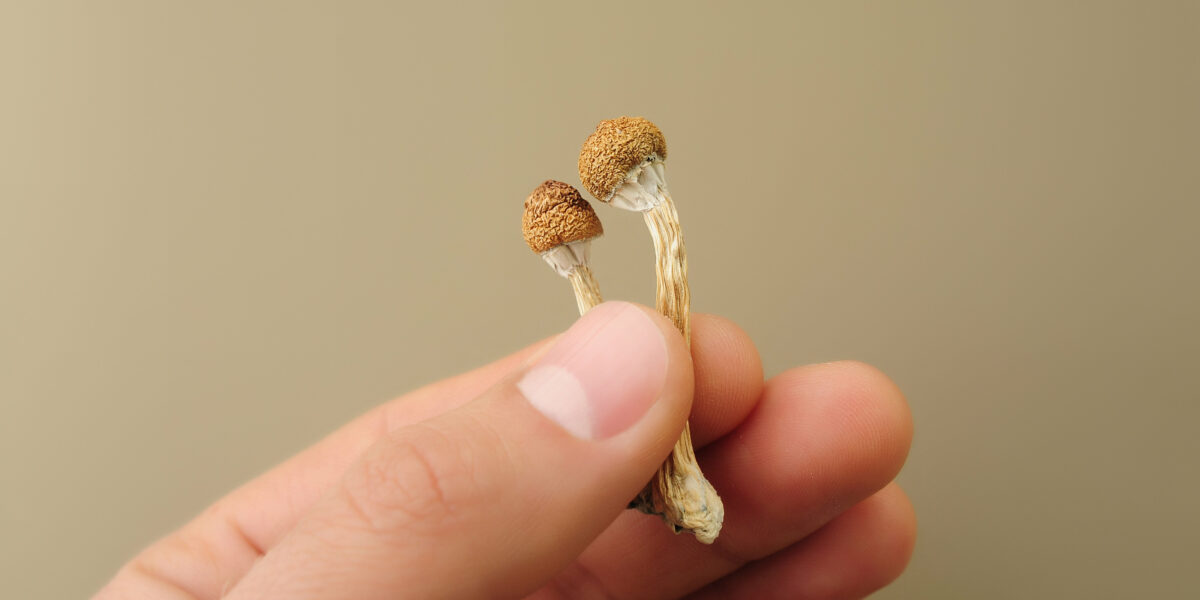
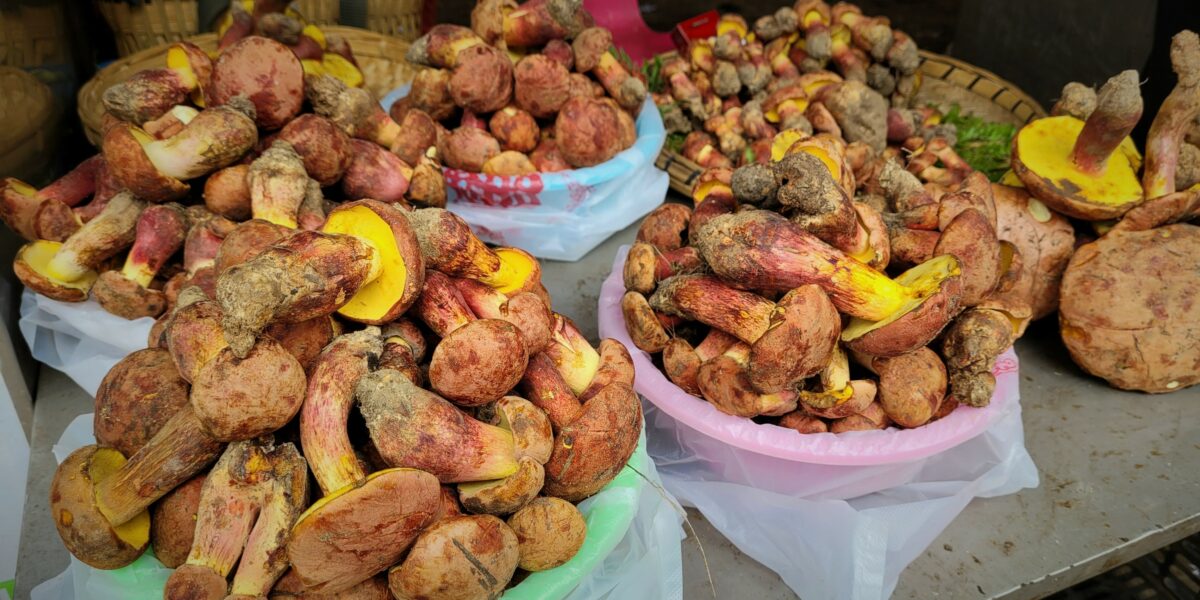
I will speak mostly in relation to psychedelic spaces, as this has been my primary entry point into the world of wellness and healing. At university, I was introduced to the power of psilocybin mushrooms, which were growing less than a 10-minute walk from the campus. Picking these fungi out of the ground felt mischievous and also wonderful, as it took a while to notice them, but once you found them…you found them all! There was something enchanting about going on an excursion with your friends and engaging directly with the wisdom of the fungi, without any extra bells or whistles. The people I went on these adventures with were from mixed backgrounds, and the genuine interest in these substances created a common focus despite any differences in our upbringing.
This sentiment led me and two other friends to found the UKC Psychedelics Society at the University of Kent in 2009, where we hosted weekly lectures on a wide range of topics, as well as being the catalyst for the first Breaking Convention conference in 2011. This society was born out of pure curiosity and a connection we found in the mystery, as well as the joy of these kinds of experiences. The countercultural elements of art, music, and poetry, along with alternative interpretations of spirituality and philosophy through a psychedelic lens, allowed us to engage with a world that wasn’t so intimately tied up with research into ideas surrounding the psychotherapeutic benefits of these substances. It felt like we understood the benefits from an intrinsic point of view, often sharing stories about any revelations we had experienced, and understanding how these experiences could influence our thinking, creativity, and sense of community.
At this point in time, everything felt quite hidden and magical…almost secretive in a way that allowed us to be connected to a sense of the world that others might be cut off from. We often had students come up to us at our stall during the freshers’ fayre and say things like “Oh, is this the society where you guys just all take drugs?” We didn’t mind fellow students lightly poking fun, and understood that what we were doing as a society might have seemed a bit out there.
The increasing interest in the world of psychedelics has changed the nature of the enchantment surrounding these types of experiences, because now it seems that everyone is talking about these substances (perhaps a lot of the same types of people who might have been poking fun at us as students), and the narrative has certainly become more mainstream. There are certainly positives to this for widening the reach of psychedelics to assist individuals and communities in certain situations, but ultimately the ‘mainstreaming’ has also allowed for more access by individuals or organisations who might not have previously been advocating for access until it was deemed safe to do so, or where it might not have previously been appealing to the more capitalist elements of society.






















share your toughts
Join the Conversation.