in this article
- Schedule 1 Drugs
- The Psychedelic Closet Problem
- Changing the Legal Status Of Psychedelics
- Questions on Liberty, Beyond Therapeutic Use
- If You Want to Come Out of the Psychedelic Closet
Are you 18 or older?
Please confirm that your are 18 years of age or older.
You are not allowed to access the page.
Disclaimer: The views and opinions expressed in this article are those of the authors and do not necessarily reflect the official policy or position of the Chemical Collective or any associated parties.
Millions of people across the US have admitted to using a psychedelic at some point in their lives, but are they coming out of the psychedelic closet? Despite increasing scientific research around their benefits, as Schedule 1 drugs, many people still do not want to disclose their use of psychedelics.
Recent survey data shows that around 8 million people in the US used psilocybin in 2023, citing self-exploration and therapeutic use as a reason for taking them.
Likewise, further data shows huge public support for the legalisation of psychedelics for therapeutic use across countries such as the US, the UK, and Europe.
Despite this indicating that society’s perception of psychedelics is shifting from dangerous drugs to helpful medicines, stigma around these substances is still widespread.
Rescheduling could be key to unlocking people’s psychedelic stories, which will help us gain a deeper understanding of how widespread their use is, how people are using them, and what impact they are having on people’s lives.
Most psychedelics are in the highest category of illegality in the majority of countries across the world, with a few progressive exceptions.
This can make it very difficult for people to openly share their experiences of how these compounds have, positively or negatively, impacted their lives or health.
In particular, researchers, therapists, and public officials who have experimented with them may have rather negative consequences if they do so.
For example, a survey from 2023 revealed that drug researchers who work with these compounds, who admitted to also using psychedelics, were seen as having less scientific integrity by their colleagues.
When reputation, funding, positions, and lifelong careers could be at stake, some professionals will give careful consideration before disclosing this activity.
For any kind of individual, likewise, disclosing use of a Schedule I/Class A drug could have significantly negative ramifications in their work or personal lives, not just now, but also potentially in the future.
There are, of course, reams of anonymous (and not so anonymous) trip reports floating around on the internet, but unless you are seeking them out, it is unlikely you will stumble on them.
These kinds of reports, like reports from Erowid and Reddit, are often used as data for research studies, and while this is a fantastic way of informing research, it doesn’t have a wider emotional impact.
Emotional connection is often the key to unlocking a deeper understanding of how the use of psychedelics can impact our lives and to unlocking potential cultural shifts around how we use them.
The now long-running US cannabis industry and the relatively-newly birthed medical cannabis industries in Europe and the UK have been built on the back of brave individuals who had the courage to speak about their therapeutic use of the medicine and demand their right to legally access it.
A similar situation is now unfolding with psychedelics, and while there are stories of psychedelic transformations in the media, the difference in legality between psychedelics and cannabis leaves a chasm of understanding.
Cannabis is in a lower category of scheduling, making it easier to talk about. Psychedelics being in the highest schedule means many people are keeping their tongues tied about their experiences – and, while some of them may appear as a statistic on a data sheet, the impact of their experiences is less understood by wider society.
There are many scientists, philanthropists, and businesses contributing to furthering our scientific understanding of psychedelics; however, there likely remain many more who still see these compounds as something to avoid.
The stringent scheduling of psychedelics, like LSD and psilocybin, makes them very expensive and still rather controversial to research.
Campaign groups – such as the Psilocybin Access Rights campaign and the European Citizens’ Initiative for Psychedelic-Assisted Therapies – are calling for the rescheduling of psilocybin, for example, to make research into these compounds more accessible for scientists as we face a pressing, global mental health crisis.
Rescheduling psychedelics to a lower category would not only make it easier for scientists to research them, but also make it easier for people and patients to come forward and share their stories without being criminalised.
The problem of disclosure expands beyond their therapeutic use – those who use the compounds for spiritual purposes, or as cited in the surveys, for self-exploration, may have even more stigma around admitting their use.
Humans have used mind-altering substances for thousands of years. Sharing stories about using psychedelics recreationally raises big questions over our access to these substances – our right to put in our bodies what we want, and experiment with our consciousness as we want, if it is not a danger to others.
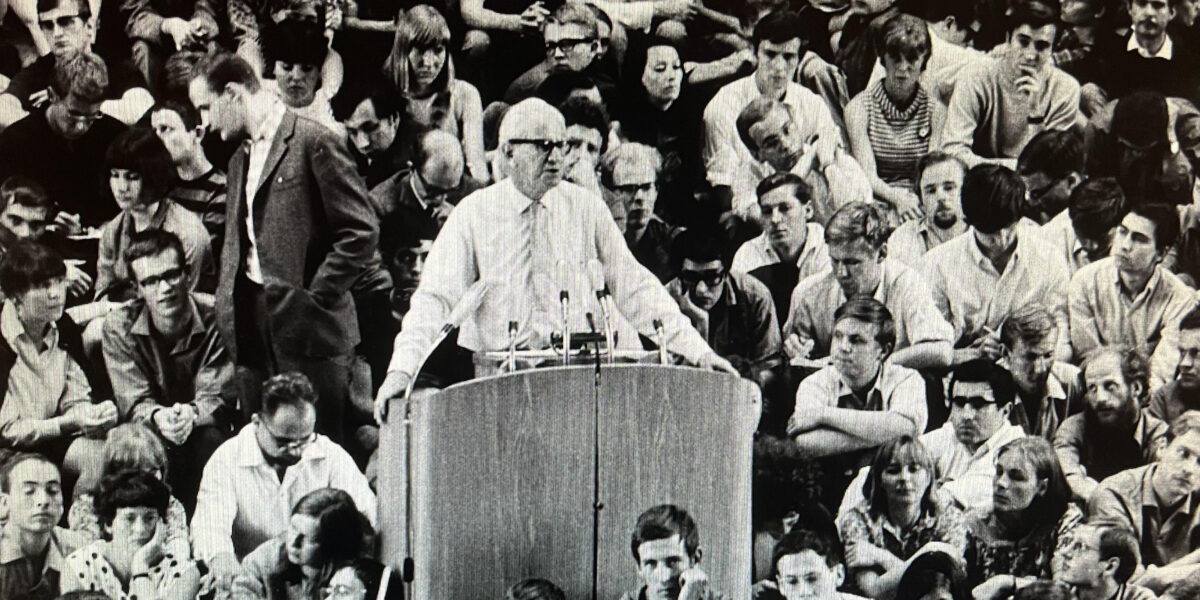
In his essay On Liberty, published in 1859, the philosopher John Stuart Mill discusses the idea that a state or society should only intervene with individual liberties in order to prevent harm to others. Any act that only impacts the individual and not others should fall outside the responsibility of the law.
Mill writes, “Over himself, over his own body and mind, the individual is sovereign.” Psychedelics, indeed, are the perfect example of this. Using psychedelics – whether for therapeutic purposes, spiritual purposes, general recreation, or exploring one’s own consciousness – is an act which carries risk mainly for the individual.
Equally, he explores the idea of freedom of expression:
The liberty of expressing and publishing opinions may seem to fall under a different principle, since it belongs to that part of the conduct of an individual which concerns other people; but, being almost of as much importance as the liberty of thought itself, and resting in great part on the same reasons, is practically inseparable from it.
Secondly, the principle requires liberty of tastes and pursuits; of framing the plan of our life to suit our own character; of doing as we like, subject to such consequences as may follow: without impediment from our fellow-creatures, so long as what we do does not harm them, even though they should think our conduct foolish, perverse, or wrong.
The scheduling of psychedelics as Schedule 1/Class A drugs squashes the ability to advance science, and, under these principles, the criminalisation of psychedelics is unjustified for both personal use and freedom of expression, raising bigger questions over the freedom of our societies. Elsewhere, Mill states:
No society in which these liberties are not, on the whole, respected, is free, whatever may be its form of government; and none is completely free in which they do not exist absolute and unqualified. The only freedom which deserves the name, is that of pursuing our own good in our own way, so long as we do not attempt to deprive others of theirs, or impede their efforts to obtain it. Each is the proper guardian of his own health, whether bodily, or mental and spiritual. Mankind are greater gainers by suffering each other to live as seems good to themselves, than by compelling each to live as seems good to the rest.
The War on Drugs has failed; it has caused endless deaths and incarcerations in the name of safety and treated drug use as a criminal matter rather than a health or social matter.
For those wanting to speak publicly about how these illegal substances may have saved or changed their life, informed their spirituality, or expanded their ideas of consciousness, the fear of incriminating oneself and the ramifications that may come from that – which are still very real – often, understandably, stop them.
As countries like Australia, Canada, and the US come out of the psychedelic closet, maybe we will see more follow suit, freeing up scientists to carry out research and enabling people to share their stories.
While not everyone may have the luxury of speaking publicly, speaking privately about psychedelic experiences can have a big impact on how psychedelics are perceived.
Stephanie Price | Community Blogger at Chemical Collective
Stephanie is one of our community bloggers here at Chemical Collective. If you’re interested in joining our blogging team and getting paid to write about subjects you’re passionate about, please reach out to Sam via email at samwoolfe@gmail.com
Welcome to Chemical Collective.
Create an account to earn 200 welcome points.
Already have an account? Sign in
Check out our Community Blog and get involved with the conversation. You will be awarded 50 x ChemCoins for each comment up to a limit of 250 total ChemCoins.
Have you purchased any of our products? Reviews and reports are so important to the community. Share your honest opinion, and we’ll reward you with 50 ChemCoins for each review!
Every time you complete an order with us, you’ll be awarded ChemCoins for each Euro spent.
Welcome to Chemical Collective.
Create an account to earn 200 welcome points.
Already have an account? Sign in
Earn commission every time someone makes a purchase through your link.
When you become an affiliate, you will be allocated a unique link to share with your friends, followers, subscribers, or Aunt Susan.
You can choose to payout the commission earned once per month, or save it up to receive on a rainy day! Commission earned is 5% of the total order value per referral.
Contact us to join the Chemical Collective family and become an affiliate.
share your toughts
Join the Conversation.