in this article
- What is Animism?
- Psychedelics as Catalysts for Animist Perception
- Animist Cultures with Psychedelic Practices
- How Can Animism Inform Our Psychedelic Experiences?
Are you 18 or older?
Please confirm that your are 18 years of age or older.
You are not allowed to access the page.
Disclaimer: The views and opinions expressed in this article are those of the authors and do not necessarily reflect the official policy or position of the Chemical Collective or any associated parties.
The resurgence of interest in the world of psychedelics in recent years has not only allowed individuals and communities to find new ways of managing various health conditions but also provided opportunities to connect with the natural world in ways that might have previously felt totally at odds with our way of thinking. Our metaphysical understanding of reality, particularly in the West, is one which tends to view nature as separate from our human experiences of reality, seeing a difference between the natural and supernatural rather than everything as being interconnected.
Psychedelics have the potential to mirror certain animist cosmologies, which are often related to entities, spirits, plant consciousness, and interconnectedness. The kinds of experiences that people have been having throughout this resurgence, or psychedelic ‘renaissance’, have opened up the potential for further discussions about the potential for re-enchantment, where we can engage with our world in a less mechanistic way and create a deeper connection to the natural environment.
A lot of the conversation seems to revolve around the therapeutic benefits of psychedelics, but I feel like this tends to limit the scope of what these kinds of experiences can provide. We might be trapped in a Western mindset that separates mind from body, pathologising our everyday existence, while other cultures might view problems with physical or mental health arising as a result of how we engage with the world.
My experiences with psychedelics have often been characterised by how much joy I find from engaging in the natural world in a way which feels so pure, free, and connected, without judgment or even ownership over the thoughts being had. When speaking about psychedelics and nature-connectedness in relation to humans being stewards of the environment, Dr Sam Gandy says that we can understand this as “a measure of someone’s psychological relationship with nature and a sustained awareness of the connection between themselves and the rest of the natural world”, and this may help us to understand how experiences with psychedelics might have the potential to change the way in which we engage with our world, perhaps more in line with animistic worldviews.
I recently spoke to Dr Andy Letcher from the University of Exeter on the topic of animism, where he cautioned against taking it too seriously and trying to study or measure these ideas of nature-connectedness. We might actually be overstating the seriousness of the interrelatedness between certain indigenous cultures and the natural world, where taboos are frequently broken and spirits might be laughed at. Dr Letcher views animism as a “radical aliveness…and an appreciation of this aliveness which seems to go all the way down” rather than being a rigid system which needs to be adhered to with a certain kind of engagement with the world.
Thinking about animism in relation to psychedelic experiences is so appealing because these kinds of experiences can significantly shape our worldview, and animism is a concept that is concerned with how we engage with the world. It creates a sense of wonder and enchantment to think about the sentient quality of other animals, plants, or forces of nature, like the oceans, wind, or the sun and moon, and through exploring these ideas in more detail, we might be able to draw comparisons between our experiences with psychedelics. At first, it might be thought of in an ideological sense, but it’s more related to a style of engaging with the world, seeing everything as being infused with this sense of being animated.
Vladimir Bogoras, a Russian revolutionary, writer, and anthropologist, known for his studies of the Chukchi people in Siberia, spoke of them saying that “take for living the tree that rustles, the wind that passes by, the stone that waits silently lying upon the ground but makes the passing man stumble over it, the lake, the river, the brook, the hill that towers over the plain and throws its shadow upon it”. I’ll be exploring some of the concepts within Siberian folklore as well as looking further into different cultures that hold animistic beliefs, but broadly speaking, this worldview relates to everything in the world having a spiritual essence or agency.
In contrast, the dominant Western worldview is more in line with a dualistic mindset, which sees the body as physical and the mind as something immaterial and not governed by the laws of nature. This worldview has placed humans outside of nature, with the belief that it is here for our benefit, rather than acting in accordance with it or engaging with it in a harmonious way. The father of modern science, Francis Bacon, further advanced the idea of humans being separate from nature, stating that “science should, as it were, torture nature’s secrets out of her” and progressed the notion of humans subduing nature as its masters, rather than seeing ourselves as a part of it. Just from reading this quote, we might be able to see how something like a psychedelic experience could radically shift our approach to engaging with nature as part of it, rather than seeing it as something that we need to control from the outside. Even ideas of ‘connectedness’ when it comes to nature already presuppose a disconnect from it, and to other cultures, it might seem pointless to ask questions about how we can more effectively connect with nature when those cultures don’t see any separation in the first place.
It’s interesting to think about how this Western worldview has become so dominant, given that a large proportion of people in the world could be considered to be animists. It could also be seen to be more of a rational response to the experience of the world, where there is less control over certain aspects of life. People in the developing world have less freedom and independence compared to those in developed countries, and animism makes more sense as a way to engage with more challenging environments, such as regions like Siberia or the Amazon rainforest.
Early perspectives in anthropology saw animism as something that is concerned with what is alive and what factors make something alive, with an implication that animists were unable to distinguish between persons and things – this perspective is quite outdated, however, as it was deemed to further entrench colonialist worldviews and limit the understanding of concepts such as belief in spirits. Many anthropologists subsequently stopped using this term, but it has now been claimed by different indigenous and religious groups, as it resembles their existing beliefs and understandings of how to engage with the world, and as such, some anthropologists have begun to re-use the term.
Graham Harvey, a religious studies scholar at the Open University, has defined animism as being “the attempt to live respectfully as members of the diverse community of living persons (only some of whom are human) which we call the world or cosmos.” His book Animism: Respecting the Living World applies the use of the term ‘new animism’ to the worldviews of communities and cultures such as Ojibwe, Maori, Aboriginal Australian, and eco-Pagan, as a way of introducing the diversity of ways of being animist. New animism is about behaving respectfully to all things and is concerned with the interrelatedness of humans, animals, and plants, and can help us understand how to live more in accordance with nature to create a more sustainable environment.
The idea of exploring how we engage with the world to me feels quite psychedelic – we’re not just thinking about there being some kind of spiritual essence to the different aspects of nature, but more about the energy we’re creating as we move through it. I think the powerful experiences that come with psychedelics can open us up more to these energetic ways of interpreting the world. From my personal experience, there’s nothing quite like walking through nature while tripping…there’s a real sense of everything being ‘alive’ in a very immediate and felt way. Not just academically knowing that trees and plants are alive, but really experiencing it.
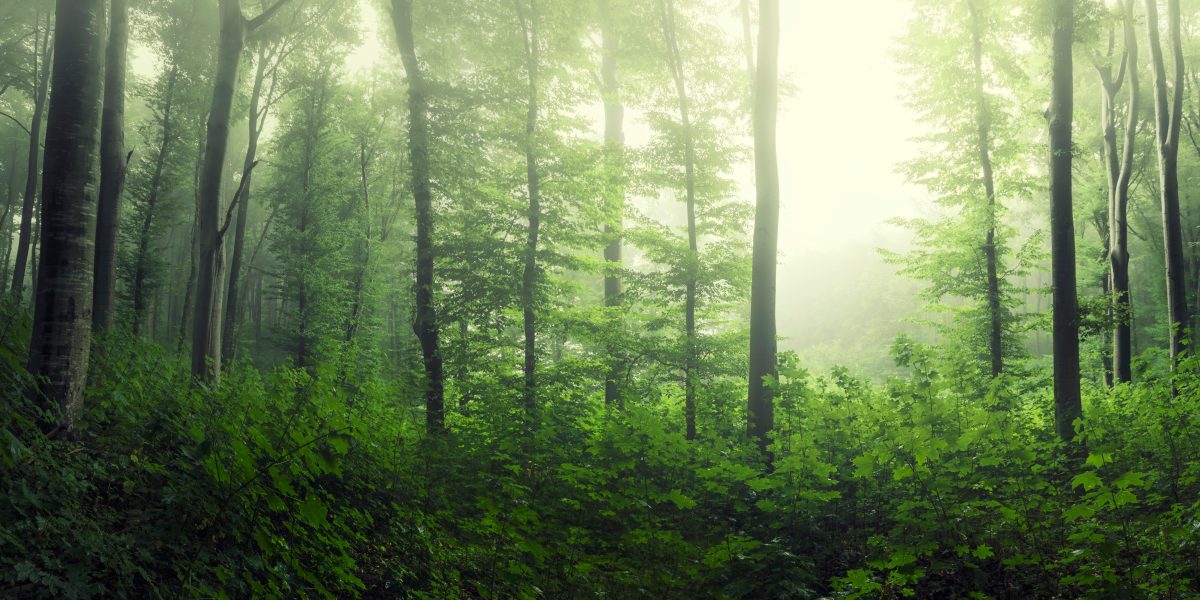
I always had something of a running joke where if I was caught by a bramble or branch, it’s because the woodland wanted to keep me there, and perhaps there’s something to this when you’re in an altered state. It’s almost like the human faculties that try to be in control are put to one side, and you become more at one with the natural world, respecting that you are it and that moving in accordance with the energies you can feel around you might provide the best possible outcome. I have spent a lot of time around the woodlands of Canterbury, where I have had many of my formative psychedelic experiences, and often, there will be certain trees or places in the woodland that hold some kind of energetic significance. I know people who form strong bonds with these particular trees while encountering them on psychedelics, and I imagine this is more common than we think.
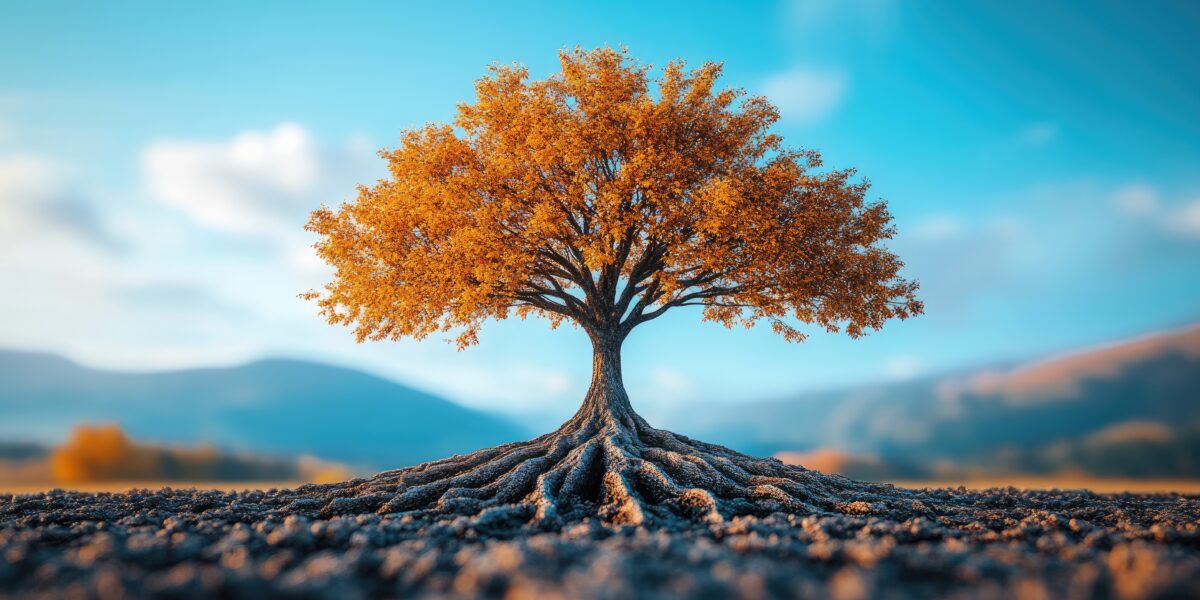
Writing about his experiences with LSD in The New Yorker, Matthew Hudson claims that while encountering a tree on a climb up a mountain, he “…sensed a kind of wisdom in its conservation of resources. I imagined that the tree somehow wanted me to learn its lessons, to slow down and save my strength for the rest of the climb.” In this moment, with the tree being anthropomorphised almost in the sense of being an elder, this person was able to have an experience unlike the usual everyday encounter that separates us from an essence of nature, which we can tap into on psychedelics. The fact that the writer has said “I imagined” still implies a sense that this isn’t real, but what if that’s an irrelevant point? Whether we can verify if the tree spoke to us or not doesn’t matter if we engage with it in a way which feels positive and in line with the flow of nature.
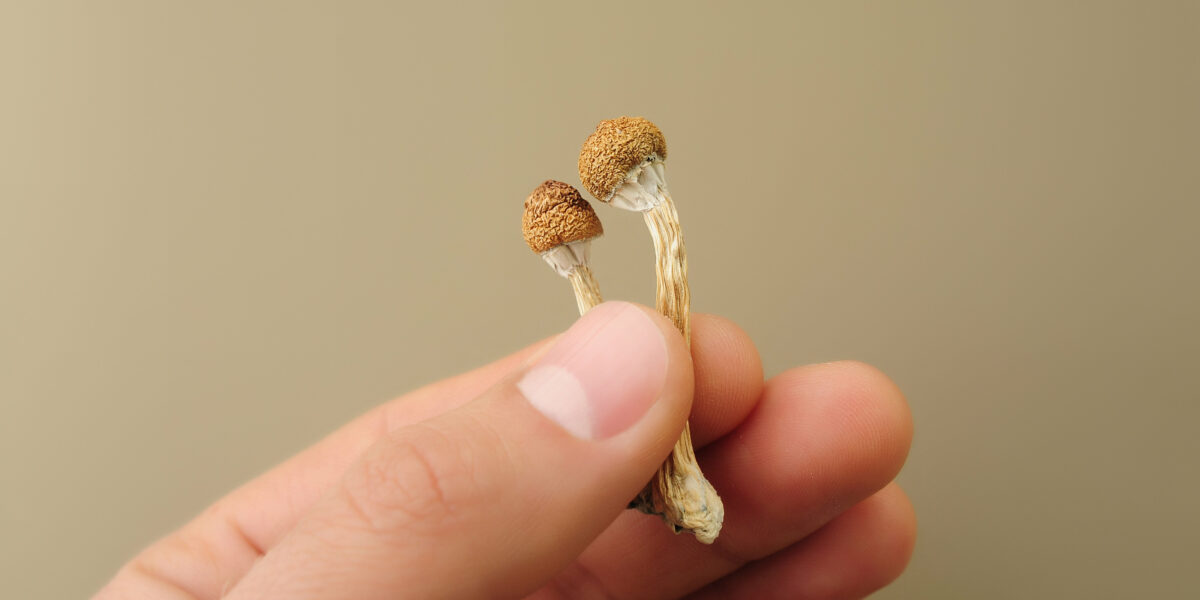
The idea of learning to slow down from engaging with the tree is interesting to think about when we consider that certain psychedelics can actually distort the flow of time to make it seem like it’s passing more slowly. Psychedelics like psilocybin are able to desynchronise the brain and reduce activity in the Default Mode Network, which is essential for the maintenance of our consensus reality, our sense of self, introspective functions, self-reflection, and self-criticism. The benefit of this desynchronisation is the creation of new patterns of thought, which can have a positive effect on treating mental health issues such as depression by allowing for new possibilities. But I think this goes much further in allowing us to simultaneously disconnect from stories that might not necessarily be serving us any longer, and connect to a world outside of ourselves where we can feel true joy through these energetic encounters with our natural environment. We might begin to ask: Are these perceptions simply effects of an altered state of being, or have we found ways to see and experience the full breadth of nature as it really is? Can different animistic cultures provide a framework through which to engage with the world while in an altered state?
Siberian Shamanism
Siberian folklore is something I’ve been recently researching (in relation to my research on chaga and Amanita muscaria mushrooms), and it’s quite clear how intertwined animistic mythology is with shamanic practices from the region. The harsh realities of the forces of nature, combined with being wholly dependent on them, meant that tribes in Siberia could not separate themselves from nature, and their fear caused them to attribute supernatural powers to otherwise natural phenomena. As in the story of Kotura, Lord of the Winds, strong blizzards prevented people from getting food, and the storm could blow them out into the tundra or out to sea. Various charms, chants, sacrifices, and folk tales were used to counter the forces of nature; however, the main defence was the shaman, who could commune with the spirit world and mediate between these forces.
The Koryak people of the Kamchatka peninsula have used the fly agaric or Amanita muscaria mushroom for shamanic purposes, such as divination or the maintenance of collective myths. Their belief is that this mushroom was given to them by Big Raven (also known as ‘Kutkh’), a spirit and shaman who was a key figure in creation, as well as being a popular subject of stories from the Chuchki people. This story of being given the amanita mushroom by a raven spirit certainly points towards a relationship between psychedelics and spirits or animal guides, which would suggest a deep connection with the natural world.
Amazonian Traditions
Many cultures within the Amazon could be considered to be animist by the way in which they engage with their natural environment. There is the concept of humans and animals being kin, and the iconography, myths, and art of this region suggest a deep appreciation of the interconnectedness of all life as a central part of the beliefs of different cultures in this region. When people first settled the lower Amazon basin in Brazil around 13,000 years ago, they entered an environment that had long been inhabited by other animals. The activity of these animals left clues to where there might be viable resources or navigable paths, and some rock art from the region seems to suggest a symbolic appreciation for these animals.
Shamanic practices from the Amazonian cultures, such as the Shipibo, which utilise different plants, have certainly gained a lot of attention in the past few years, with ayahuasca in particular being spoken about as a way to create a more powerful, meaningful, and respectful relationship with nature.
Anecdotal reporting from people who’ve had an experience with ayahuasca seems to suggest a radical shift in the perception of our connection to nature, as one Redditor, NoPangolin5557 said when engaging in a conversation about nature connection:
The jungle behind me pulsed like a living organism. The stars above didn’t just shine — they breathed. I was thousands of miles away from everything I knew, but I’d never felt more at home, more alive, more free. I was rolling hard and more lucid than I’d ever been, completely submerged in the present and somehow outside of time. In that darkness, I found something that still lives in me: wildness, clarity, and a connection to the earth I haven’t touched since.
There has also been some limited research looking at the concept of nature-connectedness in participants who attended an indigenous-led ayahuasca retreat, showing a positive effect on the relationship the individual has with nature and how they engage with it.
Andean Animism
In the Altiplano, a high-altitude plateau region within the Andes Mountains, extending from central Peru to central Argentina, there is an animist way of engaging with the world in relation to mountains (Apus), Mother Earth (Pachamama), the home, and the ancestors, as well as a variety of saints. These entities have an influence on the different aspects of life, such as Pachamama being vital for the maintenance of crops; the mountains controlling herds of animals, such as alpacas, as well as mining activity; or the saints teaching people skills and providing protection for travel.
My travels around the Andes in 2018 really gave me a sense of this animistic engagement with the natural world, especially being so aware of the altitude and enormous mountains that seemed to always surround me. Having grown up in the Southeast of the UK, mountains have never been something I’ve been around much, and the size of some of the mountains in this region was truly breathtaking! When you’re there it’s impossible not to be gripped by the size of some of them, as well as strangely being drawn into what I can only describe as “mountain consciousness” (I’m reminded of my friend from the USA who grew up going skiing and once said “mountains are my favourite spirit landscape”).
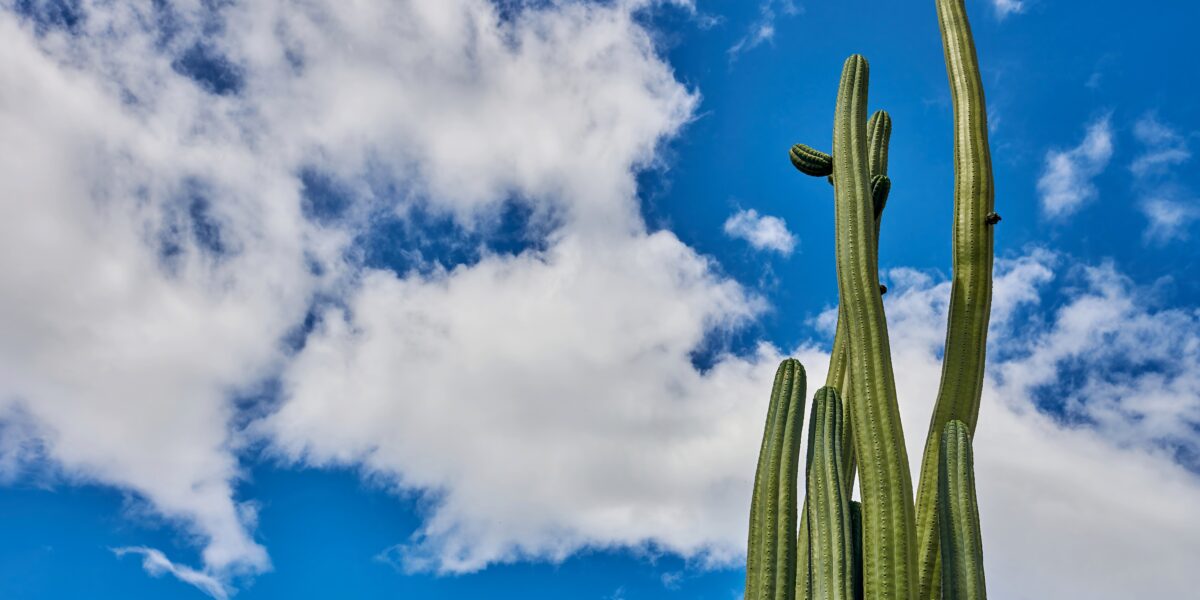
During this time, I had the opportunity to take part in a San Pedro ceremony on top of a mountain in Cusco, Peru. This cactus seemed to grow everywhere I went, and there’s evidence to suggest it’s been used in healing ceremonies for a few thousand years by different cultures in the region. It was such a gentle but powerful experience, and I felt connected to the mountain energy in a way which felt homely (perhaps because the altitude and weather reminded me of parts of the UK), and I engaged with the natural environment in what felt was a very peaceful way. I was able to work on parts of myself related to feelings of cynicism and feel more of an open heart to everyone and everything, without a sense of judgement or expectation.
When speaking to Dr Andy Letcher about animist worldviews in the British Isles, he said that “urbanisation has alienated people from the non-human, with constant uprootings and invasions, along with the dominance of Christianity where we have lost animistic language”. Living in cities decreases opportunities to be animistic, and we see animals like foxes, pigeons, and seagulls as being vermin, with undesirable plants being categorised as weeds. Psychedelics, however, have the potential to remind us that we live in the living world, where we can utilise plants in a way to focus our attention, seeing plants and fungi as having agency, and inviting them into ourselves rather than simply ‘consuming’ them. Paying attention to what these plants can reveal might allow for a greater sense of healing, which extends out to the wider community. Rather than just looking at what we need to heal on our own, we can pay more attention to the wider story and the natural world that supports us.
Oli Genn-Bash | Community Blogger at Chemical Collective | linktr.ee/oligennbash
Oli is one of our community bloggers here at Chemical Collective. If you’re interested in joining our blogging team and getting paid to write about subjects you’re passionate about, please reach out to Sam via email at samwoolfe@gmail.com
Welcome to Chemical Collective.
Create an account to earn 200 welcome points.
Already have an account? Sign in
Check out our Community Blog and get involved with the conversation. You will be awarded 50 x ChemCoins for each comment up to a limit of 250 total ChemCoins.

Have you purchased any of our products? Reviews and reports are so important to the community. Share your honest opinion, and we’ll reward you with 50 ChemCoins for each review!
Every time you complete an order with us, you’ll be awarded ChemCoins for each Euro spent.
Welcome to Chemical Collective.
Create an account to earn 200 welcome points.
Already have an account? Sign in
Earn commission every time someone makes a purchase through your link.
When you become an affiliate, you will be allocated a unique link to share with your friends, followers, subscribers, or Aunt Susan.

You can choose to payout the commission earned once per month, or save it up to receive on a rainy day! Commission earned is 5% of the total order value per referral.
Contact us to join the Chemical Collective family and become an affiliate.
share your toughts
Join the Conversation.