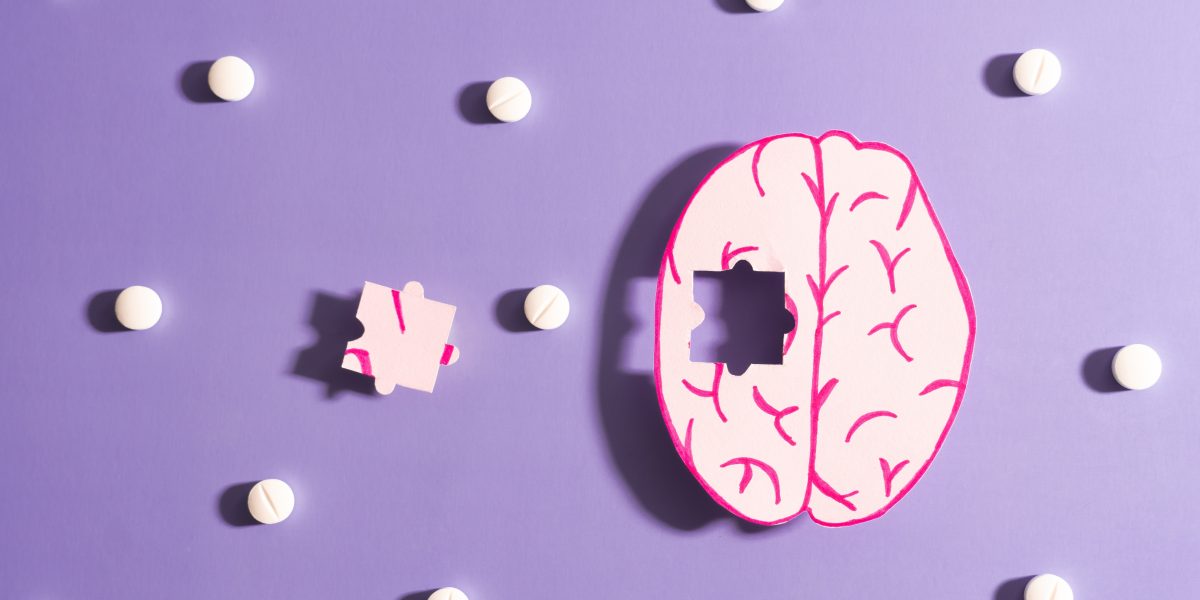
Neuroplasticity is the brain’s ability to adapt throughout life and respond to injury or habit changes, for example.
A plastic brain is able to make changes – reorganising itself, growing and creating new neural connections – whereas a lack of brain plasticity is unable to do this, and is strongly linked to cognitive decline, memory problems, depression, and anxiety.
Ageing causes a natural decrease in brain plasticity; however, in dementia and related conditions, there is a significant decrease in plasticity.
So far, research has suggested that psychedelics may increase neuroplasticity by impacting certain receptors and pathways in the brain.
One receptor is 5-HT2A – a serotonin receptor that helps modulate neuroplasticity, and which serotonergic psychedelics such as mescaline, psilocybin, LSD, and DMT activate.
Researchers suggest that psychedelics have a high affinity for these receptors, enabling synaptic, structural, and functional changes in neurons and networks, which promote functional connectivity in the brain.
However, recent research suggests that the plasticity-promoting effects of psychedelics may be independent of 5-HT2A activation, and instead depend on TrkB binding and promotion of endogenous brain derived neurotrophic factor (BDNF) signalling.
BDNF is a protein that plays a crucial role in plasticity, supporting the growth and strengthening of neurons. Research shows low levels of BDNF in people with dementia; however, conversely, people who have used psychedelics show significantly higher BDNF levels.
TrkB is a receptor for BDNF, and the research shows that psychedelics such as LSD have a significantly high binding affinity to TrkB, impacting the signalling pathways for neuroplasticity.
As it is the 5-HT2A receptors that are responsible for the perceptual effects of psychedelics, the research team suggest that modified analogues of LSD that only impact TrKB and not 5-HT2A receptors could be key to developing psychedelic therapeutics without any perceptual effects.































share your toughts
Join the Conversation.