Welcome to
Chemical Collective

Are you 18 or older?

Please confirm that your are 18 years of age or older.

You are not allowed to access the page.

info-icon €100 for domestic (NL, CZ, DE) €125 for the rest of the EU, excluding stealth shipping

Free shipping over €50 & free tracked shipping over €100

Friendly customer service available 9-5pm Monday to Friday

Free shipping over €50 & free tracked shipping over €100

Friendly customer service available 9-5pm Monday to Friday

Your cart is empty

Can Microdosing Lead to a Subtle Form of Dependency?

oli-genn-bash

By Oli Genn-Bash

shutterstock 1484227031
in this article
  • What Actually is Microdosing?
  • Dependency: Definition and Grey Areas
  • Microdosing Routines and Identity
  • What Are People Saying About Microdosing and Dependency?
  • What Does the Research Say?
  • Where’s the Line Between Integration and Dependency?
  • The Importance of Self-Inquiry
oli-genn-bash

By Oli Genn-Bash

Disclaimer: The views and opinions expressed in this article are those of the authors and do not necessarily reflect the official policy or position of the Chemical Collective or any associated parties.

Psychedelics such as LSD and psilocybin mushrooms have risen in popularity over the past number of years, due to their perceived benefits in helping to manage different mental health issues, with a major one being treatment-resistant depression. Many people have reported long-lasting effects from their experiences, and there has been growing popularity in taking sub-perceptual doses of psychedelics, where people aren’t going to have a full-blown trip, but might still find some benefits in consuming these small doses. 

The concept of microdosing has garnered much attention in recent years, not least because it provides a useful opportunity to implement some kind of protocol into our busy lives without taking a full dose of psychedelics (which might be potentially destabilising). The chronic (but intermittent) use of small doses of psychedelics has the potential to reduce symptoms of depression or anxiety among young adults while improving cognitive function and social interaction. I’ve personally noticed quite a big shift in my mood when microdosing with something like LSD, and I always seem to be engaged in the flow of social interactions in a very positive, often joyful way. This frame of mind is certainly appealing and often feels like you’re giving yourself a break from all the things which keep you out of a state of flow or ease. 

The reported cognitive-improving effects combined with anxiety-reducing benefits have provided a useful avenue for those wanting to improve their overall productivity, with those in spaces like the tech industry, for example, finding a lot of benefit from consuming small doses of psilocybin mushrooms or LSD. These high-pressure environments often lead people to seek alternative avenues for managing their mental and physical health, where they can ‘optimise’ their performance and essentially outcompete their colleagues in dealing with things like stress or anxiety. The high wages offered in this industry allow for some resources to combat the stress, whether it be meditation, ice baths, or microdosing psychedelics. There are many options to attempt to find some kind of peace and balance within a stressful work environment, and this certainly makes the idea of microdosing on a long-term basis quite appealing. 

For the past number of years, we have seen the rise in microdosing ‘coaches’ who provide protocols for those looking to boost things like creativity and performance. This idea of self-optimisation ultimately feeds into the current trend where our attention becomes more about the individual, rather than the community. The idea of healing in this sense has focused our attention on an individualistic sense of maintenance, where the benefits of psychedelics can be used almost in a functional sense, similar to how people might be consuming certain types of supplements like adaptogens or nootropics. 

So is it just as simple as that? Create a microdosing protocol which works to optimise your performance, reduce stress and anxiety, and make you an all-round better person to be around, as well as an employee who won’t get so affected by any of the negative consequences of a potentially challenging work environment…it sounds like it would be something most people would want to implement into their daily routine, where we can effectively biohack our way to being more comfortable in this world – even if that world might not necessarily be serving us in positive ways. The potential for microdosing to alleviate the need to change your environment when you can just change your response is clearly a useful tool to keep the wheels turning, and not have too many macro-dosers out there having epiphanies where they see the problems within our current system which seems to just benefit those who are already wealthy.

I’m being slightly facetious here, and I do think there is obviously some benefit in feeling less stressed and anxious, particularly when we’re stuck in a system which we don’t have the power to change. But can too much of this be a bad thing, even in small doses? As we explore the world of microdosing, it’s important to think about whether or not something like this could, in fact, create a dependency. 

What Actually is Microdosing?

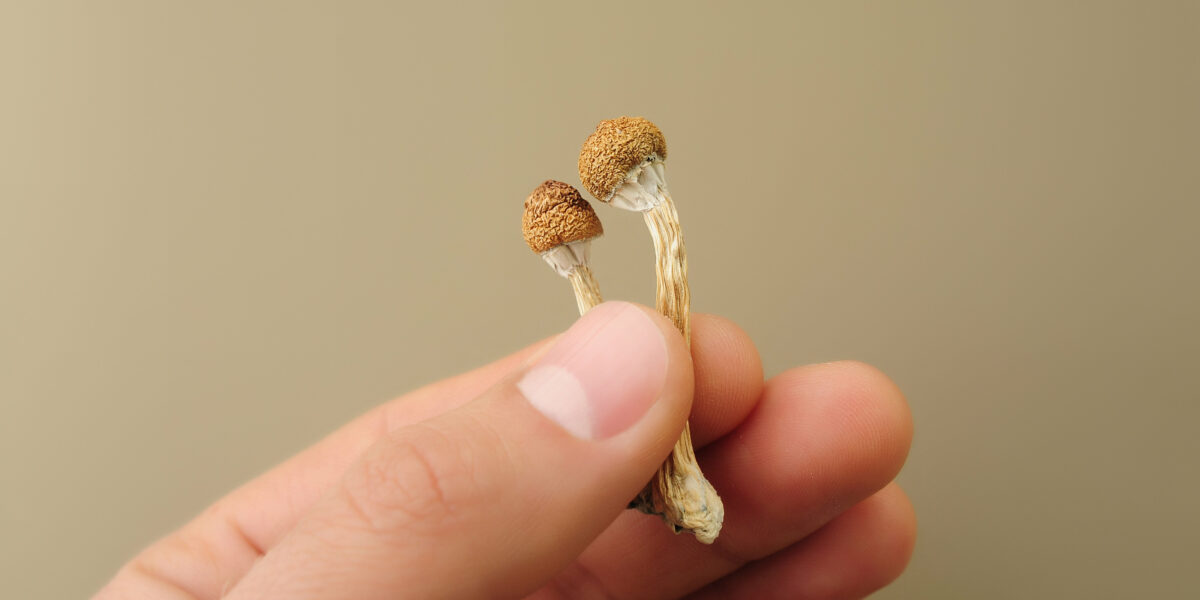
The organisation Microdose for Peace describes microdosing as the “practice of consuming small, precisely measured amounts of substances to improve mental clarity, boost creativity, stabilize mood, and enhance focus.” Often, people will utilise the benefits of psilocybin mushrooms, but they might also consume other substances such as LSD when engaging with a microdosing regimen. The idea is to take sub-perceptual or low doses of psychedelics, with the aim of enhancing mood, focus, creativity, and overall well-being without becoming intoxicated or entering into a full-blown trip. It might be a case where someone is taking in the region of something like 1/10-1/20 of a full psychedelic dose, starting low and then potentially adjusting if need be. Engaging with a microdosing protocol can allow individuals to track their progress and notice any subtle changes in things like mood, energy, or creativity.
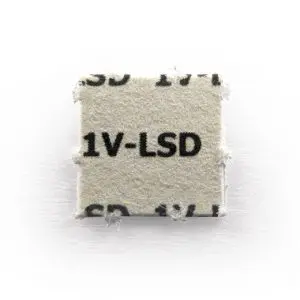
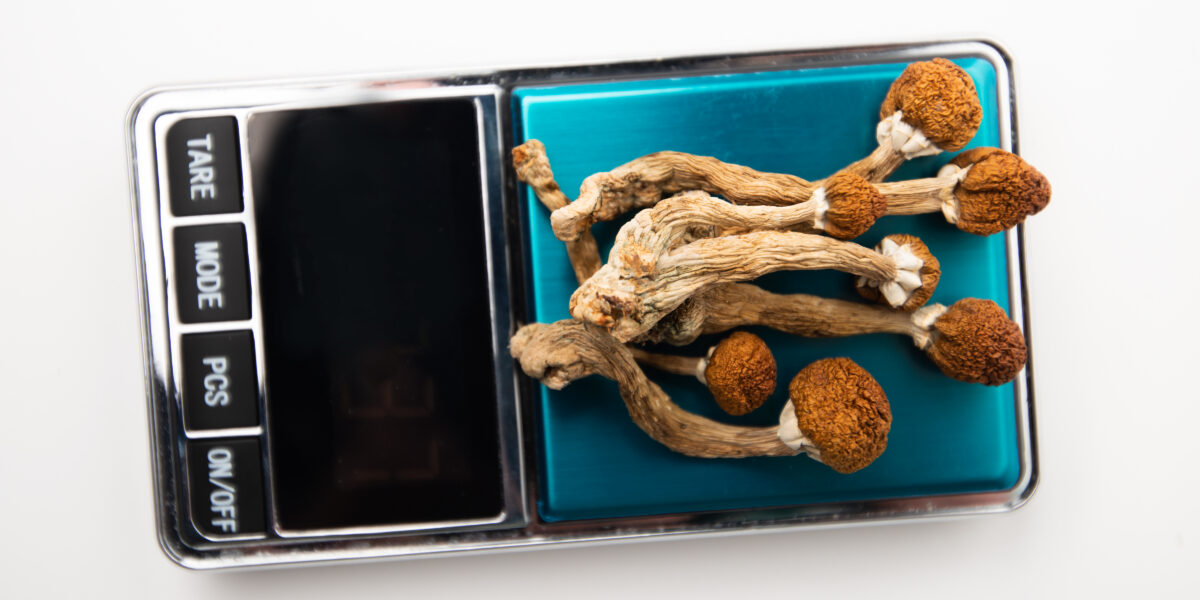
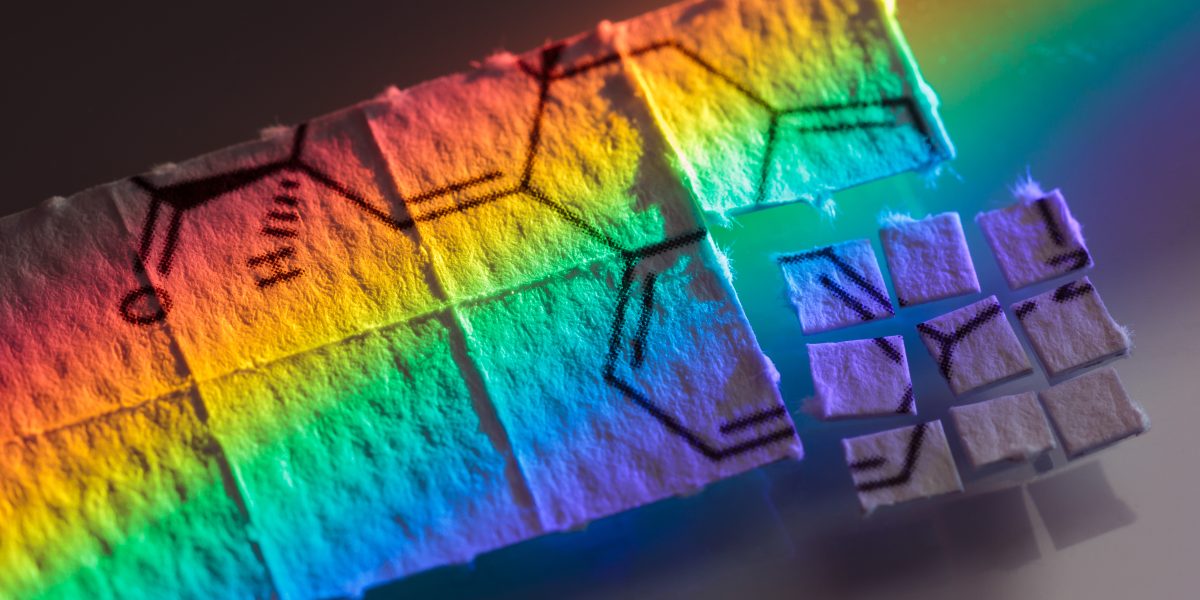
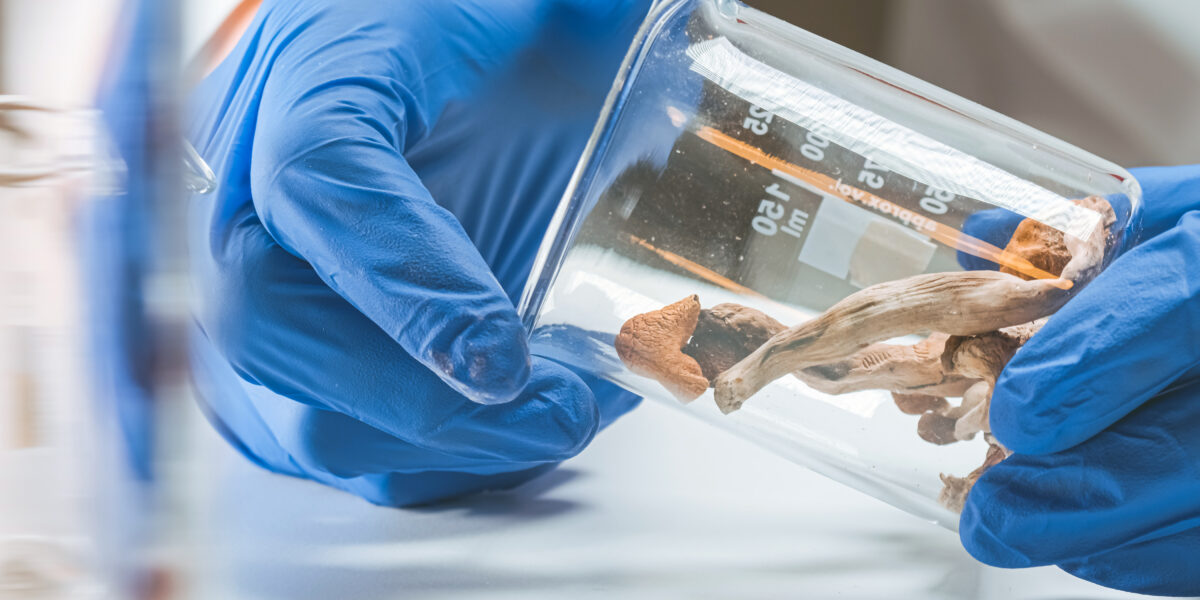
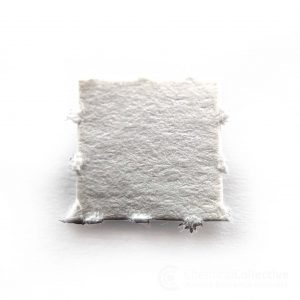
The most widely used substances for microdosing protocols are psilocybin mushrooms and LSD, which seem to have a positive effect on mood and creativity, as well as being practically useful for microdosing, given that someone might be able to weigh out a very small dose of mushrooms, or dilute some liquid LSD in a spray bottle where they can reliably dose with very small amounts (I myself have often just cut up acid tabs into very small amounts with very positive results, but this isn’t exactly a particularly accurate way of dosing, given that the liquid probably doesn’t evenly spread out once it’s dropped onto the blotter paper).
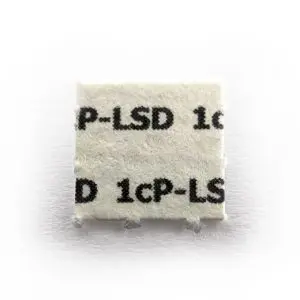
I personally find LSD to be more effective than mushrooms for helping with creativity, and I particularly enjoy it before playing live music, where I can utilise the effect of small doses to engage with the music and my bandmates in a state of flow, as well as being completely socially at ease with everyone around me. I’ve been consuming LSD in this intentional way, but it’s still fun and might be considered to be recreational use, despite the doses being so low. There’s more of a grey area, given that it’s not at the level of a macrodose, which might provide more insight or potential for therapeutic exploration. I don’t work in a high-pressure corporate job, but I do often struggle with fatigue, and psychedelics can potentially help manage symptoms of long-term health conditions, so in a sense, I’ve been microdosing to help optimise my performance. But I also enjoy the experience of playing in a psychedelic rock band, and don’t feel like I should just have to utilise the benefits of microdosing to help combat stress or the pressure of working in an environment which isn’t necessarily great for me. 

Dependency: Definition and Grey Areas

Dependence in this context can be defined as the compulsive use of a substance despite negative consequences, where someone might experience withdrawal of either a physical or psychological nature once they stop. Psychedelics aren’t commonly thought of in this way, particularly as the tolerance to substances like LSD seems to rapidly increase over a number of days, meaning that it would be difficult to necessarily take these substances every day, even despite increasing the dose by a large magnitude. 

Certain protocols might be utilised (whether that be one day on, one day off, or one day on, two days off, for example) to fit in with our specific routines, and this might also limit the potential for the rapid rise in tolerance and allow us to pursue a microdosing protocol long-term. It doesn’t seem like there’s the kind of withdrawal people might have when stopping other substances, but is there something of a behavioural dependency when it comes to microdosing? 

I was working on a stall at a cannabis expo a couple of years ago, which had kind of festival vibes and a camping area where I was sleeping. Due to this, I wasn’t exactly getting the best night’s sleep, but I had to be awake to set up the stall every morning by 9:30 at an expo that had around 5,000 people over the space of a weekend, which meant I was having lots of conversations and needed to feel energised. I don’t drink coffee anymore and generally don’t get on well with any kind of stimulants, but I was really finding a lot of benefit from taking small doses of LSD with my breakfast in the morning and heading over to the expo centre. I felt super focused and really enjoyed all the interactions I was having – it was like I was aware of the potential for the conversation to be exciting, and even if it was just mundane, I was happy to have interacted with another soul. I really appreciated the energy it gave me, while also feeling like the most chilled out person in the room, who could read between the lines of conversation and make people laugh (I often find I’m one of the funnier people in the room when I’ve been microdosing LSD).

This way of being is particularly alluring, however: to be one of the funniest and most chilled out people in the room is a pretty good thing, and as someone who’s dealt with social anxiety as a teenager, I’m very aware of the power of psychedelics in putting me at ease in social situations. But I wonder if it’s something that has become too enticing, where I much prefer the version of myself while I’m in these low-dose experiences. Is that a bad thing if you have a regular supply and there’s no potential for any real side effects? Maybe not, and I don’t think there’s any shame in relying on plants or fungi to help you navigate a confusing and stressful world. Perhaps we still have puritanical ideas hanging on that make us think we should achieve everything ourselves, rather than being aided by the natural world with all its various intoxicants. 

Our increasingly digitalised world has brought up some debate regarding how this impacts our attention span, and microdosing with psychedelics might provide an opportunity to step away from things like our smartphones or computer screens. Microdosing protocols can be incorporated into an experience with nature, where we might find a spot to just sit and be, with all the different senses coming into play when we just stop and pay attention to the natural world. This kind of connection is undeniably important, but it’s not always easy when we have growing urban environments and dominant worldviews that don’t necessarily prioritise this kind of experience with the natural world. Where someone might feel disconnected from nature, microdosing might help to counter this and provide positive experiences, allowing for a greater understanding and perhaps resulting in some action that creates some positive change.

Microdosing Routines and Identity

While doing some research for this article I came across an independently published book titled Biohacking 2.0: Experiment with microdosing to unleash energy, creativity and youth: The Complete Guide to the Techniques Elon Musk and Visionaries Use to Overcome Human Boundaries by Evan Sterling, which I couldn’t actually believe was the title of a book. It was published in February of this year, and starts off with “To those who have the courage to dream and evolve every day. To all those who are not content, but aspire to live to their fullest potential. This dedication is for you, who choose the best every single day.” From reading a short sample, it seems to encapsulate the sphere of self-optimisation that we’re seeing these days, where all the latest bio-hacking trends are being spoken about, all the way from things like microdosing, to cold plunges, intermittent fasting, changing our diet, or supplementing with a wide variety of different plants and fungi. 

The opening to this book sounds quite positive, but it might be creating a culture of reliance, where individuals are taking advice from wealthy celebrities who have seemingly unlimited resources to be able to engage with all the different things they need to do in order to biohack their way out of the human limitations holding them back. The world is undeniably stressful and more demanding, and most people feel totally powerless to change it, and some might be so compromised that the most they can do is microdose so they don’t feel too bad about contributing to a problematic system. Given the way in which the world is going, there’s probably greater potential for dependency when it comes to microdosing, as more people will undoubtedly look for ways to counteract environments that probably aren’t serving us so well. 

What Are People Saying About Microdosing and Dependency?

On the r/microdosing subreddit two years ago, Redditor “hero002” posted, “I read about microdosing and how it changes everybody’s lives, but nobody talks about how it’s just drug taking. I mean if I take 0.1 shrooms everyday, wouldn’t I get addicted to it like every other substance when I abuse it everyday?” to which “PenelopeHawthorn” replied, “Microdosers aren’t any different to patients using pharmaceutical mood regulators aside from the removal of establishment. And I wouldn’t call them patients, rather students. And many microdosers take long breaks or even retire from their use due to repaired, enlivened and restored neural pathways”.

What Does the Research Say?

There isn’t necessarily much research in the way of looking at the issue of microdosing and dependency, although it seems like the effect that certain substances have on our mood would certainly raise the potential for it. There’s some suggestion that many of the positive changes people experience while microdosing could be attributed to the placebo effect, and this might have more of a role to play given the regularity of microdosing protocols. 

Overwhelmingly, it seems that psychedelics are actually being used to treat issues of drug dependency, rather than having the potential for dependency themselves, and we’re not really seeing any of the same kinds of issues when it comes to regular consumption of psychedelics in small doses. The idea of this being a subtle form of dependency can be thought about in a judgemental way, but it’s really about understanding people’s relationships with these substances, and why someone might want to build a microdosing protocol into their daily lives, rather than having a few big trips a year for example and then integrating those experiences.

Where’s the Line Between Integration and Dependency?

This is a tricky question and not one that I’m sure there’s a real answer to. How do we know when concepts of enhancing or biohacking turn into ‘needing’ something every day? If we’re incorporating microdosing into a daily routine with intention, is this a positive thing compared to just regular recreational level dosing without necessarily too much thought? We might consider it alongside other wellness practices, such as yoga, qi gong, meditation, or breathwork, as well as forming part of a functional supplement routine where we combine something like psilocybin mushrooms, for example, as part of a stack with other fungi. 

There might be a thin line between routine, ritual, and dependency, and it’s important to recognise how intentional the use of these substances is. That’s not to say people shouldn’t be allowed to enjoy the benefits of small doses in a recreational sense, but perhaps this idea of ‘recreational’ use of psychedelics isn’t particularly helpful, as people can often gain insights from their experiences without necessarily being so intentional. 

The Importance of Self-Inquiry

I like the idea of a protocol that incorporates one day on, and two days off, as I personally find this allows for one day of experience, one day of reflection, and then another day to allow for a drop in tolerance and more time to integrate the experience. Self-inquiry and care are both important when starting a microdosing protocol, and it’s a good idea to take regular breaks and integrate the experience outside of just the self. 

Sometimes I worry that the microdosing trend has made us all quite insular when it comes to functioning better in society, and perhaps things like social media have turned maintenance into trends that focus entirely on what the individual can do to ‘better’ themselves. This might prevent us from thinking about the wider health of our communities and society in general, where we might be able to create new systems to potentially reduce the increasing demands, stress, or unease which is causing us to microdose in the first place. I’d love to see more conversation about how microdosing can optimise society and develop innovative ways of collaborating, so that potentially we might create a whole world that is more at ease with everything that’s going on.

Oli Genn-Bash | Community Blogger at Chemical Collective | linktr.ee/oligennbash

Oli is one of our community bloggers here at Chemical Collective. If you’re interested in joining our blogging team and getting paid to write about subjects you’re passionate about, please reach out to Sam via email at samwoolfe@gmail.com

share your toughts

Join the Conversation.

0 Comments
Inline Feedbacks
View all comments

Related articles

Our Products

Related Products

1V-LSD 150mcg Blotters
1V-LSD 150mcg Blotters From 22.00
(143)
1cP-LSD 100mcg Blotters
1cP-LSD 100mcg Blotters From 18.00
(137)
Tryptamine Mix and Match Pack (4 x 0.1g)
Tryptamine Mix and Match Pack (4 x 0.1g) 65.00
(1)
1V-LSD 10mcg Micro Pellets
1V-LSD 10mcg Micro Pellets From 15.00
(43)
2-FDCK HCL
2-FDCK HCL From 12.00
(82)
1V-LSD 225mcg Art Design Blotters
1V-LSD 225mcg Art Design Blotters From 35.00
(62)
1S-LSD 150mcg Blotters
1S-LSD 150mcg Blotters From 29.00
(16)
1cP-LSD 150mcg Art Design Blotters
1cP-LSD 150mcg Art Design Blotters From 25.00
(74)
1V-LSD 225mcg Pellets
1V-LSD 225mcg Pellets From 35.00
(26)
1D-LSD 225mcg Pellets (1T-LSD)

SALE! -15%

1D-LSD 225mcg Pellets (1T-LSD) From Original price was: €42.00.Current price is: €35.70.
(13)
1cP-LSD 10mcg Micro Pellets
1cP-LSD 10mcg Micro Pellets From 15.00
(23)
5-MeO-DMT Freebase
5-MeO-DMT Freebase From 23.95
(36)
O-PCE HCL
O-PCE HCL From 17.50
(25)
1cP-LSD 20mcg Micro Blotters
1cP-LSD 20mcg Micro Blotters From 18.00
(27)
4-HO-MET Fumarate
4-HO-MET Fumarate From 19.50
(26)
rewards-icon
popup-logo

Reward program

popup-close
  • Earn
  • Affiliates