Welcome to
Chemical Collective

Are you 18 or older?

Please confirm that your are 18 years of age or older.

You are not allowed to access the page.

info-icon €100 for domestic (NL, CZ, DE) €125 for the rest of the EU, excluding stealth shipping

Free shipping over €50 & free tracked shipping over €100

Friendly customer service available 9-5pm Monday to Friday

Free shipping over €50 & free tracked shipping over €100

Friendly customer service available 9-5pm Monday to Friday

Your cart is empty

Psychedelic Ethics: Addressing the Issue of Non-Consensual Dosing

samuel-douglas

By Samuel Douglas

shutterstock 1535278277
in this article
  • What is Non-Consensual Dosing?
  • What are the Impacts of Non-Consensual Dosing?
  • The Ethics of Psychedelic Consent
  • The Legality of Drink Spiking
  • Is Involuntary Dosing Always Wrong?
  • MKUltra-Unethical
  • What to Do if I’m Dosed with a Psychedelic Without My Consent?
  • Don’t Alter the Consciousness of Thy Fellow Human
samuel-douglas

By Samuel Douglas

Disclaimer: The views and opinions expressed in this article are those of the authors and do not necessarily reflect the official policy or position of the Chemical Collective or any associated parties.

Warning: This article contains discussions of self-harm.

Choosing to use psychedelics is usually considered to be a deeply personal decision; a celebration of our freedom to choose how we experience the universe and ourselves. This normally means we make informed decisions, so we can give informed consent.

Even Timothy Leary, flawed as he was, recognised the importance of psychedelic use being a free choice, writing: “Thou shalt not alter the consciousness of thy fellow man.”

And yet, some people choose to dose others with psychedelics in the absence of their consent. This article explores the ethics, impact, and history of non-consensual psychedelic dosing, as well as offering some tips on what to do if this happens to you.

What is Non-Consensual Dosing?

Non-consensual dosing with psychedelics typically involves the act of getting someone to take a psychedelic without their knowledge. This can be via ‘spiking’ drinks, food, or vapes. This is mostly what I’ll be discussing below. But it’s important to understand that this isn’t the only way someone can be dosed without their consent.  

Other forms of non-consensual dosing include:

  • Ceremony facilitators not properly disclosing medicine ingredients that can radically change the nature of the experience, such as tropane-bearing admixtures like toé (Brugmansia suaveolens) or Iochroma fuchsioides (guatillo).
  • Deliberately misrepresenting the nature of recreational drugs supplied to another person. E.g., they think they’re getting MDMA, but someone deliberately gives them ketamine.

Even encouraging someone to re-dose or take additional psychedelics can be questionable in terms of consent, especially if they are inexperienced or too high or drunk to understand what they’re saying yes to.

What are the Impacts of Non-Consensual Dosing?

The impacts of nonconsensual dosing are not well quantified by research, as many people don’t report it to police, and government health statistics don’t always collect specific enough data. But from what we know about psychedelics and psychology more generally, as well as documented experiences, we can infer the potential impacts.

Any experience, even hallucinatory, where someone feels terror and that their life is in danger, will result in trauma that can easily develop into PTSD. We know that it’s possible to develop PTSD following psychedelic experiences where the person knew what they were taking. If this were to happen to someone unexpectedly, it’s totally plausible that it could result in serious ongoing psychological difficulties.

Most countries only collect statistics on drink-spiking in general, so we don’t have detailed data on what happens to people non-consensually dosed with psychedelics. But we do know that drink-spiking overall is associated with crime, with an estimated one-third of drink-spiking incidents in Australia associated with sexual attacks. While most of the cases involve alcohol or GHB, we know that tripping can increase both physical and psychological vulnerability. So, the potential for harm is increased when someone has an unexpected psychedelic experience.

While most people in psychedelic states don’t harm themselves, it isn’t unheard of, especially when they’ve been dosed without permission. While we don’t know the true number of cases of people attempting to carry out self-harm after having drinks spiked, there are many well-known historical incidents. These include Cynthia Lennon (John Lennon’s wife), Geezer Butler of Black Sabbath, TV presenter Ben Fogle, and Dr Frank Olson.

The Ethics of Psychedelic Consent

Even if we put potential physical and psychological harms to one side, non-consensual dosing with psychedelics is profoundly unethical. The core ethical issues with any form of non-consensual dosing are informed consent, autonomy, and cognitive liberty.

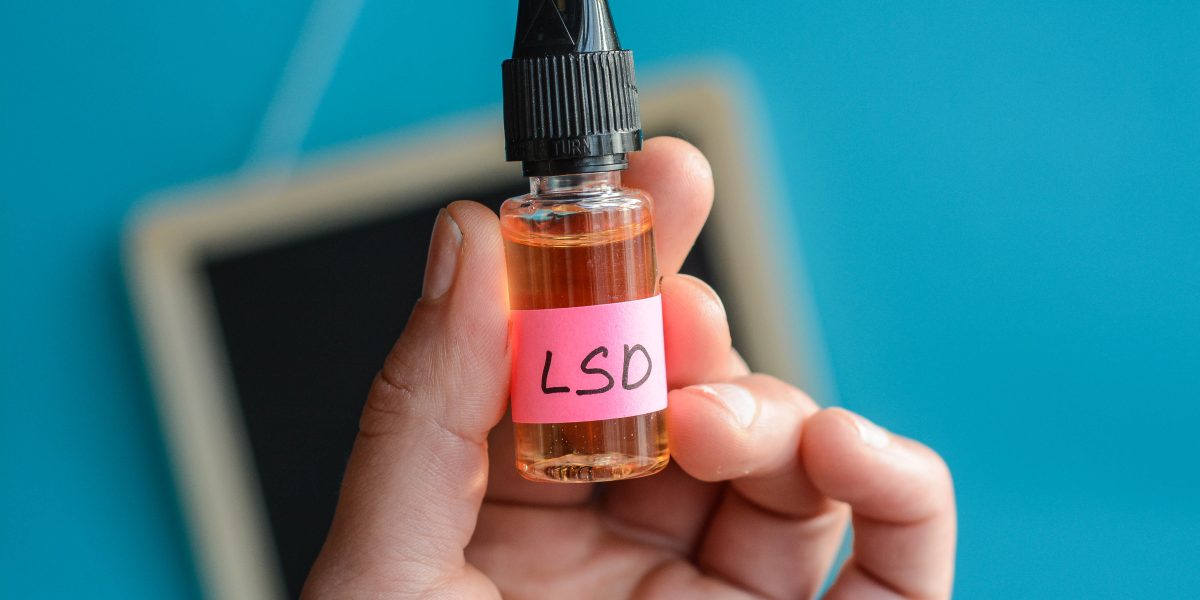
Informed consent is the idea that we can only meaningfully agree to something if we know what we’re agreeing to. Obviously, if someone has covertly slipped a drop of liquid LSD into your drink, or didn’t tell you that the mushrooms on that pizza you just ate four slices of were Psilocybe subaeruginosa they foraged that morning, you can’t freely agree to the trip that’s coming your way.

If you don’t give informed consent, you don’t really consent at all. When someone makes you do something without you agreeing to it, this violates your autonomy. Our autonomy is the ability to be our own person, living our life in line with our own thoughts and motivations rather than manipulation or coercion. It should be obvious, but autonomy is important. For philosophers like Immanuel Kant, it’s the most important thing about being human.

Finally, there’s cognitive liberty. This is the idea, coined by Wrye Sententia and Richard Glen Boire, that individuals have the right to decide what happens to their ‘mental processes, cognition, and consciousness.’ It’s not just the freedom of what you think, but the freedom of how you think. This principle holds that people shouldn’t be compelled against their will to use consciousness-altering technologies or take psychoactive drugs, but that they have the right to choose to do so, if this doesn’t lead to them harming others. This principle, while not recognised by the UN as a human right, is a core idea in drug-law reform movements, particularly in the US. Non-consensual dosing with psychedelics unambiguously violates this right.

The Legality of Drink Spiking

Even though I’m focusing mostly on ethics, it’s worth noting that dosing someone without their consent will be illegal pretty much everywhere, in ways that go beyond possession and use of prohibited substances.  

For example, in the UK, dosing someone with alcohol or any prescription or illegal drug without their consent is an offense separate from possession and trafficking of illegal substances. Depending on the severity of harm and which law a perpetrator is prosecuted under, they could face from 6 months to 10 years imprisonment.

Is Involuntary Dosing Always Wrong?

Like a lot of ethical issues, there are sometimes exceptions to seemingly straightforward rules. We can say it’s wrong to ever give someone a psychoactive substance without their consent. But there are situations where, arguably, it’s better to dose in the absence of clear consent.

The most applicable parallel for psychedelics is involuntary psychiatric treatment, which can include medications that affect consciousness, such as antipsychotics or tranquilizers.

Safeguards for involuntary psychiatric treatment vary by country, but it is generally only supposed to be used when there are serious risks to patient or public health, and there are no other options. Even then, patient advocacy groups question the rules around involuntary treatment and how they’re applied. The bottom line is that there is widespread agreement that patient autonomy shouldn’t be violated without overwhelmingly good reasons.

MKUltra-Unethical

The overlap between psychiatry and non-consensual dosing has its own history in psychedelics. Many of the experiments that were run under the MKUltra banner involved giving research subjects LSD without their knowledge or consent. A sub-project, Operation Midnight Climax, was particularly egregious, with CIA agents allegedly dosing people in restaurants, bars, and on beaches. While most of the details of these operations were destroyed to avoid congressional scrutiny, there are isolated hints of how dangerous and destructive this practice was. The most tragic example of this was Dr Frank Olson, himself a CIA employee, who was dosed without his knowledge by Sidney Gottlieb, sank into depression, and apparently threw himself out of a hotel window a week later (though questions on the exact circumstances remain).

What to Do if I’m Dosed with a Psychedelic Without My Consent?

If you find your consciousness or bodily sensations rapidly changing in unexpected ways that aren’t consistent with what you’ve been doing (e.g., drinking a modest amount of alcohol, smoking a joint, or dancing), you first moves should be to stay as calm as possible and seek assistance, preferably from or with a trusted friend to stay with you throughout the whole process.

At festivals, first aid services or harm reduction services will be your best bet, as this is a problem they have experience with. They can help you through the experience and will get further medical assistance if that’s necessary, though hopefully it won’t be.

At clubs or other licensed venues, security or bar staff will generally call for medical assistance if you need it. At a minimum, they can help you contact someone for you or arrange transport home.

At non-licensed venues or events such as raves, there may not be official security or first aid services. But there will likely be a chill-out area or tent, and your chances of finding someone who can help will be highest there.

For house parties, you must mainly rely on people you know and trust to keep you safe and comfortable until the effects pass and/or you can get home or somewhere safe.

Wherever you are, if you have a friend with you, they can help talk to first aiders and security, etc., and should stay with you so you’re not left involuntarily tripping without any familiar faces around you.  

In all cases, whoever is supporting you should be prepared to call emergency services if you experience dangerous side effects such as tachycardia (severely high or irregular heartbeat), highly elevated body temperature, unconsciousness, seizures, or severe psychological distress.

There’s no point in sugar-coating it: going to the hospital in an ambulance while involuntarily tripping is probably not going to be fun. But you’re very unlikely to get in trouble. More importantly, you won’t know exactly what you were dosed with. E.g., was it LSD, which is very unlikely to physically harm you, or something like 25I-NBOMe? So, if you start having serious adverse effects, avoiding medical attention is not a risk worth taking.

After the acute effects have passed, be kind to yourself as you process the experience. What happened to you wasn’t your fault, and you didn’t deserve it. If you experienced trauma of any sort, seek professional help sooner rather than later, as that can greatly reduce your chances of ending up with longer-term psychological issues.


Don’t Alter the Consciousness of Thy Fellow Human

Dosing someone with psychedelics without their consent isn’t ‘healing’. It’s an assault that violates a person’s autonomy and cognitive liberty. The only halfway justifiable reasons to alter anyone’s consciousness without their consent are when there is no other alternative to keep people safe, and the patient isn’t in a condition to voice their agreement. And even this is so ethically complex and prone to abuse that it requires serious legal and professional oversight.
Nor is non-consensual dosing a harmless or funny prank. Depending on dose, set, and setting, it can lead to extremely serious consequences for everyone involved. The risks of assault, PTSD, and self-harm aren’t a joke, and neither are charges that could lead to years in jail for the perpetrator.

Dosing someone with a psychedelic without their knowledge and consent is deeply unethical and should always be called out.

Samuel Douglas | Community Blogger at Chemical Collective | theethicaltrip.beehiiv.com/

Samuel is one of our community bloggers here at Chemical Collective. If you’re interested in joining our blogging team and getting paid to write about subjects you’re passionate about, please reach out to Sam via email at samwoolfe@gmail.com

share your toughts

Join the Conversation.

1 Comment
Inline Feedbacks
View all comments
psydex
5 months ago

Fascinating

Related articles

Our Products

Related Products

1V-LSD 150mcg Blotters
1V-LSD 150mcg Blotters From 22.00
(143)
1cP-LSD 100mcg Blotters
1cP-LSD 100mcg Blotters From 18.00
(137)
Tryptamine Mix and Match Pack (4 x 0.1g)
Tryptamine Mix and Match Pack (4 x 0.1g) 65.00
(1)
1V-LSD 10mcg Micro Pellets
1V-LSD 10mcg Micro Pellets From 15.00
(43)
2-FDCK HCL
2-FDCK HCL From 12.00
(82)
1V-LSD 225mcg Art Design Blotters
1V-LSD 225mcg Art Design Blotters From 35.00
(62)
1S-LSD 150mcg Blotters
1S-LSD 150mcg Blotters From 29.00
(16)
1cP-LSD 150mcg Art Design Blotters
1cP-LSD 150mcg Art Design Blotters From 25.00
(74)
1V-LSD 225mcg Pellets
1V-LSD 225mcg Pellets From 35.00
(26)
1D-LSD 225mcg Pellets (1T-LSD)

SALE! -15%

1D-LSD 225mcg Pellets (1T-LSD) From Original price was: €42.00.Current price is: €35.70.
(13)
1cP-LSD 10mcg Micro Pellets
1cP-LSD 10mcg Micro Pellets From 15.00
(23)
5-MeO-DMT Freebase
5-MeO-DMT Freebase From 23.95
(36)
O-PCE HCL
O-PCE HCL From 17.50
(25)
1cP-LSD 20mcg Micro Blotters
1cP-LSD 20mcg Micro Blotters From 18.00
(27)
4-HO-MET Fumarate
4-HO-MET Fumarate From 19.50
(26)
rewards-icon
popup-logo

Reward program

popup-close
  • Earn
  • Affiliates