Welcome to
Chemical Collective

Are you 18 or older?

Please confirm that your are 18 years of age or older.

You are not allowed to access the page.

info-icon €100 for domestic (NL, CZ, DE) €125 for the rest of the EU, excluding stealth shipping

Free shipping over €50 & free tracked shipping over €100

Friendly customer service available 9-5pm Monday to Friday

Free shipping over €50 & free tracked shipping over €100

Friendly customer service available 9-5pm Monday to Friday

Your cart is empty

PSYCH NEWS – 30/06/2025

david-blackbourn

By David Blackbourn

shutterstock 1665883453
in this article
  • Synthetic Psilocybin Clears Phase 3
  • Psychedelic Medicine for Trauma-Recovery in Athletes
  • Are Neuroplastogens a Safer Alternative to Psychedelics?
  • New Zealand’s First Psychedelic Psychiatrist
  • Thailand Bans Recreational Cannabis
  • Cannabis Reclassified as Class A in the UK?
david-blackbourn

By David Blackbourn

Disclaimer: The views and opinions expressed in this article are those of the authors and do not necessarily reflect the official policy or position of Chemical Collective or any associated parties.

This week’s Psych News is full of contrasts. We have positive news on psychedelics’ continued inroads into the healthcare space, and powerful new insights into how their effects might serve to alleviate several varied conditions. We will touch on biotech’s attempts to manufacture synthetic alternatives to psychedelics, emulating their benefits and avoiding their consciousness-altering effects. Finally, we bring you two somewhat disheartening stories relating to cannabis, with Thailand’s renewed ban on recreational usage and calls in the South-West UK to upgrade its classification from a Class B to a Class A substance.

Synthetic Psilocybin Clears Phase 3

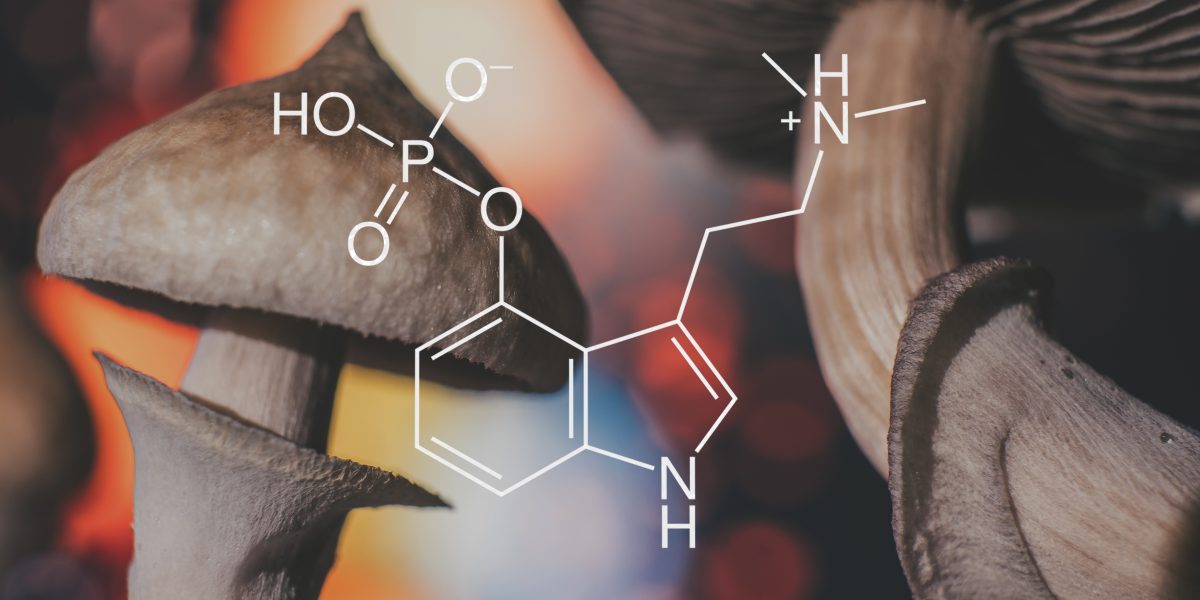
On 23/06, Biotech firm Compass Pathways detailed the results of Phase 3 trials to investigate the ability of its synthetic psilocybin alternative, COMP360, to tackle treatment-resistant depression.

The results indicate a statistically significant improvement in depressive symptoms when compared to a placebo. This marks the first ever classical psychedelic to report actual Phase 3 data, which illustrates for us just how early we still are in analysing the effects of these substances.

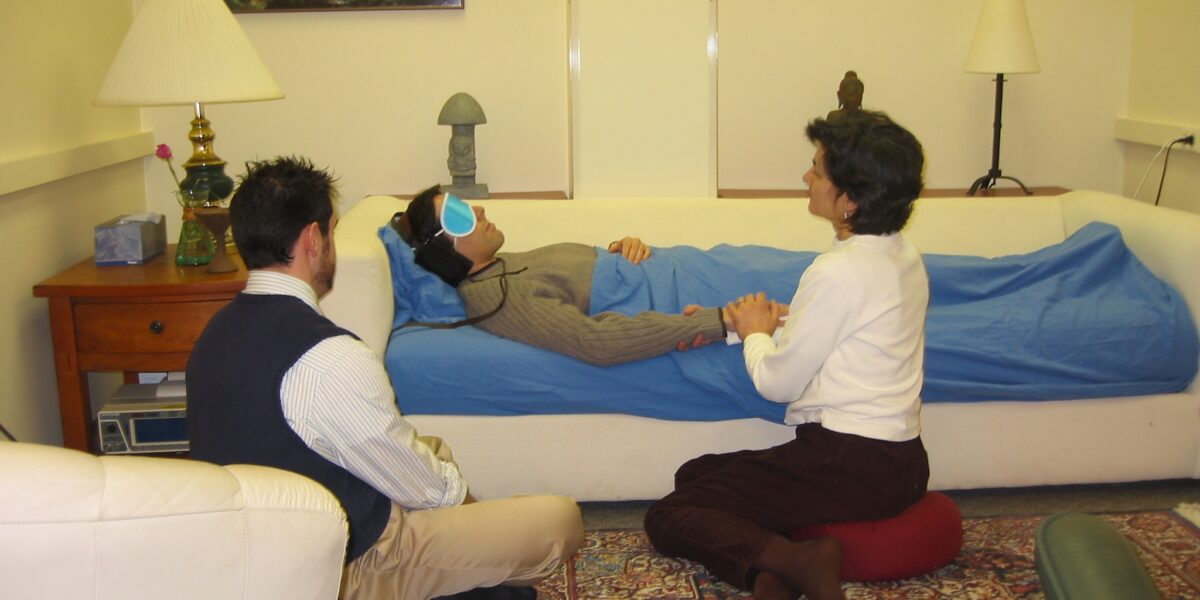
While psychedelics are increasingly understood to have powerful, beneficial effects in this context, therapy can still be a gruelling and risky process. A Data and Safety Monitoring Board found “no new or unexpected safety findings” for COMP360, increasing the confidence in the tolerability of the synthetic substance when compared to its natural alternatives.

With these promising preliminary results, attention now turns to Compass Pathways’ much larger, multi-dose COMP006 study, which is due to report in the second half of 2026. This will enrol 568 patients across North America and Europe and assess two different dosage regimens. This should allow investigators to gauge the durability of COMP360 and continued tolerability over the long term.

Psychedelic Medicine for Trauma-Recovery in Athletes

Exciting developments in the field of psychedelic medicine in the UK. On 02/07/2025, a groundbreaking conference will be held at the University of Manchester to explore findings detailing the potential role of psychedelic therapy in relieving athletes’ experiences of trauma recovery following serious injury.

The impact of serious long-term injury has profound effects on mental health, especially on individuals whose entire lives centre on fitness and athletic activity. Both clinical studies and personal accounts worldwide are finding that psychedelic-assisted therapy promotes neuroplasticity, which is the brain’s ability to change and rewire itself.

Psychedelics may assist athletes with a variety of mental challenges resulting from injury, including PTSD and chronic stress disorders. This increased neuroplasticity may also actively heal the physical changes in the brain as a result of direct brain injury, cognitive decline, early-onset dementia, etc. The important thing here is that this potential amounts to more than simply relief, but rather the resolution of these issues, something current therapies struggle with.

The event is held in conjunction with Drug Science and is arranged by Jo Neill, professor of psychopharmacology at the University of Manchester. Professor Neill explains the importance of events such as this:

In spite of all the clinical and scientific evidence (psychedelics) remain Class A, Schedule 1 drugs in the UK. The law is not evidence based…Psychedelic assisted therapy is known to reduce the emotional and physical impact…of trauma and is even starting to be used by elite athletes…where it is legal.

There will be presentations from some of the foremost experts in the field. Professor David Nutt from Imperial College London and Professor Sara Tai from the University of Manchester will discuss cutting-edge clinical data relating to psilocybin and MDMA.

Traumatic brain injury experts, and proponents of psychedelic-assisted therapy, Dr Grace Blest-Hopley and Nige Netzband, will also speak at the conference.

If you are UK-based or UK-bound in July and are interested in these exciting developments, limited tickets are still available here.


Are Neuroplastogens a Safer Alternative to Psychedelics?

Franco-Belgian start-up Elkedonia recently closed an €11 million seed round to push the development of its neuroplastogen program for depression and neurodegenerative disorders. Neuroplastogens are a novel class of compounds. They are seen as a potential non-hallucinogenic alternative to traditional psychedelics, harnessing their ability to promote neuroplasticity, without the additional risks associated with traditional psychedelics’ consciousness-altering effects.

The company’s founder, Jocelyne Caboche, uncovered the role of the protein ELK-1 in memory and its effects on neurodegenerative diseases such as Alzheimer’s. This discovery was 25 years ago; since then, the team at Elkedonia have been studying how to block the effects of the protein in key brain circuits. Caboche explains the benefits of this therapeutic route:

Academic research, upon which Elkedonia was founded, suggests that Elk1 inhibition is a therapeutic lever in depression, with rapid efficacy, and devoid of sedation, dependence, hallucinations, or other side effects commonly associated with existing antidepressant treatments.

The perceived success of these long-term studies has resulted in the emergence of multiple start-ups competing in this space, with companies such as Transneural Therapeutics’ neuroplastogen, TN-001, which also hopes to tackle treatment-resistant depression and PTSD, via alternate means. TN-001 is a dual 5-HT2A partial agonist/5-HT2B antagonist, promoting rapid, antidepressant-associated neuroplasticity without affecting visual and auditory perception.

The properties of neuroplastogens give them the potential to be dosed safely by individuals themselves, without clinical supervision, which would hugely improve patient access within the existing framework in which drugs are prescribed.

New Zealand’s First Psychedelic Psychiatrist

In another first for the continuing, worldwide, psychedelic renaissance, the New Zealand government has approved Dr Cameron Lacey, a clinical psychiatrist, to prescribe psilocybin for the use in the treatment of depression. This will be the first time psilocybin has been prescribed outside of a research setting.

Dr Lacey has been chosen due to his experience safely administering the substance during a number of successful clinical trials. Dr Lacey began investigating psilocybin in 2021 as an alternative for patients not responding to traditional antidepressant medications. Dr Lacey’s research was partially inspired by the holistic approach to health of the Māori, the Indigenous people of New Zealand. The Māori have used certain psychedelic mushrooms to trigger altered states during traditional rituals and ceremonies and even to heal mental disorders.

Dr Lacey’s work may well be the start of a shift in public opinion and corresponding alteration of policy. In its public statement, the New Zealand government confirmed that Professor Lacey “can prescribe, supply and administer medicinal psilocybin to any patient they have assessed and diagnosed with treatment-resistant depression.”

While treatment will of course be strictly controlled, and thus far they may have only approved a single prescriber, New Zealand’s Ministry of Health stated that “there is work underway to make it easier for more healthcare practitioners to take on this work.”

It appears New Zealand is moving towards a similar model to that of Australia. Since July 2023, psychiatrists have been able to prescribe MDMA and psilocybin for the treatment of PTSD and depression. The Deputy Prime Minister of New Zealand stated the decision to permit Dr Lacey’s work brings the country “in line with Australia.”

Thailand Bans Recreational Cannabis

Just three years after the country’s legalisation of recreational cannabis usage, Public Health Minister Somsak Thepsuthin has signed an announcement to roll it back. Under the incoming regulations, those seeking the drug will have to provide a valid prescription and medical certificate. Cannabis is approved in the treatment of a wide variety of disorders, such as nausea as a result of chemotherapy and drug-resistant epilepsy. Dispensaries will be required to have a licensed, on-site physician to approve all sales.
Thailand first legalised cannabis for medical use in 2018, and full decriminalisation followed in 2022. This quickly created a booming industry of dispensaries, cafés, and festivals. The government intended to regulate the industry but failed to do so adequately, creating a legal vacuum and widespread confusion. The focus solely on tourism and profit is what has resulted in the renewed efforts to ban the substance. The new conservative government and a series of alleged smuggling cases involving UK tourists are the main driving forces. Somsak explains:

We want to tell tourists they are welcome to enjoy Thailand’s culture and nature — but Thailand should not be seen as a destination for recreational cannabis use.

The new regulations are just a first step, and not set in stone, but Somsak adds:

Without legal control, investment or business operations — no matter the country — must be cautious. If the investment is related to narcotics or controlled substances, there must be clear laws.

Cannabis Reclassified as Class A in the UK?

The Police and Crime Commissioner for Wiltshire, Philip Wilkinson, has publicly backed calls to raise cannabis from a Class B to a Class A drug. 

Wilkinson said he has seen “first-hand” cannabis’s role in funding and facilitating criminal elements across the country. He describes cannabis as “deeply intertwined with a spectrum of criminal activities” in his county, adding:

From anti-social behaviour and retail theft to more serious offences like modern slavery and human trafficking, cannabis often serves as a gateway drug and funding source for organised crime groups.

To be clear, it could of course be argued (and honestly, I would be a proponent of this) that the sole reason cannabis is so “intertwined” with criminality is purely due to its illegality. The Home Office has said it will not be considering reclassifying the drug, but it will:

continue to work with partners across health, policing and wider public services to drive down drug use, ensure more people receive timely treatment and support, and make our streets and communities safer.

David Blackbourn | Community Blogger at Chemical Collective

David is one of our community bloggers here at Chemical Collective. If you’re interested in joining our blogging team and getting paid to write about subjects you’re passionate about, please reach out to Sam via email at samwoolfe@gmail.com

share your toughts

Join the Conversation.

0 Comments
Inline Feedbacks
View all comments

Related articles

Our Products

Related Products

1V-LSD 150mcg Blotters
1V-LSD 150mcg Blotters From 22.00
(143)
1cP-LSD 100mcg Blotters
1cP-LSD 100mcg Blotters From 18.00
(137)
Tryptamine Mix and Match Pack (4 x 0.1g)
Tryptamine Mix and Match Pack (4 x 0.1g) 65.00
(1)
1V-LSD 10mcg Micro Pellets
1V-LSD 10mcg Micro Pellets From 15.00
(43)
2-FDCK HCL
2-FDCK HCL From 12.00
(82)
1V-LSD 225mcg Art Design Blotters
1V-LSD 225mcg Art Design Blotters From 35.00
(62)
1S-LSD 150mcg Blotters
1S-LSD 150mcg Blotters From 29.00
(16)
1cP-LSD 150mcg Art Design Blotters
1cP-LSD 150mcg Art Design Blotters From 25.00
(74)
1V-LSD 225mcg Pellets
1V-LSD 225mcg Pellets From 35.00
(26)
1D-LSD 225mcg Pellets (1T-LSD)

SALE! -15%

1D-LSD 225mcg Pellets (1T-LSD) From Original price was: €42.00.Current price is: €35.70.
(13)
1cP-LSD 10mcg Micro Pellets
1cP-LSD 10mcg Micro Pellets From 15.00
(23)
5-MeO-DMT Freebase
5-MeO-DMT Freebase From 23.95
(36)
O-PCE HCL
O-PCE HCL From 17.50
(25)
1cP-LSD 20mcg Micro Blotters
1cP-LSD 20mcg Micro Blotters From 18.00
(27)
4-HO-MET Fumarate
4-HO-MET Fumarate From 19.50
(26)
rewards-icon
popup-logo

Reward program

popup-close
  • Earn
  • Affiliates