It’s often assumed that all or most of the dangers associated with using psychedelics therapeutically come down to using them in an unregulated, unprofessional context. This could mean using them on one’s own, with strangers, with untrustworthy or inexperienced people, or in underground psychedelic therapy or retreats. Nevertheless, risks remain when taking psychedelics at legal and regulated psychedelic clinics and retreats. The fact that clinics and retreats have to meet certain regulatory requirements doesn’t mean that adverse effects can’t occur. Even at the most renowned, professional, and expensive clinic or retreat, it’s still possible for someone to come away from the experience feeling destabilised and without support.
There are many ways in which the psychedelic industry lacks safeguards for participants. Some of them we have touched on already. Let’s delve a bit deeper into them.
Insufficient Integration Sessions
Many participants describe how there was a lack of adequate integration support after their experiences. Paul Sinclair reflects on this in the context of his own retreat experience:
Though beautifully orchestrated, the ceremonies felt more like a conveyor belt operation than a personalised healing experience. The facilitators, though well-meaning, were spread thin, managing a large group without being able to provide the individual attention and support that such a profound experience demands. The physical environment was serene but did little to compensate for the lack of genuine, personalised care.
What followed was an overwhelming onslaught of emotions and memories and a 6-hour somatic release of extensive childhood and military trauma that I wasn’t prepared to face. Issues I had buried deep within myself surfaced with a force that left me reeling. The ceremonies opened doors to the deepest parts of my mind, body, and spirit, but these insights became so heavy that I could not carry them on my own, and they broke me.
After the retreat with two ceremonies, I was largely left to my own devices. The integration support was minimal and generic—one short call with one of the facilitators was all. Then, I was thrown into a WhatsApp group with other vulnerable people trying desperately to make sense of their psychedelic experiences. I found myself grappling with intense emotions and unresolved issues without the necessary guidance to process them. The lack of structured follow-up sessions, emotional and spiritual support, and practical coaching left me stranded and unable to cope.
My wife, who tried her best to support me, was unprepared and overwhelmed by the intensity of what I was experiencing. The strain on our relationship was immense, and without a solid support system, I relapsed into old, destructive patterns, worse off than before.
No Guidance on Where to Turn for Support
If participants are struggling after a psychedelic treatment or retreat, they may not be able to find any information from the clinic or retreat on where to find ongoing support. They might be given some general recommendations about trying psychotherapy or finding an integration group, but receive no specific information on how to find these forms of support. Essentially, for some participants, once the treatment or retreat is over, they find themselves in the situation Paul Sinclair was in: they were part of a conveyor belt operation, and once the program comes to a close, they are left to figure things out on their own.
A Lack of a Proper Complaints Procedure
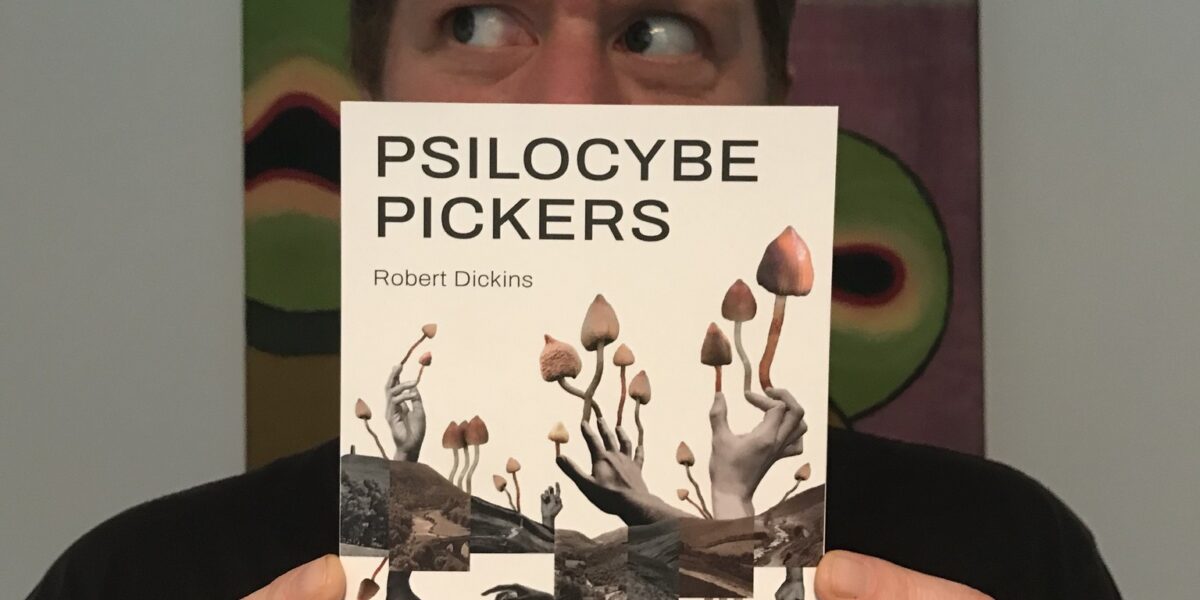
Often, if a participant isn’t happy with how a psychedelic treatment or retreat experience turned out, their only option is to leave a negative review. Ideally, a clinic or retreat will have a mediation of complaints procedure in place, so that participants who feel distressed or mistreated have the ability to get the issue resolved. At worst, a clinic or retreat doesn’t take participants’ complaints seriously at all and instead shifts the blame onto them. This is particularly concerning when a participant suffers abuse at the hands of a psychedelic therapist, facilitator, or shaman. In his 2022 book The Psychedelic Handbook, Rick Strassman addresses this issue in a section on “unscrupulous practitioners”:
Whether in group or individual settings, some who administer psychedelic drugs do not have the best interest of their charges in mind. They may manipulate, abuse, or otherwise take advantage of someone in a psychedelically induced, vulnerable and suggestible state […] One factor making it so hard to sound the alarm is the charisma of the perpetrators, their standing in the psychedelic community—spiritual, academic, or therapeutic—and the gaslighting and blame projecting that they often invoke as their first line of defence. ’It’s nothing, you’re overreacting.’ ’You’re imagining it.’ ’It must be some problem you have.’ ‘They seduced me.’ ‘I was only doing it for their benefit.’ And so on. We are now witnessing a welcome frankness of discussions of this phenomenon.
Other forms of victim blaming and gaslighting can take the form of statements like ‘You need to integrate’, ‘You need to do shadow work’, or ‘This is all part of the healing process’. One of the major gaps in providing sufficient participant support, then, is related to participant suffering being dismissed, ignored, contradicted, minimised, or trivialised. For the sake of saving face and protecting the reputation of their business, some psychedelic practitioners will deny any lack of ethical oversight.














































share your toughts
Join the Conversation.
Interesting