Mental Health
Researchers highlight that variations in sex hormones are also linked with mental health conditions such as postpartum depression and premenstrual dysphoric disorder (PMDD).
This means that women respond differently to a variety of psychiatric medications.
For example, studies suggest that due to these hormonal fluctuations, women respond more effectively to serotonin reuptake inhibitors (SSRIs) as well as monoamine oxidase (MAO) inhibitors and fast-acting antidepressants such as ketamine, while men respond better to tricyclic antidepressants (TCAs).
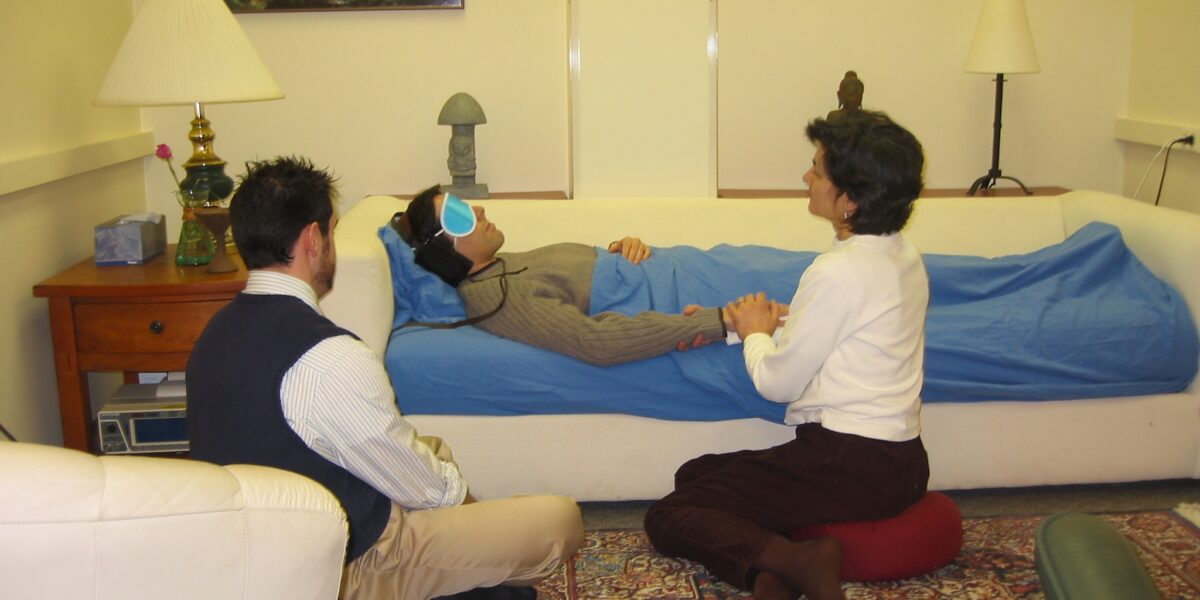
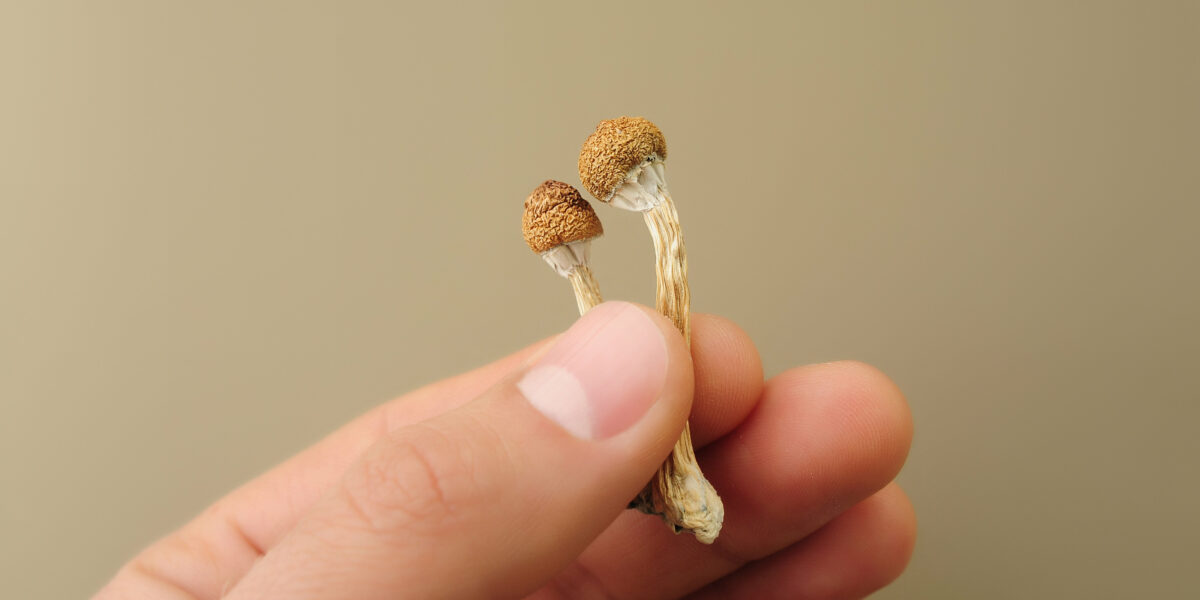
Psychedelics have been showing positive results for treating mental health conditions such as treatment-resistant depression, post-traumatic stress disorder (PTSD), and anxiety.
While there is no research looking at psychedelics specifically for women’s mental health, researchers suggest that their unique effects could offer an innovative option for females, who are more disposed to psychiatric conditions due to these hormonal differences.
Clinical trials are also being carried out on mental health conditions that predominantly affect females, such as eating disorders like anorexia nervosa, premenstrual dysphoric disorder (PMDD), and postpartum depression – conditions that have limited treatment options.
Cancer
Psychedelics are being investigated for use in palliative care, potentially helping people with terminal diagnoses with end-of-life distress and anxiety.
For example, in a recent Phase 2 trial, 50% of participants with cancer and a diagnosis of major depressive disorder showed a reduction in depressive symptoms for up to two years following administration of psilocybin.
Further research has shown promise for end-of life distress, for example: one study found an improvement in end-of-life anxiety symptoms, and further research has shown that psychedelics may help change attitudes towards death, with participants showing reduced fear of death and “high ratings of positive persisting effects and personal meaning, spiritual significance, and psychological insight”.
In a commentary published in the International Journal of Gynecological Cancer, researchers have called for further research exploring the potential of psilocybin for ovarian and other gynecologic cancers. The authors write:
Women with gynecologic cancers face various physical and psychological challenges throughout their treatment journey. Late stages associated with poor prognosis, along with chronic side effects of treatment, often leave women with existential uncertainty stemming from unpredictable disease trajectory and continuous fear of death…
Psychedelics, specifically psilocybin, have shown promise in treating various psychological symptoms including anxiety, depression, post-traumatic stress disorder, and end-of-life distress. Although a study focusing on gynecologic cancers has not yet been completed, the studies with mixed cancer diagnosis are encouraging.
Sexual Dysfunction
Research has shown that around 41% of women experience sexual dysfunction compared to 31% of men.
Furthermore, sexual dysfunction conditions can predominantly affect women, for example: hypoactive sexual desire disorder (HSDD) – a condition characterised by a lack of sexual desire and which is associated with mental health conditions such as depression – is experienced by twice as many women (30%) as men (15%).
Currently, there are limited treatments available for HSDD, with only two medications approved for use in premenopausal women.
In studies, psychedelics have been shown to improve sexual functioning for up to six months, with participants reporting improvement across symptoms such as sexual arousal, sexual satisfaction, and sense of connection to their partner.
Researchers have also highlighted, for example, that in animal studies, psilocybin’s interaction with the 5-HT2A receptor contributes to the inhibition of sexual activity in male rats while having a positive effect in females.
In one article, published in Mary Ann Liebert’s Psychedelic Medicine, researchers state:
Studies have uncovered notable sex differences in users’ subjective and physiological experiences of psychedelics. Interactions between psychedelics’ mechanisms of action and female hormones suggest opportunities for addressing symptoms of menstruation, sexual dysfunction, chronic pelvic pain, menopause, and postpartum depression…
Through enhanced research and collaboration, psychedelics can be explored to potentially address unmet needs and enhance women’s wellbeing across diverse reproductive contexts.
































share your toughts
Join the Conversation.