in this article
- The Science Behind Drying Magic Truffles
- Drying Techniques
- Storage and Preservation
Are you 18 or older?
Please confirm that your are 18 years of age or older.
You are not allowed to access the page.
Disclaimer: The views and opinions expressed in this article are those of the authors and do not necessarily reflect the official policy or position of the Chemical Collective or any associated parties.
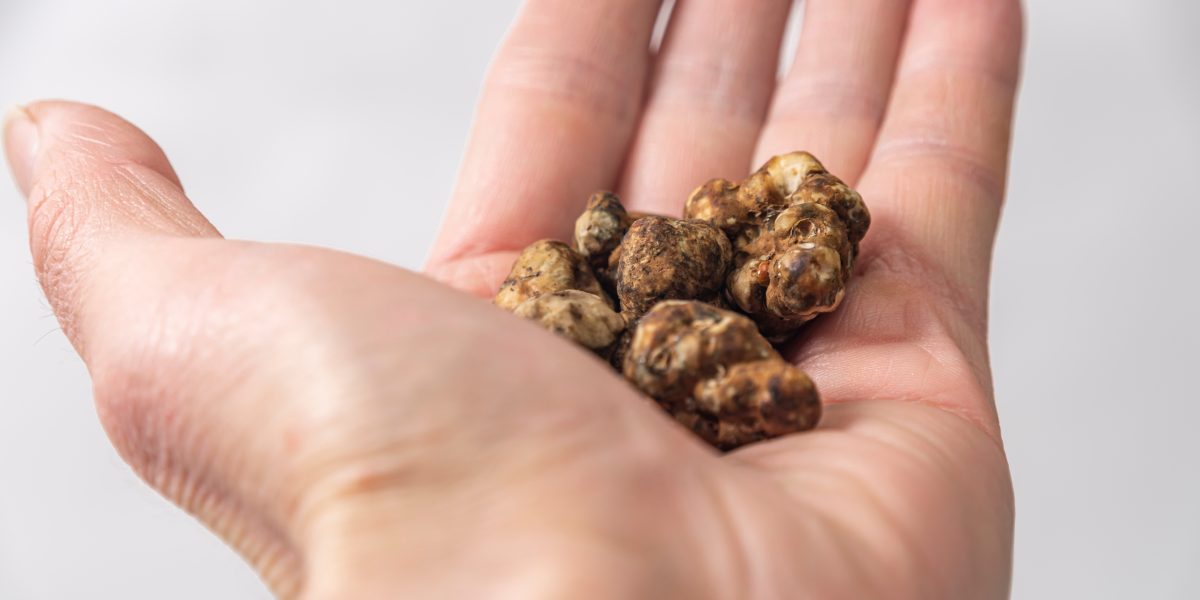
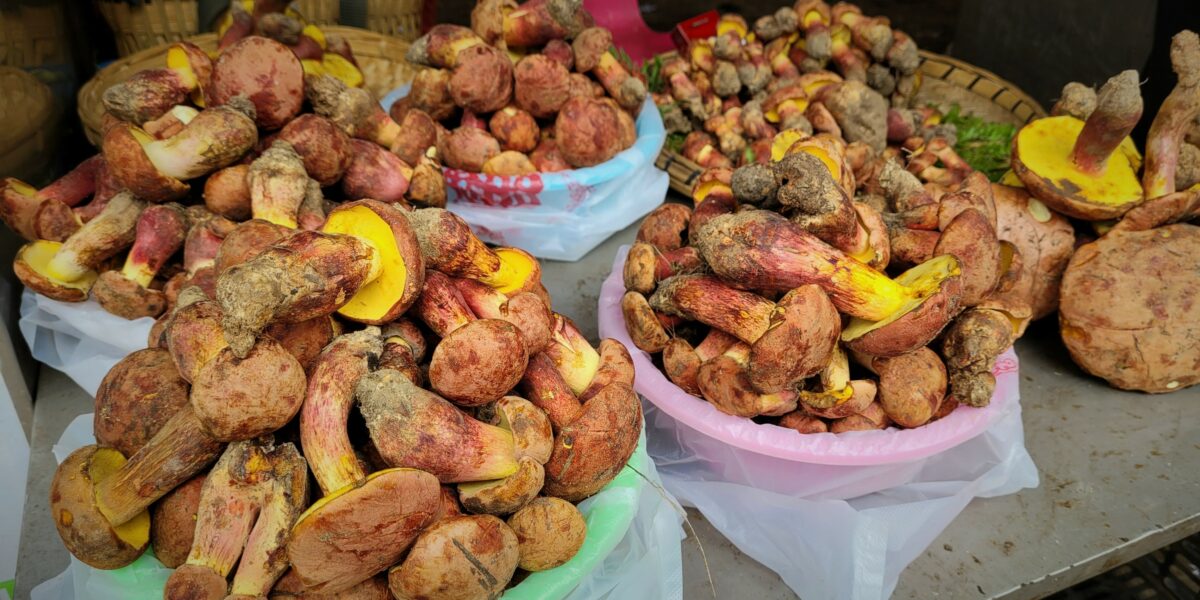
I’m sure many readers have been aware of magic truffles for quite a few years, but for those of you who haven’t yet explored the underground fungal wonders, truffles can provide similar experiences to the more commonly consumed magic mushrooms.
They are categorised as sclerotia, which are compact masses of hardened mycelium containing food reserves intended to survive environmental extremes. One example of this is the Claviceps purpurea sclerotia (the fungi responsible for the creation of LSD), which can become detached and remain dormant until conditions are right.
These truffles can be consumed fresh, although I personally find the taste quite off-putting, generally with quite sour/nutty undertones, which makes the start of the experience somewhat unpleasant! In general, I’m not in favour of consuming any kind of fungi or mycelium in their raw state, as it seems humans aren’t really able to break down the cell wall structure of fungi completely, which can create more work for our digestive system and potentially impact how comfortable we are during our truffle experience.
This cell wall structure, known as chitin, can be partially broken down during the drying process, which can make digestion of the truffles easier, as well as prolong shelf-life and allow us to dose more accurately, where we can understand the potency in a more standardised way. I’ve encountered this conversation many times with my work in the fungi space, and I’m always keen to stress the importance of drying in order to create more accurate dosing protocols (especially if we’re consuming small amounts within a microdosing protocol) as well as making things easier for our bodies. Even then, my cupboard is full of jars of different types of culinary and medicinal mushrooms that I have foraged and want to use at different times of the year, or for different purposes, and it makes perfect sense to store them dry (and rehydrate if need be).
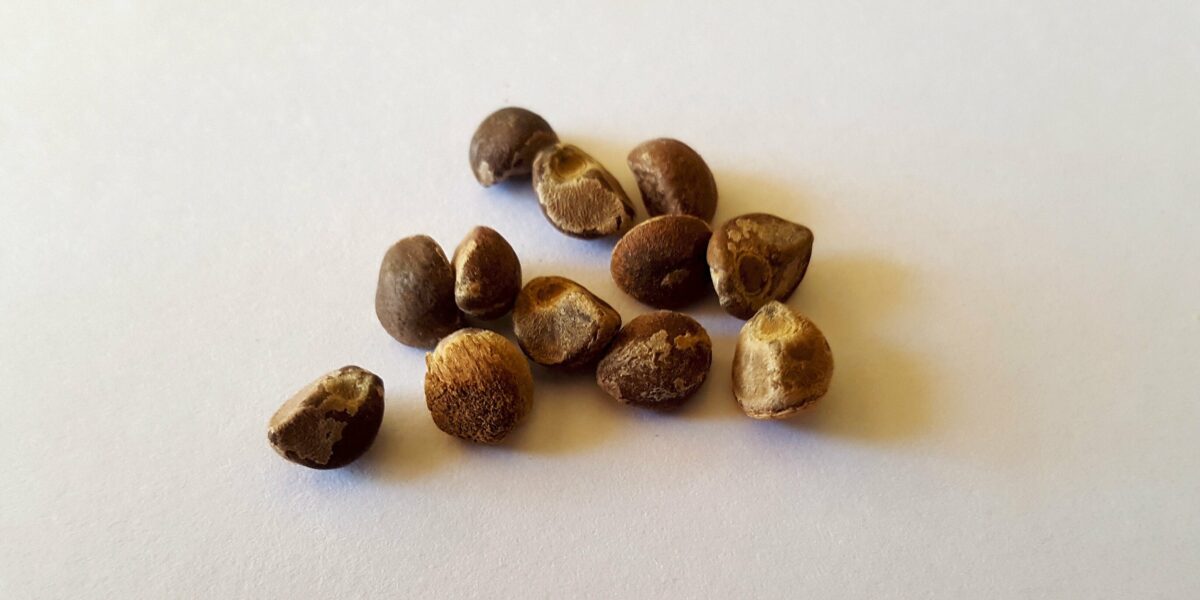
Fresh truffles are 60-70% water, and while it’s recommended to store fresh culinary truffles as they are, since we’re not looking for taste when it comes to psychedelic ones, it might make more sense to dry them to increase the shelf-life which then gives you the possibility to space out your experiences over a period of time. Improperly dried truffles might end up going mouldy and lose potency, and as we explore this topic further, we’ll look at all the practical steps required to ensure your truffles are properly dried to ensure long-term storage and maintenance of potency. The different compounds within truffles seem to be stable with no detectable loss of potency, which could allow people to effectively “dial in” their experiences with a potential faster onset compared to fresh magic truffles.
There are certain things to look out for if you suspect that your truffles have spoiled, such as a bad smell, discolouration, or a slippery texture, and drying is your best defence against spoilage!
The high moisture content in fresh truffles means they’re quite perishable by nature and prone to becoming mouldy, so drying is important to inhibit microbial growth and ensure a long shelf life by removing the water. The presence of mould can also degrade the potency of the truffles, as well as make them not fit for consumption, so ensuring your truffles are properly dried is important if you’re looking to consume them in multiple sessions over a long period of time. Heat can potentially degrade some of these compounds, but humidity is a crucial factor, with lower humidity significantly enhancing the drying rates. The relative humidity of drying air ranges from 20%-70% and it’s important to maintain this humidity at the lower end of the scale to ensure optimal drying efficiency.
Some people might use a simple at-home technique where the truffles are laid out on newspaper with a fan blowing air over the top consistently, with the truffles then placed into something of a makeshift dehydrator – this would be something like a tupperware with a mesh inside to hold the truffles and a desiccant underneath, such as a silica gel packet to help remove the moisture. This can work well, but it does take quite a long time, and it doesn’t necessarily remove all of the moisture to get the truffles to the point where you can guarantee safe long-term storage. This does, however, provide an affordable technique that can be done at home without the purchase of more advanced equipment for drying, but you really need to make sure you monitor humidity, and you might want to consider purchasing a hygrometer, which would then add to the cost.
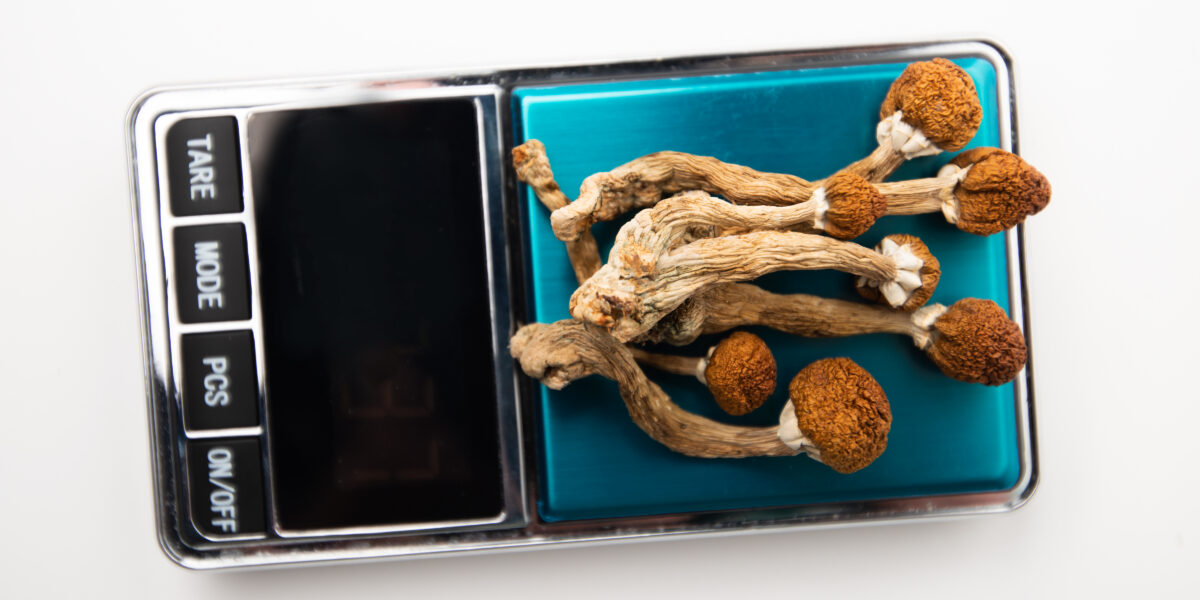
The most widely used method is convection drying, where hot air is passed over the truffles on a tray in something like a home dehydrator, where you can utilise temperatures on the lower end of the scale (35°C) and dry the truffles for around 12-24 hours. From my perspective, these are relatively affordable pieces of equipment that don’t take up too much space in the home and can be used for all different types of food, as well as drying your truffles. I would say this is a worthwhile spend as it provides peace of mind, allowing you to set a specific temperature and drying time, and it also means you don’t have to necessarily watch out so much for humidity issues. The main thing to remember is keeping the temperature low and making sure your truffles are evenly spaced out on a tray prior to putting them in the dehydrator.
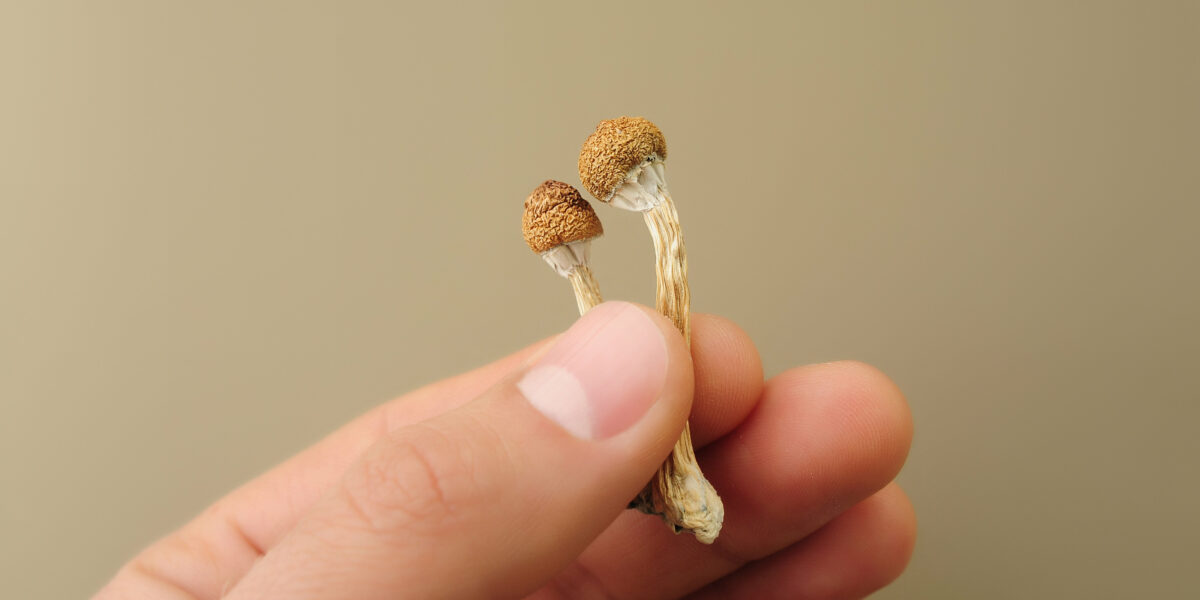
You could possibly create a makeshift version of a dehydrator using a fan oven with the door open, but the minimum temperature in the oven might actually be too hot and potentially degrade some of the psilocybin or psilocin contained within the truffles. This isn’t something I’d recommend, and in general, I think using a dehydrator provides a gold standard for getting your truffles to the point of being dry and brittle like a cracker.
I’ve known some people to actually store truffles in the freezer if they’re properly dried, but one of the most widely recommended methods for storage after drying is in an airtight or vacuum-sealed container somewhere cool and dark, ideally with a moisture and oxygen absorber to prevent any potential degradation of active compounds in the truffles. Doing this can, in theory, store your truffles for anywhere between 1-2 years, which allows you a good amount of time to carefully plan your experiences.


The preparation involved in the drying and storage process can also add an extra layer of intentionality to the experience, where we’re not just buying truffles and eating them fresh straight out of the packet, but actually taking the time to prepare them in a way which might be more conducive to our daily lives. We’re able to go more slowly and not just be forced into eating loads of fresh ones at once because of their limited shelf life. Drying not only creates a more practical option for engaging with magic truffles, but it also potentially limits any potential harm and allows people to finely tune an experience that is going to be right for them.
Oli Genn-Bash | Community Blogger at Chemical Collective | linktr.ee/oligennbash
Oli is one of our community bloggers here at Chemical Collective. If you’re interested in joining our blogging team and getting paid to write about subjects you’re passionate about, please reach out to Sam via email at samwoolfe@gmail.com
Welcome to Chemical Collective.
Create an account to earn 200 welcome points.
Already have an account? Sign in
Check out our Community Blog and get involved with the conversation. You will be awarded 50 x ChemCoins for each comment up to a limit of 250 total ChemCoins.
Have you purchased any of our products? Reviews and reports are so important to the community. Share your honest opinion, and we’ll reward you with 50 ChemCoins for each review!
Every time you complete an order with us, you’ll be awarded ChemCoins for each Euro spent.
Welcome to Chemical Collective.
Create an account to earn 200 welcome points.
Already have an account? Sign in
Earn commission every time someone makes a purchase through your link.
When you become an affiliate, you will be allocated a unique link to share with your friends, followers, subscribers, or Aunt Susan.
You can choose to payout the commission earned once per month, or save it up to receive on a rainy day! Commission earned is 5% of the total order value per referral.
Contact us to join the Chemical Collective family and become an affiliate.
share your toughts
Join the Conversation.