Welcome to
Chemical Collective

Are you 18 or older?

Please confirm that your are 18 years of age or older.

You are not allowed to access the page.

info-icon €100 for domestic (NL, CZ, DE) €125 for the rest of the EU, excluding stealth shipping

Free shipping over €50 & free tracked shipping over €100

Friendly customer service available 9-5pm Monday to Friday

Free shipping over €50 & free tracked shipping over €100

Friendly customer service available 9-5pm Monday to Friday

Your cart is empty

The Dangers of Heavy Psychedelic Use

david-blackbourn

By David Blackbourn

rsz 1shutterstock 2496572525
in this article
  • Physiological Risks
  • Psychological Risks
  • Hallucinogen Persisting Perception Disorder (HPPD)
  • Psychosis and Schizophrenia
  • Cognitive and Emotional Effects
  • The Science of Psychedelics’ Effects on Body and Mind
  • Purity, Adulterants, and Dosage
  • Harm Reduction
  • Conclusion
david-blackbourn

By David Blackbourn

Disclaimer: The views and opinions expressed in this article are those of the authors and do not necessarily reflect the official policy or position of Chemical Collective or any associated parties.

Though psychedelics may have powerful, potentially life-changing effects on consciousness, almost across the board, they are some of the safest psychoactive substances we are aware of. They have almost no risk of overdose due to their exceedingly low effective dosage, very little physiological toxicity, and little to no addiction potential. Under controlled conditions, with substances of sufficiently tested purity, precise dosing, and carefully designed environments, psychedelics are increasingly proven to be not only remarkably safe but potentially game-changing adjuncts to therapy and mental health treatment as a whole.

However, outside of controlled environments, heavy or regular use can still cause a large number of potential harms, both in the moment – “bad trips”, strain on the heart – and in the long term, risks of HPPD and psychosis. Many (I would argue the majority) of these dangers stem less from the substances themselves but rather their continued illegality. Prohibition creates issues with unregulated supply chains, inconsistent potency/dosage, and adulterated products. The resulting cultural stigma and a lack of adequate harm-reduction measures on a society-wide scale further exacerbate these issues. When users lack the required factual information, they are obviously more likely to make uninformed choices, dramatically increasing the risks of substances with inherently low toxicity. Without trusted trip sitters and subsequent means of integrating experiences, acute or long-term mental health issues can arise. So, while heavy consumption of anything at all will come with risks, it is the prohibition of psychedelics and the clampdown on research and education that continues to shape and magnify these risks.

With the rapidly snowballing psychedelic renaissance, decriminalisation and regulated research programs are expanding the world over, and we have the potential to control, minimise, or outright remove dangers related to psychedelic use. However, the resulting burgeoning commercial market poses some potential issues. Luxury retreats, aggressive marketing and unscientifically verified “microdosing” protocols, for example, introduce new pressures and expectations that might actively encourage overconsumption and neglect the safe use principles we are developing as a result of renewed research.

Physiological Risks

Once removed from a clinical, science-led environment, even the most non-toxic psychedelics can become physiologically dangerous. Let’s take MDMA as an example to illustrate this. Under controlled conditions, it is remarkably safe. It is even currently being applied in a therapeutic context to tackle issues such as treatment-resistant depression and PTSD. In the space MDMA is traditionally associated with, though – a hot, crowded club or rave/festival, with zero focus on hydration and electrolyte regulation – its thermoregulatory disruption (affecting the body’s ability to maintain stable temperature) can quickly spiral, and become life-threatening. Although in the context of this unregulated environment, issues arising from MDMA usage are still comparatively rare, they are far from non-existent.

Cardiovascular strain is another unappreciated risk of MDMA use. MDMA raises both heart rate and blood pressure, as a result of “vasoconstriction” (narrowing of the blood vessels). In a lab context, this is easy to monitor without issue; outside of this space, it is potentially lethal. Imagine, for example, a potential user has undiagnosed hypertension or heart-related issues. In unregulated environments, there is also widespread use of other substances in combination with MDMA, for example, amphetamine, cocaine, or increasingly commonly, ketamine. Accompanying alcohol use only amplifies this stress on the body, affecting the liver and kidneys. Without adequate knowledge or consideration of what you are taking, how you are taking it, and where you are taking it, the risks are magnified astronomically. The severity of all of these risks increases with heavy or prolonged use.

Psychological Risks

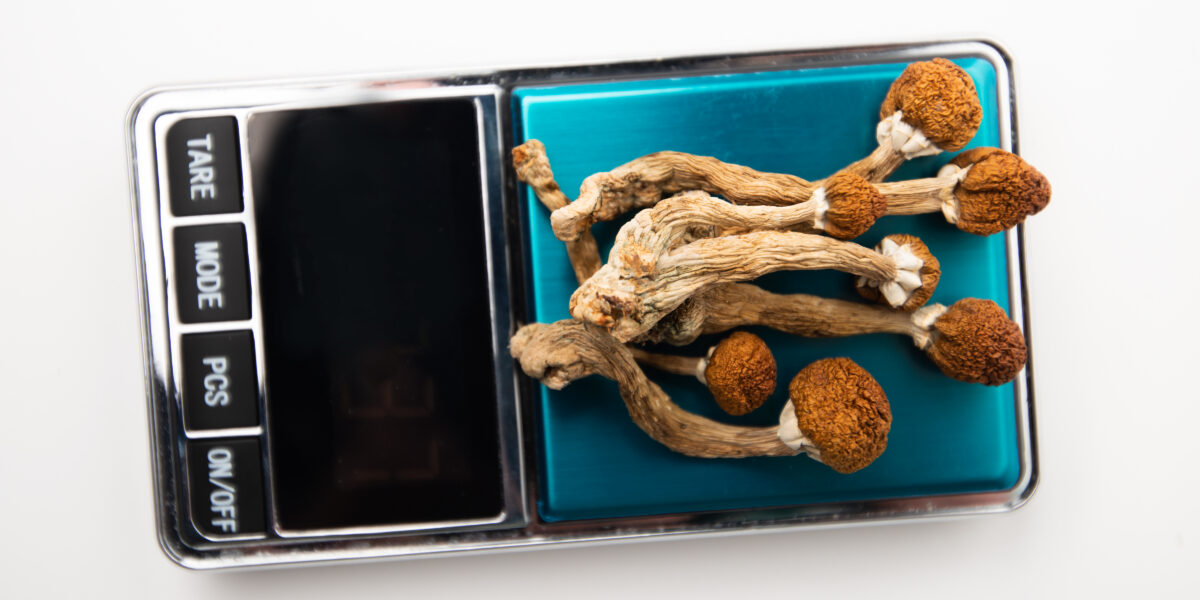
Let’s use psilocybin, the main active component of “magic mushrooms,” to illustrate potentially negative psychological impacts. Once again, under strict clinical conditions with known dosing, a knowledgeable sitter, and following integration-focused therapy, the risks commonly associated with mushroom use are negligible. A high dose of psilocybin induces powerful, often mystical, sometimes life-changing experiences with few adverse reactions. Outside of this environment, the differences are stark. A recent 2023 study discussed in Nature reported an approximately 40% prevalence of moderate to severe anxiety, panic or distress with high-dose psilocybin in healthy volunteers. A survey of 2000 psilocybin users, published several years prior in the Journal of Psychopharmacology, revealed that:

The majority of participants (62%) considered the experience to be among the top 10 most psychologically difficult or challenging experiences of their lives…with 39% rating it as among the top five.

These difficulties, especially when integration is not a focus of the experience, can outlast the mushrooms’ physiological effects. Issues with depression or manic episodes, sometimes severe enough to result in hospitalisation, may not surface during the experience itself and take several days or even weeks to become apparent. Lingering derealisation or depersonalisation can make reality itself seem like an alien place.

However, we cannot undersell the fact that even outside of a controlled environment, psilocybin/psychedelic use as a whole can still be incredibly helpful to an individual, even without adequate care. From the Journal of Psychopharmacology again: 

Most of the participants (76%) reported that experiences during the psilocybin session led to increases in current well-being and life satisfaction, 8% reported that the chosen challenging experience resulted in a decrease in their sense of well-being or life satisfaction.

8% of users, while minimal, is still not an insubstantial figure. An estimated 8 million American adults used psilocybin in 2023. 8% of that is 640,000 people, all of whom could potentially experience acute, prolonged psychological difficulties as a result of their consumption. All of these risks are also, of course, progressively magnified by heavy and continued usage.


Hallucinogen Persisting Perception Disorder (HPPD)

HPPD is a chronic visual disorder affecting roughly 1-5% of heavy psychedelic users. It is explained as a re-experiencing of some of the perceptual changes, mainly visual, experienced on a trip. There are two forms of HPPD that we are currently aware of:

  • Type 1 – brief “flashbacks” reliving aspects of the experience.
  • Type 2 – chronic symptoms over time, potentially lifelong.
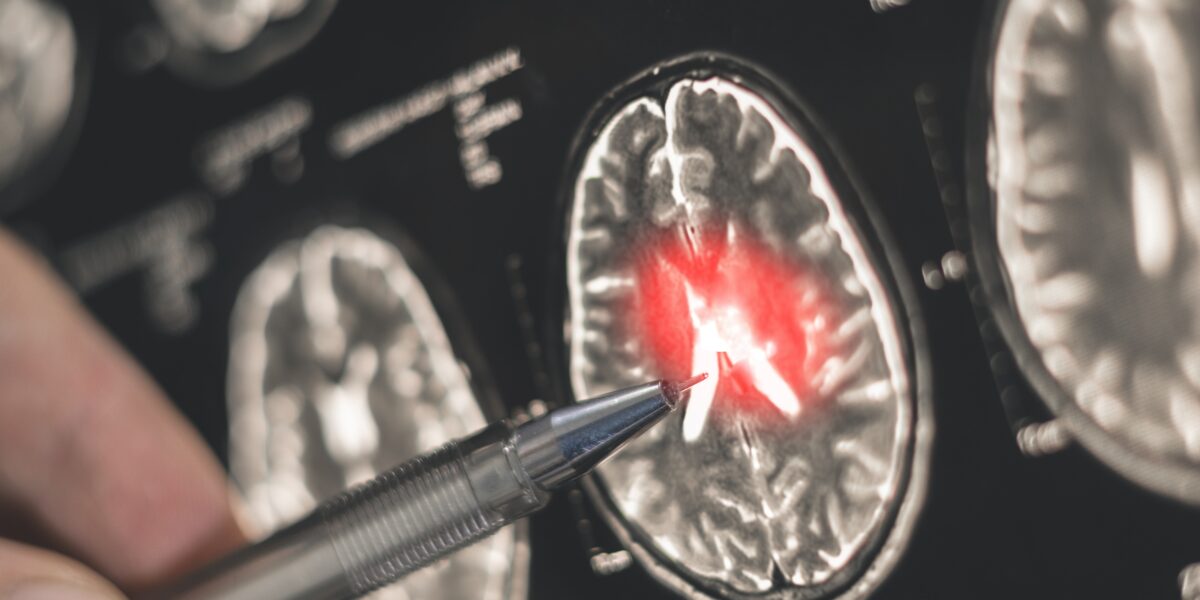
Dissociative symptoms are consistently associated with HPPD. Surveys indicate that HPPD is, in most cases, due to a subtle over-activation of predominantly neural visual pathways that worsens anxiety after ingestion. These effects can even be brought upon by substances that are not hallucinogenic. Many symptoms of HPPD are not actually thought to be perceptual alterations experienced while intoxicated, but more likely an exacerbation of, or manifestation of, pre-existing psychiatric issues.

Once again, the legal landscape of psychedelic usage is what exacerbates the impact of this condition. Drug culture and the associated pressures actively encourage overuse of substances, which increases the likelihood that users may develop HPPD. A lack of adequate study and corresponding lack of knowledge means treatment of the condition still largely relies on trial and error. Benzos and antipsychotics have been shown to offer some inconsistent relief at best. 

I shall emphasise here again, as I will in every section of this article, that in clinical settings with adequate controls, the incidence of this already extremely rare condition is negligible.

Psychosis and Schizophrenia

Even the safest psychedelic has the potential to reveal the latent psychological issues of any consumer. Without prior screening for these potential problems or control of dosage, etc., there is no way of knowing how a particular psychedelic will affect you.

While the majority of psychedelic users, regardless of context, are unlikely to experience these difficulties, with studies suggesting only around 0.002% of users are affected worldwide, we cannot ignore the issue.

For example, a 2024 study of psychedelic-induced psychosis in Ontario, Canada, showed, as Technology Networks reports, “Within three years of an ED visit involving hallucinogens, 4% of individuals were diagnosed with schizophrenia, compared to 0.15% for members of the general population followed for the same period—a risk 21 times higher.” The risks are real and potentially life-altering. Once again, though, sanctioned research programs designed to shed light on these risks have the means to avoid them entirely. Simple screening of participants, vetting high-risk individuals, accurate dosage, and offering ongoing monitoring and support afterwards all but eliminate instances of psychosis/schizophrenia.

Cognitive and Emotional Effects

The emotional impact and powerful alteration to cognition that psychedelics promote are obvious during the experience, but long-term effects are much less clear. Some clinical studies of heavy users demonstrate full cognitive recovery in a matter of days, but large amounts of anecdotal and survey data hint towards potential lingering impairments to decision-making and emotional regulation.

In a therapeutic context, the emotional impact of psychedelics is widely associated with increased openness and decreased depressive symptoms, but this is altered without the effective environmental and integration support that this context provides. Frequent high-dose use can encourage irritability, impulsivity, and reduced ability for outward, positive expression of emotion. Whether this is a direct neurochemical response to psychedelics themselves, though, is debatable. It seems reasonable to assume there will be increasingly negative impacts on the individual with heavy, long-term use of any substance at all, but it is just as likely that these negatives are a result of unresolved difficult experiences and the psychological distress associated with them. Once again, this lack of concrete knowledge stems back to the legality of these substances and our ability to adequately study their effects over a prolonged time period.

Regulated programs will more than likely mitigate these risks. “Set and Setting” and integration frameworks help to resolve any issues during and after an experience. We have to remember that set and setting is more than just the physical space an individual inhabits during their experience, the music, the people, etc. The state of the world as a whole, the previously mentioned stigma associated with drugs, and the risk of potential arrest are also factors. Issues like global warming, poverty, and widespread global conflict all affect our psychology, and therefore all affect our emotional responses to psychedelics.

The Science of Psychedelics’ Effects on Body and Mind

To make it simple, we can think of psychedelics as keys which fit into locks in the brain. These locks are called “5‑HT2A receptors”. They regulate many areas of the brain that affect our conscious experience:

  • Perception and sensory processing – how we interpret sights and sounds.
  • Mood and emotion – feelings, positive and negative.
  • Cognition and thinking – ability to maintain attention and memory.
  • Cortical excitability – controlling the release of the neurotransmitter, glutamate, which is integral to normal brain function.
  • Sleep – can affect REM.
  • Blood vessels – constriction or relaxation of blood vessels, especially in the brain.

Psychedelics bind to these receptors. Information, which is usually regulated, then floods the brain. This allows parts of the brain that do not usually connect to do so while also shutting off other areas. This results in psychedelics’ well-known consciousness-altering effects.

Our knowledge here is still limited, and prohibition-era research has not yet probed how repeated high-dose exposure to these substances might recalibrate brain chemistry in the long term. Early animal data indicate potential receptor downregulation, meaning they will be less effective, along with alterations to the brain’s inherent neuroplasticity (its ability to change).

Legal, adequately funded studies are currently underway and will likely shed more light on specific dose-response curves over longer periods, how long receptors may be affected and whether or not changes to neuroplasticity are lasting.

Purity, Adulterants, and Dosage

On the black market, especially with substances like LSD, which have extremely low effective dosages, potency can vary drastically. A “tab”, for example, is not a standardised means of measurement, and a lack of standards and practices in both the production of the substance itself and inaccuracy of its measurement create myriad potential issues. Poor-quality mushrooms, for example, could be laced with phenethylamines or synthetic analogues. Any liquid or white powder you purchase, regardless of the use of at-home testing kits, comes with some risk. You might not even know what it is you are taking, let alone the dose.

Once again, it is the fact that these substances are being procured by the black market and the lack of adequate education for potential users that promote, or actively create, all of these risks. As legalisation spreads, safe production practices for producers to adhere to will be necessary, and third-party purity testing and transparent labelling will help to ameliorate or eliminate these problems entirely.

Harm Reduction

Set, setting, and aftercare are aspects of the psychedelic experience, aside from the substance and dosage thereof, which can be controlled. They are the three pillars of harm reduction in clinical settings. I will, however, take it as read that the vast majority of people reading this article will be consuming psychedelics outside of this context. So, how can we simply apply these pillars to our own experiences?

SET

  • Intention: Why are you taking the substance?
  • Mindfulness practice: Meditation or breathing exercises.
  • Emotional state: How do you feel?
  • Education: Research expected effects, dosage, etc.
  • Support system: At least inform a trusted individual or individuals of the experience, and ideally have someone to accompany you.
  • Physical state: Hunger, hydration.

SETTING

  • Comfortable surroundings: A clean, calm, familiar space is best.
  • Lighting and ambience: Soft, easily adjustable lighting or natural light, calming music, etc.
  • Safety measures: Remove sharp objects, have adequate hydration/snacks, etc.
  • Trusted tripsitter/companion: Knowledgeable, sober support.
  • Minimise interruptions: Lock the door, silence the phone, etc.
  • Plan for negative experiences: Pre-agree on techniques to manage difficulties.

AFTERCARE

  • Rest and hydration: Allow for time to relax, plenty of food and water.
  • Reflection: Journal any insights.
  • Creative expression: Art, music, or movement can help to process the experience.
  • Talk about it: Integrating the experience with a therapist, support group, or friend is paramount.
  • Reintegration to normal routine: Gentle, self-care driven.
  • Follow-up practices: Continue mindful practices, journaling or therapy to continue to process and integrate the experience.

In a clinical setting, much more intensive means of screening participants prior to any experience are more feasible. Firstly, psychiatric interviews, family history can weed out at-risk individuals prior to consumption. Strict, holistically thought-out environmental controls and on-site medical support can maintain safety throughout. Qualified psychological support during and after the experience further minimises the risk of any issues.

Conclusion

Widespread acceptance of psychedelics is rapidly increasing. There has been a 400% increase in registered psychedelic trials since 2010, but regulatory disparities worldwide mean quality-control standards vary wildly. When administered under safe, controlled conditions, these risks are minimised even further, and the potential for psychological benefits to individuals and society as a whole skyrockets. With pure compounds, precise dosing, structured environments and adequate, qualified support, risks like HPPD and psychosis are negligible. In and of themselves, psychedelics are inherently safe. It is the surrounding legal and cultural context in which they are consumed that has historically amplified any negatives associated with them. The inevitable arrival of capitalism in the research world, as a result of the renewed acceptance of these substances, is another factor to consider in assessing the validity of any future data.

Psychedelics stand out among all consciousness-altering substances for their remarkably low physiological risks and powerful therapeutic effects, but the long-term effects of heavy use of these substances are unfortunately still murky. The shift towards decriminalisation and medical frameworks will likely shed more light on this over the coming years. I would posit, however, that the changing cultural attitude toward psychedelics and the corresponding contexts in which they will be consumed will actually lessen any potential long-term effects, as we begin to study them, as a direct result of our ability to study and accept them. Psychedelics stand out as some of the safest, most powerful mind-altering substances on the planet, with the potential to transform mental healthcare. So, perhaps when we consider any long-term issues with them, it is not the psychedelics in and of themselves which are causing the issues. It is our relationship to them.

David Blackbourn | Community Blogger at Chemical Collective

David is one of our community bloggers here at Chemical Collective. If you’re interested in joining our blogging team and getting paid to write about subjects you’re passionate about, please reach out to Sam via email at samwoolfe@gmail.com

share your toughts

Join the Conversation.

0 Comments
Inline Feedbacks
View all comments

Related articles

Our Products

Related Products

1V-LSD 150mcg Blotters
1V-LSD 150mcg Blotters From 22.00
(143)
1cP-LSD 100mcg Blotters
1cP-LSD 100mcg Blotters From 18.00
(137)
Tryptamine Mix and Match Pack (4 x 0.1g)
Tryptamine Mix and Match Pack (4 x 0.1g) 65.00
(1)
1V-LSD 10mcg Micro Pellets
1V-LSD 10mcg Micro Pellets From 15.00
(43)
2-FDCK HCL
2-FDCK HCL From 12.00
(82)
1V-LSD 225mcg Art Design Blotters
1V-LSD 225mcg Art Design Blotters From 35.00
(62)
1S-LSD 150mcg Blotters
1S-LSD 150mcg Blotters From 29.00
(16)
1cP-LSD 150mcg Art Design Blotters
1cP-LSD 150mcg Art Design Blotters From 25.00
(74)
1V-LSD 225mcg Pellets
1V-LSD 225mcg Pellets From 35.00
(26)
1D-LSD 225mcg Pellets (1T-LSD)

SALE! -15%

1D-LSD 225mcg Pellets (1T-LSD) From Original price was: €42.00.Current price is: €35.70.
(13)
1cP-LSD 10mcg Micro Pellets
1cP-LSD 10mcg Micro Pellets From 15.00
(23)
5-MeO-DMT Freebase
5-MeO-DMT Freebase From 23.95
(36)
O-PCE HCL
O-PCE HCL From 17.50
(25)
1cP-LSD 20mcg Micro Blotters
1cP-LSD 20mcg Micro Blotters From 18.00
(27)
4-HO-MET Fumarate
4-HO-MET Fumarate From 19.50
(26)
rewards-icon
popup-logo

Reward program

popup-close
  • Earn
  • Affiliates