The Healy et al. study provides a useful framework for understanding how psychedelics can facilitate healing from childhood trauma. It delivers findings about how psychedelic substances create opportunities for trauma recovery from childhood experiences. The healing process of psychedelics affects multiple dimensions of human experience by transforming self-perception, emotional states, and social bonding abilities.
The Self: Rebuilding a Fractured Identity
The experience of ego dissolution stands as one of the deepest psychedelic effects that people can have. The self-experience undergoes a temporary process of boundary relaxation, which allows individuals to release their fixed personal identity. This is a temporary softening of the boundaries of the self, a letting go of the rigid identity that we normally carry with us. For those with a history of trauma, this softening of those boundaries can be incredibly helpful and therapeutic. These mystical-type experiences create unity between the self and the universe, which can transform how a person views their existence and their position in the world.
Some of my own experience from non-clinical contexts matches this description. One of my most vivid LSD experiences occurred when I attended a Sigur Rós concert several years back. At one point in the set, during Starálfur, I became overwhelmed with a feeling of universal love. The music produced a feeling of universal love, which caused me to weep as I expressed love toward every living being. During that experience, I felt enclosed in safety and that I belonged to everything.
Emotion: The Catharsis of a Breakthrough
Childhood trauma often forces us to suppress our emotions in order to survive. We learn to numb ourselves, to disconnect from our feelings, and to present a courageous exterior. But these suppressed emotions do not just disappear. The human body stores suppressed emotions, which can lead to persistent anxiety and depression and discomfort, as the Dutch author Bessel van der Kolk’s popular book The Body Keeps the Score explains.
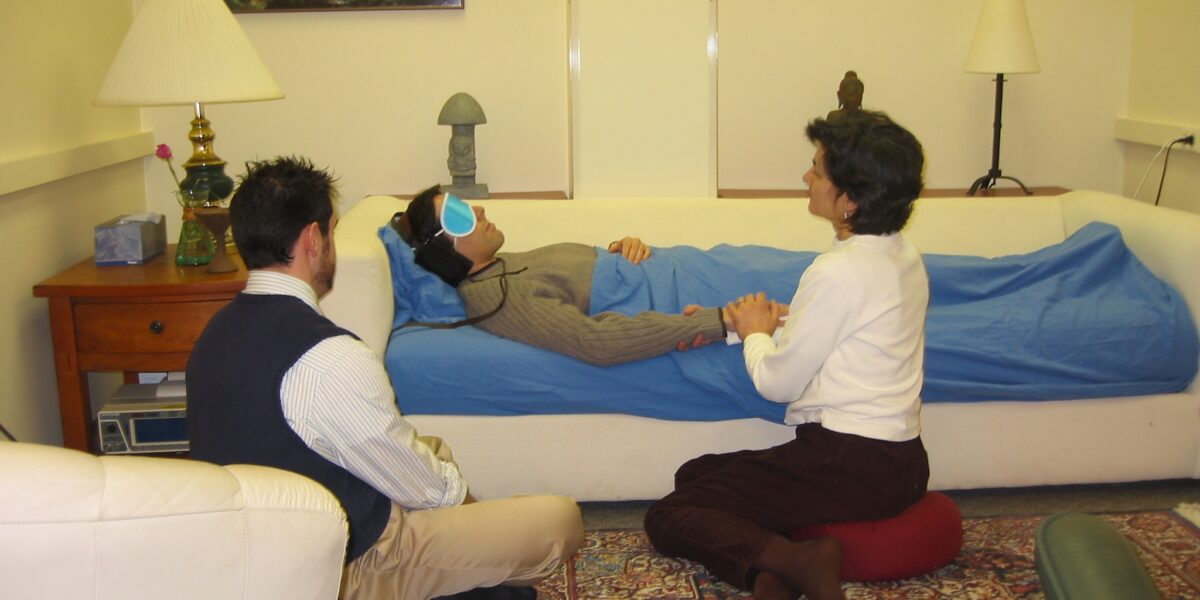
Psychedelic substances can serve as essential keys that extract repressed feelings from storage so they can surface. The process of confronting these emotions during a therapeutic journey becomes intense but leads to healing results. The term “emotional breakthrough” describes a powerful emotional unburdening which liberates deep-seated pain that accumulates over many years or even decades. People who experienced early developmental trauma can find special power in this experience for their personal transformation. A person gains the ability to process emotions which they were unable to handle as a child after this experience.
Connection: Finding Our Way Back to Each Other
Trauma creates a state of isolation for people who experience it. The experience of childhood trauma makes it very challenging for individuals to develop trust while forming healthy attachments or experiencing a sense of belonging.
Through psychedelic experiences, walls of isolation can dissolve to reveal new connections. People who experience trauma can find healing through psychedelic-generated feelings of empathy and social bonding, and love during their journey. The collective experience known as “communitas” provides a powerful catalyst for change because it establishes a feeling of unity and shared humanity between group members.
I have witnessed this first-hand during my time organising psychedelic retreats while working as a facilitator. I repeatedly witnessed how sharing space with others while sharing stories and experiencing both verbal and silent moments together created healing effects. Some participants expressed that the connection with the community without the psychedelic would already have been therapeutic. The psychedelic effects enhance the development and growth of this social bond. The healing process extends beyond individual introspection because it requires relational engagement.










































share your toughts
Join the Conversation.