Welcome to
Chemical Collective

Are you 18 or older?

Please confirm that your are 18 years of age or older.

You are not allowed to access the page.

info-icon €100 for domestic (NL, CZ, DE) €125 for the rest of the EU, excluding stealth shipping

Free shipping over €50 & free tracked shipping over €100

Friendly customer service available 9-5pm Monday to Friday

Free shipping over €50 & free tracked shipping over €100

Friendly customer service available 9-5pm Monday to Friday

Your cart is empty

The Munchies Myth: Can Cannabis Actually Help with Weight Loss?

oli-genn-bash

By Oli Genn-Bash

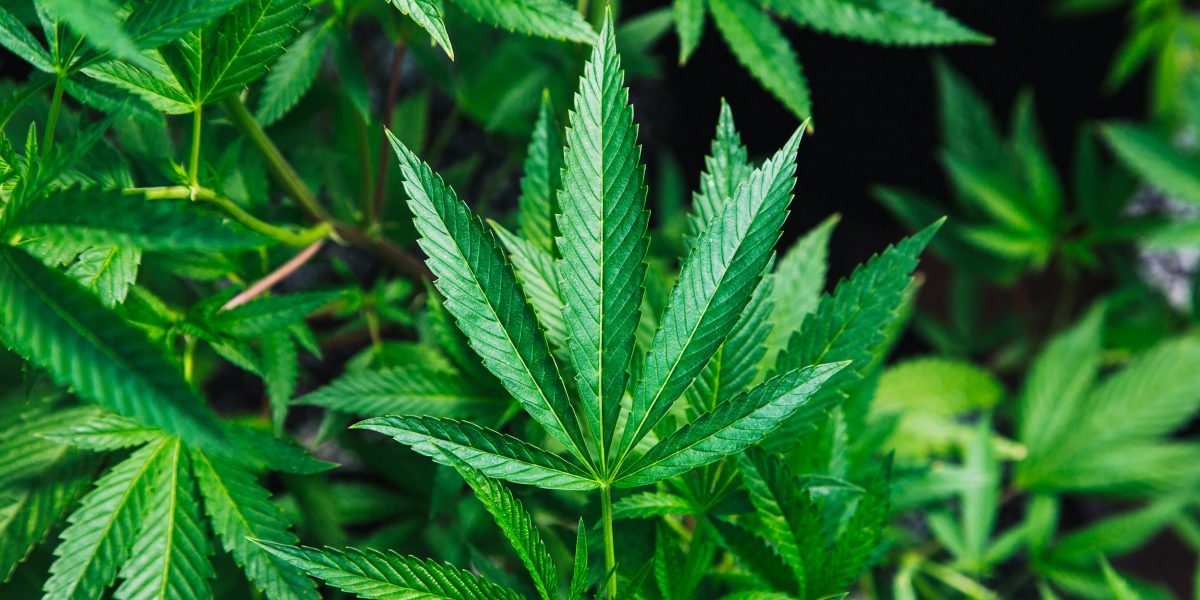
rick proctor PGc9Vid8O24 unsplash
in this article
  • Cannabis and Appetite
  • Cannabis as a Helpful Plant Ally: A Personal Shift
  • Time of Day and Getting the Strain Right
  • Further Research
  • Cannabis and My Relationship with Food
  • Limits, Risks, and Responsibilities
  • Cannabis and Conscious Living
oli-genn-bash

By Oli Genn-Bash

Disclaimer: The views and opinions expressed in this article are those of the authors and do not necessarily reflect the official policy or position of the Chemical Collective or any associated parties.

I’m sure those of you who’ve partaken in consuming some cannabis will know how it can heighten the experience of eating food, making you want to consume everything in the house, especially salty or sugary snacks that might not be so good for you. Everyone knows that cannabis gives you the ‘munchies’ where you’re continuously grazing, usually outside of the general dinner times. I’ve certainly been there myself during my teenage and early adult years, where I’ve gotten down to some serious munch and made a whole evening of it with the ritual of getting high. 

You’d think that this means all cannabis consumers have no control over their eating habits and must be enormous, right? This might not be the case, and there’s research to show that cannabis consumers, on average, are actually thinner compared to those who don’t consume it. I’m sure this might take some of you by surprise, but I speak to more and more people who are having positive experiences when it comes to utilising cannabis for weight loss. 

I have personally had many challenges when it comes to weight, and have only recently started to notice consistent improvements since being more focused on health later on in life. When I first started smoking cannabis as a teenager, I was definitely indulging in the munchies and not making healthy choices at all. I had a lot of freedom, and this generally meant being out and about, where I’d be consuming food that was low quality and probably high in unhealthy fats and sugar. I didn’t exactly know what strains of cannabis I was consuming until I was a young adult, but I generally enjoyed the ones which had more of a relaxing effect due to sleep issues as a child, which meant I wasn’t necessarily being so active when consuming cannabis. My experience of consuming it at university was generally one of being quite sedentary (other than the occasional pairing with psychedelics on an adventure out in nature) and I think this lent itself more to the classic lazy stoner stereotype where we’d be listening to music, watching TV, playing video games, and having a good ol’ munch!

The indulgence was great…in the moment of course (not necessarily looking back on it with the knowledge I have now) and I think a lot of that had to do with just how utterly stoned I would get when I was younger, and how something as awful as a Domino’s pizza would taste amazing – especially when you dipped the crusts into the delightful garlic and BBQ sauces, which I’m sure were packed full of sugar just to make things extra enticing. But even thinking about it now, as I write this before 8 am after having consumed some high-THC prescription cannabis flower while meditating in the sunshine, which was then followed by a high-intensity workout, I see where my consumption of cannabis (and general over-consumption of junk) was often mindless and compulsive. I used to smoke it combined with tobacco, but there was a big shift in my relationship with cannabis when I switched to smoking pure in my early 20s, where I was thinking more about the plant itself in an unadulterated way. However, I was still not using it as intentionally as I could, and at the beginning of 2019, I decided to make the switch to vaporising, which allowed me to develop more of an intentional relationship with cannabis, before finally deciding to obtain a private prescription to manage symptoms of fibromyalgia in 2022. 

I’ll be speaking more about my personal journey with cannabis and weight loss as we explore the scientific research to see how this plant might actually provide an alternative narrative to the “lazy stoner” stereotype.

Cannabis and Appetite

THC (specifically delta-9-THC) is known for its ability to stimulate the appetite, and this can actually be beneficial for those dealing with certain conditions such as cancer or HIV that make eating difficult, and subsequently create challenges for maintaining a healthy weight. For a lot of other people, though, this can lead to overeating and weight gain, resulting in problems with overall health and well-being. The partial binding of THC to the CB1 receptors can contribute to this increase in appetite, through expression in places such as the basal ganglia where it may enhance the experience of eating, the limbic forebrain (which can make food easier to consume), and the stomach and small intestine (which both regulate ghrelin, an appetite-stimulating hormone that speeds up digestion). 

I certainly still enjoy the enhancement of the eating experience that cannabis gives you, but it was more in the realm of eating for pleasure when I was younger, rather than trying to find healthy food that I found enjoyable. I had often consumed food in this way when I was younger, not really thinking too much about nutrition and just focusing on what tasted good. I felt like cannabis provided a whole new dimension to food, where there was real excitement and joy surrounding the eating experience. This joy hasn’t gone away, but the previous joy was maybe false or misinformed – I thought what I was consuming was good because it tasted good, but I wasn’t really focusing on how I felt or how it would impact my body the following day.

In recent years, I have managed to establish a healthier relationship with food, partly through my experiences with different plants and fungi, having more access to solid information surrounding diet, engaging more in different types of exercise, and being surrounded by people who are engaging in healthier lifestyles. I have been able to change my habits in a way to include regular consumption of cannabis, which contributes towards the maintenance of these habits.

Cannabis as a Helpful Plant Ally: A Personal Shift

I’ve always considered my consumption of cannabis to be intentional – since experiencing a number of injuries through sport as a teenager, along with having surgery on my hip at the age of 14, I have found benefit in consuming cannabis to manage pain and help me sleep. I had sleep issues as a child, which were compounded by long-term sciatica, which I’ve had since the age of 10, and I always found cannabis was the best thing for sleep, far exceeding anything else. So the consumption itself wasn’t mindless, but the way I was doing it most probably was, which was then amplified by the mindless consumption of junk food. 

Since obtaining a prescription in 2022 to manage symptoms of fibromyalgia, I have interestingly increased my intake and become more intentional with my cannabis consumption, particularly when it comes to health and exercise. I pretty much avoid snacking altogether and only reserve my “munchies” for when it’s actually time to eat, as well as utilising them to support certain routines such as exercise and intermittent fasting. I personally really enjoy it for exercise, especially if I’ve been consuming an uplifting strain of cannabis that helps with motivation, energy, and the pleasure of actually moving my body in a certain way. I always used to find exercise draining and boring, but now I find a consistent desire to want to engage with exercise, and a big part of that is consuming the right kind of strain at the right time of day. 

The plant has also allowed me to become more mindful with cooking and take greater pleasure in cooking from scratch, with healthy ingredients sourced from places with certain standards that I know are going to provide better outcomes for my health. Cannabis has been a gateway to focus more on nutrition and become excited about other areas of food that might provide some benefits. It has also allowed me to do a deep dive with hemp and CBD products, which provide their own nutritional benefits. 

Time of Day and Getting the Strain Right

The cannabis plant has certainly been an important catalyst in helping me with weight loss, but this has happened largely through a shift in my preference for more energising strains of cannabis. Throughout my mid-20s, I dealt with a lot of anxiety, and I didn’t like consuming the sativa-dominant strains, which can be more stimulating and racy, and I preferred the more relaxing indica strains, which seemed quite easy to obtain. During this time, I also took a year out living in Australia, where I spent a lot of my time outdoors volunteering on organic farms and was generally more active than I previously was. 

The only good quality cannabis I could find in the country was grown outdoors and generally on the more energetic side of things when it came to the effects. I had worked hard to manage my anxiety, and I thought I would probably be OK consuming these kinds of strains…except I was better than just OK! The energising nature of these strains was allowing me to move more lightly on my feet, where I didn’t notice pain so much, as well as really lifting my mood, where I felt like I could do anything! I really enjoyed being out in the sunshine and consuming these kinds of strains during the day, especially first thing in the morning, which has been commonly referred to as the ‘wake and bake’.

Some research from back in 2016 has suggested this might indicate problematic cannabis consumption, although I’m not entirely sure what the reasoning is, and strangely the study compares it to alcohol, stating that “Similar to morning use of alcohol among alcohol-dependent individuals, morning use of marijuana may indicate dependence and increased cannabis-related impairment”. To me this just indicates a total lack of understanding when it comes to cannabis, and I’m sure the research has progressed almost a decade on, with a greater understanding of the medicinal benefits of cannabis, particularly when we’re consuming the right kind of strain to suit our needs at the right time of day. 

I have personally found benefit from consuming energising strains in the morning, as they can actually assist with something like an intermittent fasting protocol by suppressing your appetite, which, of course, goes against the idea of cannabis causing the munchies. Generally, the sativa-dominant strains have a higher concentration of the cannabinoid tetrahydrocannabivarin (THCV), which can suppress appetite, as well as decrease the activity of the CB1 receptor in small doses and increase it at higher doses. 

Research suggests that the activation of the CB1 receptors are essential for maintaining a healthier weight, and further research into the benefits of THCV has suggested it can assist with managing obesity and diabetes by increasing the metabolism of glucose and reducing blood sugar, as well as increasing energy, which is essential for maintaining consistent exercise routines. This has really been where I’ve found a lot of benefit from consuming these kinds of strains, as one of my favourite things to do is vaporise some high-THC sativa-dominant strains and then do a high-intensity workout while intermittent fasting…I feel the extra motivation being in the fasted state, and I really enjoy the sensation of exercise, where the cannabis is providing a complementary feeling, and the exercise itself is actually complementing our own internal endocannabinoid system, which is involved in many different processes within the body. 

There’s some disagreement surrounding the categorisation of cannabis into indica-dominant (the strains which provide more of the relaxing, body effect) and sativa-dominant, with some suggesting we need to do away with these terms altogether. Instead, we might need to focus more on different bioactive aspects of the plants, such as terpene profiles, to fully understand the nature of the effects of different strains. Terpenes are what make different strains distinct from each other, with noticeable smells and tastes, ranging from fruity names such as popular Super Lemon Haze, which has the dominant terpenes limonene and terpinolene that contribute to its uplifting effects, to more recent strains such as guava gelato (renowned for its tropical flavours) featuring a unique combination of Limonene, Myrcene, Pinene, Linalool, and Beta Caryophyllene, which may contribute to its more well-rounded sedating body high as well having an uplifting cerebral effect.

Amongst many cannabis consumers, people will often say “the nose knows”, and I find myself currently in a situation with a strain of cannabis I have on prescription which, on paper, should be beneficial…but the smell is just awful, and it’s one of the rare occasions where I’ve been unlucky in recent months with my order (I tend to look at reviews online before ordering a repeat prescription) and I’m finding it difficult to consume this particular strain. I don’t find it that helpful compared to the others which smell and taste much nicer, and I’m sure this isn’t a coincidence – the importance of things like terpenes and the quality of the cannabis itself can have a huge impact on the effects, especially when we’re trying to preserve the more uplifting aspects of the plant that can assist with motivating us to exercise.


Further Research

The popular cannabinoid CBD (cannabidiol), which has been shown to balance out some of the potential negative side effects of THC, is being explored as a potential beneficial compound for managing weight loss. The anti-psychotic effects of CBD can, in theory, counteract the potentially hedonistic aspects of THC, which might include indulging in the munchies, as well as providing anti-oxidative and anti-inflammatory benefits, which may aid with weight loss. 

Despite the association with binge-eating and decreased physical activity, cannabis has not been shown to have a negative impact on obesity. If anything, it seems to control BMI through different factors via the downregulation and reduced expression of CB1 receptors in persistent cannabis consumers, and/or the anti-inflammatory benefits of CB2 activation. Interestingly, an anti-obesity medication known as Rimonabant (which was withdrawn due to its serious psychiatric side effects) mimicked THC by stimulating the CB1 receptors, resulting in reduced energy storage, increased metabolic rates, and 10% weight loss.

However, some research has pushed back against the notion that cumulative recreational cannabis use has any impact on BMI, showing no increase if people stopped consuming it for a period of five years. There might be some promise, however, when it comes to more intentional cannabis use – if we’re utilising the benefits to manage something like a long-term health condition, it might allow us to become more involved in the world, where we’re creating healthier routines and possibly re-establishing our relationship with things like food and our natural environment.

Cannabis and My Relationship with Food

When I think about the munchies, it’s often in the space of it feeling indulgent, which to me always suggests unnecessary. When I first started consuming cannabis, I wasn’t exactly structured or mindful of that consumption, and the food just followed a similar pattern. I would eat when I smoked, which might have been at random times of the day, but now my patterns have changed to incorporate my cannabis consumption into a pretty regular and structured eating pattern. Having vaporised it consistently for the past five years, my tastebuds don’t get affected from having combusted something, and I’m able to connect with my food in a more mindful way. 

With IBS being a symptom of fibromyalgia, food can often feel like quite a stressful thing, but the anti-inflammatory benefits of cannabis, combined with what feels like a very centred effect, allow me to feel more confident when making food choices. I understand what tastes good from more of a “whole foods” perspective, where I’m making so much from scratch and really enjoying the creative aspects of cooking, allowing me to feel more connected to what I’m putting into my body, making me more mindful of my body and creating a healthier relationship with myself.

Limits, Risks, and Responsibilities

Cannabis is not a magic weight loss aid, and I’m very mindful of the enthusiasm within the wellness space when it comes to the latest thing that can help with something so many people struggle with. People might over-consume the plant, thinking it will help them in this magical way, and then, unfortunately, have to deal with potential negative side effects from this over-consumption. There can be issues with dependence and over-eating if the right strain isn’t being consumed, which might not be the same for everyone. 
The way in which these strains are being consumed (vaporising or edible consumption is far less risky compared to smoking cannabis) and the environment we’re consuming them in can impact our experience, which might direct how useful the plant can be. If we are able to incorporate strains into an active and healthy lifestyle, then we might find that cannabis can act as something of a ‘missing link’ to maintain a consistent routine.
Cannabis and Conscious Living

It might be that some of the potential negative side effects from cannabis come from not consuming it in an intentional way, where there could be unexpected strong effects without a proper energetic container for them. People think they’re just going to smoke a joint and chill out or have a laugh, but they might actually be taken by surprise when it comes to what this plant is actually doing to their body. Cannabis can be really strong, and it should be treated with respect and caution, especially if you’re not an experienced long-term consumer. 

When paired with awareness and purpose, cannabis can be an amazing gateway to a healthy lifestyle, where we can become more intentional with food and exercise, as well as provide our bodies with the many benefits of this plant, which can aid with our weight loss journey. My experience of just passively indulging to only quite recently being more active in how I integrate my choices has shown me how cannabis can be an excellent plant ally for engaging with my appetite in a conscious and respectful way.

Oli Genn-Bash | Community Blogger at Chemical Collective | linktr.ee/oligennbash

Oli is one of our community bloggers here at Chemical Collective. If you’re interested in joining our blogging team and getting paid to write about subjects you’re passionate about, please reach out to Sam via email at samwoolfe@gmail.com

share your toughts

Join the Conversation.

0 Comments
Inline Feedbacks
View all comments

Related articles

Our Products

Related Products

1V-LSD 150mcg Blotters
1V-LSD 150mcg Blotters From 22.00
(143)
1cP-LSD 100mcg Blotters
1cP-LSD 100mcg Blotters From 18.00
(137)
Tryptamine Mix and Match Pack (4 x 0.1g)
Tryptamine Mix and Match Pack (4 x 0.1g) 65.00
(1)
1V-LSD 10mcg Micro Pellets
1V-LSD 10mcg Micro Pellets From 15.00
(43)
2-FDCK HCL
2-FDCK HCL From 12.00
(82)
1V-LSD 225mcg Art Design Blotters
1V-LSD 225mcg Art Design Blotters From 35.00
(62)
1S-LSD 150mcg Blotters
1S-LSD 150mcg Blotters From 29.00
(16)
1cP-LSD 150mcg Art Design Blotters
1cP-LSD 150mcg Art Design Blotters From 25.00
(74)
1V-LSD 225mcg Pellets
1V-LSD 225mcg Pellets From 35.00
(26)
1D-LSD 225mcg Pellets (1T-LSD)

SALE! -15%

1D-LSD 225mcg Pellets (1T-LSD) From Original price was: €42.00.Current price is: €35.70.
(13)
1cP-LSD 10mcg Micro Pellets
1cP-LSD 10mcg Micro Pellets From 15.00
(23)
5-MeO-DMT Freebase
5-MeO-DMT Freebase From 23.95
(36)
O-PCE HCL
O-PCE HCL From 17.50
(25)
1cP-LSD 20mcg Micro Blotters
1cP-LSD 20mcg Micro Blotters From 18.00
(27)
4-HO-MET Fumarate
4-HO-MET Fumarate From 19.50
(26)
rewards-icon
popup-logo

Reward program

popup-close
  • Earn
  • Affiliates