in this article
- Most Common Trip Killers
- When Should You Use a Trip Killer?
- The Potential Benefits of a Bad Trip
- Safe Consumption of Trip Killers
- Conclusion
- FAQs
Are you 18 or older?
Please confirm that your are 18 years of age or older.
You are not allowed to access the page.
Disclaimer: The views and opinions expressed in this article are those of the authors and do not necessarily reflect the official policy or position of Chemical Collective or any associated parties.
If you are even somewhat familiar with psychedelics, you will have undoubtedly heard of the ubiquitous “bad trip”. A recent U.S. survey showed that 40.9% of psychedelic users had experienced at least one bad trip in their lifetime. While this of course implies that a larger percentage had no difficulties (59.1%), this does not make the prevalence of this outcome for consumers any less significant.
Sticking to the U.S. for a moment, a 2022 YOUGOV study revealed that 28% of Americans had used at least one psychedelic in their lifetime. If we extrapolate this, we can see just how significant this is. The population of the U.S. is currently around 330,000,000. 28% of that is 92,400,000 people who have consumed psychedelics at least once. 40.9% of that is 37,791,600. That’s nearly 40 million individuals who have experienced a bad trip – in one single country. I would argue that that is unacceptable and a real, vivid illustration of our complete lack of an adequate societal framework around the use of these substances.
Bad trips can occur for many reasons, the majority of which are a result of the continued prohibition of psychedelics. The cultural baggage surrounding their usage is gigantic and far from universally positive. Factors like social taboo, inadequate knowledge, a lack of preparation or adherence to “set and setting”, inaccurate dosage, or an impure, adulterated product all have a huge bearing on whether or not a psychedelic experience is a positive one. In most cases, a bad trip forces you to face areas of your past and present which need to be confronted. In the wrong space, mental or physical, this can become truly terrifying to the point where you may put yourself or others at risk. Without effective integration practices following the experience, it will likely remain solely a horrific, traumatic memory. You may not even have any conscious awareness or understanding of the fact that the trip was showing you things you need to solve.
When correctly integrated, some argue that a bad trip, or negative experience, may actually be the key to unlocking psychedelics’ therapeutic potential, but regardless, it is often beneficial to find ways of bringing yourself back to reality. Avoiding potentially traumatic experiences if you are using these substances outside of a clinical context is likely wise for the majority of users. Pre-preparation, attention to what you are taking and how much, and adherence to set and setting are ways of reducing the chances of a negative outcome. In scenarios where no natural means of bringing yourself down (mindfulness, calming music, etc.), some users turn to “trip killers” – substances which will mute or regulate an experience to make it more manageable. Outside of a clinical setting, this is a controversial practice with many potential risks, especially as the majority of these substances are being sourced from the black market.
Trip killers should be a last resort, not an intrinsic element of an experience, but they are a potentially valuable tool in the arsenal of any budding psychonaut. You may yourself be considering having a trip killer on hand for your next psychedelic experience. So, let’s explore the potential positives and negatives associated with their use, as well as the most common substances people employ. We will also examine the potential alternatives to chemical means of mellowing or blocking the effects of a trip, which are readily available and safe.
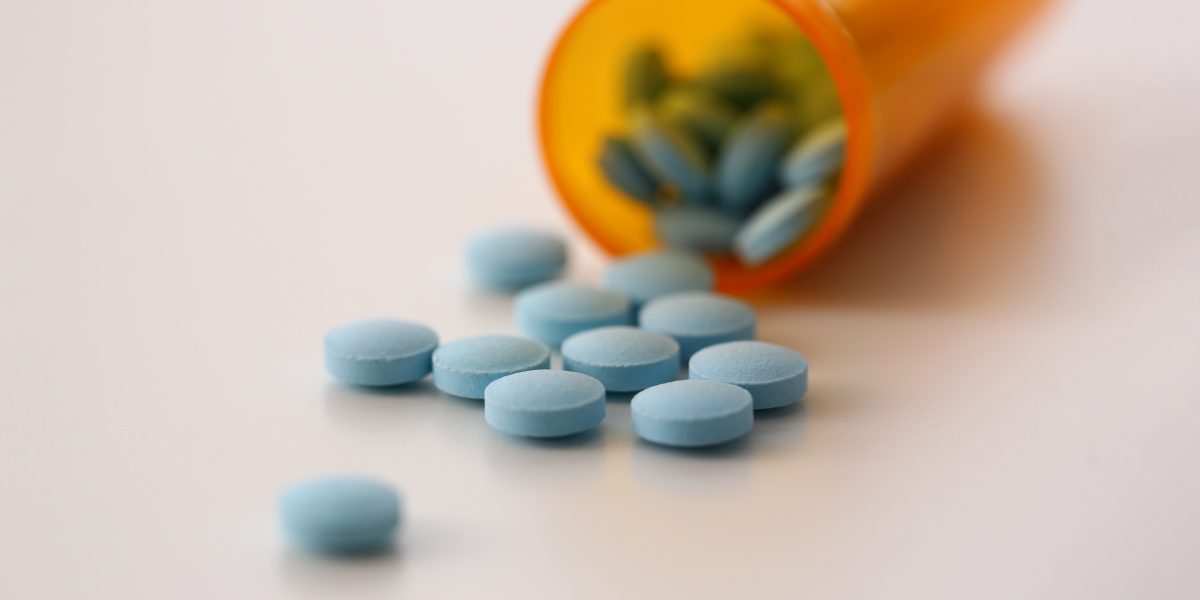
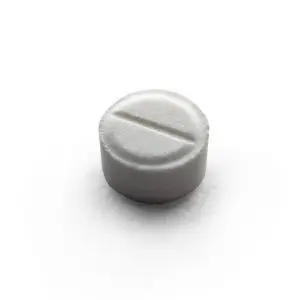
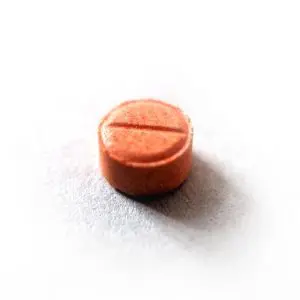
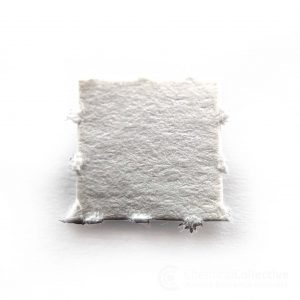
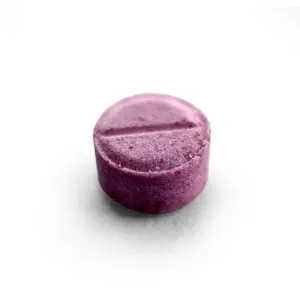
The most commonly used and most widely effective trip killers are benzodiazepines. Benzos typically have anxiolytic (anxiety-reducing) and sedative (calming/drowsiness) effects. They also act as powerful muscle relaxants. Benzos increase the activity of the neuroinhibitor GABA, which slows brain activity. They are not recommended for everyone, and in some circumstances, for certain people, they can be very risky. Their effects, combined with other commonly used drugs like alcohol, can be outright life-threatening. They are also rapidly addictive chemicals that take a massive toll on the body if consumed in large quantities or with unnecessary regularity. Suitably warned? Good. Let’s break down the most common benzos used as trip killers:
Next, we have Z-drugs, which are substances that mimic the effects of benzos but have a different chemical structure:
While not as commonly employed as benzos, antipsychotic drugs – which are usually used to treat people with conditions like schizophrenia or bipolar disorder – can also be effective trip killers. They can be especially useful if you have difficulty tolerating benzos, or don’t fancy passing out:
Side Note: The 5HT2A receptor is a kind of chemical lock in the brain that other substances fit into, to control the release (or not) of serotonin.
This storing affinity makes Olanzapine particularly effective at controlling the effects of tryptamines like LSD, psilocybin, or DMT, whose mechanism of action all stems from their interaction with the 5-HT2A receptor. This does mean, conversely, that it is less effective to calm the effects of substances like MDMA or ketamine, which have a higher affinity with dopamine than serotonin.
Ideally, you will never have to take a trip killer. As stated already, they can be dangerous, and while they may be effective, they come with some downsides. With due care and attention to “set and setting” (your mindset and surroundings), dosage, etc., basically with adherence to all regularly recommended harm-reduction protocols associated with psychedelics, you are very unlikely to require a trip killer. As long as you, or anyone with you, is at risk, it may even be worth riding out the experience and seeing what you can gain. Severity is of course hard to judge here, especially in a heavily altered state, which highlights the necessity of a sitter/companion to accompany or guide you through your experience.
Bad trips are paradoxical. How can they be experienced as extremely unpleasant yet still be evaluated as positive and meaningful afterwards? A recent study in the International Journal of Drug Policy provides some insight. The study was centred around 50 in-depth interviews with psychedelic users. The conclusion was that psychedelics open a door to our inner worlds, through which we can gain personal insight.
A “trip” on psychedelics is called a trip because it is just that, a journey, a narrative, filled with all the archetypes and events that that entails. Storytelling is an essential part of human life; stories are what we use to make sense of the world around us and ourselves. All of existence, as you personally understand it, is a story. The narrative structure of your self is what you explore on a trip when your barriers break down. Ego-dissolution holds immense power for reshaping who you are and how you place yourself in the world. When you are able to actively integrate the often incredibly stressful and confusing narrative scenarios that trips take us on, you can transform bad trips into valuable lessons.
The two main factors to pay attention to when you are considering whether or not to add trip killers to your psychedelic toolkit are sourcing and dosage. If substances are attained legally, then purity and dosage will be standardised and easily understood, so this is of course preferable. The majority of users seeking to apply these substances in this context will be unlikely to be procuring them via legal means. Black market pills are, unfortunately, notoriously dangerous. Illicitly manufactured benzos now often contain the incredibly powerful opiate fentanyl. The risk of overdose, or even death, as a result of this is astronomical due to its potency. If you are considering acquiring benzos by illegal means, definitely get yourself a drug testing kit.
Dosage is also of paramount importance, another reason why black market pills are unwise. Assuming you know what you will be taking and will be able to accurately work out how much you are taking, the common dosage range for benzos is as follows:
Side Note: Anyone with an addictive personality or history of substance abuse or dependence should avoid benzos at all costs. Their withdrawals are known to be truly horrifying.
Trip killers will never be a substitute for proper preparation and responsible psychedelic use. They can, however, be an incredibly effective safety net in situations where things go very wrong. Once again, I want to highlight the fact that the use of trip killers is so prevalent, and the fact that bad trips themselves are so common stems back to deeper societal issues. Is it any wonder that in a society in which psychedelic use is still such a taboo that people struggle to deal with the sensations they promote and integrate the experiences into their lives?
There is a complete lack of adequate legal and healthcare-related safeguards for psychedelics as a whole. This means there is no framework to help you navigate their effects, both in the long and the short term. As we move towards a wider acceptance of these substances and they are integrated into the mainstream, I believe the prevalence of these negative experiences will lessen. I will reiterate once again that trip killers should not be taken lightly and should be considered a last resort. They are not a panacea or magic fix; they have limitations, but when used wisely are a very valuable tool. When used with sufficient care and attention, trip killers can prevent unnecessary trauma and allow you to successfully integrate potentially debilitating experiences, so that bad trips can be more than just a horrific memory. They can be transformative.
Read this article on “Set and Setting” to help your preparation for a psychedelic experience.
Yes, consider:
No. Doing this will dull or block the effects of a psychedelic. This can paradoxically lead to increased anxiety and confusion as you do not get the experience you expect. Trip killers should be thought of as interventions, not pre-emptive tools.
Yes. Especially depressants like alcohol or opiates. Combining these with trip killers (particularly benzos) can increase the risk of respiratory depression, blackouts, or even death. Always, always, always research potential interactions prior to an experience.
David Blackbourn | Community Blogger at Chemical Collective
David is one of our community bloggers here at Chemical Collective. If you’re interested in joining our blogging team and getting paid to write about subjects you’re passionate about, please reach out to Sam via email at samwoolfe@gmail.com
Welcome to Chemical Collective.
Create an account to earn 200 welcome points.
Already have an account? Sign in
Check out our Community Blog and get involved with the conversation. You will be awarded 50 x ChemCoins for each comment up to a limit of 250 total ChemCoins.
Have you purchased any of our products? Reviews and reports are so important to the community. Share your honest opinion, and we’ll reward you with 50 ChemCoins for each review!
Every time you complete an order with us, you’ll be awarded ChemCoins for each Euro spent.
Welcome to Chemical Collective.
Create an account to earn 200 welcome points.
Already have an account? Sign in
Earn commission every time someone makes a purchase through your link.
When you become an affiliate, you will be allocated a unique link to share with your friends, followers, subscribers, or Aunt Susan.
You can choose to payout the commission earned once per month, or save it up to receive on a rainy day! Commission earned is 5% of the total order value per referral.
Contact us to join the Chemical Collective family and become an affiliate.
share your toughts
Join the Conversation.