Welcome to
Chemical Collective

Are you 18 or older?

Please confirm that your are 18 years of age or older.

You are not allowed to access the page.

info-icon €100 for domestic (NL, CZ, DE) €125 for the rest of the EU, excluding stealth shipping

Free shipping over €50 & free tracked shipping over €100

Friendly customer service available 9-5pm Monday to Friday

Free shipping over €50 & free tracked shipping over €100

Friendly customer service available 9-5pm Monday to Friday

Your cart is empty

Psychedelic Use in the World of Sport

oli-genn-bash

By Oli Genn-Bash

rsz shutterstock 83582323
in this article
  • Psychedelics and Flow States
  • Pain, Recovery, and Healing with Psychedelics
  • What is the Connection Between the Mind and Body?
  • Ego Death, Identity, and Retirement
  • Responsible Consumption
oli-genn-bash

By Oli Genn-Bash

Disclaimer: The views and opinions expressed in this article are those of the authors and do not necessarily reflect the official policy or position of the Chemical Collective or any associated parties.

Psychedelics and sport might not be two words you would immediately think of putting together, but what if there’s some potential for these substances to subtly assist the way in which athletes train, perform, and recover? 

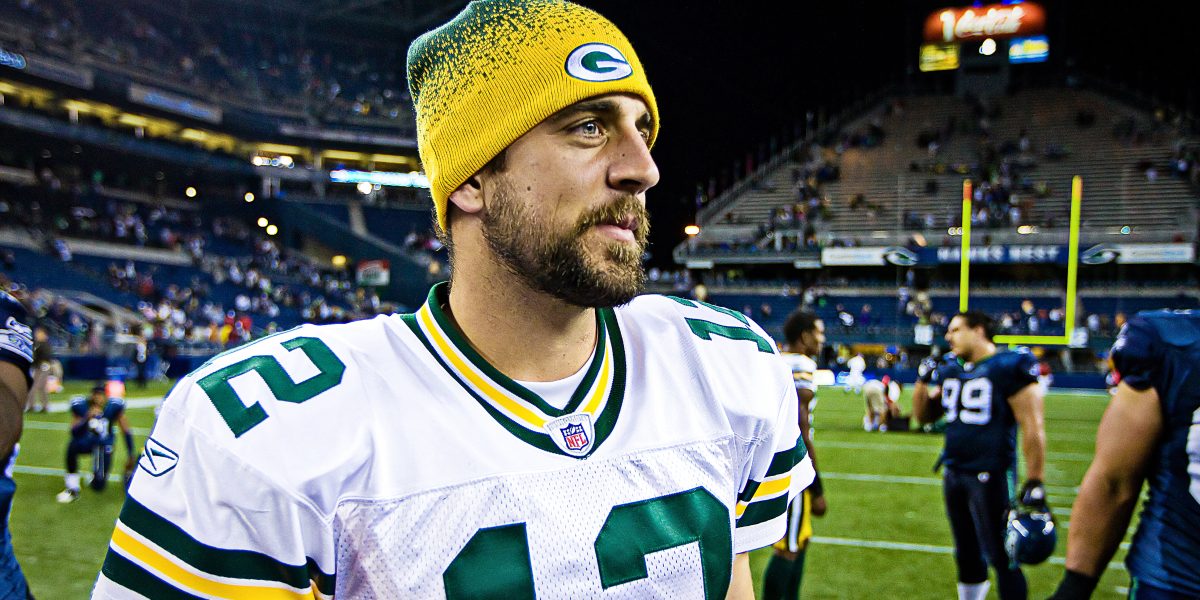
Aaron Rodgers, an American professional football quarterback for the Pittsburgh Steelers, has spoken publicly about his use of psychedelics such as psilocybin mushrooms as well as ayahuasca on a trip to Peru in 2020 to manage his mental health. While he claims to have not experienced any depression, he mentioned that ayahuasca helped him feel “self-love”, and others have since noticed how he is generally happier in life. This brings up an interesting point of whether or not we need to be clinically depressed in order to benefit from psychedelic plants and fungi, or if everyone could actually do with just having a bit more self-love in their lives? 

I imagine the pressure of being a professional athlete (especially in a game like American football which comes with a huge physical toll on the body) can affect even those with the most optimal mental health, and there’s certainly an argument to be made for utilising the benefits of psychedelics to alleviate some of this pressure, or potentially find other avenues of meaning in life besides focusing so much on becoming an athlete at these levels. 

Former MMA competitor and UFC Hall of Famer Rashad Evans is another athlete who has found some benefit from consuming mushrooms, even leading him to create his own functional mushroom brand after realising the potential of the wider fungal kingdom. Rashad retired from the UFC in 2018 after a string of losses, and despite winning the Light Heavyweight title in 2008, the psychological impact of retiring had a big effect on his mental well-being. Discovering how psilocybin mushrooms could benefit his psychological health has led him down the path of re-establishing his relationship with his own healing, where he didn’t want to experience the issues of a 20+ year career potentially catching up with him. Where people have had their identity so wrapped up in a focused career, it can obviously be hard to understand what or who you are after that all ends, and psychedelics might provide the opportunity to reframe your identity and walk a path that might serve your body better in the long run. 

We might immediately think of how psychedelics might potentially benefit us in a physical way when it comes to sport, but actually if we start with our minds, then we might be able to re-establish a healthier relationship with our physical environment, and possibly have more awareness of where our limitations are. The drive that some of these professional athletes have is quite astounding, especially when you consider the tiny percentage of people in places such as the USA who actually break into the professional sphere. The competitive nature of being involved in the world of sports has a huge impact on the mental and physical well-being of athletes, especially where there can be a lot of pressure from a young age to perform at a competitive level on a regular basis. 

There is also a potential physical benefit from consuming psychedelics when it comes to sport, with some research suggesting they can act as potent anti-inflammatories, which may assist with injury recovery. Many people with long-term health conditions, often characterised by chronic inflammation or pain, have found benefits from consuming psychedelics to ease their physical symptoms, as well as providing them with the psychological benefit of substances such as psilocybin mushrooms or LSD. 

I’m sure this openness surrounding the use of psychedelics among American athletes is partly down to the change in laws and attitudes, but there might be many incidences in other countries where athletes need to be more secretive about their consumption. The complexities over whether psychedelics give you a competitive edge also bring in the ethical question of whether athletes should even be allowed to consume psychedelics, not to mention the expectations of certain people in the public eye to follow a certain lifestyle. 

What some might perceive to be a competitive edge could be the result of the brain breaking out of certain patterns that might not be beneficial, and allowing the possibility for new pathways to be created, where there could be more neuroplasticity and general brain connectivity. This newfound connectivity might help to facilitate a state of flow where everything just feels like it’s working as it should. 

Psychedelics and Flow States

The Hungarian American psychologist Mihály Csíkszentmihályi was known as the ‘Father of Flow’: he proposed that deep states of focus and balance can bring about happiness. His theory was that happiness is not just something that happens to us randomly, but instead is something which we must cultivate through engaging in certain practices that bring about the optimal state to experience it. When we’re fully engaged or immersed in whatever activity it is we’re doing, we can take control over our state of consciousness and inner experiences, allowing us to feel happier. 

While this term has been adopted by New Age movements and possibly used in relatively vague ways, the word ‘flow’ is actually rather accurate from a scientific perspective – when it comes to something like sport, we might use something like ‘Peak Performance’ instead, but it does seem like the brain is engaging in a process where things are flowing more easily. In recent years, brain imaging has allowed us to understand what is happening during this process of flow – it seems that brain function is radically altered, with an increase in attention along with conscious processing being swapped out for the more efficient unconscious system. It’s like the brain is making a trade-off between the higher-order cognitive functions in exchange for increased awareness and attention. 

Psychedelics may provide a catalyst for entering into this flow state, with research showing how substances like LSD can improve the flow of information from the parahippocampal gyrus (which plays a crucial role in spatial memory and learning) to the visual cortex. The increase in brain activity, as well as positive correlation with psychedelics and states of awareness, suggests that psychedelics might be useful catalysts in treating disordered states of consciousness, such as vegetative and minimally conscious states secondary to acquired brain injury. This research also suggests these states of awareness can be related to what’s going on inside the body, with psychedelics impeding the gating of sensory input, allowing more flow of information from the thalamus to the cortical regions of the brain. 

The late scholar and practitioner of African martial arts, Kilindi Iyi, suggested that all traditional martial arts have psychedelic plants that provide a foundation for those particular practices:

The formula might contain a lot of ingredients that weren’t hallucinogenic but when I was investigating, I found that many of them contained mushrooms. And others, of course — datura, echinacea, the old-world MAIOs like Syrian Rue. That’s what actually led me to making a push to help people understand their relationship to not only martial arts but also outside it. Basically, through the warriors’ path.

The gating of sensory input seems to be down to the actions of the Default Mode Network, which is one of many resting state networks, in which there is decreased activity during task-dependent attention. The introduction of psychedelics such as psilocybin mushrooms or LSD can disrupt the functional connectivity of this network, which seems to contribute to the experience of phenomena such as ego dissolution and may work to limit the filters of this resting state, allowing for easier entry into flow. 

It seems that psychedelics could be beneficial in providing athletes with greater enjoyment and happiness during their activities, but how is this balanced out with the huge physical aspect of their lives?  

Pain, Recovery, and Healing with Psychedelics

As someone with a long-term health condition, often characterised by pain and inflammation, I have personally found a lot of benefit from psychedelics from the effect they have on my body. I am less aware of chronic pain, and generally feel lighter on my feet, where everything just feels a lot easier. I played a lot of sports as a teenager, and frequently had injuries, as well as surgery on my hip, which limited my enjoyment of most physical activities. My experiences with psychedelics have allowed me to exist more comfortably in my physical environment, where I’m not getting so caught up with being in pain all the time and feel more motivated to push my body towards positive experiences.

There has been some promising research looking at the benefits of microdosing psilocybin mushrooms to manage chronic pain, and this might provide an opportunity for athletes to potentially manage long-term or recurring injuries in a complementary way alongside other therapies. These kinds of injuries don’t just affect the physical side of things, and I think when you’re competing at this kind of level, there’s no way to separate the psychological impact, especially when the use of things like opiates to manage these injuries can often result in addiction. Psychedelics, however, can provide a path to manage or overcome these difficulties and help to reposition things within more of a holistic framework.

The UFC has been involved with Johns Hopkins University to look at how psychedelics such as psilocybin mushrooms might be beneficial for the brain health of fighters. Former flyweight contender Ian McCall has been vocal about working with these kinds of mushrooms to help treat some of the after-effects of fighting, saying:

When you go into a cage, when you go into a ring and you fight and even football, you’re giving and receiving PTSD and no one wants to talk about it, but that’s what’s happening…your trauma is stored in your tissue, so you’re actually giving and receiving PTSD while you’re in there and that’s a big reason why I work in psychedelics, to try and fix those exact things.

This really shines a light on what is happening with the whole body as a system, and we can see where psychedelics can provide an alternative avenue for managing our body as a complete system, rather than trying to just assess the nature of different injuries in isolation from each other. I’ve seen many specialists to look at what’s going on with different parts of my body, but I’ve always found these injuries just affected my body as a whole, and I was always being ignored by the specialists who wanted to look at everything in isolation. My identity has often been wrapped up in being someone who always gets injured, and I’m sure there are many pro athletes who have felt this way when competing at a level where injuries are more serious and frequent.

What is the Connection Between the Mind and Body?

Psychedelics can help us engage with the mind-body perspective, with some research suggesting that psychedelics that activate the 5-HT2A receptors, such as LSD or psilocybin mushrooms, can have a positive effect on this. The widespread distribution of serotonin receptors throughout our body, particularly in the gastrointestinal tract, means these substances can have an impact on both our autonomic nervous system and central nervous system. This widespread positive effect shows a lot of promise for athletes looking to heal in a different way, or for those who’ve had career-ending injuries that have forced them to reframe their life in a different way than previously expected.
Trauma specialist Gabor Maté has said that it “is not what happens to you; it is what happens inside you as a result of what happens to you … It is not the blow on the head, but the concussion I get” – in this sense we can think of different events in our lives having different degrees of impact, or in the sense of bigger or smaller traumas. We might lose a parent or experience abuse as a child, but trauma can also arise from smaller things, such as not having your needs met when you were younger, or even the opposite, where a parent was too overbearing. Maté has the view that trauma is not just isolated to the self, but can also arise as a result of the pressures of society, and this is interesting to think about in the context of being an athlete. 
It’s often noted how much athletes are paid from a variety of different sports, and some of these sums do seem astronomical. The amount of revenue that is tied up in TV deals and sponsorships is simply eye-watering, and while I’m not defending how much these men are being paid (unfortunately, the pay for women in sports doesn’t even come close), this, without a doubt, adds to the pressure to perform at a high level. There are expectations to push yourself because you’re being paid so much, and if this pressure results in an unfortunate career-ending injury, then you’ll need to be able to support yourself financially while you figure out an alternative path. When you’ve put so much laser focus into one thing, it must be devastating to not be able to do that anymore, and psychedelics can potentially provide the psychological support to facilitate a shift in identity. 

Ego Death, Identity, and Retirement

Many athletes struggle with their mental health after forced retirement due to injury, with a lot of the psychological aspects of the physical injuries being overlooked. There is an intense connection to athletic identity, which can totally fall apart if the person is forced to stop competing, and it seems the rate of anxiety and depression is higher in athletes compared to the general population. With a lack of intervention-based research to understand these psychological aspects, can psychedelics provide an alternative avenue for healing when going through a massive identity shift? 

Psychedelics have the power to not only heal trauma but also radically shift our beliefs about the world and our own existence. We might have experiences where our concept of consciousness becomes extended beyond our own mind, with our sense of self dissolving and ego temporarily being suspended. Often this gets referred to as ‘ego death’, but I think it’s more useful to think about it as a temporary removal of the self from the perception of reality, rather than necessarily the death of this part of our experience of reality. Thinking about it as a temporary removal might allow athletes to reframe their perception of themselves, and potentially rebuild a new identity where they can be involved in the world in different ways.

These new life narratives can allow former athletes to find a new purpose and put the energy they once had for sport into something that has a positive impact on themselves and others. 

Former NHL player Steve Downie had suffered from depression after the trauma of losing his father at just eight years old, when he died in a car crash while driving Steve to hockey practice. The pain of losing a parent at such a young age caused him to throw himself into the sport, where he gained a reputation for being quite an aggressive hockey player. He would often launch himself into violent collisions and received a 20-game suspension in 2007 for a check on a player that sent him off on a stretcher, as well as receiving countless concussions himself over a nine-season career with five different teams.  After a retreat in Jamaica with psilocybin mushrooms in March 2022, Downie believes that he’s in a better place, with his family also taking notice of the improvements in his mental health.

Responsible Consumption

There are many who feel that psychedelics should be used primarily in clinical settings, but there are many who’ve accessed these substances in more traditional settings, like a retreat, where it’s just simply not possible to wait for formal access. It’s important to be responsible and tread carefully, as some of these substances have the power to completely disrupt your trajectory and reframe how you see yourself in the world, especially when you’re competing as a male in a highly masculine environment. Psychedelics can challenge the ideas surrounding competition, and potentially open us up to more vulnerable states of being, which might be difficult to contend with depending on how rigid your defences are. When you’re having to train in such a consistent way, your physical shell is creating that strong defence, and I’m sure there are lots of challenges when it comes to relinquishing some of this control. 

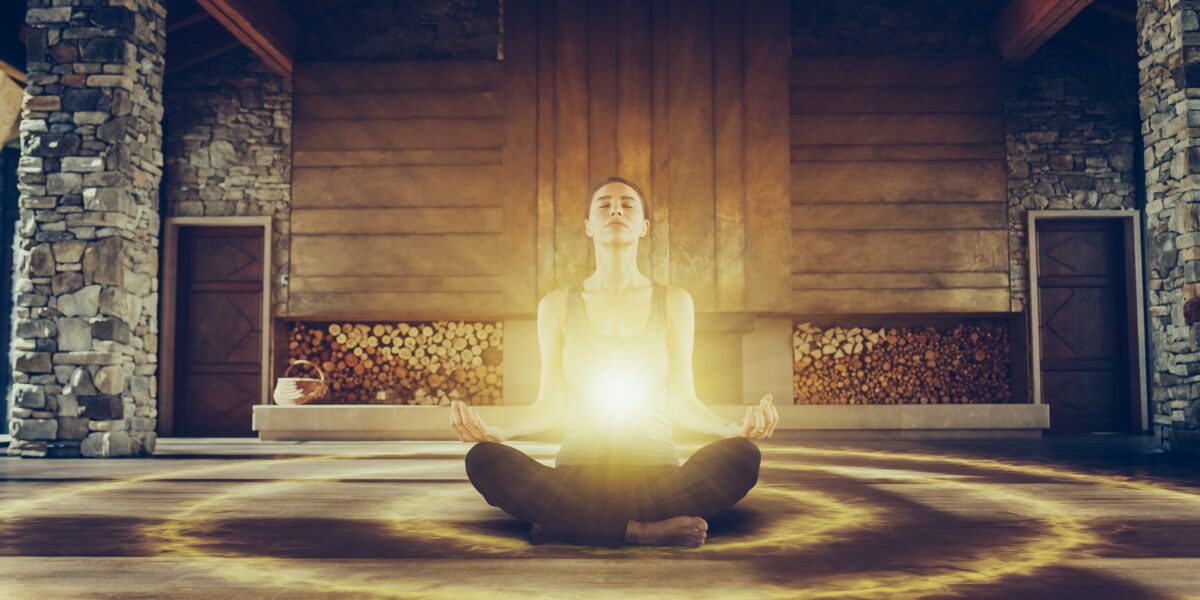
While psychedelics such as psilocybin aren’t considered performance-enhancing drugs by the World Anti-Doping Agency, there’s some notion that the effect on perception and attention (from any psychedelic substance) could pose a potential safety risk. If consumed responsibly, and also combined with existing practices such as meditation or breathwork, psychedelics could potentially provide athletes with a useful avenue to aid with recovery on both a mental and physical level. The substances might allow us to shift our understanding of how we view the body, where a more holistic interpretation of health can potentially create a society that doesn’t put so much pressure on individuals to compete. 

How different would the world look if we were to utilise psychedelics to create a more compassion-focused sports culture that didn’t just revolve around money and competition? The consumption of these substances could help with a more integrated understanding of our mind-body connection, where we start to listen more to what’s going on inside our physical shell and stop trying to push ourselves all the way to breaking point. 

Oli Genn-Bash | Community Blogger at Chemical Collective | linktr.ee/oligennbash

Oli is one of our community bloggers here at Chemical Collective. If you’re interested in joining our blogging team and getting paid to write about subjects you’re passionate about, please reach out to Sam via email at samwoolfe@gmail.com

share your toughts

Join the Conversation.

2 Comments
Inline Feedbacks
View all comments
StepoResearch
3 months ago

Good read, Interesting and mind expanding, thanks.

Ledayuum
4 months ago

great article, I focussed a lot on martial arts on mine in french here at CC, I will soon write a full article on kilindi
well played oli.

Related articles

Our Products

Related Products

1V-LSD 150mcg Blotters
1V-LSD 150mcg Blotters From 22.00
(143)
1cP-LSD 100mcg Blotters
1cP-LSD 100mcg Blotters From 18.00
(137)
Tryptamine Mix and Match Pack (4 x 0.1g)
Tryptamine Mix and Match Pack (4 x 0.1g) 65.00
(1)
1V-LSD 10mcg Micro Pellets
1V-LSD 10mcg Micro Pellets From 15.00
(43)
2-FDCK HCL
2-FDCK HCL From 12.00
(82)
1V-LSD 225mcg Art Design Blotters
1V-LSD 225mcg Art Design Blotters From 35.00
(62)
1S-LSD 150mcg Blotters
1S-LSD 150mcg Blotters From 29.00
(16)
1cP-LSD 150mcg Art Design Blotters
1cP-LSD 150mcg Art Design Blotters From 25.00
(74)
1V-LSD 225mcg Pellets
1V-LSD 225mcg Pellets From 35.00
(26)
1D-LSD 225mcg Pellets (1T-LSD)

SALE! -15%

1D-LSD 225mcg Pellets (1T-LSD) From Original price was: €42.00.Current price is: €35.70.
(13)
1cP-LSD 10mcg Micro Pellets
1cP-LSD 10mcg Micro Pellets From 15.00
(23)
5-MeO-DMT Freebase
5-MeO-DMT Freebase From 23.95
(36)
O-PCE HCL
O-PCE HCL From 17.50
(25)
1cP-LSD 20mcg Micro Blotters
1cP-LSD 20mcg Micro Blotters From 18.00
(27)
4-HO-MET Fumarate
4-HO-MET Fumarate From 19.50
(26)
rewards-icon
popup-logo

Reward program

popup-close
  • Earn
  • Affiliates