-
Set & Setting
The set and setting for a psychedelic experience are known to be key determinants of outcomes, including the occurrence of mystical experiences. The ‘set’ refers to the psychological context of the person having the experience (encompassing factors such as motivations, expectations, personality structure, mindset, and mood), while the ‘setting’ refers to the physical location and sociocultural context in which it occurs. While the concept of ‘set and setting’ was popularised in the 1960s, psychedelic-using Indigenous groups have long recognised the importance of context underpinning psychedelic usage, with a tendency to use them in structured ceremonial spaces, often following preparation.
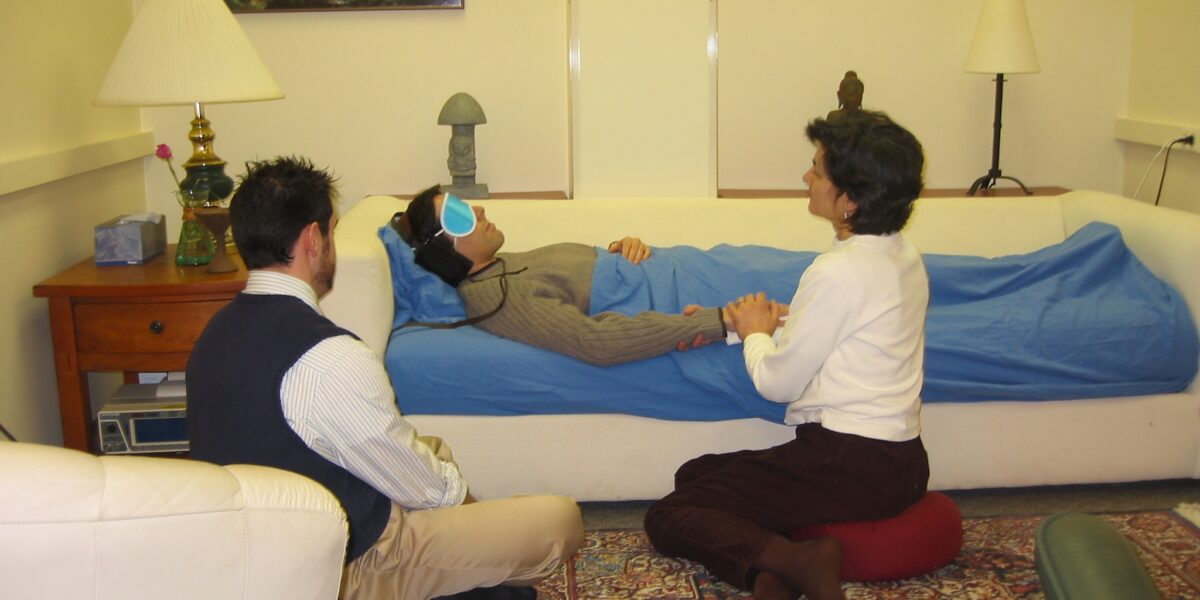
In a modern psychotherapeutic context, great care is taken to ensure a comfortable and secure setting, with interpersonal support provided in the session, in addition to interpersonal preparation and integration prior to and following it. During the psychedelic session, participants are encouraged to recline on a sofa or bed and close their eyes while wearing eyeshades and listen to a carefully selected accompanying musical playlist through headphones, with the suggestion that they focus their attention inwards for the duration of the session.
Exposure to language has been negatively associated with the occurrence of mystical experience, so verbal interactions may best be minimised during the peak effects. When the brain’s language centres are activated under psilocybin, it may shift the brain state in such a manner that it makes accessing the mystical experience harder. The Mazatec have used mushrooms ceremonially for centuries in Mexico, and they also recommend adhering to silence or speaking as little as possible, at least during the earlier phases of the experience.
In religious contexts, elements of ceremony and ritual may be incorporated to help elicit mystical experiences, with Indigenous groups also tending to use psychedelics in a ceremonial or ritualised context. Ritual elements can help shape set and setting, while a structured ceremony can help foster feelings of safety, intention, and reverence, which in turn can promote openness to non-ordinary experiences. Ceremonial elements in a psychedelic setting can create a symbolically rich environment, which may help prime the mind towards transcendent interpretations of psychedelic experiences while enhancing meaning-making.
Feelings of comfort and safety, and an inward focus are all likely important contributing factors and a calm, accepting, unburdened, and positive mindset going into a psychedelic experience has been shown to be conducive to the occurrence of mystical experiences.
-
Drug Dosage
The dosage of the psychedelic substance ingested is a key predictor of mystical experiences, with higher dosages more commonly associated with their occurrence. Higher dosages are also associated with ego-dissolution experiences, which appear to be intimately linked to mystical experiences.
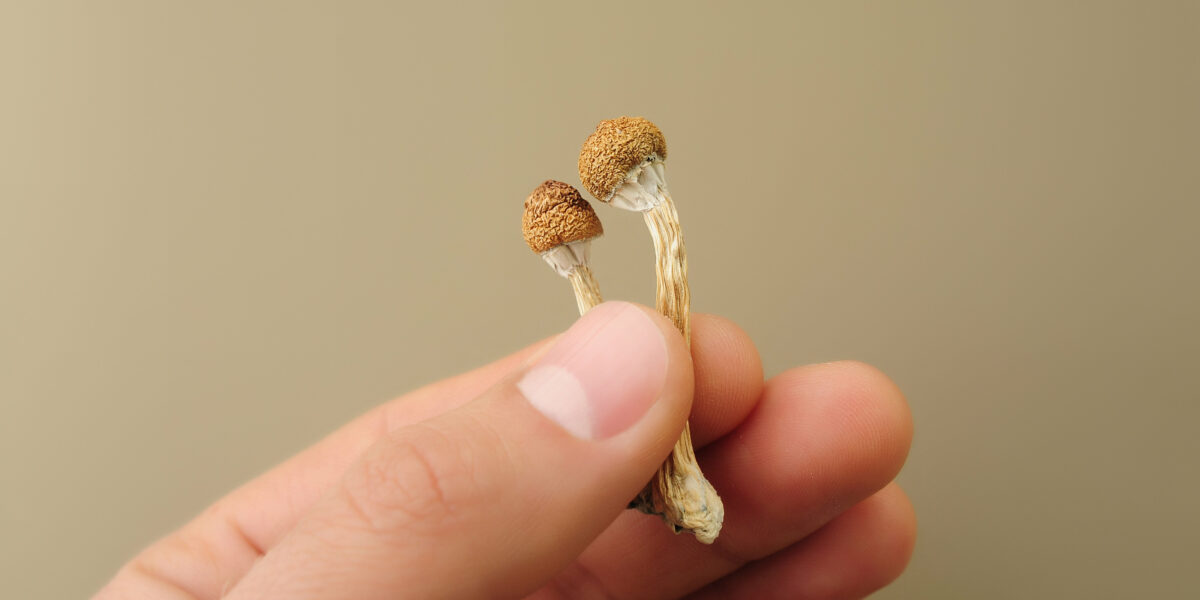
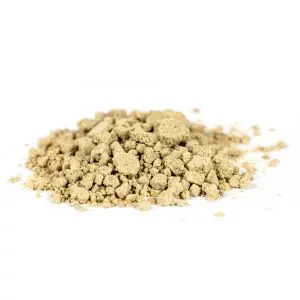
However, beyond optimal dosage, higher dosages are more likely to trigger adverse reactions, such as extreme fear, delusions, or paranoid reactions. In research conducted by Johns Hopkins, 20mg and 30mg dosages of psilocybin (per 70kg of bodyweight) were tested. The 20mg dosage resulted in mystical experiences in just under half of participants, with negligible adverse reactions at that dosage. The occurrence of mystical experiences was higher at the 30mg dosage, but the chances of adverse reactions were also much higher. A dosage of 25mg of psilocybin (roughly equivalent to 4-5g of dry Psilocybe cubensis mushrooms) was settled on as a recommended (high) ‘goldilocks’ dosage, that would help maximise the chances of mystical experiences occurring while minimising the chances of adverse reactions associated with higher dosages. This is the dosage commonly used in modern clinical studies.
An ascending sequence of dose exposure was also associated with increased likelihood of catalysing mystical experiences and sustained positive changes, suggesting that having prior experience with lower doses of psilocybin can bolster benefits evoked by subsequent higher dosage experiences. In addition, the sustained positive outcomes associated with mystical experiences (such as shifts in attitudes about life and self, positive behavioural changes, prosocial effects, and enhanced spirituality) have also been found to increase in response to dose.
-
Drug Type
While all classical psychedelics can catalyse mystical experiences, much of the modern research has centred on psilocybin. However, some studies suggest that when administered in a supportive context, the psychedelic 5-MeO-DMT can elicit mystical experiences at higher rates than psilocybin did in research studies conducted by Johns Hopkins. While more research is needed, this suggests that different psychedelics may vary in their capacity to catalyse mystical experiences.
-
Absorption
Absorption is a personality trait that encompasses an individual’s propensity to become fully immersed or engaged in sensory and imaginative experiences. It is a robust predictor of mystical experiences – occurring both with and without psychedelics – and is strongly related to openness to experience, a personality trait also found to predict the occurrence of mystical experiences under psychedelics.
While traits are considered to be deeply ingrained and resistant to change, research has revealed that psychedelics such as psilocybin can shift both openness and absorption in a way that is sustained. This suggests these personality traits may be malleable to change through other means, and there may be ways of honing one’s capacity for absorption. Meditation and yoga practitioners have been found to rate higher in absorption than non-practising controls, and it is possible that a training effect of these practices elicits an enhancement in absorption.
Comfortable settings have been proposed to facilitate enhanced absorption in the present moment, and listening to music has been associated with eliciting states of absorption. In a psychedelic psychotherapy session, the capacity for inner absorption is maximised through the setting, with people lying comfortably on a couch or bed, listening to music through headphones and wearing eyeshades. These conditions maximise the capacity for absorptive experiencing, reducing the potential for disturbances and distractions and promoting an inner journey.
It has also been proposed that practices conducted in a ceremonial and ritualistic fashion may elevate absorption in a religious context, and this may also apply to a context of psychedelic usage, with psychedelic-using Indigenous groups almost invariably using them in this manner.
-
Personal Intention
Having clear intentions prior to a psychedelic session so that an individual feels prepared for the experience is predictive of mystical experiences. Psychedelics are not used frivolously by Indigenous groups, with intention comprising a key aspect of their usage. Of a range of different motivations behind psychedelic usage, approaching the experience with an emotional intent or with a spiritual motivation has been associated with a greater likelihood of mystical-type experiences and enhanced well-being.
-
Surrender
The ability to let go and surrender (the voluntary release of goals, constructs, preferences, and habits) at the beginning of a psychedelic session has been found to be an important predictor of mystical experiences occurring within a session, whereas a state of mental apprehension can block them.
Achieving the ability to mentally let go and surrender to the experience, or what has been termed the “surrender state”, is partly underpinned by setting factors, with feelings of safety, security, and trust being conducive to cultivating such a state. A psychedelic experience occurring in a safe, secure and soothing setting with trusted people is likely to support this.
“Trust, let go, be open” was the mantra central to the therapeutic approach used by psychedelic therapists overseeing psychedelic sessions at Johns Hopkins, and was adopted by other research groups pursuing psychedelic research elsewhere. Practices such as Holotropic Breathwork place an emphasis on surrendering to the experience, and so the application of such a practice going into another altered state prior to a psychedelic session may assist people in learning to surrender and let go prior to having a psychedelic experience.
-
Acceptance
A state of acceptance has been found to be predictive of mystical experiences. Acceptance is related to a non-judgemental, accepting, and appreciative attitude to oneself and one’s experiences, or the ability to allow events to unfold without trying to control them.
Acceptance is a key aspect of mindfulness and has been found to be enhanced by mindfulness practice. An emphasis is placed on cultivating a state of acceptance by a number of different therapeutic approaches used as part of psychedelic therapy. Entering into an experience with acceptance may also help reduce mental barriers, or the tendency to reject phenomena having no rational explanation, which is negatively associated with the occurrence of mystical experiences.
-
Music
Music has been associated with provoking mystical experiences outside a context of psychedelic usage, and it likely plays a key role in evoking these experiences under psychedelics. Psychedelics enhance our emotional response to music, which has been referred to as the “hidden therapist”, given the central role it plays in psychedelic sessions. It can enhance feelings of wonder and transcendence under a psychedelic, these being core facets of the mystical experience.
The type of music played is likely to influence the occurrence of mystical experiences. One study surveyed individuals with extensive experience of administering psilocybin, and it was reported that music possessing certain qualities, such as a regular, predictable, formulaic phrase structure, orchestration, and a feeling of continuous movement and forward motion that builds over time, was important. Exposure to language has been negatively associated with the occurrence of mystical experiences under psychedelics, so music with recognisable lyrics may be best avoided or minimised – at least until the re-entry phase of the experience following peak effects.
Another small study reported that overtone-based music (emphasising instruments with a particularly strong overtone signature, such as Tibetan singing bowls, gongs, didgeridoo, chimes, bells, sitar, human voice overtone singing) was associated with greater overall mystical experiences than compositions dominated by Western classical music. (It may be that classical music has more cultural connotations than world music, which could influence outcomes.) It should be noted that this study was small (with a sample size of only 10 people, and the result was not significant), but further research on how types of music might influence the occurrence of mystical experiences is warranted.
-
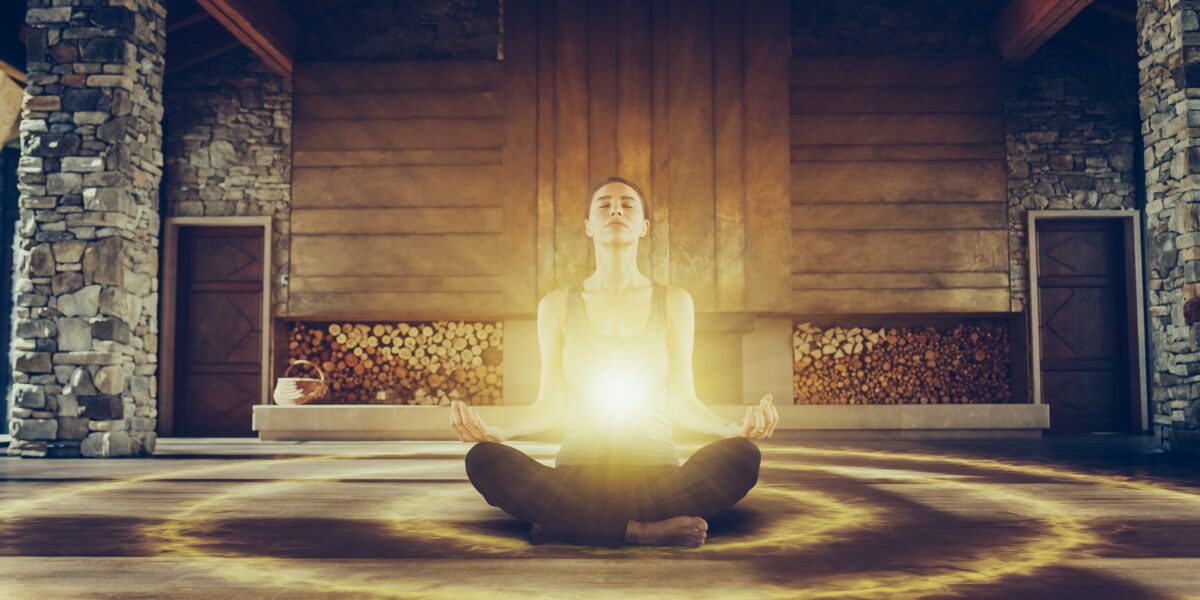
Meditation and Spiritual Practices
Disciplined contemplative practices such as meditation have been associated with the occurrence of mystical experiences on occasion, although such experiences are more likely to occur following intensive or sustained long-term practice. Research suggests that spiritual practices such as meditation can amplify the occurrence and intensity of mystical experiences while enhancing the long-term psychological benefits associated with them. In this way, the use of psychedelics alongside a meditative or spiritual practice can potentially impart a positive synergy.
One study administered psilocybin to experienced Zen Buddhist meditation practitioners on a five-day mindfulness meditation group retreat in the Swiss Alps. All but one of the 20 participants who received psilocybin reported a ‘complete’ mystical experience, with this being over double the rate in a study conducted by Johns Hopkins using an equivalent dosage of psilocybin.
Prior levels of meditation depth were positively associated with mystical experiences, and psilocybin was found to enhance mindfulness and yield greater sustained positive changes in psychological functioning following the retreat. Meditation practice also appeared to positively shape the acute psilocybin experience, enhancing its positive effects while buffering against possible adverse reactions (with no adverse reactions recorded). This suggests that mindfulness meditation practice may synergise with the experience of psilocybin in a number of ways.
Even shorter-term meditation practice prior to a psychedelic experience may be beneficial. One study assessed how spiritual practices, including meditation and awareness and self-reflective practices, might interact with the psilocybin experience and its associated outcomes. Engagement with spiritual practices commenced 1–2 months prior to the psilocybin experiences and was kept up for 6–8 months following them. Those engaging with the spiritual practices reported higher mystical experience scores in addition to greater long-term psychological benefits, with 96% of this group rating their psilocybin experiences as among the top five most spiritually significant experiences of their lives. This suggests that the spiritual practices enhanced the spiritual significance of the experience and the attribution of enhanced spirituality to it following it.
-
Nature-Based Settings
Immersion in natural settings can elicit spiritual feelings and mystical experiences. The Swiss chemist Albert Hofmann – who invented and discovered LSD and was the first person to isolate and synthesise psilocybin – was initially put onto his chemistry career path due to mystical experiences he experienced while walking in the woods in his younger days. These experiences made Hofmann fascinated in the nature of the fabric by which the world is constructed, and he felt that chemistry would allow him to explore this. His interest in nature led him to pursue animal and plant chemistry, and this would eventually lead him to create LSD. Reflecting on his own LSD experiences, he felt them to be reminiscent of these earlier mystical experiences he underwent while out in nature.
Using psychedelics with the intent to connect with nature has been associated with a greater likelihood of mystical experiences and greater well-being scores in comparison to a number of other motivations informing usage. Natural settings may be supportive of mystical experiences in a number of ways. They can have a soothing effect while supporting meditative and reflective mind states, while promoting states of mindfulness, absorption, and awe. Awe has been associated with spiritual experiences and feelings, and a state of profound awe has been associated with psychedelic mystical experiences.
Feelings of interconnectedness are another core facet of the mystical experience, and a particularly direct perspective of this interconnection may come through recognition of our shared place in the wider web of life in natural settings. Feelings of awe and interconnectedness may persist beyond the psychedelic experience, and contact with nature may help sustain these feelings.








































share your toughts
Join the Conversation.