Welcome to
Chemical Collective

Are you 18 or older?

Please confirm that your are 18 years of age or older.

You are not allowed to access the page.

info-icon €100 for domestic (NL, CZ, DE) €125 for the rest of the EU, excluding stealth shipping

Free shipping over €50 & free tracked shipping over €100

Friendly customer service available 9-5pm Monday to Friday

Free shipping over €50 & free tracked shipping over €100

Friendly customer service available 9-5pm Monday to Friday

Your cart is empty

Could the Gut-Brain Axis Influence Responses to Psychedelics?

oli-genn-bash

By Oli Genn-Bash

shutterstock 2128408334
in this article
  • The Gut-Brain Axis: An Overview
  • What’s Going on in the ‘Second Brain’?
  • Do Gut Bacteria Modulate Our Minds?
  • Psychedelics and the Gut
  • Before the Trip: Why Gut State Might Matter
  • Microbial Intuition and Traditional Dietas
  • Future Research
oli-genn-bash

By Oli Genn-Bash

Disclaimer: The views and opinions expressed in this article are those of the authors and do not necessarily reflect the official policy or position of the Chemical Collective or any associated parties.

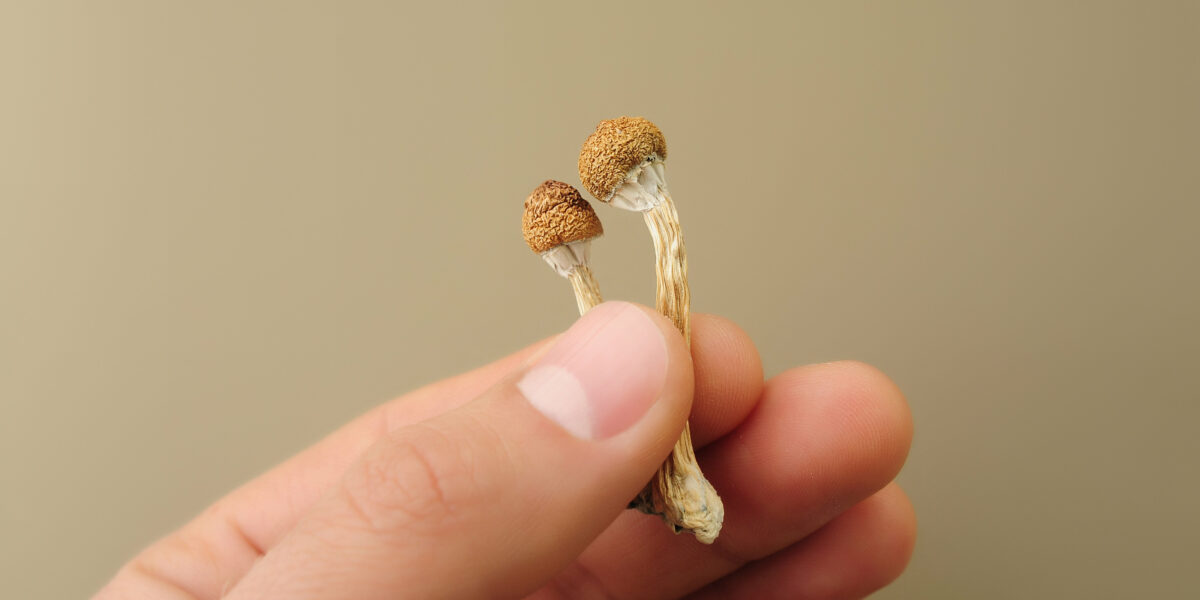
When we talk about the effect that certain psychedelics are having on us, are we paying attention to whether or not our bodies are actually providing the right environment for them to do their job properly? It might be all well and good to take a specific dose of psilocybin mushrooms, for example, but what if there’s a way to fine-tune our system to make it easier for those mushrooms to have a desired effect? 

Psychedelic research seems to place a lot of attention on what’s going on inside the brain, with a lot of the conversations revolving around receptor sites, neurotransmitters, or neural networks – but it seems like the rest of the body is left out. 

With more focus being placed on the role of gut bacteria in influencing different areas of our health, including our mental health, it would seem obvious to look at the interaction between these bacteria and powerful substances that also have an effect on our mental health. The therapeutic mechanisms that underlie psychedelic treatment can be complex, but looking at the gut-brain axis might provide an avenue to further understand unconscious processing that regulates our neurophysiology. 

I’ve often reflected on my previous consumption of psychedelics and wondered whether or not my bodily system was actually in the right state to be receiving the full benefits, especially when I’ve had challenging experiences. In recent years, I’ve paid more attention to my gut microbiome, and generally my experiences with psychedelics seem to be quite easy – this could be down to my system as a whole being more mature, but I think there’s a lot to be said for having created a more hospitable environment, where I’m able to absorb and digest things more effectively, as well as engaging more in the balance of mind-body.

We might start to think about how certain systems in our body, such as the immune system, could be considered ‘intelligent’ when we explore how our body utilises psychedelics. Could the connection between our gut, neurophysiology, and immune system play a meaningful role in how we experience psychedelics? Researchers are often focusing on neurotransmitters and what’s happening inside the brain when it comes to looking at the effects of psychedelics – but what if the state of our gut microbiome or how much inflammation we have in the body is changing our experience entirely? 

The Gut-Brain Axis: An Overview

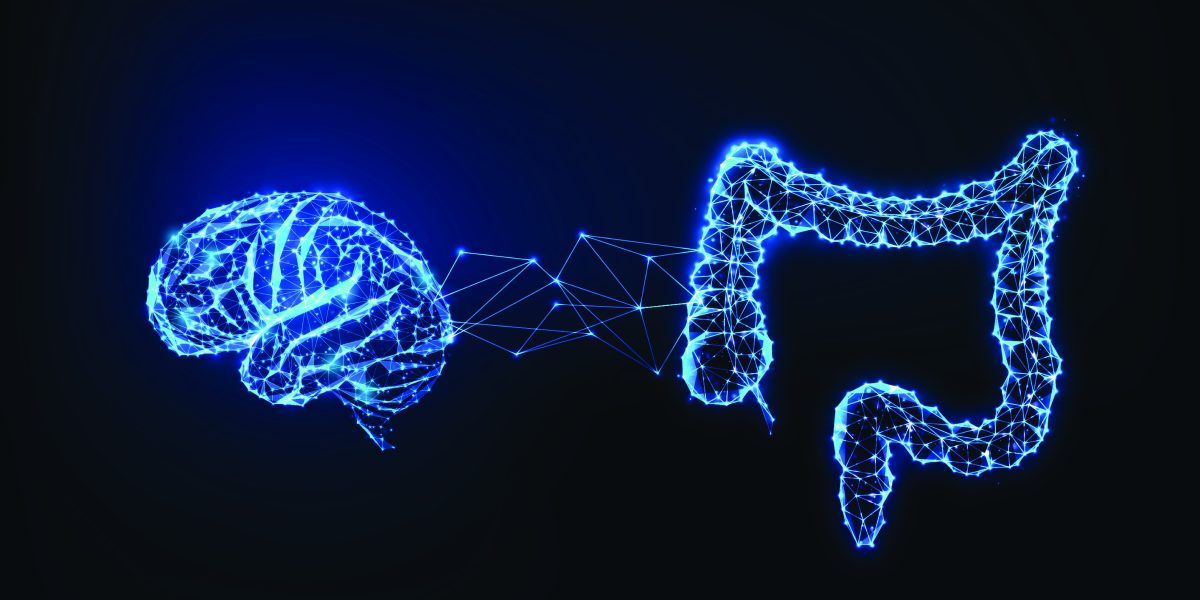
This axis is the two-way biochemical signaling between the enteric nervous system (‘enteric’ meaning related to the intestines) in your gastrointestinal tract (GI) and your central nervous system (CNS). This bidirectional communication links emotional and cognitive functions with your peripheral intestinal functions, and this is where we get the concept of having a ‘gut feeling’ about things. The network also includes the functions of both the brain and spinal cord, the autonomic nervous system (ANS), which is responsible for unconscious functions, and the hypothalamic pituitary adrenal (HPA) axis, which involves your body’s response to stress. 

There is also coordination between the vagus nerve (the most widely distributed and complex nerve in the body) and your gut bacteria, which is the most abundant and diverse microbiota in humans. It’s not entirely clear how the specific mechanisms operate, with some suggestion that this communication happens both directly and indirectly – but it’s thought that the vagus nerve plays a primary role in exchanging information directly between the brain and the intestinal tract. Certain neurodegenerative diseases caused by issues with the vagus nerve can contribute towards depressive or anxious behaviour, and it’s thought that this nerve maintains homeostasis in the body, as well as being interpreted as the physical counterpart to understanding the chakra system in Ayurveda. 

The microbes in our gut can themselves also impact our behaviour, with an ability to communicate with our brain directly and indirectly through chemical signals. Short-chain fatty acids produced by gut microbes can impact the regulation of neuroplasticity and the functional condition of the CNS. Indirectly, the microbes release GABA, serotonin, and dopamine, with up to 95% of serotonin being produced in our gut.

The amino acid tryptophan, which is rich in certain foods such as fish, turkey, eggs, and sesame seeds, is converted by gut microbes into serotonin, and it might be difficult for our bodies to do this if we’re consuming a poor-quality diet with low amounts of tryptophan-rich foods. There’s even research to suggest that poor-quality diets might essentially train our gut bacteria to desire junk food more often, and potentially hijack regions such as the vagus nerve to cause us to crave these types of food.

It seems obvious that if we’re putting junk into our body, there will be physical implications such as weight gain or certain diseases, which will ultimately affect our mood – but it does seem like the real stuff is going on at the microbial level. There might be ways we can improve the health of our gut microbiome, such as cutting out ultra-processed foods, eating a diverse diet, and including prebiotic and probiotic foods, and this can ultimately have an impact on the state of our mental health. When we think about this in the context of psychedelics, we can create an environment that is going to be more conducive to a positive experience. This might imply something more of an interrelationship between our gut and the substances we’re consuming, especially when there’s good reason to believe that the enteric nervous system (ENS) is effectively working as a ‘second brain’.


What’s Going on in the ‘Second Brain’?

Far from just having the job of simply digesting food, our ENS contains a vast network of neurons and neurotransmitters (similar to what we have in our brain), which can influence our decisions, mood, and well-being. There are between 50-100 million nerve cells in the ENS, similar to how many are in the spinal cord, with an incredible capacity to communicate rapidly with the brain stem in mere seconds. 
It operates independently of the CNS, with functions ranging from the propulsion of food to nutrient absorption, blood flow regulation, and ensuring proper immune defence. Looking at the ENS in this independent way has opened up the possibility of new therapeutic treatments for managing certain GI disorders, but it might also allow us to explore how the state of this independent environment might impact our responses to consuming (or more specifically, digesting) psychedelics.

A dysfunctional ENS has also been linked to neuropsychiatric disorders such as autism, depression, and anxiety, and this might offer more insight into how this system could be involved in the co-processing of our psychedelic experiences, where we might have an easier time depending on what’s going on with our gut microbiome. It might sound a bit reductive to think about our mental health being intimately linked with what’s going on in our gut, but I think more people are starting to recognise how much this way of thinking makes sense. 

There’s often a propensity to talk about psychedelics within a context that separates body and mind, where often the focus is on what’s happening in the mind and not so much attention is placed on the wider body itself. There is, of course, huge potential for somatic release during psychedelic experiences, where we can release trauma through physical actions which are related to different mind-body practices, such as meditation, breathwork, or dance. This kind of physical interpretation is more closely related to the macro side of things, which we shouldn’t ignore, but the micro world might offer a more in-depth understanding of what’s actually going on.

Do Gut Bacteria Modulate Our Minds?

The gut is a diverse, almost alien-like environment, with trillions of different species of micro-organisms such as fungi and bacteria influencing each other and the gut itself. The amount of these organisms, collectively known as ‘microbiota’, might even outnumber our own human cells, and were certainly here long before us. So we might very well be at the whim of the microbiota and have not much say in our macro world when it comes to creating a welcoming environment for psychedelic substances – unless, of course, we engage with the micro side of things to improve this environment. This opens up new questions, like what actually constitutes us? Or who is the one actually doing the decision-making when it comes to eating foods that are going to create a welcoming gut microbiome?

Interestingly, the diversity of our microbiota can affect our levels of sociability, with a more diverse range being related to positive levels of social interaction. Reduced diversity might also contribute to stress and anxiety, and potentially prime us for experiences that are more challenging or confusing. A more diverse microbial ecology could potentially allow us to engage with psychedelic experiences in a more positive way by increasing our levels of emotional resilience, openness, or mystical insight. 

I’m sure most people consider the kind of setting we want to be in during our psychedelic experiences, with many opting for natural environments, which are going to be pleasant to engage with in an altered state of consciousness. We might find some ancient woodland to explore, or even just spend some time in our garden…but what about the state of our ‘inner garden’? If we can set the tone for mind-expanding experiences through paying attention to this inner garden, then we might be able to have an easier time on a more consistent basis. 

Psychedelics and the Gut

Some research has suggested that psychedelics interact with our gut in a number of different ways. It seems that our microbiome is a direct target for psychedelics, where they are able to modulate the composition of the microbiota, which can increase the availability of enzymes such as tryptophan metabolites. This direct action can modulate psychopathology via the gut-brain axis, but the microbiota can also have an indirect effect on the psychedelics themselves, where they might be involved in metabolising the substance into either an active or inactive form, as well as other byproducts. There are also changes in the gut as a result of the effect that psychedelics have on us, such as lowering stress levels, which can have a positive impact on the state of our microbiome. 

Psychedelics such as psilocybin mushrooms activate the widely abundant serotonin receptors in the gut, as well as having a positive impact on neuroplasticity in the brain, and general mental well-being via stimulation of the vagus nerve. These peripheral effects via the gut-brain axis might allow us more insight into how psychedelics affect the brain and body, where we might be able to prepare better for these kinds of experiences. 

Before the Trip: Why Gut State Might Matter

I tend to consume psychedelics on an empty stomach because I’ve always thought they absorb better, as well as helping me to avoid any unnecessary digestive discomfort that might come from consuming certain substances. The trip might be more intense when we take psychedelics on an empty stomach, but I personally find this creates an easier experience from a physical perspective, even if the come-up might be quite strong. 

When it comes to mushrooms, I always avoid eating them dry and tend to encourage people to make tea, as the dried mushrooms can be very difficult to break down due to certain fibers and sugars, along with people lacking the right kind of enzymes in their gut. Eating dried mushrooms that aren’t properly broken down can cause discomfort such as gas, cramping, or bloating, which aren’t really ideal things to be having to deal with when you’re tripping. 

A bloated or sluggish gut might create an experience that is heavy, foggy, or anxious, whereas having a digestive system that is functioning more easily might result in a lighter or clearer-minded trip. There’s now some interest in looking at ways in which we might be able to personalise psychedelic therapy to look at ways in which we can alter our gut bacteria to get the most out of the substances, especially when there’s a lot of competition to metabolise these substances and access precursors like tryptophan to create serotonin. 

Could there be a whole new industry dedicated to microbiome-friendly pre-trip prep? While something like this sounds quite niche, it might not be so out there to think that we could utilise the benefits of fermented foods, extra fiber, or probiotics to prepare our gut microbiome to receive the psychedelics in a way that is going to be most efficient. Avoiding irritants like alcohol or ultra-processed foods prior to tripping might also help create a more hospitable environment to start our trip. 

There might also be other plants or fungi that we could consume alongside things like magic mushrooms to create a friendlier gut microbiome – certain types of functional mushrooms have been shown to positively impact the state of our gut bacteria, with compounds known as polysaccharides having an effect on the neuro-immune mechanisms in the body. 

Microbial Intuition and Traditional Dietas

The rise in popularity of ayahuasca experiences among Westerners has led to the emergence of the ‘Ayahuasca diet’, which was primarily implemented to avoid contraindications between ayahuasca and Western medicines, such as SSRIs. However, this has also been tied in with the wider concept of the Dieta, which is more related to the spiritual devotion to the plant and includes guidance for abstaining from sex and alcohol, as well as rich, salty, spicy, or sweet foods that might overstimulate the system. 

There’s not much evidence to suggest that these Dietas are specifically intended to benefit our microbiome, but there might be some intuitive intelligence going on, especially when there’s research to suggest that food such as sugar can actually disrupt the functions of our gut bacteria in protecting us against obesity and diabetes. Eating more simple foods may promote a healthier microbiome, which can make our system more sensitive and receptive to certain plant medicines. So, despite this ancient wisdom not being framed in a microbial sense, there might be a strong basis for the intuitive sense of creating a more hospitable environment for these substances. Traditional wisdom and microbiology might align more than we think, and perhaps there’s something to be said for the concept of ‘interoception’, where there is a deeper perception and more knowledge surrounding the internal state of our body. 

Future Research

Could we live in a future where gut microbiome testing might be used to map things out before we consume any psychedelics? What about afterwards, to see where there might have been some changes? If we can use this mapping to predict the intensity of the trip or maybe even the level of anxiety we might experience, then this could be a valuable tool in creating protocols that get the most out of our psychedelic experiences.

Could psychotherapists team up with microbiologists to develop a holistic treatment path that seriously takes into account the gut-brain axis? We might even be able to track our own experiences alongside our diet, as well as opening up new pathways to researching the benefits of psychedelics within the context of gut-brain modulation. 

This axis might even be the missing link to fully understand how psychedelics work on both a pharmacological and experiential basis, where we view psychedelics within the context of the whole body, rather than just what’s happening inside the brain. Honouring the state of our gut might be just as important as thinking about set and setting, so next time you trip, you might want to ask yourself not just what’s on your mind, but what’s in your gut? 

Oli Genn-Bash | Community Blogger at Chemical Collective | linktr.ee/oligennbash

Oli is one of our community bloggers here at Chemical Collective. If you’re interested in joining our blogging team and getting paid to write about subjects you’re passionate about, please reach out to Sam via email at samwoolfe@gmail.com

share your toughts

Join the Conversation.

4 Comments
Inline Feedbacks
View all comments
Joseph Aquilina
3 months ago

This is a great article… if the 5HTP2A are found in the gut, why wouldn’t the gut have an impact of the psychedelic experience.

Gregory Sams
3 months ago

Brilliant, and gives some good scientific basis to a practice that I’ve always employed when taking herbal medicines such as golden seal, ginkgo biloba, ginseng, rhodiola r, echinacea, and whatever. Where flavours are involved I always empty capsules or crush pills and get the flavour of them in my mouth. This on the principal of our bodies being smart enough and connected enough to tell us when support is needed, and alter tastebud appreciation of something that might’ve tasted bad before it did you good? – Natto, keffir and black seed oils are cases. I do not take herbal things regularly, but my conscious self calls for them when needed and it’s not a case of looking it up in the back of some book.

Ledayuum
4 months ago

lovely thanks i liked it

Related articles

Our Products

Related Products

1V-LSD 150mcg Blotters
1V-LSD 150mcg Blotters From 22.00
(143)
1cP-LSD 100mcg Blotters
1cP-LSD 100mcg Blotters From 18.00
(137)
Tryptamine Mix and Match Pack (4 x 0.1g)
Tryptamine Mix and Match Pack (4 x 0.1g) 65.00
(1)
1V-LSD 10mcg Micro Pellets
1V-LSD 10mcg Micro Pellets From 15.00
(43)
2-FDCK HCL
2-FDCK HCL From 12.00
(82)
1V-LSD 225mcg Art Design Blotters
1V-LSD 225mcg Art Design Blotters From 35.00
(62)
1S-LSD 150mcg Blotters
1S-LSD 150mcg Blotters From 29.00
(16)
1cP-LSD 150mcg Art Design Blotters
1cP-LSD 150mcg Art Design Blotters From 25.00
(74)
1V-LSD 225mcg Pellets
1V-LSD 225mcg Pellets From 35.00
(26)
1D-LSD 225mcg Pellets (1T-LSD)

SALE! -15%

1D-LSD 225mcg Pellets (1T-LSD) From Original price was: €42.00.Current price is: €35.70.
(13)
1cP-LSD 10mcg Micro Pellets
1cP-LSD 10mcg Micro Pellets From 15.00
(23)
5-MeO-DMT Freebase
5-MeO-DMT Freebase From 23.95
(36)
O-PCE HCL
O-PCE HCL From 17.50
(25)
1cP-LSD 20mcg Micro Blotters
1cP-LSD 20mcg Micro Blotters From 18.00
(27)
4-HO-MET Fumarate
4-HO-MET Fumarate From 19.50
(26)
rewards-icon
popup-logo

Reward program

popup-close
  • Earn
  • Affiliates