Welcome to
Chemical Collective

Are you 18 or older?

Please confirm that your are 18 years of age or older.

You are not allowed to access the page.

info-icon €100 for domestic (NL, CZ, DE) €125 for the rest of the EU, excluding stealth shipping

Free shipping over €50 & free tracked shipping over €100

Friendly customer service available 9-5pm Monday to Friday

Free shipping over €50 & free tracked shipping over €100

Friendly customer service available 9-5pm Monday to Friday

Your cart is empty

How Influential People Shape Our View of Psychedelics

stephanie-price

By Stephanie Price

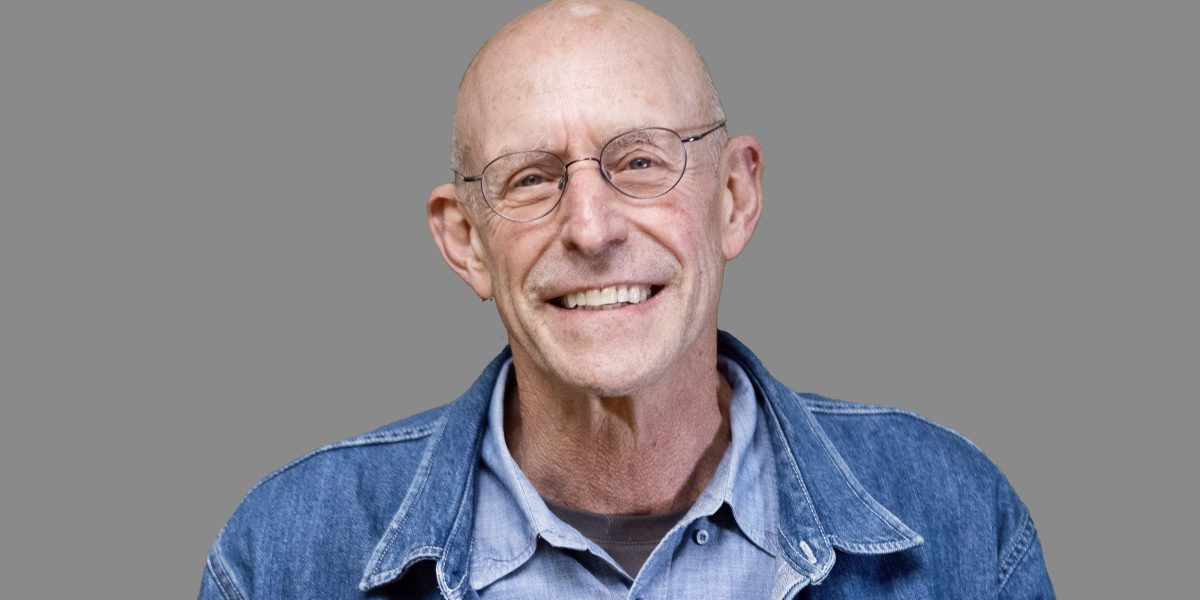
rsz michael pollan by christopher michel in 2022 04 1
in this article
  • Influencing the Horizons of Science
  • Cultural Legitimisation
  • Money and Politics
  • Influencing Through the Arrow of Time
stephanie-price

By Stephanie Price

Disclaimer: The views and opinions expressed in this article are those of the authors and do not necessarily reflect the official policy or position of the Chemical Collective or any associated parties.

Since 1971, Nixon’s declaration of the War on Drugs gave psychedelics a dangerous reputation, exciting fear in the general populace. 

Today, attitudes are changing, with data showing that this perspective has radically shifted.

In fact, 55% of the UK public support psilocybin-assisted therapy, 61% of the US public support regulated therapeutic access, and 94% of 430 mental healthcare professionals across the globe would consider incorporating them into their practice if legalised.

So what has contributed to this reframing of psychedelics, their danger, utility, and potential?

Behind the shift lie influential people challenging our understanding and perspective of these compounds.

Influencing the Horizons of Science

Early research into psychedelics that took place from the 1930s to the 1960s was beginning to reveal insights into the potential of psychedelics like LSD and mescaline as medicines for psychiatry. 

But this scientific enquiry was abruptly halted when they were categorised as Schedule 1 drugs following the moral panic that enveloped them, stalling the development of knowledge on the compounds and hampering potential innovation. 

The decision to categorise psychedelics in Schedule 1 was based on a World Health Organization (WHO) assessment that concluded psychedelics had no medical utility.

Adding to this, their controversial nature was not something many scientists wanted to be associated with, leading to very little research into the compounds for decades.

Despite this, some scientists have not been afraid to explore their potential. 

The early days of psychedelic science have been hugely influential, with work from scientists such as Albert Hofmann, Humphry Osmond, Stanislav Grof, and Alexander Shulgin looking at compounds including LSD and mescaline for schizophrenia or MDMA for psychotherapy, for example, has laid the groundwork for much scientific inquiry today.

Following their work, companies such as the Multidisciplinary Association of Psychedelic Studies (MAPS [now Lykos]) have been researching the potential of MDMA-assisted psychotherapy for conditions such as PTSD and treatment-resistant depression. 

These years of work have not been without controversy, and the treatment was rejected by the FDA. However, the organisation is now repeating Phase 3 clinical trials with the hopes of gaining FDA approval – a marked step forward for psychoactive substances in psychiatry.

Equally, influential individuals such as the founder of the non-profit Beckley Foundation, Amanda Feilding, have been contributing to this science. 

Feilding, who died in May 2025, was a countess, researcher, and drug reform campaigner, and conducted ample psychedelic research since the 1960s.

Founding the charitable foundation in 1998, Feilding has been pivotal in revealing the potential medical utilities of psychedelics – researching psilocybin for smoking cessation and the treatment of depression, and producing the first visualisation of the effects of LSD on the brain in collaboration with Imperial College London in 2016.

Part of this research programme was Professor David Nutt of Imperial. In 2007, Nutt challenged the status quo on the danger of psychedelics when he and fellow researchers concluded in a paper published in The Lancet that alcohol and tobacco were more harmful than psychoactive substances such as MDMA and LSD.

Nutt was dismissed from his position on the Advisory Council on the Misuse of Drugs (ACMD) in 2009 for his views on drugs and went on to found Drug Science, a non-profit organisation that has been fundamental in policy reform regarding medical cannabis.

The non-profit works to provide education on drugs and campaigns for reform around medical cannabis and psychedelics.

Now, the number of scientists investigating these substances today is on the rise, and this accumulation of scientific knowledge has led to universities across the world beginning to offer courses in psychedelics, establishing psychedelic departments and carrying out psychedelic research.

This accumulation of scientific knowledge has also contributed to increased therapeutic access to psychedelics in Canada, Australia, and the US.


Cultural Legitimisation

Cultural figures such as artists, musicians, and creatives can have a big impact on how we view these substances.
Oftentimes, the art inspired by these substances never lines up with the images of horror that arise when they are spoken of as dangerous – but what they do convey is a vast, inner terrain and stunning imagery that challenges the commonly held belief of these drug experiences as only ever frightening.

Likewise, through novels and poetry, writers have tried to convey the subjective psychedelic experience through narrative and style, creating worlds and descriptions that encapsulate the visual details and heartfelt emotions of psychedelic trips.

Filmmakers have tried to convey the psychedelic experience through esoteric, philosophic, or trip-like sequences or animations.

Through these creative mediums, artists have been providing a sliver of insight into the world of the psychedelic experience, challenging the status quo on the nature of hallucinations.

The emerging science of psychedelics has also contributed to increasing media headlines on their benefits and manifested into a number of growing wellness movements like microdosing and psychedelic retreats. 

Cultural influencers like celebrities and sports stars have also been in their corner – from Silicon Valley’s culture of using psychedelic drugs to boost creativity, to hockey players like Dan Carcillo speaking on their benefits for traumatic brain injury, and even Prince Harry discussing his use. 

The acceptance of these drugs by individuals who have the ability to influence others is growing, contributing to a cultural shift in ideas about wellness, mental health, and the nature of the psychedelic experience. 

Money and Politics

Money talks – and those with money have the power to fund. Drug development and trials are incredibly expensive, and securing funding for psychedelic research doesn’t come without its difficulties. 

Currently, there is a high unmet need for innovative mental health solutions, and ethical investors are looking to back psychedelic science as more research points towards their potential as a new option for psychiatric medications.

Not only are private investors now backing this science, but so are governments, and the past five years have seen a number of historical government-backed investments into psychedelic research programmes.

For example, in 2024, the EU awarded €6.5m to 19 European countries for a psychedelic clinical trial, and in the US in 2021, psychedelic research received a federally funded grant for the first time in 50 years to study psilocybin for tobacco addiction.

Campaign and reform groups play a large role in this, lobbying for increased access to research, educating policymakers on the latest psychedelic science, and sharing personal stories of how these substances have benefitted them.

This rise in both private and public investment in psychedelics signals a strong shift in political perspectives, healthcare and business perspectives on the nature of these substances.

Influencing Through the Arrow of Time

These views and influences have not sprouted out of nowhere. The ground that these influences grow on was fertilised by thousands of years of human use across different cultures and societies.

From philosophers who sought to explore psychedelics first-hand to individuals like Maria Sabina, whose story raises significant questions around the ethics of how indigenous knowledge of psychedelics is used and shared, there is a long history of knowledge and use that is informing our perspective today. 

While many have a fear of psychedelics due to their historical stigma, these influential figures from both the past and the present are playing an important role in shifting the cultural narrative around these substances.

Stephanie Price | Community Blogger at Chemical Collective

Stephanie is one of our community bloggers here at Chemical Collective. If you’re interested in joining our blogging team and getting paid to write about subjects you’re passionate about, please reach out to Sam via email at samwoolfe@gmail.com

share your toughts

Join the Conversation.

0 Comments
Inline Feedbacks
View all comments

Related articles

Our Products

Related Products

1V-LSD 150mcg Blotters
1V-LSD 150mcg Blotters From 22.00
(143)
1cP-LSD 100mcg Blotters
1cP-LSD 100mcg Blotters From 18.00
(137)
Tryptamine Mix and Match Pack (4 x 0.1g)
Tryptamine Mix and Match Pack (4 x 0.1g) 65.00
(1)
1V-LSD 10mcg Micro Pellets
1V-LSD 10mcg Micro Pellets From 15.00
(43)
2-FDCK HCL
2-FDCK HCL From 12.00
(82)
1V-LSD 225mcg Art Design Blotters
1V-LSD 225mcg Art Design Blotters From 35.00
(62)
1S-LSD 150mcg Blotters
1S-LSD 150mcg Blotters From 29.00
(16)
1cP-LSD 150mcg Art Design Blotters
1cP-LSD 150mcg Art Design Blotters From 25.00
(74)
1V-LSD 225mcg Pellets
1V-LSD 225mcg Pellets From 35.00
(26)
1D-LSD 225mcg Pellets (1T-LSD)

SALE! -15%

1D-LSD 225mcg Pellets (1T-LSD) From Original price was: €42.00.Current price is: €35.70.
(13)
1cP-LSD 10mcg Micro Pellets
1cP-LSD 10mcg Micro Pellets From 15.00
(23)
5-MeO-DMT Freebase
5-MeO-DMT Freebase From 23.95
(36)
O-PCE HCL
O-PCE HCL From 17.50
(25)
1cP-LSD 20mcg Micro Blotters
1cP-LSD 20mcg Micro Blotters From 18.00
(27)
4-HO-MET Fumarate
4-HO-MET Fumarate From 19.50
(26)
rewards-icon
popup-logo

Reward program

popup-close
  • Earn
  • Affiliates