Welcome to
Chemical Collective

Are you 18 or older?

Please confirm that your are 18 years of age or older.

You are not allowed to access the page.

info-icon €100 for domestic (NL, CZ, DE) €125 for the rest of the EU, excluding stealth shipping

Free shipping over €50 & free tracked shipping over €100

Friendly customer service available 9-5pm Monday to Friday

Free shipping over €50 & free tracked shipping over €100

Friendly customer service available 9-5pm Monday to Friday

Your cart is empty

The Role of Chanting in Psychedelic Rituals

oli-genn-bash

By Oli Genn-Bash

rsz shutterstock 2473659221
in this article
  • Chanting as a Cross-Cultural Practice
  • Entraining the Brain: How Repetition, Rhythm, and Vibration Affect Consciousness
  • Sound as a Carrier of Intention and Energy
  • Chanting as a Facilitator for Integration
oli-genn-bash

By Oli Genn-Bash

Disclaimer: The views and opinions expressed in this article are those of the authors and do not necessarily reflect the official policy or position of the Chemical Collective or any associated parties.

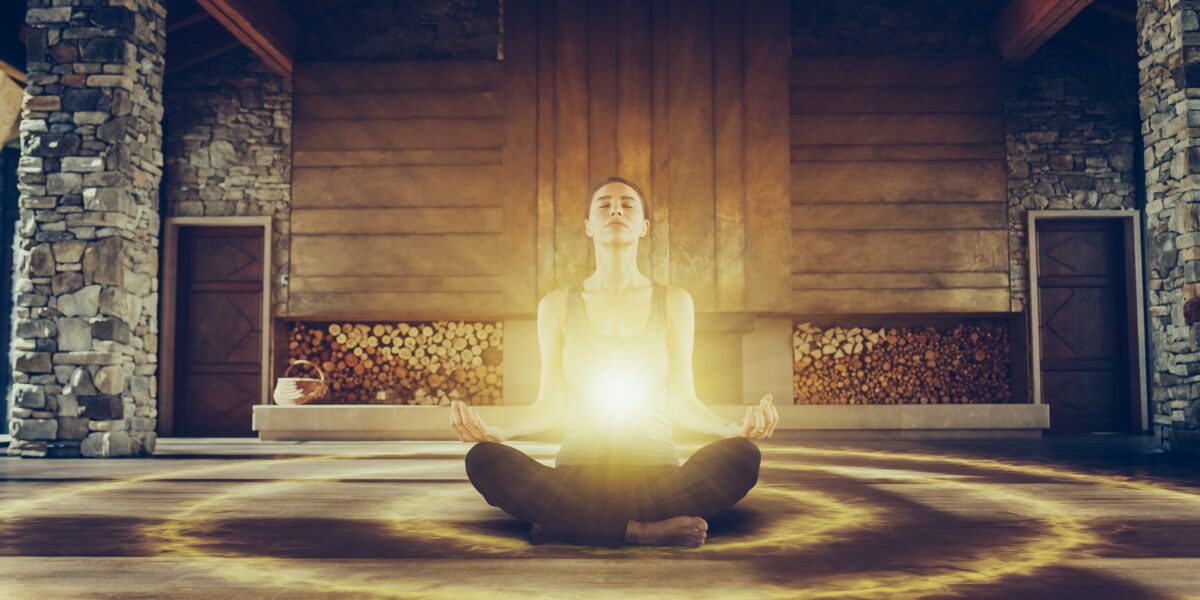
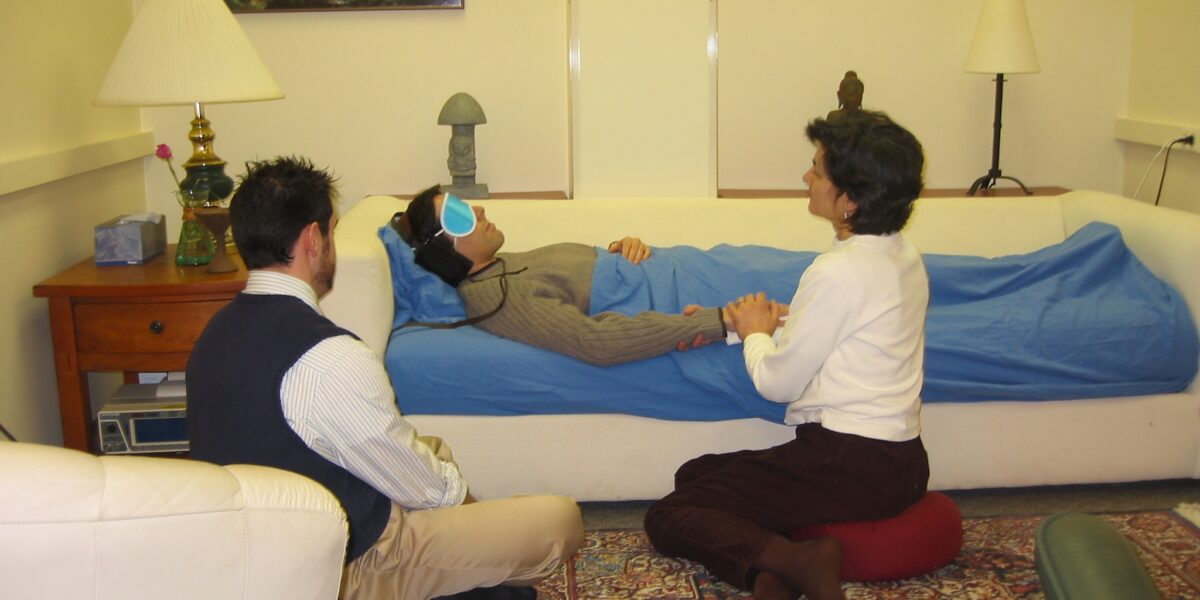
As a musician, I have always been fascinated by the ability of sound to transform experiences in quite profound ways, whether it be seeing live music or engaging with sound in a more ritualistic setting. Music is a fundamental part of the human experience, and it can provide a useful container within the context of psychedelic rituals to induce mystical states or enhance the effects of a particular plant medicine.

Despite the global prevalence of chanting in all different kinds of rituals, its mechanisms and psychological effects aren’t understood particularly well. Is chanting just something that we’ve taken for granted when it comes to ritualistic settings, or does it actually play a central role in facilitating the psychedelic journey? Chanting within these settings can act as a powerful tool for guiding and integrating these experiences, where it acts on a psychological, physiological, and metaphysical level. It provides a direct entry point, where we’re not having to necessarily ‘believe’ anything because the sound is interacting with us on many different levels. 

In this article, I’ll explore the different cultural containers for chanting in psychedelic rituals, as well as look at what the scientific research says, and how there might be more energetic ways of understanding chanting that are rooted more in the communal experience. 

Chanting as a Cross-Cultural Practice

The rhythmic repetition of spiritual words or phrases, either sung or spoken, finds its place in many different cultural practices. Chanting is often rooted in ancient languages such as Sanskrit, Pali, Hebrew, or Latin, and practised in different parts of the world for various reasons, such as strengthening the community, healing sickness, or overcoming psychological issues.

Aboriginal cultures of Australia have the concept of a ‘songline’ where chanting provides a connection back to the ancestors, marking the routes created by localised creator-beings where information about geographical, cultural, or mythological information can be obtained. In Sufism, chanting is used in ‘remembrance of God’, where the sound and vibrations purify the heart and soul, bringing the body into alignment with oneness. Practitioners of early Hinduism developed ‘mantras’ (chants sung in Sanskrit), which, similarly to the Sufi chanting, provide an opportunity to unify the embodied physicality of the self with the disembodied energy of sound and engage the mind in the spiritual practice. 

These are just a few examples of this practice in different parts of the world, but it seems quite clear that chanting has become so prevalent because it has such a strong ability to provide a container for the more mystical kinds of experiences. Perhaps we can explore things a bit deeper to understand where chanting can provide a specific context for psychedelics. Is there a relationship between the types of plants or fungi used in ritualistic psychedelic settings and the way in which different cultures engage with chanting? 

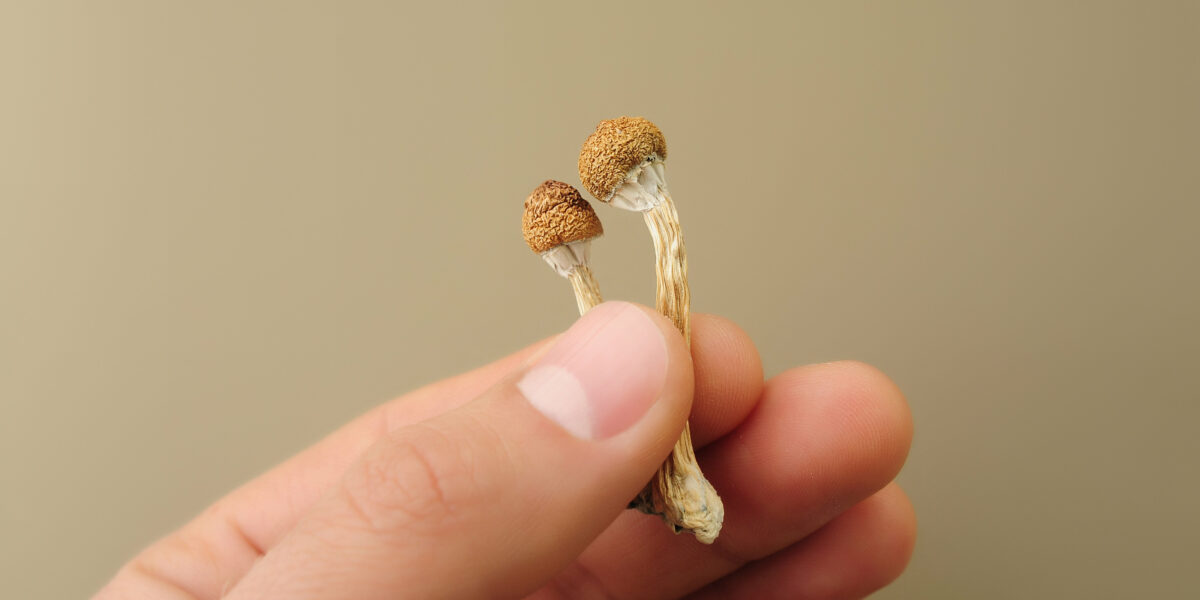
Within the Mazetec tradition in Mexico, chanting is an important part of the ritualistic consumption of psilocybin mushrooms, with the fungi having something of an interrelational role. They invoke creativity, where chants are derived from experiences with the mushrooms themselves and composed in the language of the gods, and they also provide a container for the mushroom to influence the healing process and speak through the female folk healer (Curandera). The most well-known Curandera is Maria Sabina, who unintentionally popularised the consumption of mushrooms in the West, where her rituals (known as veladas) gained a lot of outside interest.

The chanting within these rituals provides a vehicle for language to relate to reality and allow the person under the influence of the mushrooms to manifest their own creativity. These rituals provide a context for the members of the Mazatec community to reveal themselves, where they can articulate feelings and experience social release within the context of a communal understanding of existence. The chanting often begins with a low, subdued humming tone, having a limited range, and often being free form as well as maintaining some structure. The auditory part of the veladas plays a central role in facilitating the sonic landscape and connecting the participant with the divine to promote healing.

In Shipibo ayahuasca traditions, healing or medicine chants known as icaros are used by the shaman to facilitate and influence the participants depending on what their ailment is. Through the chanting which might be sung in a mixture of Quechua, Spanish, and indigenous languages, the shaman is able to guide the participant and access the parts of them which require healing – interestingly, these chants aren’t composed but are rather learnt from engaging with the spirit world and may be passed down from a previous lineage of shamans. These medicine songs often involve singing, whistling, or playing instruments such as a flute, as well as being accompanied by a rattle known as a chakapa, which is used to calm the participants in the ayahuasca ceremony, as well as cleanse the energy around them. These chants have some rhythmic regularity, and the range is limited to just one octave, with a focus on the healing objective rather than any sense of virtuosity. 

This is an important distinction between music, which might be more about the virtuosity and enjoyment of it, and sound in this context being used to facilitate the healing process. Chanting can provide this facilitation not just through triggering psychological processes via rhythm, repetition, or enhanced focus, but also through the deep connection or belief systems related to the sounds being chanted. The belief systems and cultural connections are undoubtedly important, but can we explore things in more detail to see what’s actually going on inside our brains during experiences of chanting?


Entraining the Brain: How Repetition, Rhythm, and Vibration Affect Consciousness

Every morning, I enjoy chanting a few select mantras in Sanskrit, and while I’m aware of their meaning, I also feel like a lot is going on to regulate my entire system. I can feel the vibrations resonate through me in ways which physically call my system to attention, where there is a sense of an absence of thought, and only the vibration calling my system into alignment. I sense a desire for my system to want to enter into these vibrational states: there’s a natural propensity for my brain to be taken over and directed by the power of these chants.

This very real felt experience can actually be understood through the concept of entrainment, in which brainwaves seem to naturally synchronise with external stimuli such as flickering lights, speech, or sound. When it comes to chanting specifically, research is somewhat limited, but there has been some exploration into the neurophysiological mechanisms that might help to explain the role that chanting could play in psychedelic experiences.

Chanting seems to increase delta wave activity in the posterior cingulate cortex, which is the region of the brain associated with regular attention and awareness, and this might explain how this practice can provide a useful container for engaging in a psychedelic experience that can potentially be destabilising. Research has also shown that certain practices, such as Qigong and meditation, can increase delta and theta brainwaves, allowing participants access to their parasympathetic nervous system, which would make for a more pleasant and relaxing experience when it comes to psychedelics. The vagus nerve is also stimulated under the influence of chanting via its auricular branches, which are connected to the skin of the ear canal, allowing the vibration of chanting to have a neurophysiological impact. 

So what’s going on when we combine chanting with psychedelics? Is the experience amplified or stabilised? Or could it be a bit of both when utilised in the right context? If we’re seeing chanting as a practice that can facilitate both of these, then surely it has a central role to play in psychedelic rituals. My interest in psychedelics has primarily come from my love of music, and often I see certain psychedelics, such as LSD, as amazing opportunities to engage with the power of music to influence and direct my experience. There are times, though, when I wish this were being done in a more structured way, rather than just out of the wonder at where the sound has taken me.
There has been some research to suggest that chanting can reduce activity in the Default Mode Network, which we also see happening with some psychedelics such as psilocybin, LSD, and ayahuasca. Pairing the two of these together might allow us to enter into a state of flow, where chanting simultaneously complements and contains the catalysing effects of psychedelics, where we’re not becoming overwhelmed from an intense experience, but neither are we underwhelmed by something which feels too contained. 

Research seems to be quite limited when it comes to exploring the effect of chanting within the context of psychedelic therapy, and the focus has been on the impact of music to support therapeutic aims such as peak experiences or emotional release. Playlists have even been created to support people during their psilocybin mushroom experiences, but I personally feel this misses out on the full potential of sound as a therapeutic tool within the context of psychedelic experiences. Music can have different connotations, and when I have tried listening to some of these playlists while having a mushroom trip, I just felt like I was being prescribed a very white and middle-class sonic landscape (mostly dominated by Western classical music) which felt totally divorced from the essence of the mushrooms. My last powerful experience took me by surprise with how strong it was, and I attempted to explore one of these playlists, which unfortunately just made me even more uncomfortable.

There seems to be a lack of research when it comes to chanting specifically, but perhaps scientists will start to explore the actual sonic and vibrational impact in more detail, rather than just how the sound makes you feel. Utilising sound in a more prescriptive manner can allow us to understand the importance of vibrational tones in a more specific way, but we can also see where this research might not be totally necessary. If we understand the benefit of chanting from energetic perspectives, or how the chanting is related to a certain worldview, we might have a full picture of the role that chanting plays in psychedelic rituals, rather than having to get so bogged down in the science. It might be that scientific inquiry is the wrong tool to be using for understanding something which exists outside of the brain, where it could be thought about more within the context of an ‘extended mind’.

Sound as a Carrier of Intention and Energy

I’ve found a lot of fascination with the vibrational nature of practising Sanskrit mantras, and the concept of chanting ‘OM’ being a sonic representation of the divine, with this sound marking the creation of the universe. Saying this prior to engaging in spiritual practice is engaging with the essence of the true selfthat which is beyond identification with phenomena and refers to pure consciousness or witness-consciousness. Engaging with this essence can provide intention for reciting these mantras in full alignment and allow for the flow of self-knowledge, which is a necessary requirement to attain liberation from the cycle of death and rebirth.

Within the context of psychedelic rituals, the energetic intention of the chanting might be more important than the meaning of the words themselves. Within Shipibo ayahuasca traditions, it’s thought that the vibration and intention take priority over the meaning of the words, which might be helpful for people from outside the culture in gaining benefit from consuming ayahuasca in a ritualistic setting. The icaros are thought about more in a sonically prescriptive sense, where they can clean stuck energy: the shaman is singing directly into your energetic field to diagnose and realign. 

This is where I think it’s interesting to discern the difference between music and chanting – while icaros exist within the context of songs, the intention in this context is to effectively do energetic surgery using sound, rather than just providing a container for the experience. These icaros, in combination with ayahuasca, can provide a powerful experience which might affect the therapeutic outcomes at a more fundamental, vibrational level. 

Chanting as a Facilitator for Integration

The power of sound to catalyse and contain these kinds of experiences makes it possibly the most powerful tool for engaging with psychedelics. The intense connection felt during a trip, when combined with something like chanting, can cement the positive outcomes. But what happens to us afterwards? 

When mentioning the icaros in Shipibo culture, it seems that outside participants are still able to gain benefit from consuming ayahuasca, despite not being connected to the sounds, culture, language, or mythologies. But does it make things harder from an integration perspective if we have a difference in worldview? Or does the experience influence us to follow a path where we can remain connected to the sounds which have provided such a strong experience? 

People in places like the West might start to create music which is reminiscent of their ayahuasca experience, or we might simply chant words or mantras which allow us to find the energetic resonance which we felt during our psychedelic experiences. Perhaps we could journal or record certain chants that arose during a ceremony, or simply just humming or toning during our morning routine to ground ourselves first thing. 

Utilising sound within our own integration work might be an under-recognised technology in the psychedelic toolkit. If we can explore this further, whether that be in our daily lives or within the context of a psychedelic ritual, then we might start to appreciate how much of a central role it has to play in giving us access to the full potential of psychedelic plants and fungi. 

Oli Genn-Bash | Community Blogger at Chemical Collective | linktr.ee/oligennbash

Oli is one of our community bloggers here at Chemical Collective. If you’re interested in joining our blogging team and getting paid to write about subjects you’re passionate about, please reach out to Sam via email at samwoolfe@gmail.com

share your toughts

Join the Conversation.

1 Comment
Inline Feedbacks
View all comments
red1979
3 months ago

I deeply believe in the power of music and its power to transform our lives by invoking different energies, healing us and expanding our consciousness

Related articles

Our Products

Related Products

1V-LSD 150mcg Blotters
1V-LSD 150mcg Blotters From 22.00
(143)
1cP-LSD 100mcg Blotters
1cP-LSD 100mcg Blotters From 18.00
(137)
Tryptamine Mix and Match Pack (4 x 0.1g)
Tryptamine Mix and Match Pack (4 x 0.1g) 65.00
(1)
1V-LSD 10mcg Micro Pellets
1V-LSD 10mcg Micro Pellets From 15.00
(43)
2-FDCK HCL
2-FDCK HCL From 12.00
(82)
1V-LSD 225mcg Art Design Blotters
1V-LSD 225mcg Art Design Blotters From 35.00
(62)
1S-LSD 150mcg Blotters
1S-LSD 150mcg Blotters From 29.00
(16)
1cP-LSD 150mcg Art Design Blotters
1cP-LSD 150mcg Art Design Blotters From 25.00
(74)
1V-LSD 225mcg Pellets
1V-LSD 225mcg Pellets From 35.00
(26)
1D-LSD 225mcg Pellets (1T-LSD)

SALE! -15%

1D-LSD 225mcg Pellets (1T-LSD) From Original price was: €42.00.Current price is: €35.70.
(13)
1cP-LSD 10mcg Micro Pellets
1cP-LSD 10mcg Micro Pellets From 15.00
(23)
5-MeO-DMT Freebase
5-MeO-DMT Freebase From 23.95
(36)
O-PCE HCL
O-PCE HCL From 17.50
(25)
1cP-LSD 20mcg Micro Blotters
1cP-LSD 20mcg Micro Blotters From 18.00
(27)
4-HO-MET Fumarate
4-HO-MET Fumarate From 19.50
(26)
rewards-icon
popup-logo

Reward program

popup-close
  • Earn
  • Affiliates