in this article
- Moved by Nature
- A Career in Chemistry Ignited
- The Mysterious Discovery of LSD
- Reflections on His Past Experiences
- A Straight Arrow Shifts Direction
- The Flame Rekindled
- Fruits Over Roots
- Reflections on the Mystical
- Future Pathways
Are you 18 or older?
Please confirm that your are 18 years of age or older.
You are not allowed to access the page.
Disclaimer: The views and opinions expressed in this article are those of the authors and do not necessarily reflect the official policy or position of Chemical Collective or any associated parties.
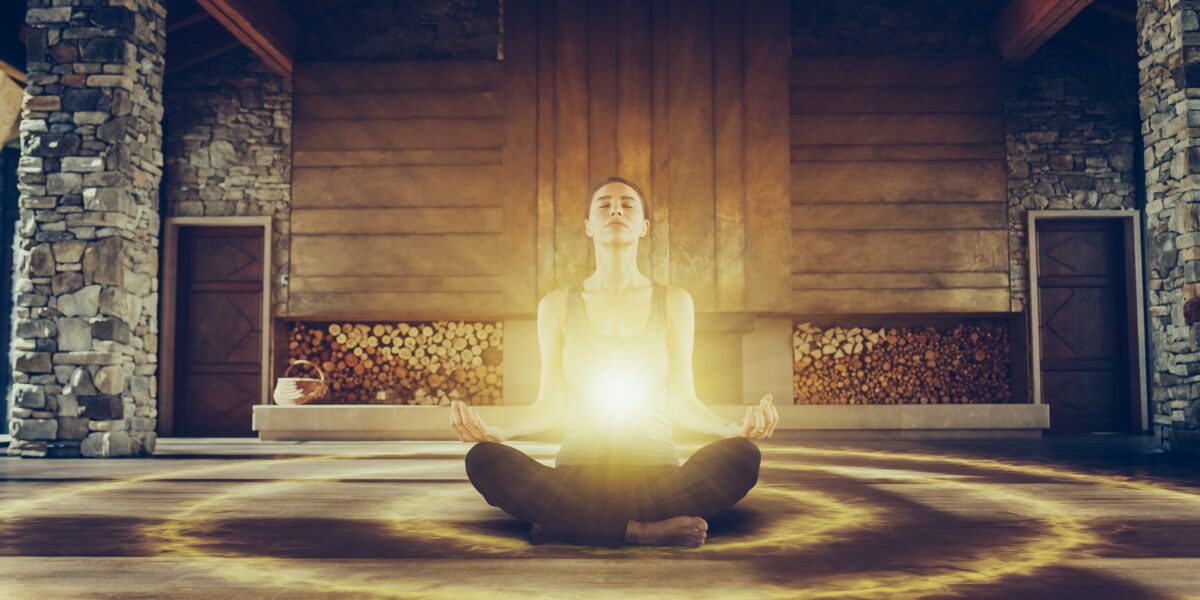
Mystical experiences, while uncommon, have been reported for millennia and transcend cultural, geographic, and religious boundaries. A number of other labels may be applied to such events, which may be variously described as peak, transcendent, or transformative experiences.
They comprise an altered state of consciousness encompassing experiential facets of interconnectedness, unity, love, joy, peace and ineffability, a sense of reverence and awe, and a transcendence of time and space. They also tend to be imbued by a noetic quality – an intuitive belief that what is being revealed has validity.
These experiences can viscerally illuminate how we’re all part of an interconnected web of being, and so are all in this together. This can potentially expand our radius of awareness and concern beyond our individual selves to encompass social and planetary values. They can be considered among the most important and meaningful events of a person’s life, and have been linked to numerous mental health benefits.
While mystical experiences are one of many areas of study in modern psychedelic research, they were also a key catalyst for the development of psychedelic research itself. The mystical experiences of two people in particular would nudge them both onto paths which would go on to pave the way for both the initial wave of psychedelic research and its modern revival. The people in question were Albert Hofmann and Roland Griffiths. It is hard to think of two individuals who have had more overall impact on the modern psychedelic resurgence.
Their work would, in turn, generate greater awareness of these experiences and their value, while seeding greater access to such states in others through the chemical catalyst of the psychedelic.
Albert Hofmann, a Swiss chemist born at the turn of the 20th century, was a lifelong lover of nature. He had a particular fascination for shells, seeing in the spiral the essence of infinity, and a self-creating power that binds matter and spirit. He recounts a vivid experience while walking on a forest path one May morning in childhood. He described everything appearing transiently “in an uncommonly clear light,” shining “with the most beautiful radiance” and feeling an “indescribable sensation of joy, oneness, and blissful security”.
This was not a one-off experience, with Hofmann reporting several more of these experiences while immersed in nature. These states were deeply impactful, shaping his worldview, and convincing him of the “existence of a miraculous, powerful, unfathomable reality that was hidden from everyday sight.”
Hofmann’s recurring mystical experiences during his childhood suggest that he may have scored high in a personality trait referred to as absorption, which encompasses an individual’s propensity to become fully immersed or engaged in sensory and imaginative experiences.
In addition to being a robust predictor of altered states and mystical experiences – whether catalysed by psychedelics or not – absorption has also been found to promote various aspects of the psychedelic experience. If Hofmann did rate highly in absorption, he may have been particularly sensitive to the effects of LSD, which his accounts of testing dosages of 20 and 30 micrograms of the compound hint at.
Hofmann’s childhood mystical experiences also kindled in him a desire to gain insight into the “structure and essence of matter”. Combined with his love of nature, this curiosity about that which makes up the world propelled him into a career in animal and plant chemistry. This would lead to his work on the ergot fungus, leading to his creation and discovery of LSD and seminal work on other psychedelic compounds.
LSD was 25th in a series of lysergic acid compounds derived from ergot. It was created in 1938 but shelved for five years due to not showing promise following initial testing. Hofmann, following a “peculiar presentiment,” felt that there could be more to the compound than had yet been revealed and decided to resynthesise a batch. This was unusual – as a general rule, experimental compounds were dropped if they didn’t show potential. Other scientists may have brushed aside such an intuitive hunch. But not Hofmann.
It was during the final stage of the synthesis that Hofmann became dizzy, and he headed home to lie down. He slipped into “a not unpleasant, intoxicated-like condition, characterised by an extremely stimulated imagination”. Intriguingly, Hofmann reported that after “some two hours this condition faded away.” Hofmann suspected that the LSD he had been working with may have been responsible.
Despite being a meticulous Swiss chemist “accustomed to scrupulously clean work”, and having been extra cautious with the synthesis, given the known toxicity of ergot-derived substances, Hofmann appeared to become altered. He speculated that he may have absorbed some of the compound through his fingertips, although it should be noted that other LSD chemists are sceptical of this claim based on their experiences handling LSD, or deliberate and unsuccessful attempts to replicate Hofmann’s dosing.
LSD chemist Nick Sand went as far as to apply a solution of LSD and DMSO (dimethyl sulfoxide) to his skin (with DMSO greatly enhancing the absorption of other chemicals through the skin). This did not result in intoxication. Professor David Nichols – pharmacologist, medicinal chemist, and psychedelics expert – has recounted many cases of LSD being made by himself and others (possibly in some cases in a manner not as meticulous as adhered to by Hofmann), with no cases of intoxication noted.
A two-hour LSD experience is also something of an atypical anomaly, with no subsequent experiences reported to be so fleeting. Research looking at LSD microdosing recently reported that at the minimum threshold dosage where effects are perceptible – 10 micrograms – effects peaked at two and a half hours after dosing, and they were felt for over five hours. Another study reported similar findings with a dosage of 13 micrograms. Hofmann’s own subsequent experiments ingesting dosages of 20 and 30 micrograms also seemed to exceed this in the duration of the effects he experienced.
The highly meticulous nature of Hofmann’s LSD synthesis – when considered alongside the extremely atypical nature of his first fleeting experience – has led Nichols to speculate that Hofmann may not have unwittingly ingested LSD on this occasion at all, but rather may have undergone another mystical experience instead. When Nichols presented his hypothesis to Hofmann, he stated, “It’s entirely possible.”
Whatever its cause, as a result of his experience, three days later on April 19th 1943, Hofmann would take the world’s first intentional LSD trip. He cautiously ingested 250 micrograms of the compound – an amount he calculated would be a minuscule dosage – but which turned out to be anything but. And so he embarked upon one of the most bizarre bicycle rides ever undertaken, and LSD was unleashed on an unsuspecting world. Hofmann later reflected, “I did not choose LSD. LSD found and called me.”
Given the harrowing nature of his first experience with the compound, it was only later down the road that Hofmann made a meaningful connection between the LSD experience and his childhood mystical experiences. In his words:
I failed, moreover, to recognize the meaningful connection between LSD inebriation and spontaneous visionary experience until much later, after further experiments, which were carried out with far lower doses and under different conditions.
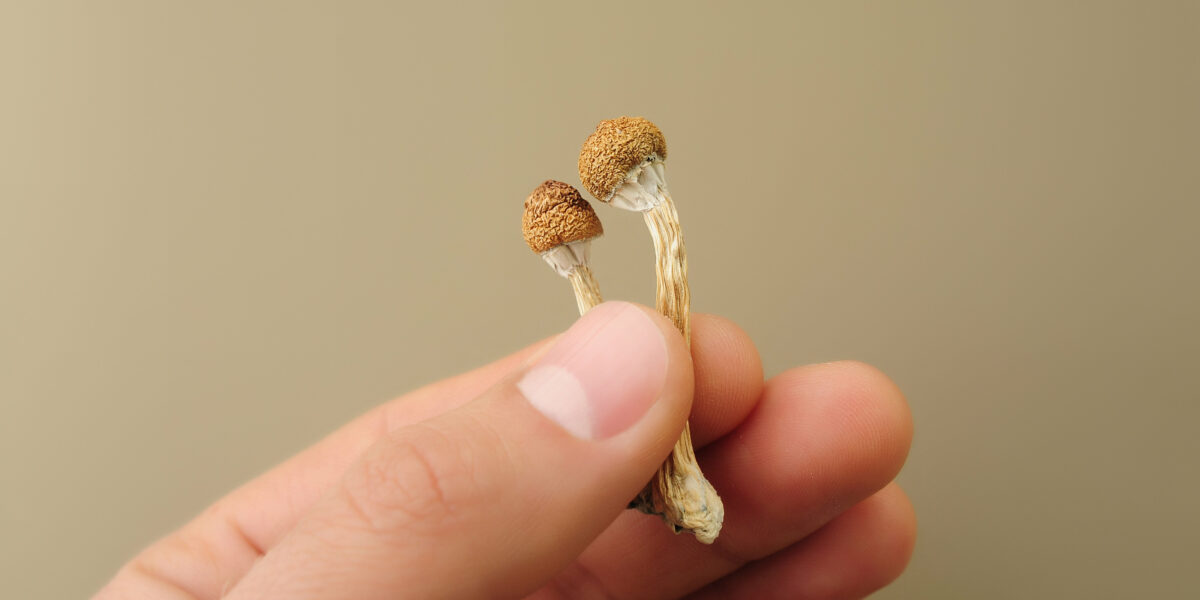
A decade and a half after his discovery of LSD, Hofmann was also the first to isolate and synthesise psilocybin, unlocking the psychedelic power of the mushroom in pure form. While LSD hogged the limelight in the first wave of psychedelic research, its collateral countercultural spillover gave it baggage. Psilocybin would go on to take centre stage in the modern revival of psychedelic research, and Professor Roland Griffiths would be a key conductor.
Michael Pollan described Griffiths as “the ultimate straight arrow”. But the direction of this arrow radically shifted following encounters with mystical states. A leading and well-respected drug researcher with an international reputation and over 400 scientific papers to his name, Griffiths was prominent in the field of drug abuse psychology. In 1994, he was introduced to the practice of Siddha Yoga by a close friend and connected with the meditation practice. Much like Hofmann, Griffiths underwent a number of mystical experiences, and as a result of his meditation practice, he described encountering:
something way, way beyond a material world view that I can’t really talk to my colleagues about, because it involves metaphors or assumptions that I’m really uncomfortable with as a scientist.
While sparking an interest in altered states and the nature of inner experience, Griffiths struggled to find meaning in his research work, and he entertained ideas of departing academia for an ashram in India.
In 1996, his old friend Charles R. (Bob) Schuster, formerly head of the National Institute on Drug Abuse (NIDA), recommended he talk to Bob Jesse, who was interested in reviving the science of psychedelics to explore their spiritual potential for “the betterment of well people.” Jesse had established a nonprofit, the Council of Spiritual Practices, which had the aim of “making direct experience of the sacred more available to more people.”
The same year, the Council of Spiritual Practices organised a meeting at Esalen that was attended by Bob Schuster. Esalen is an influential non-profit retreat centre and international community in Big Sur, California, which focuses on humanistic alternative education.
Wanting to revive research into psychedelics, Jesse knew he would need an investigator with impeccable credentials and reputation, and Schuster recommended Griffiths as the person he was looking for. Their meetings and conversations would eventually lead to a study conducted at Johns Hopkins, with Griffiths teaming up with psychologist Bill Richards.
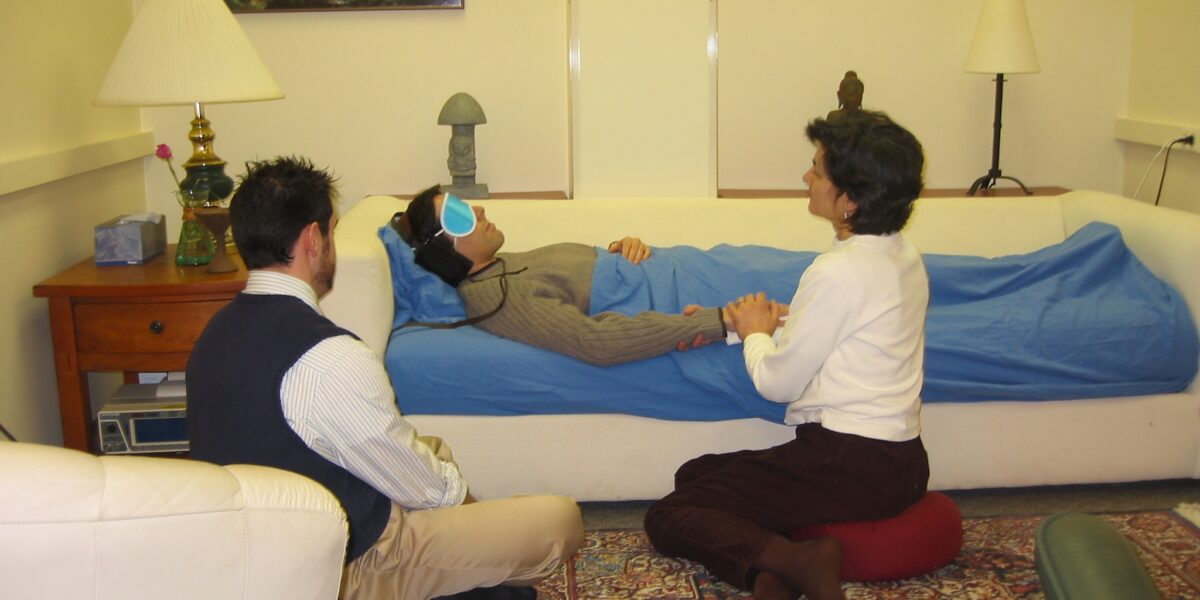
Unlike Griffiths, Richards had applied experience of psychedelic psychotherapy, being the last person to administer a dose of psilocybin prior to the government ban on psychedelic research. Their study would seek to evaluate any enduring psychological effects of a high dose of psilocybin administered in a supportive setting to a healthy, spiritually interested and active group of people.
Despite his intrigue, Griffiths was deeply sceptical that a drug like psilocybin could provide a reliable conduit to mystical states. But over two-thirds of study participants rated their psilocybin experience among the five most spiritually significant events of their lives – with a third ranking it as the single most significant. Participants reported the significance of the psilocybin session as equivalent in impact to the birth of a child or the death of a parent.
The depth of the mystical experience was also linked to significant enhancements in well-being, life satisfaction, and positive behaviour change following it. Ratings were largely sustained 14 months later, and in addition to self-assessment, the researchers used assessments of family, friends, and co-workers to enhance the validity of the findings. Griffiths was particularly struck by how people would continue to attribute positive changes to their previous experience in the months following it, this being distinct from any other substances he had worked on previously.
The publication of this study paper in 2006 helped kindle the flame of the modern revival of psychedelic research from the embers of a three-decade-long hiatus. The study acted as a green light to other research institutions elsewhere. A rigorous trial design overseen by a respected investigator at a prestigious institution, the study demonstrated that psychedelics such as psilocybin could be administered safely and to high standards of scientific rigour.
The results were compelling enough to warrant further research, and demonstrated that psychedelics could indeed provide a reliable hotline to mystical states, and by doing so, make what is otherwise an uncommon and unpredictable experience tantalisingly more accessible to more rigorous prospective research.
One of the most solid and consistent findings to emerge from psychedelic research conducted since Griffith’s seminal paper is the importance of the mystical experience in predicting positive outcomes in both healthy people and those suffering from a mental affliction.
Mystical experiences catalysed by psilocybin have been linked to reductions in alcohol and tobacco addiction, existential anxiety, and treatment-resistant depression in clinical studies. They have also been associated with their capacity to promote human flourishing and linked to enduring positive changes in attitudes, moods, and behaviour. Such experiences may also have the power to shift personality traits, with increases in openness and reductions in neuroticism linked to them, with potentially positive implications for health and cognition.
It can be considered that ingestion of a psychedelic substance is not the cause of the mystical experience, but rather a catalyst that occasions it. Research highlights that irrespective of how mystical experiences occur – whether it be spontaneously, or triggered by psychedelics, spiritual practice, or immersion in nature – they tend to be associated with subsequent positive outcomes to mental health and well-being. One study also suggests that mystical experiences catalysed by psychedelics are no less impactful than those occurring in other contexts.
Griffith’s initial interests in altered states achieved through meditation continued to inform his research agenda, helping direct work into the effects of psilocybin on short and long-term meditators. This and other work suggest that meditation practice synergises with psychedelic mystical experiences, both by making their occurrence more likely, while also enhancing the spiritual significance of the experience, and amplifying the sustained psychological benefits following it. Further work has sought to shed light on the impact of psilocybin-catalysed mystical experiences among religious clergy of different faiths.
Both Hofmann and Griffiths shared a view of the importance and value of the mystical experience, and its existential importance to the survival of our species. Griffiths felt that part of the value of the mystical experience rests on the insight of the fundamental shared interconnectedness of all people and things, and the awareness that we are all in this together.
This insight may, in turn, shape sensibilities in the wake of it. His hope was that a broader cultural awakening to this experience of interconnectedness and the feelings of care for others and the environment that may stem from it could help provide an antidote to the existential risk our species imposes upon itself and the planet.
Hofmann felt that the mystical insight that LSD could provide access to could help reveal the wonder and magnificence of the natural world, and provide a new picture of reality that was deeper and more comprehensive. He felt this could engender a greater sense of sensitivity and care for the web of life of which we are all a part, and he viewed this perspective shift that psychedelics could catalyse as their most important quality.
While some scientists might squirm at mention of the mystical, it is worth reflecting that it was the mystical experiences of these two people that flinted the initial sparks from which the flame of psychedelic science was kindled.
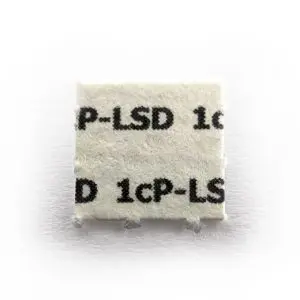
Psychedelics can potentially open the door to mystical experience, and the direct felt sense of interconnectedness with all. We have barely scratched the surface when it comes to our understanding of this experience, and how it might be catalysed or integrated in a manner that can maximise the breadth of its beneficial potential.
It will be up to others to carry the flame forward that Hofmann sparked and Griffiths fanned. Griffiths foresaw this as an enduring, multigenerational body of work that could unpack the mystery of the mystical experience, investigating the sense of wonder and prosocial attitudes that can stem from it. He conceded that the ultimate answer to the mystery may never be known, but striving towards it will still be a worthy goal.
More work is needed to elucidate to what extent these experiences are universal under psychedelics, and how they might vary with culture, set, setting, and expectancy. Griffiths felt that the effects of mystical experiences in different populations, such as hard atheists, philosophers, and monastics, may prove fruitful avenues to explore. David Yaden took up the lantern from Griffiths at Hopkins, and like Griffiths, his own transformative experiences played an important role in directing his own scientific work.
Mystical experiences have been associated with kindling a broad sense of connectedness in the wake of a psychedelic experience – to self, others, and world. Our civilisation is deeply afflicted with a fundamental disconnect, with seeds of separation likely sown in part by societal ideals of materialism, individualism, and anthropocentrism.
This disconnection has been proposed to lie at the root of both the mental health and environmental crises. The deep state of interconnectedness that the mystical experience reveals – if acknowledged, valued, and culturally integrated – could help push back against this disconnect and may allow for a much-needed recalibration of our worldviews and how we relate to each other and the planet.
Sam Gandy | Community Blogger at Chemical Collective
Sam is one of our community bloggers here at Chemical Collective. If you’re interested in joining our blogging team and getting paid to write about subjects you’re passionate about, please reach out to Sam via email at samwoolfe@gmail.com
Welcome to Chemical Collective.
Create an account to earn 200 welcome points.
Already have an account? Sign in
Check out our Community Blog and get involved with the conversation. You will be awarded 50 x ChemCoins for each comment up to a limit of 250 total ChemCoins.
Have you purchased any of our products? Reviews and reports are so important to the community. Share your honest opinion, and we’ll reward you with 50 ChemCoins for each review!
Every time you complete an order with us, you’ll be awarded ChemCoins for each Euro spent.
Welcome to Chemical Collective.
Create an account to earn 200 welcome points.
Already have an account? Sign in
Earn commission every time someone makes a purchase through your link.
When you become an affiliate, you will be allocated a unique link to share with your friends, followers, subscribers, or Aunt Susan.
You can choose to payout the commission earned once per month, or save it up to receive on a rainy day! Commission earned is 5% of the total order value per referral.
Contact us to join the Chemical Collective family and become an affiliate.
share your toughts
Join the Conversation.
As a person with academic, scientific and experiential training I am deeply motivated towards meanings and healing vis a vis psychedelics. Mystical experiences seem to me to be integral to both, and I’m intrigued to discover more about the mechanisms that promote many fundamental changes in individuals’ health as a result of exposure to psychedelic-assisted therapy.