Although the sheer volume of terpenes found in cannabis plants can seem overwhelming at first, they are often in very low concentrations. You’ll typically see the same 5-10 listed options as primary terpenes.
Myrcene
Myrcene is one of the most prolific terpenes found in cannabis and is known for its earthy, musky, and spicy smell. It’s a popular part of Indica-dominant strains with complementary, relaxing, sedative effects.
This terpene is thought to potentially increase the body’s ability to absorb cannabinoids like THC, which may enhance the “couch-lock” effect some people experience. Outside of cannabis, myrcene can be found in hops, mangoes, lemongrass, and bay leaves.
If you are interested in using cannabis to treat anxiety, inflammation, muscle tension, or stress, strains with high myrcene content may be the key.
Limonene
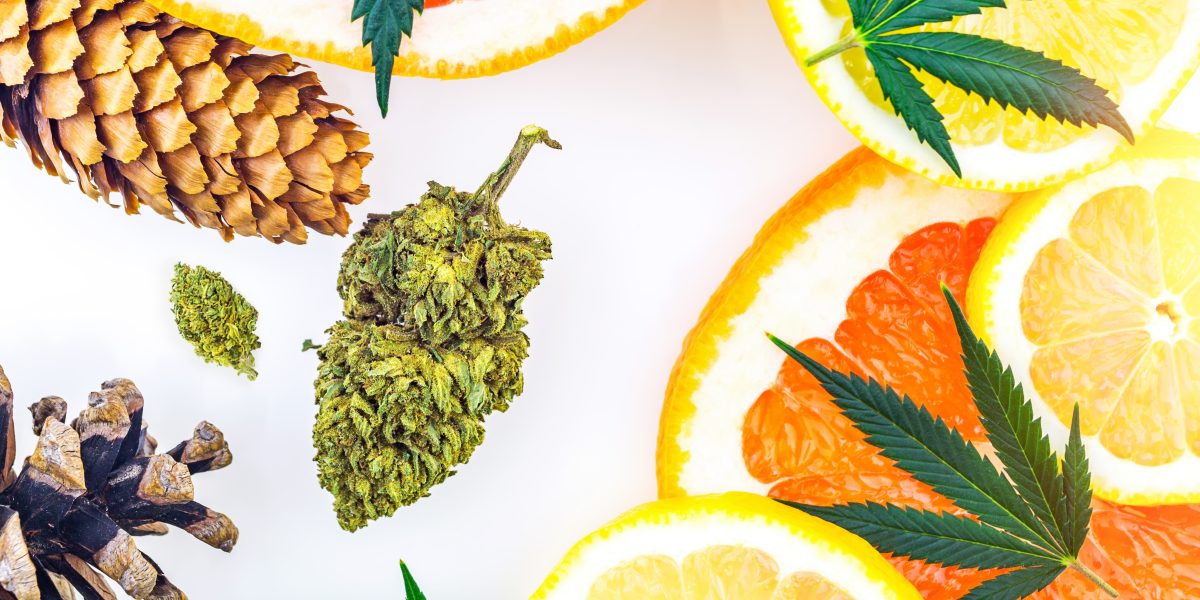
Limonene is a citrus-scented terpene, often recognized for a bright, uplifting aroma similar to that of lemons and oranges. It is abundant in many Sativa-dominant strains.
Early research has found limonene to have potential in treating depression and anxiety due to its mood-boosting abilities. It also has antifungal properties, and studies suggest it may even offer some protection against cancer and diabetes. Beyond cannabis, limonene is present in citrus, rosemary, juniper, and peppermint plants, and you’ve likely smelled it before in cleaning products or aromatherapy candles and oils.
As you shop for cannabis products, it’s important to note that limonene’s odor is strong enough to mask other terpenes, even if they have a higher percentage than limonene in a particular strain. Be sure to check the terp content when purchasing!
Pinene
Pinene has a fresh, piney (as the name implies) aroma that evokes forests and conifer trees. It exists in two forms: alpha-pinene, which is more common in cannabis, and beta-pinene. Both of these are also found in rosemary, basil, and pine needles, among other plants, making it the most abundant terpene on the planet.
As for its effects on humans, pinene may help open airways and improve respiratory function, so it’s potentially useful for those with asthma or other breathing issues. It is also believed to have anti-inflammatory, antibacterial, and neuroprotective properties. Some research even suggests that it could balance out any memory issues from THC by boosting energy, alertness, and cognitive abilities – so you can say goodbye to those fuzzy feelings that often linger after smoking.
People who suffer from brain damage, difficulty focusing, anxiety, chronic pain, or digestive problems may benefit from cannabis strains containing pinene.
Beta-caryophyllene
Beta-caryophyllene is a fairly unique, non-psychoactive terpene with an interesting ability to interact directly with the body’s endocannabinoid system (ECS).
Unlike most terpenes, beta-caryophyllene binds to CB2 receptors. These are associated with inflammation and immune response, making this terp potentially beneficial for pain, anxiety, and swelling. A few preliminary studies are even researching its ability to help with diabetes and obesity.
This particular terpene can be found in plants like black pepper, cloves, cinnamon, and hops. In cannabis, beta-caryophyllene can calm the body and mind without leading to sleepiness, making it a popular choice for people who want relief from certain conditions without feeling overly high.
Linalool
Linalool is a floral-scented terpene that is present in plants such as lavender, basil, and eucalyptus. This sweet-smelling compound, popular for its benefits in aromatherapy, has anti-anxiety, anti-inflammatory, and sedative properties. As a result, it’s commonly found in cannabis strains that help with relaxation and stress relief.
If you’ve ever used lavender oils to help with sleep or tried burning a lavender candle for a calmer environment, then you’ve directly experienced the power of this terpene. It’s great for tackling stress, providing a boost to the immune system, or even reducing the severity of seizures.







































share your toughts
Join the Conversation.