in this article
- Community and Care
- Preparation, Safety, and Navigation
- Tools and Support
- Skills and Qualities
Are you 18 or older?
Please confirm that your are 18 years of age or older.
You are not allowed to access the page.
Disclaimer: The views and opinions expressed in this article are those of the authors and do not necessarily reflect the official policy or position of the Chemical Collective or any associated parties.
Written for both new and experienced space holders alike, Vayne’s new guide explores best practice for trip sitting.
From ceremonial introductions and the tools of the trip to set and setting, music playlists and plenty more, Trip Sitting: The Art and Science of Holding Psychedelic Space is packed with practical advice for navigating the psychedelic terrain.
Vayne says that, currently, accessing a licensed therapeutic setting for psychedelic work is unrealistic for most people, but that access to psychedelics is common in many countries, despite strict legal prohibitions.
“This book is for as many people as possible and aims to address that disconnect,” explains Vayne.
I’ve aimed to write something that will be useful to experienced space-holders who might pick up new ideas to refine their practice, but primarily for those new to the field, curious about the deep internal dive into psychedelic experience.
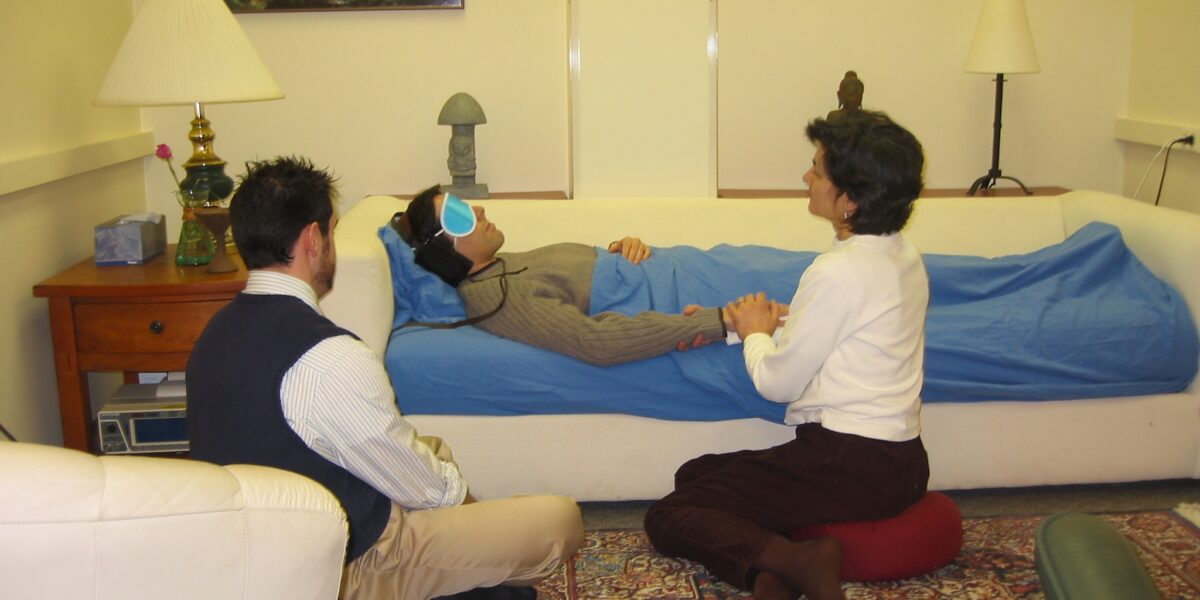
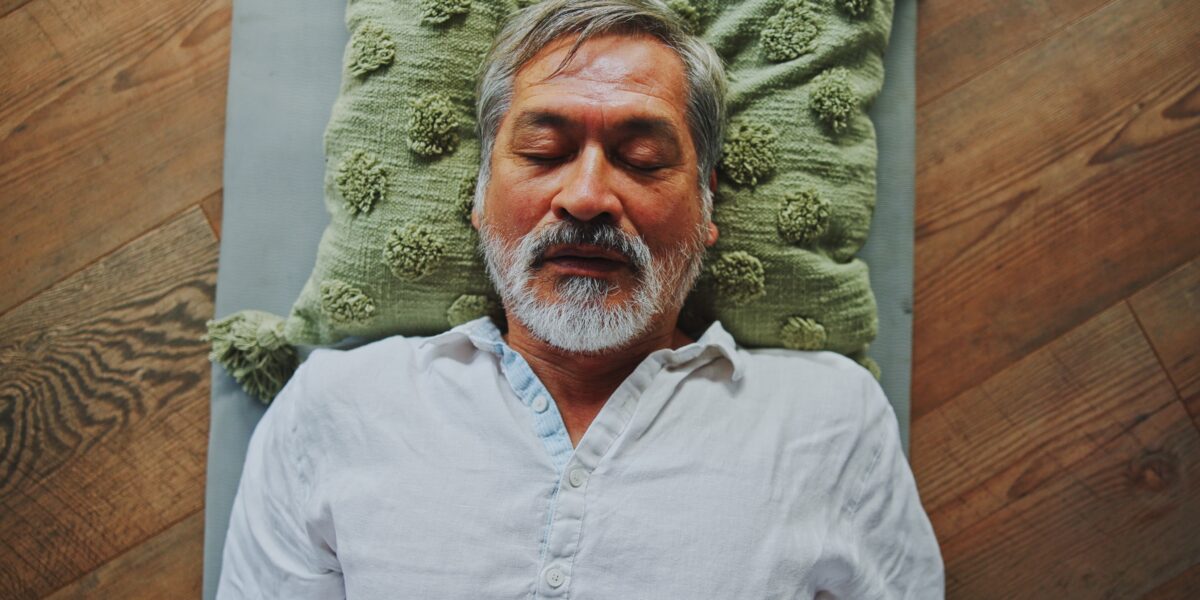
Trip Sitting focuses on what happens when we don’t go clubbing or wander through the forest, but instead, what happens when we lie down, often with our eyes closed, and use psychedelics for internal exploration.
It’s for anyone considering that kind of journey, or who may find themselves holding space for others doing it. For seasoned practitioners, there may still be tips, tricks, and perspectives worth adopting.
Bringing to the book a wealth of knowledge, from the latest science to real-world experience, Vayne’s guide aims to minimise risk on the psychedelic journey while creating a meaningful experience.
“In 2019, I participated in a psilocybin trial at King’s College Hospital. Observing skilled facilitators there confirmed that, while trip sitting requires thought and sensitivity, it’s not complicated once understood,” says Vayne.
I wrote Trip Sitting to make that knowledge accessible – because for most people, licensed settings aren’t available, but community-based, thoughtful and safe practice can be.
Trip Sitting explores how space holding is an act of care, support, courage and vulnerability within a broader social context, Vayne explains – not just for the passenger on the journey – but also for the space holder.
“As human beings, we are deeply social creatures. Even the most solitary among us are shaped by community and ecology,” says Vayne.
Sitters benefit greatly from a community of practice – a network of allies, and what Buddhists might call a ‘sangha’.
Vayne offers suggestions on where to find or build such networks.
“The book itself is part of that community effort. The ideas aren’t mine alone; I’m just the one communicating them here,” says Vayne.
Psychedelic experiences are deeply personal, especially when we journey inward, but they always happen in context. “Set and setting” are more critical than the pharmacology itself.
Sitting creates a temporary community, which is sometimes just two people – where one travels inward and the other supports with skill and care.
In the book, I compare this to abseiling: if you know the rope is secure, you’ll probably be fine; but if someone experienced is at the top, even if they never touch the rope, it feels safer. We are social animals – sitting works like that.
Grounded in ethics and safety, the book delves into the importance of set and setting, as well as the vital relationship of trust and care between the passenger and their guide, and the need for pre-trip preparation and post-trip integration.
“A significant cause of extended difficulties after psychedelic experiences is insufficient preparation – often not the participant’s fault,” says Vayne.
Research suggests a small but notable percentage experience downstream problems; preparation can greatly reduce that risk.
The book stresses building trust and rapport between sitter and traveller, regulating the nervous system beforehand, and managing “mental diet” in the lead-up, avoiding violent media or stressful inputs, and instead resting, eating well, spending time in nature, and generally softening before the journey.
Simple practices like a slow pre-journey walk can help. Psychedelics are primarily internal experiences, so cultivating attentiveness, such as listening to music without distraction, being present in nature, prepares the mind.
Afterward, the same principles apply: rest, gentle integration, conversation with trusted people, and giving the experience space to settle. Ideally, take days off both before and after.
These experiences can be “A-list” moments in a person’s life, worthy of time and care.
No trip sitter should embark on a journey unprepared. Trip Sitting explores some of the tools that make navigating a psychedelic journey much smoother – from musical rattles and pre-prepared, carefully curated playlists to soft blankets and candles.
As an example, Vayne shares his use of what he calls a “transitional object” – Seb the Crocodile – a friendly-looking, cuddly tool that has provided comfort and safety to many psychedelic journeyers.
“Seb began as a joke, inspired by the crocodiles hanging in old alchemical engravings – symbols of the mysterious and exotic,” says Vayne.
I bought a cuddly crocodile, but soon realised its deeper value: as a transitional object, similar to a child’s comfort toy.
In psychedelic states, caring for an object like this can help people connect with vulnerable aspects of themselves, add lightness to potentially heavy work, and ease free-floating anxiety. It can be a playful anchor, a handhold for moments of uncertainty.
Over the years, Seb has become a trusted ally, and others I’ve trained have adopted their own equivalents.
Beyond comfort, there’s also a symbolic link: in the “triune brain” model, calming the reptilian brain helps us let go. A friendly crocodile in the room can remind the traveller: It’s okay – nothing needs to happen right now.
Skills and qualities that are needed by a trip sitter are also detailed in Trip Sitting, such as knowledge of the medicines, their pharmacology, dosage and contraindications, kindness and experience.
“Sitters need the capacity to care without controlling or infantilising,” says Vayne.
Experience is also needed – ideally, personal familiarity with psychedelics across settings and over a number of years, along with a broad reading of trip reports to understand the range of experiences.
Good sitters know their limits – recognising when a person’s needs exceed their scope, or when additional support is necessary. They also work within the cultural and legal realities of their context.
I’m not a scholar or pharmacologist – I come from the Western magical tradition, a strand of esoteric practice that works with altered states, often via pharmacology.
Over the years, I’ve taught, advised licensed settings, and contributed to designing rituals and openings that feel both accessible and meaningful.
Vayne explains that while his main work is with psilocybin, the principles of Trip Sitting apply across many substances.
“Whatever the medicine – kambo, ayahuasca, 5-MeO-DMT – the fundamentals are the same: maximise safety, honour the person’s first encounter with the substance, and avoid the temptation to overwhelm for the sake of impact,” says Vayne.
Good practitioners, whatever their tradition, tend to welcome fresh perspectives. Even familiar ideas, expressed differently, can help reveal new aspects of practice or reaffirm what already works.
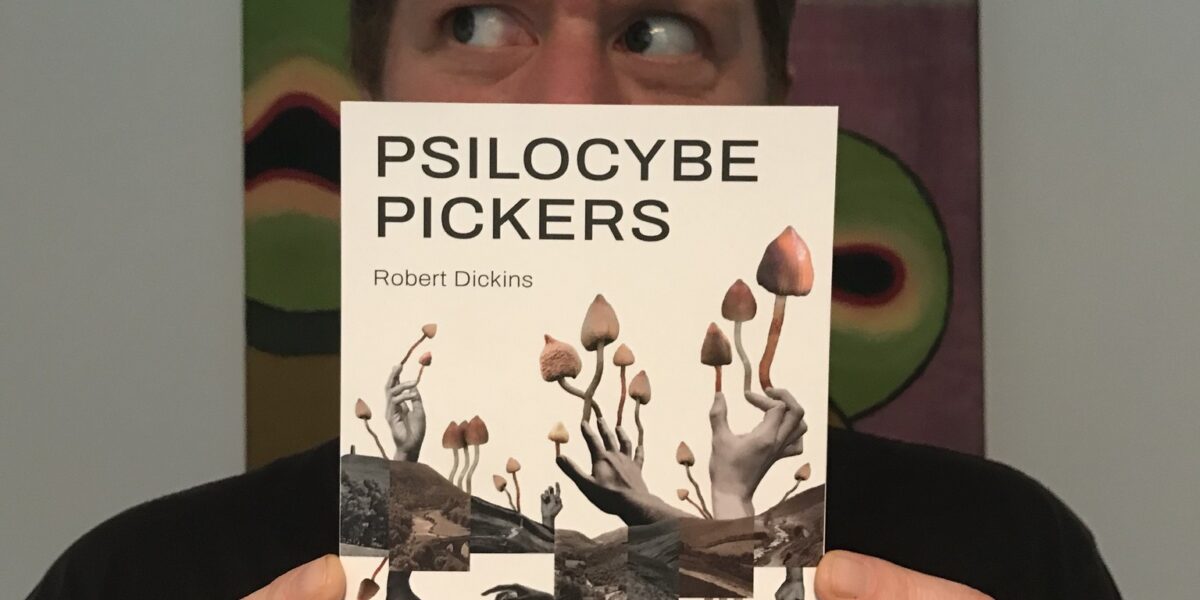
Trip Sitting: The Art and Science of Holding Psychedelic Space by Julian Vayne – set to be released this September – is a vital companion for anyone looking to guide or participate in safe and effective psychedelic journeys. The book is available for pre-order now.
Stephanie Price | Community Blogger at Chemical Collective
Stephanie is one of our community bloggers here at Chemical Collective. If you’re interested in joining our blogging team and getting paid to write about subjects you’re passionate about, please reach out to Sam via email at samwoolfe@gmail.com
Welcome to Chemical Collective.
Create an account to earn 200 welcome points.
Already have an account? Sign in
Check out our Community Blog and get involved with the conversation. You will be awarded 50 x ChemCoins for each comment up to a limit of 250 total ChemCoins.
Have you purchased any of our products? Reviews and reports are so important to the community. Share your honest opinion, and we’ll reward you with 50 ChemCoins for each review!
Every time you complete an order with us, you’ll be awarded ChemCoins for each Euro spent.
Welcome to Chemical Collective.
Create an account to earn 200 welcome points.
Already have an account? Sign in
Earn commission every time someone makes a purchase through your link.
When you become an affiliate, you will be allocated a unique link to share with your friends, followers, subscribers, or Aunt Susan.
You can choose to payout the commission earned once per month, or save it up to receive on a rainy day! Commission earned is 5% of the total order value per referral.
Contact us to join the Chemical Collective family and become an affiliate.
share your toughts
Join the Conversation.