Welcome to
Chemical Collective

Are you 18 or older?

Please confirm that your are 18 years of age or older.

You are not allowed to access the page.

info-icon €100 for domestic (NL, CZ, DE) €125 for the rest of the EU, excluding stealth shipping

Free shipping over €50 & free tracked shipping over €100

Friendly customer service available 9-5pm Monday to Friday

Free shipping over €50 & free tracked shipping over €100

Friendly customer service available 9-5pm Monday to Friday

Your cart is empty

PSYCH NEWS – 22/09/2025

david-blackbourn

By David Blackbourn

shutterstock 2104899230
in this article
  • UK Doctors: Has Hype Outpaced Science on Psychedelic Therapy?
  • Psychedelic Insights Inspire a Brazilian Ecovillage
  • Colorado Board Recommends State-Regulated Psychedelic Therapy
  • Microdosing LSD for Canine Anxiety
  • Justin Smith-Ruiu: On Drugs
  • Psychedelics as Religious Sacrament
david-blackbourn

By David Blackbourn

Disclaimer: The views and opinions expressed in this article are those of the authors and do not necessarily reflect the official policy or position of Chemical Collective or any associated parties.

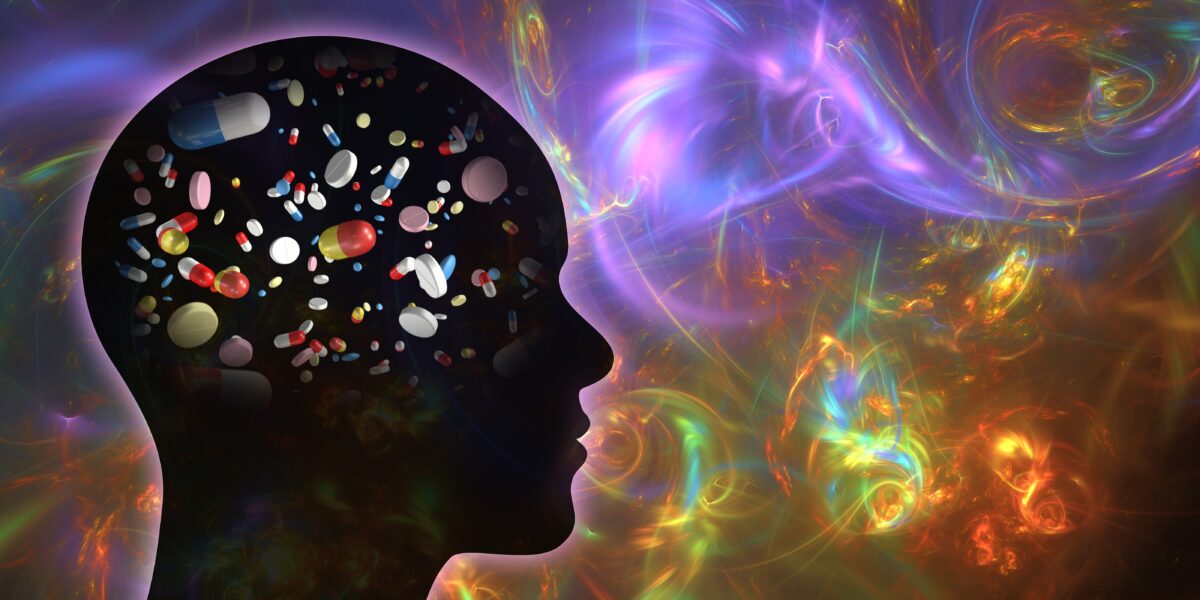
This week, the UK medical community has confirmed their endorsement of ketamine as a treatment for depression, but also called for caution on the use of all other psychedelics in a therapeutic context. A Colorado advisory board has voted to recommend ibogaine for psychedelic-assisted therapy. Safe use of psychedelics outside of a therapeutic context is being legitimised as a potentially legally protected religious sacrament. We also touch on a book by the philosopher Justin Smith-Riu, which provides a unique perspective on the psychedelic experience. A psychedelic-inspired ecovillage is under construction in Brazil, and psychedelic substances are even being proposed for use in dogs in the treatment of canine anxiety.

UK Doctors: Has Hype Outpaced Science on Psychedelic Therapy?

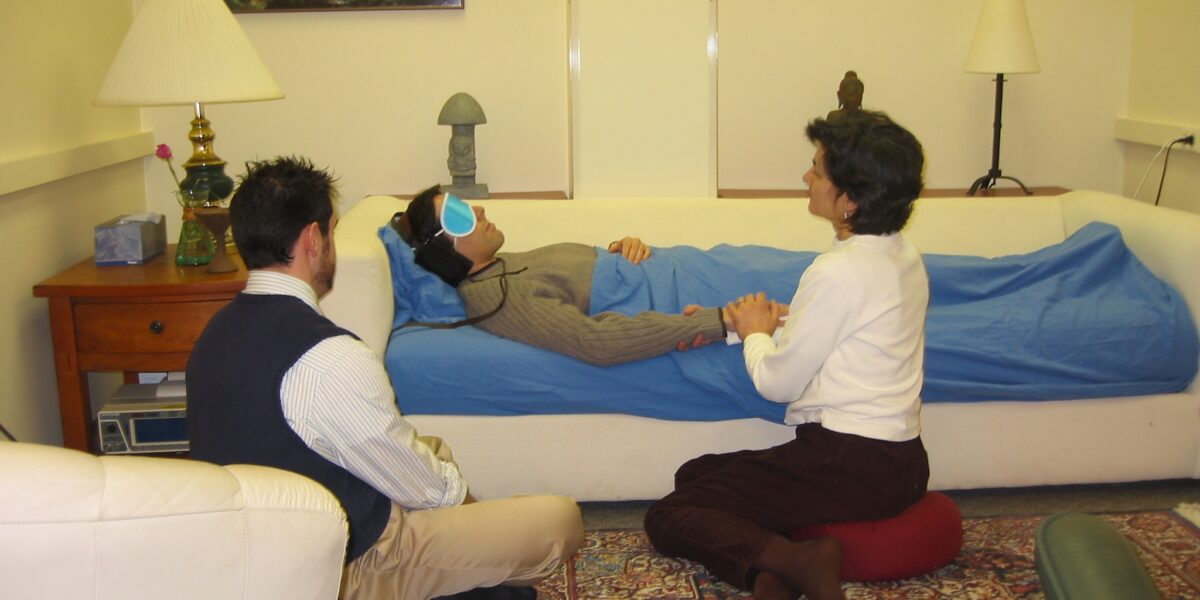
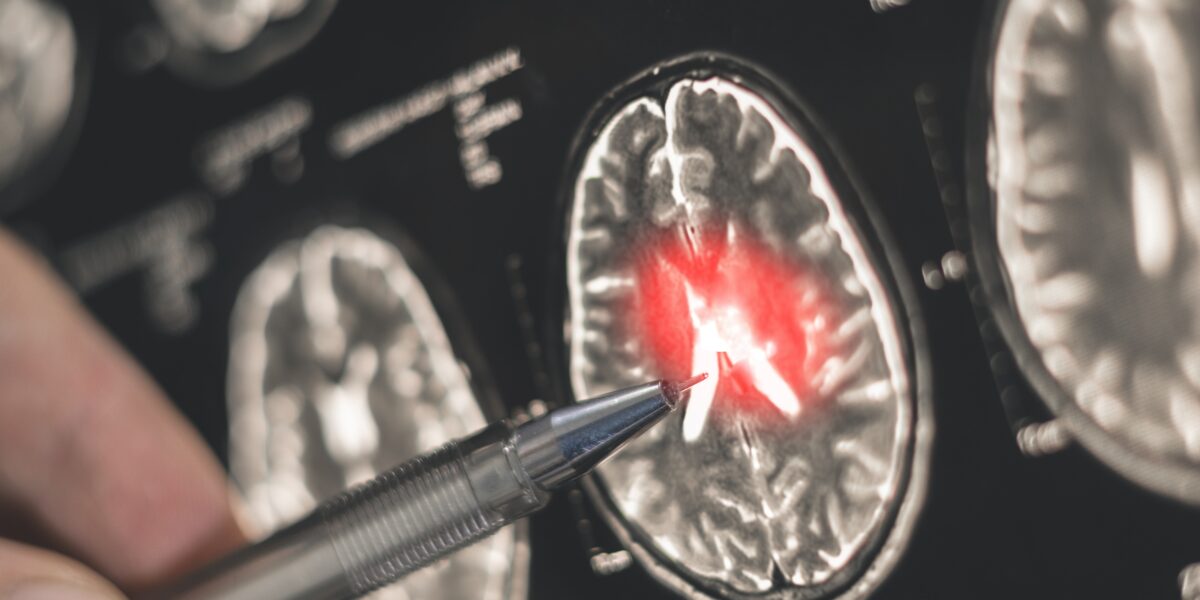
The UK medical establishment is issuing a very strong message of caution regarding the increasingly rapid worldwide push towards psychedelic-assisted therapy for the treatment of a number of conditions. Doctors from leading bodies such as the Royal College of Psychiatrists (RCPsych) have acknowledged the promising early results from a number of different studies using psilocybin to treat depression and MDMA to aid in the recovery from PTSD. However, while the results may be exciting, and public opinion is increasingly in favour of psychedelic use in general, they stress that these treatments are far from ready for mainstream rollout into clinical practice, for use by the public.

Their primary concern is the size of the current evidence base. While, as stated, the number of studies is increasing at a faster and faster pace, the amount of solid, evidence-based results on a sufficient scale remains too small. On top of this, due to the relative infancy of the field, there is a distinct lack of long-term data on both the continued efficacy and safety of these substances for the general population.

The excitement for psychedelic-assisted therapies stems from the completely novel way the chemicals appear to work, especially when compared to current means of treatment. Traditional psychiatric medications often require a daily dosage, while psychedelics are administered in just a few guided sessions. Psychedelics’ effects stem from their interaction with the serotonin 5-HT2A receptors, which dramatically increases brain neuroplasticity (its ability to physically change) and disrupts potentially negative thought patterns, often associated with the brain’s default mode network – which I have discussed at length in the following article: ’Beyond the Ego’.

This disruption and increased plasticity can provide a window of therapeutic opportunity for individuals to undergo profound breakthroughs. This is particularly profound for those trapped in treatment-resistant conditions, for whom existing methods are ineffective. This is, of course, a potential paradigm shift in the landscape of mental health therapy as a whole, which has therefore attracted significant interest from both patients and private investors.

Despite this widespread optimism, UK doctors highlight several major hurdles. Firstly, the necessity for double-blind trials, which are sufficiently controlled to establish that the effects of a substance are in fact solely derived from that substance, rather than other factors. Double-blind trials are notoriously challenging to complete to a satisfactory standard, especially over the long term. There are also questions about how to establish the suitability of patients themselves. Furthermore, a safe rollout of these new therapies would require substantial reorganisation of existing structures and a massive new infrastructure to provide adequate environmental controls and enough support to patients. For now, the consensus is that, at least in the short term, these therapies should remain solely in specialist research settings until a larger evidence base exists.

Psychedelic Insights Inspire a Brazilian Ecovillage

In the hills outside of São Paulo, Brazil, a therapist’s profound personal insights as a result of her use of psychedelics are being put into action – in the construction of an innovative ecovillage. Lia Albejante is a psychologist who has advocated for the therapeutic use of psychedelics, particularly psilocybin and DMT. As her work progressed, however, the external world – nature – became increasingly important.

“My beginning in life was in nature,” says Allbejante, “what is outside is inside. So when we see what we are doing with our planet, it’s also what we are doing to our bodies.”

At the heart of the project is the unique use of a modular rammed-earth construction. This is an ancient technique which Albejante and her team have modernised. It involves compacting layer upon layer of moist soil and various aggregates into large wooden forms to create dense, durable walls. Everything is, of course, locally sourced. The choice of construction is efficient, affordable, and aesthetically pleasing, physically grounding the residents in the landscape. This has powerful philosophical implications. By building with the soil beneath them, it emphasises the connection to the landscape, rather than splitting people off against nature – as in a big city, for example. The project is designed to provide a potential blueprint for future construction, an antidote to the inherent alienation and disconnection of modern urban life.

Colorado Board Recommends State-Regulated Psychedelic Therapy

Colorado’s Natural Medicine Advisory Board has officially voted to include ibogaine in planned, state-regulated healing centres. This is a landmark decision that could make it the first state to offer the substance in the regulated market. The move is a direct result of Proposition 122, which was a 2022 voter-approved initiative to mandate state-regulated access to psychedelic-assisted therapy.

Ibogaine is a psychoactive compound derived from the West African Tabernanthe Iboga shrub. It has been used traditionally in spiritual ceremonies for centuries. In a modern context, it has gained an initially underground reputation as a powerful treatment for addiction. Advocates and many anecdotal reports suggest that even a single treatment of ibogaine is enough to substantially reduce, or even eliminate, opiate withdrawal symptoms and subsequent cravings. These effects appear to last for an extended period of time, as with other psychedelic treatments, which stands in complete contrast to currently available treatment methods. Beyond its potential to treat addiction, the powerful introspective properties of the substance are being explored for their potential to tackle long-term conditions like depression and PTSD.

Once again, though, as with the news from the UK we have already touched upon, the board’s recommendation comes with a large emphasis on both safety and regulation. Ibogaine, unlike the majority of psychedelics, comes with some potential physical complications, such as effects on the heart. This would necessitate very thorough pre-screening procedures for any potential patients, which, as with all these potential new therapies, would require a large amount of work on infrastructure before becoming viable.

Microdosing LSD for Canine Anxiety

A groundbreaking new study in the journal Veterinary Medicine and Science has provided compelling new evidence to suggest that microdosing LSD may be effective in treating separation anxiety in dogs. The study documented the treatment of a 13-year-old female, mixed-breed dog with a long history of debilitating anxiety, which resulted in challenging, destructive behaviour. Researchers administered sub-perceptual (no consciousness-altering effects) doses of 1cP-LSD, an analogue of LSD, every three days for a one-month period. The trial is one of the first to tackle a behavioural condition in a non-human animal with the aid of psychedelics.

The results of the case study were striking. Prior to the trial beginning, the dog in question displayed all the telltale signs of separation anxiety – destroying furniture, excessive barking when left alone, etc. Using a standardised veterinary anxiety scale to track the animal’s symptoms, researchers found a significant reduction in the dog’s anxiety score following the 1cP-LSD microdosing regimen. One critically important element of this was the complete absence of any observable negative side effects throughout the treatment.

The report concludes: The administration of 5 µg of 1cp-LSD once every 3 days over a 30-day period was associated with a reduction in severe anxiety to a moderate level in a female dog, with the effect persisting for 1 month posttreatment,” it says, adding, however, that “Given the exploratory nature of this single-case study, these findings should be interpreted with caution.

Current pharmacological means of treating canine anxiety, such as SSRIs, can produce a lot of difficult-to-manage side effects, and their effectiveness is extremely variable. As in humans, the positive therapeutic effects of psychedelics may disrupt the default mode network and the rigid, anxious patterns the dog is caught in. There is, of course, a need for much larger, placebo-controlled clinical trials to fully validate these findings.

Justin Smith-Ruiu: On Drugs

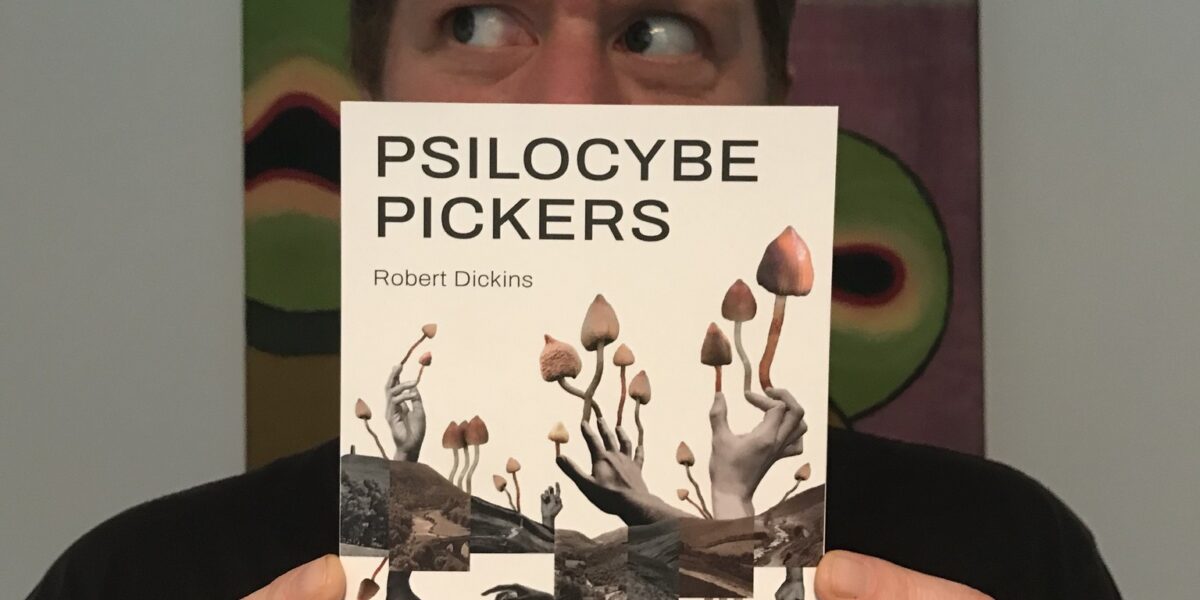
A new book from the philosopher Justin Smith-Ruiu, titled On Drugs, is being hailed as a brilliant work of public philosophy, elevating the discussion of psychedelics to a new level of intellectual rigour. The book is not a simple memoir of drug use, but rather a philosophical investigation into the nature of consciousness itself. Smith-Ruiu investigates a wide variety of substances through the lens of his unique expertise as a professor of the history and philosophy of science. A particularly important element of the text is the (sadly novel) approach to drug classification, placing everything from psilocybin to prescription antidepressants, even caffeine, into a single set of tools, all valid, and all worthy of philosophical inquiry.

The central thrust of the book is a questioning of the foundation of Western thought. Smith-Ruiu used the well-known aspect of intense psychedelic experience – ego death/ego dissolution – to dismantle the traditional “I think therefore I am” philosophical interpretation of consciousness. He argues, rather, that the notion of a stable, continuous ‘self’ is short-sighted. The self is not a single, universal truth; it is just one of many temporary states of consciousness.

Smith-Ruiu’s thesis is that the strange, cosmic unity, wholeness, and oneness felt on psychedelics is not just a hallucination. It is a genuine glimpse into the actual state of reality, which our ego usually shields us from. However, we cannot mistake this sense of revelation for more than it is. In his own words, from a recent interview in The Guardian:

Psychedelic experience has…made me better able to grasp the intuitive appeal of simulationism. But unlike Terence McKenna with his DMT-induced encounters with little elves, and unlike Nick Bostrom or Dave Chalmers with their video games, I know better than to jump from pure phenomenology to ontological commitment. It is a significant fact about our minds that we can alter them so as to experience the world as inhabited by little elves, or by six-dimensional demons, or to see it as a glitch-prone digital projection. But these experiences in themselves prove nothing at all, beyond the fact that, as in some sense we knew all along, the mind is an incredible thing.

Simply put, psychedelics reveal reality shorn of ego, but the specifics of what we see there, be they gods, or monsters, anything at all, are not necessarily themselves categorically ‘real’. The ‘simulation’ revelation is the fact that it is our individual minds, with their individual simulations have the ability to define what is real to them, to a certain degree.

Psychedelics as Religious Sacrament

A growing number of religious groups and organisations across the United States are engaged in a quiet crusade to secure their right to use psychedelics. The movement is leveraging the Religious Freedom Restoration Act (RFRA) – a federal law that sets an exceedingly high bar to governmental intervention in religious practices – to assert that psychedelic substances are a holy sacrament. Citing RFRA, these various groups are arguing that prohibiting the use of a sacrament, whatever it may be – psilocybin, ayahuasca, peyote – imposes unacceptable restrictions on their faith. They are campaigning to ask courts to recognise their practices as legitimate, protected religious exercise. This is, of course, butting up against the current reality of federal drug laws.

We recently reviewed a Johns Hopkins study, which administered psychedelics to 24 separate religious leaders, from a number of faiths, in which 96% of participants ranked the experience as one of the top five most spiritually significant experiences of their lives, with reports of experiences of “ultimate reality”.

The push to legalise psychedelic use in America is not new. What is different this time is the backing of what has been described as a “holy trinity” of supporters – scientists, politicians, and clergy. This push is no longer limited to countercultural rebellion. The movement is diverse, including both long-standing traditional, indigenous use of a variety of substances, along with more modern, American-founded sects. The Native American Church has, in fact, utilised peyote in a religious context since the 1990s, with newer churches employing ayahuasca ceremonially. In May 2025, the Gaia Church in Spokane, Washington, became one of the first churches to receive an exemption for their use of ayahuasca.

Leaders of these various churches lord these substances as a means to encounter the divine in a more tangible way. Of course, when discussing psychedelics here, we must, as always, mention safety. Regardless of religious exemptions or positioning as a sacred substance, it is, of course, wise to keep in mind the actual science and specific, known effects of a particular psychedelic, whatever it may be. 

David Blackbourn | Community Blogger at Chemical Collective

David is one of our community bloggers here at Chemical Collective. If you’re interested in joining our blogging team and getting paid to write about subjects you’re passionate about, please reach out to Sam via email at samwoolfe@gmail.com


share your toughts

Join the Conversation.

0 Comments
Inline Feedbacks
View all comments

Related articles

Our Products

Related Products

1V-LSD 150mcg Blotters
1V-LSD 150mcg Blotters From 22.00
(143)
1cP-LSD 100mcg Blotters
1cP-LSD 100mcg Blotters From 18.00
(137)
Tryptamine Mix and Match Pack (4 x 0.1g)
Tryptamine Mix and Match Pack (4 x 0.1g) 65.00
(1)
1V-LSD 10mcg Micro Pellets
1V-LSD 10mcg Micro Pellets From 15.00
(43)
2-FDCK HCL
2-FDCK HCL From 12.00
(82)
1V-LSD 225mcg Art Design Blotters
1V-LSD 225mcg Art Design Blotters From 35.00
(62)
1S-LSD 150mcg Blotters
1S-LSD 150mcg Blotters From 29.00
(16)
1cP-LSD 150mcg Art Design Blotters
1cP-LSD 150mcg Art Design Blotters From 25.00
(74)
1V-LSD 225mcg Pellets
1V-LSD 225mcg Pellets From 35.00
(26)
1D-LSD 225mcg Pellets (1T-LSD)

SALE! -15%

1D-LSD 225mcg Pellets (1T-LSD) From Original price was: €42.00.Current price is: €35.70.
(13)
1cP-LSD 10mcg Micro Pellets
1cP-LSD 10mcg Micro Pellets From 15.00
(23)
5-MeO-DMT Freebase
5-MeO-DMT Freebase From 23.95
(36)
O-PCE HCL
O-PCE HCL From 17.50
(25)
1cP-LSD 20mcg Micro Blotters
1cP-LSD 20mcg Micro Blotters From 18.00
(27)
4-HO-MET Fumarate
4-HO-MET Fumarate From 19.50
(26)
rewards-icon
popup-logo

Reward program

popup-close
  • Earn
  • Affiliates