Welcome to
Chemical Collective

Are you 18 or older?

Please confirm that your are 18 years of age or older.

You are not allowed to access the page.

info-icon €100 for domestic (NL, CZ, DE) €125 for the rest of the EU, excluding stealth shipping

Free shipping over €50 & free tracked shipping over €100

Friendly customer service available 9-5pm Monday to Friday

Free shipping over €50 & free tracked shipping over €100

Friendly customer service available 9-5pm Monday to Friday

Your cart is empty

PSYCH NEWS – 06/10/2025

david-blackbourn

By David Blackbourn

shutterstock 2658245921
in this article
  • Synthetic Psychedelics a Growing Concern
  • Psilocybin Evolved TWICE
  • Business Executives Seeking Stress Relief from Psychedelic Retreats
  • Psychedelics DO NOT Boost Creativity?
  • Psychedelics Affect More of the Brain Than We Thought
  • Psilocybin Risk During Postpartum
  • Psychedelics Without the Trip
  • Will New York Legalise Psilocybin?
  • A New Canadian Study of Psychedelics for Cluster Headaches
david-blackbourn

By David Blackbourn

Disclaimer: The views and opinions expressed in this article are those of the authors and do not necessarily reflect the official policy or position of the Chemical Collective or any associated parties.

The pace of the news across the psychedelic space has been particularly pronounced in the past couple of weeks. New research is revealing how the effects of psilocybin on the brain are broader than previously thought. Cautionary new studies are highlighting potential risks of psychedelic usage for specific populations.

On the economic front, the wider psychedelic market is showing signs of major changes. Some of the first publicly traded companies centred on the study and applications of psilocybin are beginning to pivot away from the chemical to alternate means. A new wave of heavily venture-capital-funded startups is developing novel compounds to attempt to provide the therapeutic benefits of psychedelics without the corresponding trip.

The public discourse on psychedelics continues to intensify, with one particularly controversial story relating to repressed memories being recovered with the use of psychedelics. Finally, lawmakers are undertaking further landmark discussions relating to the usage of psychedelic compounds as medicine.

Synthetic Psychedelics a Growing Concern

A recent review published in the New England Journal of Medicine has warned of the significant risk to the public from new synthetic psychedelics. The particular substances in question are NBOMEs (N-benzylphenethylamines). These are a class of substances which mimic the effects of ‘classic’ psychedelics, but are often mis-sold. They are derived from phenylethylamines (mescaline, MDMA) with minor changes to their chemical structure, which can cause a substantial increase in their hallucinogenic potential. The widespread availability of these substances has led to a drastic increase in emergency room admissions, as unprepared users experience unexpected, often severe reactions.

The primary danger highlighted by the review is the increased risk of overdose when these substances are compared to the comparatively safe substances they are mirroring. Classic psychedelics are well known for their low toxicity and addiction potential. Even small amounts of some NBOMEs can trigger extreme responses like seizures, psychosis, or even cardiac arrest. The lack of adequate quality control and regulation surrounding these substances means that dosages can be inconsistent and potentially dangerously high.

In light of their findings, the authors of the review are urging for more appropriate public awareness of the reality of purchasing these substances in a black/unregulated market. Education, as ever with any powerful substance, is paramount. They also advocate for increased training for emergency responders. This will allow them to be more likely to actually recognise NBOMEs as potential causes for any physical or psychiatric complications associated with their usage.

Psilocybin Evolved TWICE

A study from the Leibniz Institute for Natural Product Research and Infection Biology has shown that psilocybin evolved in two completely separate types of mushrooms – through completely different biomedical processes. The researchers were able to ascertain that ‘magic mushrooms’ of the genus Psilocybe produce psilocybin using a known set of enzymes. It is the fact that fibre cap mushrooms produce psilocybin by completely different, previously unknown chemical means that is shocking here. It is a powerful illustration of nature’s ingenuity and an example of convergent evolution, where two separate species independently arrive at the same solution to a particular challenge, or evolutionary bottleneck.

The specific evolutionary driver of psilocybin synthesis is still up for debate (another sign of just how early Western science is in this area). However, the rough consensus is that it is likely the substance was developed to combat predation as a defence mechanism. Both the bitter taste and psychoactive effects would likely make the mushrooms unpalatable for a large variety of potential predators. It would also more than likely incapacitate any creature which consumed them. This protection, as with all successful evolutionary breakthroughs, would aid the survival of mushrooms producing the chemical, and so on, and so on. As Jennifer Frazer states in an article for Scientific American:

[T]he majority of naturally-produced recreational drugs – caffeine, nicotine, cocaine, morphine, and psilocybin evolved to be, if not quite insecticides, then scramblers of insect brains. The fact that our brains are enjoyably scrambled by them too is sheer coincidence, but also speaks to the uncomfortable truth that your brain is not so different from a cockroach’s as you might like to think.

And Noah Whiteman –  Professor of Integrative Biology and Molecular and Cell Biology at the University of California, Berkeley – notes in an article for TIME:

5-Meo-DMT, DMT, psilocybin, mescaline, and ergot alkaloids are extremely bitter, so most animals probably avoid them in nature, which can serve as a defense in itself. Among the plants that make 5-Meo-DMT and DMT, grasses in the genus Phalaris are protected from grazing mammalian herbivores like sheep, who find these and related but non-psychedelic chemicals like gramine, unpalatable. If they are eaten, a condition known as the “phalaris staggers” has been reported, reflecting the potentially neurotoxic effects of these alkaloids in the grasses.

Similarly, one clue to why magic mushrooms evolved to produce high levels of psilocybin comes from the fact that these fungi turn blue when injured. In that case, two enzymes chemically transform psilocybin into a chain of psilocin molecules that become linked to one another. These chains act much like indigo or some tannins, which also turn blue when oxidized, and may disrupt the digestive tract. Although psilocin is what causes psychedelic experiences after it is converted from psilocybin, those experiences may be unintended consequences of its ultimate function for mushrooms.

The discovery of psilocybin’s convergent evolution has potentially wide-ranging implications for the large-scale synthesis of the compound. By identifying a second and totally different biochemical means of producing the compound, scientists now have a larger toolkit with which to do so – producing medical-grade psilocybin at scale, with higher efficiency. This would provide the means for the field of psychedelic medicine to expand even faster than it already is, enabling the production (at scale) of psilocybin in bioreactors. This completely bypasses the need for complex and costly chemical procedures involved in the synthesis of the substance by existing means.

Business Executives Seeking Stress Relief from Psychedelic Retreats

More and more high-level executives and entrepreneurs are experimenting with the use of psychedelics to cope with their high-pressure careers. Psychedelic retreats are providing new spaces to deal with issues like burnout, stress, and even unresolved trauma. Despite the carefully curated public faces of people in prominent positions, in private less so. In response to this perceived need and increasing popularity, luxury retreats are springing up all over the place. The Journeymen Collective in Canada, for example, have reported that their bookings have increased 200% over the past two years as demand has risen. The experiences start at $15,000 a person. These are not easily accessible centres for healing; these are exclusive experiences for a select few. This includes multiple trips over a four-day stay, on a 7,000-square-foot estate with a saltwater pool and private chef.

While, as yet, these spaces are widely unavailable to the general public, their holistic approach, with a clear therapeutic or developmental goal, may be a precursor to more accessible therapies for all. However, writing about these retreats does feel a little grubby to me if I am honest. The emphasis on luxury, the looming figure of capitalism hanging above it all. It doesn’t feel like psychedelic usage that will widely benefit society. Classic psychedelics promote feelings of closeness with nature, oneness, and a sensation of being just a part of a whole. Segregating yourself in this fashion, in an environment which is solely available as a result of the exploitation of others, seems a rather telling example of the doublethink at the top of society.

Aside from my personal opinions on the matter, the individual approach, environment of safety, comfort and quality practitioners will undoubtedly provide benefits for those who undertake a stay.

Psychedelics DO NOT Boost Creativity?

The commonly held belief that psychedelics enhance an individual’s creativity is being challenged by new research. The study, published in the Journal of Psychopharmacology, found that a combination of psychedelic substances modelled after traditional ayahuasca preparations actually impaired certain elements of processes affecting creative thinking. The study was a double-blind, placebo-controlled trial, in which participants received a combination of DMT and harmine, or a placebo. Those who received an active dose showed a decline in convergent thinking (the ability to find a single, correct solution to a problem). While divergent thinking (development of new ideas) was not impacted to a significant degree, the results also indicated some possible reduction of this ability.

So, while objectively the participants’ abilities appeared to dwindle somewhat, their subjective experience was completely different. Participants themselves reported stronger feelings of insight, and their perception was that they were, in fact, more creative. This illustrates a significant disconnect between the perceived effects and the actual, scientific reality of these effects. Do psychedelics, therefore, induce the feeling of enhanced creativity, without actually producing a corresponding improvement in creative output in tasks with structure?

The researchers refute the idea that psychedelics are some sort of generalised, foolproof creativity pill. Rather, they alter the creative process itself. The findings suggest that maybe psychedelic substances change the focus of creative thinking by disrupting analytical thought processes. This may, in fact, be beneficial in certain contexts, perhaps music or poetry, for example, but detrimental in others – like writing a structured article or essay. Here, then, is another study showing us how little we know about the specific effects of psychedelics and urging caution. Broad assumptions about the perceived effects of anything need always to be challenged.

Psychedelics Affect More of the Brain Than We Thought

New data published in Molecular Psychiatry has suggested that psychedelics alter far more neurons in the brain than was previously thought. The most basic understanding of the effects of psychedelics appears to be at least somewhat flawed. The 5-HT2A serotonin receptor is currently seen as the means by which psychedelics have their impact. However, the new research from the University of Michigan shows that even neurons without serotonin 2A receptors are also dramatically impacted by psychedelic use. This potentially expands the applications in which these substances could be applied to a far broader number of people, for an even wider range of conditions. This may go some way towards explaining psychedelics’ sometimes-received reputation as a panacea.

“We identified brain regions where most neurons are completely lacking serotonin 2A receptors. Surprisingly, psychedelic treatment was still able to strongly boost connectivity onto these neurons,” said the study’s senior author, Omar Ahmed. After psychedelics were administered, these previously believed to be unaffected areas of the brain experienced a dramatic increase in both connectivity and neuroplasticity

The study paid close attention to the ‘retrosplenial cortex’, an area of the brain involved in critical aspects of memory and orientation. This is one of the first areas of the brain affected by Alzheimer’s disease. While this region is devoid of 5-HT2A receptors, synaptic connections were seen to be greatly increased following treatment.

These results potentially have significant implications. On the one hand, incredibly positive, perhaps psychedelics can alleviate, even heal, way more conditions than we previously thought. It does again, as with the previous story, highlight the serious need for caution when pushing ahead, as our understanding is so extremely limited.

Psilocybin Risk During Postpartum

Research from UC Davis Health indicates that psilocybin may actually have detrimental effects when used during the postpartum period. Whereas usually psychedelics are seen as potential means to alleviate or cure depressive symptoms, during the postpartum period, the opposite may be true. The study, published in Nature Communications, used a mouse model to test this, and female rats in the postpartum period displayed an increase in depressive symptoms. This is particularly significant as the same team of researchers previously showed that psilocybin reduced anxiety symptoms and symptoms of depression in female mice outside of the postpartum period. This indicates that the hormonal state of an individual may play a significant role in the persistent effects of psychedelics.

The study also highlighted a potential intergenerational impact. The perceived negative behavioural effects were, in fact, passed down to the offspring of the mother rats treated with psilocybin. The offspring then continued to exhibit long-term signs of depression and anxiety, which continued into their adulthood. Researchers also confirmed that psilocin, the actually active part of psilocybin, was transferred to the children via lactation and was present in their brains.

This is a powerful illustration of the long-lasting impacts of these substances. While psychedelics are traditionally seen as comparatively safe substances, the postpartum period may hold a period of increased vulnerability. As the brain is in such an intense state of flux due to massive hormonal and neurological changes, the researchers urge caution. Different patient populations will be affected differently. What is therapeutic for one may not be for others.

Psychedelics Without the Trip

A Silicon Valley startup, Mindstate Design Labs, is currently developing what they describe as “the least psychedelic psychedelic that’s still psychoactive”. The novel compound MSD-001 is designed to promote the healing effects of psychedelics while avoiding the traditional ‘trip’, and has the backing of numerous major tech investors. This is an attempt to make the drug accessible to a wider variety of potential patients. The hope is to provide a gentle experience, characterised by enhanced emotional connection, openness, and aesthetic appreciation. Mindstate describes (perhaps somewhat worryingly? Soma, anyone?) this as “beauty in a bottle”.

The first human trial consisted of 47 participants, who all reported positive outcomes from the experience, and no adverse effects. Subjects described a reduction of anxiety symptoms, more vivid colours, and self-insight and understanding. No one experienced any kind of ego-dissolution or hallucinations.

Mindstate’s CEO, Dillan Dinardo, describes the substance:

What you get with MSD-001 is like a ‘psychedelic tofu’…If you strip out all of the other characteristics and modules that other psychedelics have, you’re left with a compound that doesn’t look very psychedelic, a core access mechanism; this is MSD-001. It’s not just a single drug, but a platform that can create all these other emotions. In this trial’s case, we were trying to upregulate aesthetic perception.

This approach is part of a broader aim to create a new class of precision mental health medications. MSD-001 would act as a kind of base molecule, which could potentially combine with others to promote certain, reliably repeatable states of consciousness.

However, the methodology of Mindstate has been somewhat controversial. Mindstate employed AI tools to analyse a huge dataset of ‘trip reports’ from sites such as Reddit to map emotional and cognitive states to specific chemicals. This was used to guide their design of MSD-001. While this is certainly an innovative and seemingly successful approach, critics question the objectivity and safety of this approach. Dr Jonny Martell, a lead medic at Imperial College’s Centre for Psychedelic Research, describes these concerns:

MSD-001 raises questions, as human subjectivity, biology and how drugs affect your body are messy…It remains to be seen how much we can rely on AI to predict outcomes or ensure safety. Whether biotech’s technocratic vision of ‘precision neuropharmacology’ engineering consciousness to specific ends turns out to be dystopian or therapeutic will depend on who controls it, with what intention, and how informed its use is.

MSD-001 has only completed very early human trials, so its potential widespread usage is as yet far in the future. However, Mindstate may well have opened the door to a completely new arsenal of psychedelic compounds and targeted, individualised methods of design.


Will New York Legalise Psilocybin?

Lawmakers in the state of New York are actively considering whether or not to legalise psilocybin for use in a medical/therapeutic context. The Assembly Health Committee has discussed the potential of psilocybin to treat a wide variety of conditions, particularly treatment-resistant depression, PTSD, and migraines. The hearing is part of a concerted push statewide (across the US as a whole, as we have previously reported) for psychedelic reform. The reality is that many New Yorkers are already using these substances without any regulatory oversight. 

The chairwoman of the panel, Assembly member Amy Paulin (D), introduced a bill to legalise psilocybin for adults last year. Screening would require anyone to obtain a permit after undergoing a health screening and educational course, before legal use would be permitted.

“The committee is very interested in hearing the testimony to see what we can do about perhaps making [psychedelics] legal and appropriate for medical providers to dispense a product that they, frankly, have been acknowledging is effective for their patients, but have been unable in New York to legally prescribe it,” she said.

The discussion was open and highlighted a renewed commitment among legislators to fully explore the scientific data available. This will allow them to establish a safe and regulated system for psilocybin-assisted therapy, ensuring both patients and providers are adequately protected.

A New Canadian Study of Psychedelics for Cluster Headaches

At the 2025 American Headache Society (AHS) Annual Meeting, in Minneapolis, Minnesota, Eric P. Baron, DO, presented research exploring the potential therapeutic applications of psychedelics for headache disorders. The study analysed data from the Canadian Psychedelics Survey, which collected personal reports from adults of their substance use for a variety of health conditions. The results indicate that a statistically significant number of patients use psychedelics to manage headaches outside of the realm of medical supervision.
The data suggested that psilocybin was the most effective substance for alleviating symptoms of both migraines and cluster headaches. This was followed closely by LSD. The majority of users employed the substances for prevention purposes, but a small number also used them for acute treatment in the moment, with some perceived success. A large number of respondents to the survey reported a significant reduction in symptoms, with 75% headache relief being the most common.
These findings once again underscore the therapeutic potential of psychedelics. Combined with the potential legislation changes for psilocybin relating to headache relief in the previous story, it seems psychedelics may be extremely effective in combating headache disorders. This will help to guide and structure future clinical trials. A larger, global survey is now underway to assess whether or not these responses are applicable across a more diverse population.

Taken as a whole, this recent flood of news (and I could easily continue this article for another 2000+ words) paints a clear picture of the rapidly growing, somewhat turbulent transition of psychedelics into the mainstream. Growth is not happening in just one area; it is across all aspects. It seems every paper has the potential to reframe our fundamental understanding of the true potential of these powerful substances and how they work. Correspondingly, this is contrasted with the realities of capitalism intervening in the spade, and the harsh realities of a rapidly developing market. As the push for medical legitimacy and individual freedom is gaining undeniable momentum all over the world, it continues to raise complex ethical questions as we better understand the risks. How best to integrate these powerful tools into society is an ongoing concern, which will take years to achieve successfully and sustainably.

David Blackbourn | Community Blogger at Chemical Collective

David is one of our community bloggers here at Chemical Collective. If you’re interested in joining our blogging team and getting paid to write about subjects you’re passionate about, please reach out to Sam via email at samwoolfe@gmail.com

share your toughts

Join the Conversation.

0 Comments
Inline Feedbacks
View all comments

Related articles

Our Products

Related Products

1V-LSD 150mcg Blotters
1V-LSD 150mcg Blotters From 22.00
(143)
1cP-LSD 100mcg Blotters
1cP-LSD 100mcg Blotters From 18.00
(137)
Tryptamine Mix and Match Pack (4 x 0.1g)
Tryptamine Mix and Match Pack (4 x 0.1g) 65.00
(1)
1V-LSD 10mcg Micro Pellets
1V-LSD 10mcg Micro Pellets From 15.00
(43)
2-FDCK HCL
2-FDCK HCL From 12.00
(82)
1V-LSD 225mcg Art Design Blotters
1V-LSD 225mcg Art Design Blotters From 35.00
(62)
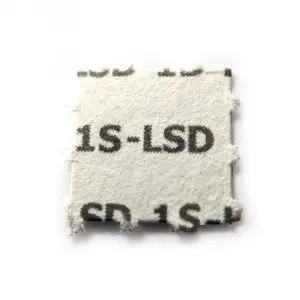
1S-LSD 150mcg Blotters
1S-LSD 150mcg Blotters From 29.00
(16)
1cP-LSD 150mcg Art Design Blotters
1cP-LSD 150mcg Art Design Blotters From 25.00
(74)
1V-LSD 225mcg Pellets
1V-LSD 225mcg Pellets From 35.00
(26)
1D-LSD 225mcg Pellets (1T-LSD)

SALE! -15%

1D-LSD 225mcg Pellets (1T-LSD) From Original price was: €42.00.Current price is: €35.70.
(13)
1cP-LSD 10mcg Micro Pellets
1cP-LSD 10mcg Micro Pellets From 15.00
(23)
5-MeO-DMT Freebase
5-MeO-DMT Freebase From 23.95
(36)
O-PCE HCL
O-PCE HCL From 17.50
(25)
1cP-LSD 20mcg Micro Blotters
1cP-LSD 20mcg Micro Blotters From 18.00
(27)
4-HO-MET Fumarate
4-HO-MET Fumarate From 19.50
(26)
rewards-icon
popup-logo

Reward program

popup-close
  • Earn
  • Affiliates