Welcome to
Chemical Collective

Are you 18 or older?

Please confirm that your are 18 years of age or older.

You are not allowed to access the page.

info-icon €100 for domestic (NL, CZ, DE) €125 for the rest of the EU, excluding stealth shipping

Free shipping over €50 & free tracked shipping over €100

Friendly customer service available 9-5pm Monday to Friday

Free shipping over €50 & free tracked shipping over €100

Friendly customer service available 9-5pm Monday to Friday

Your cart is empty

Stan Grof’s 9 Activities for Psychedelic Integration

john-robertson

By John Robertson

rsz stanislav grof by anton nossik
in this article
  • Psychedelic Integration
  • 1. Rest
  • 2. Remain in a Meditative State
  • 3. Be in Contact with Nature
  • 4. Listen to Music
  • 5. Long Session with a Therapist
  • 6. Visualisation of the Experience
  • 7. Write an Account of your Experience
  • 8. Artistic Expression of the Experience
  • 9. Remain Attentive to Dreams
  • Final Thoughts
john-robertson

By John Robertson

Disclaimer: The views and opinions expressed in this article are those of the authors and do not necessarily reflect the official policy or position of Chemical Collective or any associated parties.

What you do after a psychedelic experience can completely change its impact on your life.

But how? The experience has already happened!

That doesn’t make any sense. Before, or during, I get it, but after?

That’s the funny thing about experiences. How we process them, make sense of them, and what we do with them can change what we make of them, get out of them, and how much they influence us.

This is why psychedelic integration is so important. This is what we do after an experience, to positively integrate it into our lives. Makes sense, right? 

Knowing this, naturally, people ask: What are the best things to do after an experience, to support the integration process? It’s a question many of us have had, so it was to my delight that when I was recently reading Psychedelic Integration by Marc Aixala, and inside I stumbled on Stan Grof’s nine integration activities. Grof is a legendary and pioneering psychiatrist and researcher in psychedelic therapy, who laid out these nine tools as a guide for integration, based on his decades of work in the field.

We know that preparation is important, too, of course, but in this article, I’ll be exploring Grof’s nine integration activities. They include ones I’m sure you’ve heard before: journaling, speaking with a therapist, spending time in nature, and maybe a few you haven’t. For each one, we’ll look at what it is and how and why it can help, and I’ll then give some practical suggestions on how to incorporate this into your own psychedelic integration process.

But before we get into Grof’s 9 activities, let’s recap a little on psychedelic integration and its importance.


Psychedelic Integration

As opposed to psychedelic preparation, which comes before an experience, psychedelic integration comes after an experience.

In their integration workbook, MAPS (the Multidisciplinary Association for Psychedelic Studies) describes what integration is:

The process of integration involves making sense of and incorporating the insights, emotions, and changes that may arise during a psychedelic journey into your everyday life. Integration is an essential aspect of the psychedelic experience because these substances can bring about intense and often challenging insights, emotions, and shifts in perspective.

Psychedelic integration can broadly be divided into having two purposes: maximising benefits and minimising adverse effects. These benefits or undesired effects might be physical, emotional, or psychological, such as feeling a boost in mood, a clearer mind, or feeling tired, having a headache, or being confused. Benefits can also include making positive changes to lifestyle, behavioural patterns, and mental habits. 

These nine activities cover a broad spectrum of our needs for integration, which includes recuperation, recovery, emotional and psychological processing, sense-making, and contemplation. As such, they form a wonderful general framework and toolkit for you to have and bear in mind for after your next experience. They do not all need to be done, and Grof suggested a way to approach these, but we’ll explore that later. First, let’s go through Grof’s nine integration activities.

1. Rest

The first thing is to rest. It might sound obvious, but many of us are so used to keeping busy with never-ending to-do lists that it can actually be challenging to take time out to rest. Activity and productivity are championed in our culture, so it can seem almost immoral. This is why many people finish a psychedelic experience and hastily dive right back into their normal routine. This is a mistake.

I believe this appears first on Grof’s list for a good reason. You have just been through something huge, an intense experience. It might have been something heavy emotionally, physically, and/or mentally. Many times it’s draining, challenging, or taxing. Your mind and nervous system need time to recover and recalibrate. This is why rest is key.

So, what do we mean by rest? Firstly, sleep is the mother of physical recovery. 

Beyond sleep, rest can mean forming something of a protective bubble around yourself for a few days. This would mean avoiding anything that can bring an increased level of stress, or an intense or heightened sense of stimulation. This might be anything from watching intense stories on the news to a high-pressure work deadline to challenging or uncomfortable social interactions. It’s not always possible to completely remove ourselves from the world, so this will look different to people, but the key is to dial it down.

It can be helpful to think of a psychedelic experience like psychic surgery, and the time after as the period of recovery from surgery. If you just had your appendix out, you wouldn’t run a marathon the next day, so don’t throw yourself back into the full swing of life afterwards.

In simple practical terms, take at least one full day off work, stay hydrated, eat nourishing food, and avoid making any major decisions. Lighten your schedule for the week after and let your system recalibrate gently.

During this period, rather than filling the space with noise like scrolling social media, use it to pursue other activities that will support your integration process: the following 8 activities on this list…

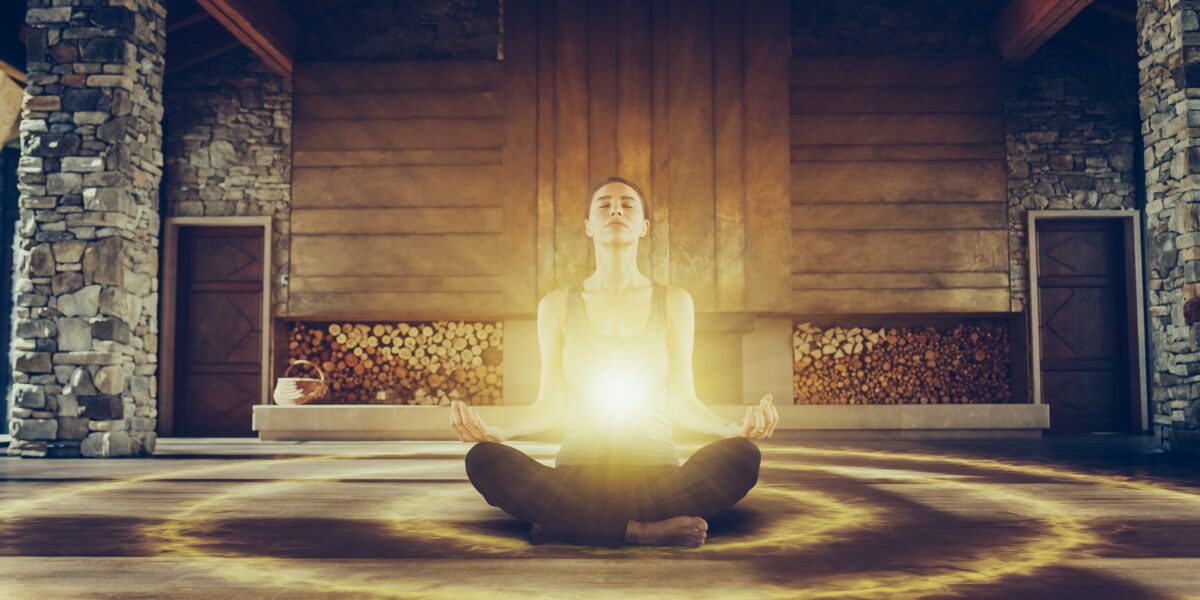
2. Remain in a Meditative State

Psychedelic experiences have the ability to temporarily dissolve the boundaries of everyday consciousness. In some cases, we might be able to access states of awareness that would take years of meditation practice. It can be illuminating and insightful, and maintaining some type of connection to that expanded state once the psychedelic wears off can be hugely valuable.

This is why Grof says to ‘remain in a meditative state’. This doesn’t mean literally meditating for hours every day; it is more about cultivating an ongoing attitude of soft and open awareness throughout your day. Although this is more of a guideline than an activity, it can be supported by simply taking pauses and moments of mindfulness as you move through your day.

If you think back to your experience, perhaps there were moments where you felt deeply present and receptive, inhabiting a space beyond your typical day-to-day. This doesn’t have to be left behind the moment the dose wears off. Meditative states tend to be more accessible in the period directly after a psychedelic journey, and many people report that meditation feels different after a psychedelic experience: deeper, more natural, more effortless. This makes it a great time to build awareness and a more mindful state of being.

Any kind of consistent meditation practice will support this, and in practical terms, this might be awareness of the breath or a body scan meditation. Mindful activities can also be used, such as mindful walking. While we may not be able to inhabit the same type of expansive consciousness we experienced in our journey, we can preserve and cultivate some of that expanded awareness and let it gradually integrate into our normal day-to-day experience.

3. Be in Contact with Nature

Psychedelics often show us our interconnectedness with nature and the world around us, and being in contact with nature during integration can provide a grounding influence.

Forest bathing, or shinrin-yoku, is a Japanese practice of slowing down and immersing ourselves in nature to improve health and well-being. It involves quietly observing the forest atmosphere, breathing deeply, and tuning into our senses to feel calm and connected. Studies have linked forest bathing to lower blood pressure, reduced stress hormones, and improved mood. Trees also release chemicals called phytoncides that can boost the immune system.

Beyond Japanese forest bathing, studies have shown that mindful time in green settings like parks and gardens also carries health benefits:

“Exposure to green space results in mental restoration and increased positive emotions and decreased anxiety and rumination. Improved mindfulness can result from exposure to green space as well.”
– Heather Eliassen, Harvard T.H. Chan School of Public Health [1]

After a psychedelic experience, when your nervous system might still be sensitive and processing, nature’s influence can be highly supportive and restorative. It can be soothing and calming, especially if you spend a lot of time inside, either at home or in an office, or in otherwise highly stimulating environments. Beyond its calming influence, being in nature can also bring us back to that feeling of interconnectivity and remind us that we’re part of something larger.

In practical terms, you don’t need to go on a camping trip or move out to the sticks. Contact with nature could include simple activities like walking in a park, sitting under a tree, or walking barefoot. It could be looking after houseplants, or looking at clouds or stars in the sky. These can be incorporated into your routine, for example, having morning coffee in the garden, your lunch breaks in the park, or an evening walk in a green area. And the more you can bring a sense of presence and mindfulness to these contacts with nature, the better.

4. Listen to Music

Music can play a huge role during a psychedelic experience. It can guide the experience and bring up feelings, emotions, and serve as a calming and grounding influence. Grof also understood that music could act as a bridge back to the experience, that it could reconnect us to it. For this purpose, he specifically recommended listening to music that was listened to during the experience itself.

This is one of my top and most recommended integration activities because it’s so immediate and accessible. Listening to a piece of music that was meaningful during our experience can instantly transport us back to those feelings, insights, and expanded states. It is a simple yet incredibly effective way to reconnect to the journey and all that was experienced. 

During integration, this can help with processing emotions, and listening to your session soundtrack whilst journaling about the journey can help to further unpack and contextualise the experience. This can help with emotional regulation and meaning-making.

For this activity, you might choose specific tracks that were particularly powerful during the session, and listen to them in relatively quiet and undisturbed places so you can listen more deeply.

Some people even find that they experience music in new ways after a psychedelic experience. They hear subtleties and layers they hadn’t noticed before, or feel things in their body when listening. If this happens to you, take note, as it is a sign that you have an expanded sensitivity or perception that integration work can help to maintain.

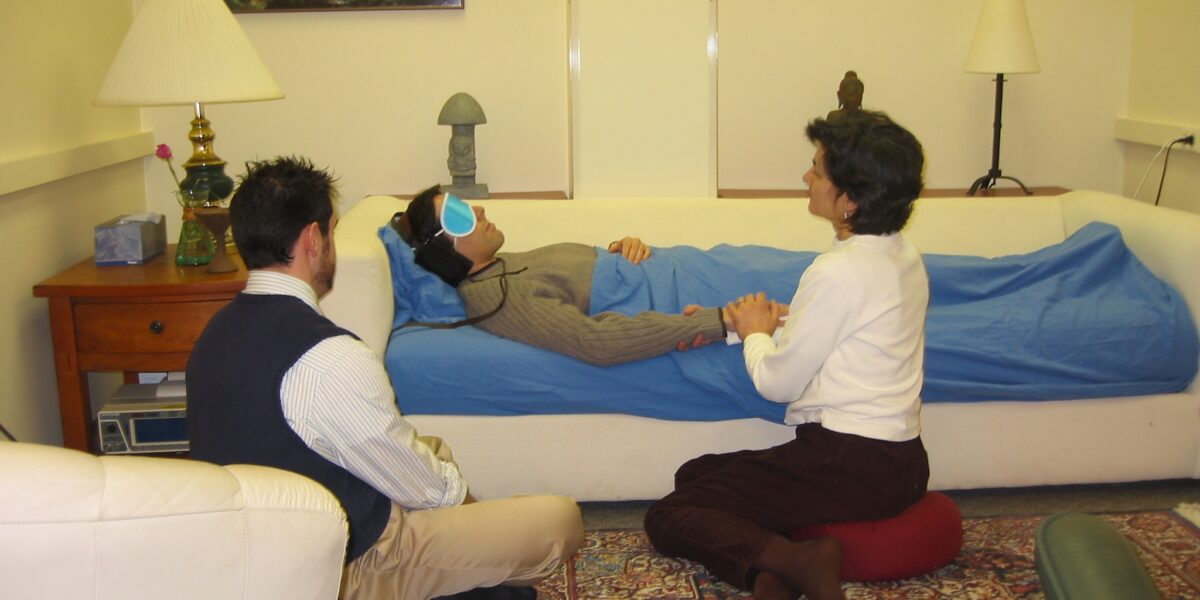
5. Long Session with a Therapist

This is an extended and in-depth conversation with someone who can help you process and make sense of what happened. Part debrief, part unpacking, this is a long interview rather than a short therapy session, so that there is time and space for a fuller exploration of your journey.

Psychedelic journeys can bring up challenging material such as traumatic memories, uncomfortable truths about ourselves or our relationships, existential fears, and content that doesn’t have any obvious meaning or immediately make sense. This interview offers an opportunity to share and analyse any and all of these disconcerting or challenging aspects of our experiences. Voicing these with a trained professional who can hold space and offer appropriate input can lighten the load and bring perspective.

Being able to safely and deeply explore the experience with someone who is trained to hold space for this type of material can also be validating and help us to see patterns that we might have otherwise missed. A therapist might also be able to offer frameworks for understanding parts of the journey that were confusing and offer reassurance if there are any doubts about whether what was experienced was real or meaningful.

A suitable therapist for this job will be someone who is not only open to psychedelic work but familiar with their effects and non-ordinary states of consciousness. This will put them in a good position to support you and make sure that they don’t dismiss or somehow pathologise your experience. It should make them well placed to help distinguish between insights that are ready to be integrated more actively in terms of behaviour and action, and material that might need more processing.

For this reason, look for professionals with experience in psychedelic therapy and/or a background in transpersonal psychology. If you can’t find someone who is formally trained, someone who is open-minded and experienced with psychedelics would be a good candidate to help you process and unpack. Beyond that, someone who can simply listen without judgement can still be really valuable.

6. Visualisation of the Experience

Recalling and mentally visualising the psychedelic journey can support understanding and integration of an experience. This is about recreating and re-engaging with the visual, emotional and energetic qualities of the experience through deliberate and active visualisation practice. Beyond simply remembering what happened, this is about intentionally returning to specific scenes and images and allowing them to come alive again in your mind’s eye.

Images that may come up in an experience could include psychedelic geometric patterns, alien landscapes or beings, symbolic imagery, scenes from your past, imagined scenes that seem almost random, or anything else. Some may come with strong emotions, some may stay with you for their memorable visual aspects, and some may do both or neither.

For images that carry an emotional charge, revisualising can help to process the emotions and integrate them into your being, and can be done even if the vision itself or the accompanying emotions don’t yet make much sense to your rational mind. Trust the emotional significance and work with them. It can especially be helpful for processing parts of the experience that were confusing or overwhelming at the time.

For those that don’t come with the same level of emotion, the process of revisualising them after your experience can help in allowing their meaning to unfold over time. Sometimes, returning to these moments from the safer place of ordinary consciousness can help to bring new perspectives on their meaning or significance.
Doing this practice is quite straightforward. Set aside some quiet time, close your eyes, and recreate scenes from the journey in your mind’s eye. As you do this, be mindful of any changes and perceptions in your mind and body. What feelings and thoughts come up? Does the feeling in your body change? Simply allow what wants to come up and take mental note. This can also be done whilst listening to music from the session.

7. Write an Account of your Experience

Writing a trip report is a classic integration method for good reason; it is simple and effective. And this is essentially what Grof is referring to here. 

At a basic level, writing a report helps to preserve details and memories of the experience that would otherwise fade with time. Perhaps more importantly, the process of putting a non-linear and non-verbal experience into words forces a kind of cognitive processing that can lead to new insights and connections.

During the journey, you may experience things that are purely emotional, physical, spiritual, or otherwise bypass rational thought. Writing bridges that gap and can help to translate some of the experience from psychedelic states of consciousness to everyday consciousness. It can help us to put it into a form where we are able to bring back some of the experience. The process makes us engage with the material in a new way, and this can help us to understand it differently or to gain new perspectives on it that weren’t apparent before.

The activity itself, if not easy, is fairly simple. Take a pen and paper and write an account of your experience. It can be helpful to focus on things that feel significant, and include emotions, sensations, images, and insights. Be descriptive, but don’t worry about the quality of writing; this isn’t for publication, it’s for you. If you prefer to type it, that’s fine too. Some people like to do this directly after an experience, whilst others like to wait a day or two to let the dust settle. Either is fine, but capturing it within at least the first few days after an experience allows you to capture it whilst it’s fresh and before the memory starts to fade.
Over time, your accounts become valuable records that can help you find new perspectives and see your progress over time.

8. Artistic Expression of the Experience

After writing an account of your experience, you’ll likely find that there are parts that can’t be captured by words. An artistic expression of it can help here. This could be any type of artistic expression: painting, dancing, sculpture, music, singing, or anything else. These non-rational expressions allow for further processing and engagement through expression in an intuitive and non-verbal form. It can be particularly supportive for integrating parts of the experience that elude written description and where words escape us. It allows the experience to continue to flow through us in different avenues.

Anything you create can serve as a tangible reminder of your experience and help to reconnect you with the visual and emotional aspects of the experience more effectively than words. Looking at a piece of your integration artwork months later can take you back to an experience more instantly and effectively than reading your written report.

Practically speaking, this can be a very simple process. Once again, try not to overthink this and don’t worry about creating anything for anyone else. Take some coloured crayons and move them over paper. Play with clay.  Listen to some music and let your body move. Just engaging with the process is valuable in itself, regardless of any outcome or final piece.

9. Remain Attentive to Dreams

The final of Grof’s nine integration activities is paying attention to our dreams.

One of the valuable things about psychedelics is that they bring unconscious material to the level of our conscious mind, and dreams can also do this. This is why dream analysis has been such a central process in psychoanalysis, with Freud calling them the “royal road to the unconscious”. They are seen as providing a window into repressed wishes, fears, and conflicts from the unconscious mind. In the days after a psychedelic experience, there may still be some significant material bubbling up, and as such, it is a good time to pay attention to them.

Dreams may be more vivid or memorable than usual, and this can be a sign that your unconscious mind is still working with the material and continuing to process the experience as you sleep. During the integration period, dreams may offer content that offers further insights, understanding or new perspectives. In some cases, this might even lead to ideas for practical steps in your integration process.

To do this, you might like to keep a dream journal next to your bed. You can jot down any notable or interesting dreams that occur. Even if they are only fragments or small parts, it helps to get these down as soon as you wake up, before they fade. Most people find their ability to recall dreams improves with practice, so if you have difficulty recalling anything at all, a simple first step is to set an intention before sleep to remember your dreams.

As you become more familiar with your dreams, you may notice recurring themes or patterns. These can be useful to see what might be sticking and provide guidance in areas for your continued integration and growth.

Final Thoughts

Our work with psychedelics doesn’t end when the session does, and Stan Grof’s nine activities for integration provide a valuable framework for you to use after the experience – to process, to reflect, to reconnect, to deepen, and to continue your journey. Remember that you don’t need to do all nine every time, and you can experiment with them to see which ones work best for you and best fit your situation and needs. Over time, you may find that some become your core integration practices, whilst others might only be used occasionally. Stay flexible in the process and seek professional support when necessary.

Stay safe, journey well.

John Robertson | Community Blogger at Chemical Collective | mapsofthemind.com

John is one of our community bloggers here at Chemical Collective. If you’re interested in joining our blogging team and getting paid to write about subjects you’re passionate about, please reach out to Sam via email at samwoolfe@gmail.com

share your toughts

Join the Conversation.

0 Comments
Inline Feedbacks
View all comments

Related articles

Our Products

Related Products

1V-LSD 150mcg Blotters
1V-LSD 150mcg Blotters From 22.00
(143)
1cP-LSD 100mcg Blotters
1cP-LSD 100mcg Blotters From 18.00
(137)
Tryptamine Mix and Match Pack (4 x 0.1g)
Tryptamine Mix and Match Pack (4 x 0.1g) 65.00
(1)
1V-LSD 10mcg Micro Pellets
1V-LSD 10mcg Micro Pellets From 15.00
(43)
2-FDCK HCL
2-FDCK HCL From 12.00
(82)
1V-LSD 225mcg Art Design Blotters
1V-LSD 225mcg Art Design Blotters From 35.00
(62)
1S-LSD 150mcg Blotters
1S-LSD 150mcg Blotters From 29.00
(16)
1cP-LSD 150mcg Art Design Blotters
1cP-LSD 150mcg Art Design Blotters From 25.00
(74)
1V-LSD 225mcg Pellets
1V-LSD 225mcg Pellets From 35.00
(26)
1D-LSD 225mcg Pellets (1T-LSD)

SALE! -15%

1D-LSD 225mcg Pellets (1T-LSD) From Original price was: €42.00.Current price is: €35.70.
(13)
1cP-LSD 10mcg Micro Pellets
1cP-LSD 10mcg Micro Pellets From 15.00
(23)
5-MeO-DMT Freebase
5-MeO-DMT Freebase From 23.95
(36)
O-PCE HCL
O-PCE HCL From 17.50
(25)
1cP-LSD 20mcg Micro Blotters
1cP-LSD 20mcg Micro Blotters From 18.00
(27)
4-HO-MET Fumarate
4-HO-MET Fumarate From 19.50
(26)
rewards-icon
popup-logo

Reward program

popup-close
  • Earn
  • Affiliates