Welcome to
Chemical Collective

Are you 18 or older?

Please confirm that your are 18 years of age or older.

You are not allowed to access the page.

info-icon €100 for domestic (NL, CZ, DE) €125 for the rest of the EU, excluding stealth shipping

Free shipping over €50 & free tracked shipping over €100

Friendly customer service available 9-5pm Monday to Friday

Free shipping over €50 & free tracked shipping over €100

Friendly customer service available 9-5pm Monday to Friday

Your cart is empty

In Memoriam: Jonathan Ott

david-blackbourn

By David Blackbourn

rsz 3517994250 1164567662371471 8948165558054544968 n
in this article
  • Who Was Jonathan Ott?
  • “Entheogen” – A Lexical Revolution
  • Pharmacotheon: Entheogenic Drugs, Their Plant Sources, and History
  • Ayahuasca Analogues: Pangaean Entheogens
  • The Psychedelic Renaissance
  • Principle and Persecution
david-blackbourn

By David Blackbourn

Disclaimer: The views and opinions expressed in this article are those of the authors and do not necessarily reflect the official policy or position of the Chemical Collective or any associated parties.

I firmly believe that contemporary spiritual use of entheogenic drugs is one of humankind’s brightest hopes for overcoming the ecological crisis from which we threaten the biosphere and jeopardize our own survival, for Homo sapiens is close to the head of the list of endangered species.

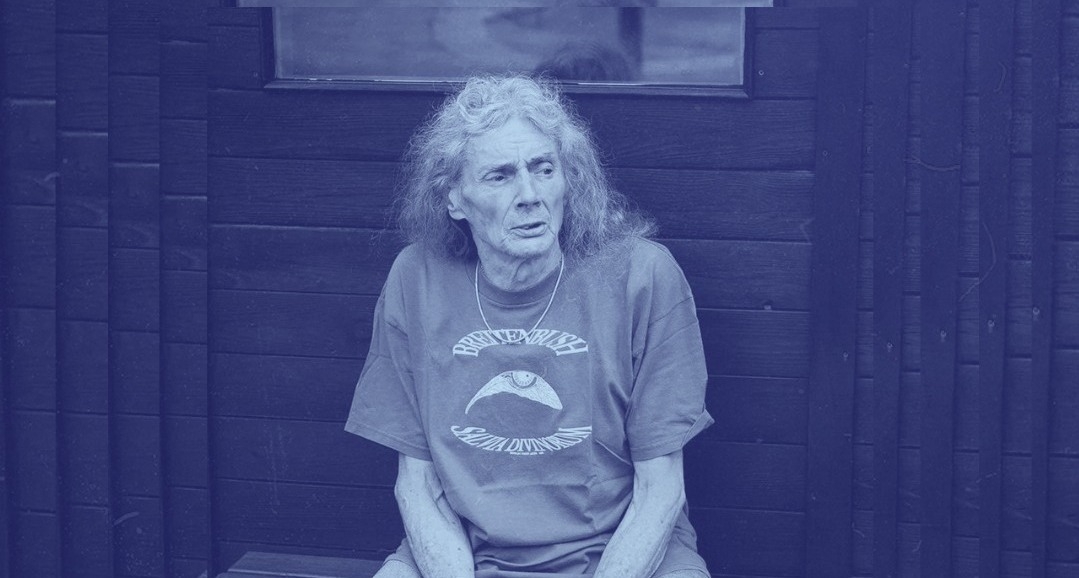
While he may be lesser known in wider public discourse, in the scholarly exploration of psychoactive substances, few figures remain as significant as Jonathan Ott (1949–2025). Ott’s research spanned many fields. He was an accomplished ethnobotanist, writer, translator, publisher, natural products chemist, and botanical researcher of psychoactive substances. His work fundamentally reshaped the discourse surrounding psychedelics, standing as one of the earliest heralds of the psychedelic renaissance.

His most enduring legacy is perhaps his coining of the term “entheogen” – a term designed to lift these substances from their countercultural, pejorative contexts in the West, to situate them within their actual historical context. There is more to this than simple semantics; entheogen was the cornerstone of a worldview that Ott cemented in his comprehensive 1993 book, Pharmacotheon: Entheogenic Drugs, Their Plant Sources and History. (Full text can be found HERE). Pharmacotheon is an exhaustive database of psychoactive plants and their historical usage around the world. It details 1,000 plants used for various spiritual or shamanic purposes across many different cultures.

Ott’s methodology, as with many proponents of psychedelics from the scientific community, was one of direct hands-on engagement with these substances. This was not just detached academic observation; it was concerted self-experimentation. This approach informed the eight books he published throughout his career. While Ott’s work actively encouraged the psychedelic renaissance in the West, he was a strong critic of the ways in which society was beginning to harness or exploit these substances. He was also consistently critical of Western pharmacology as a whole, with its inherent biases and an incredibly negative association with the natural world – perhaps more focused on patents and profits than utilising nature in a symbiotic, sustainable, respectful manner. So, Jonathan Ott was more than just a scientist relating the qualities of various psychoactive plants; he was a profound philosopher, exploring the foundations of consciousness itself.

His passing in July 2025 marked the end of an era for a field that he did so much to define.

Who Was Jonathan Ott?

In direct contrast to his better-known contemporaries, Jonathan Ott eschewed the spotlight. Other, more well-known psychonauts like Timothy Leary and Terence McKenna became active media figures and countercultural icons. You could definitely argue that they became somewhat enamoured with this status, and it affected the veracity of their work. Ott was purposefully reclusive, cultivating a life of quiet and intense study and hands-on research from his home in the mountains of Xalapa, Mexico.

Ott was born to a working-class family in Connecticut in 1949 and spent his childhood living between the U.S. and Europe. His lifelong interest in ethnobotany was sparked in 1973 while attending a lecture from the founder of ethnobotany, Richard Evan Shultes. Ott became an immediate disciple of Shultes’ work, along with two other contemporaries, the ethnomycologist Robert Gordon Wasson, and the creator of LSD, Albert Hofmann. Ott was one of the last contemporary researchers of this kind, following the deaths in recent years of figures like Alexander Shulgin.

Ott’s decision to relocate to Mexico in the 1980s was a conscious uncoupling from a Western society he felt did not treat psychedelics with the respect and reverence that he believed they deserved. The cultural demonisation, rampant in the 80s, with the onset of the War on Drugs and a stifling scientific community still enmeshed in issues of legality. This conscious removal from this destructive atmosphere allowed Ott to focus and immerse himself in the rich ethnobotanical traditions of Mesoamerica. He was able to study psychedelics in their natural environment, as well as their integral position as a part of society and culture. It was here in Mexico, far from the media glare and cultural fear and misunderstanding, that he was able to establish his lab and produce much of his work.

Though he is most known for Pharmacotheon, Pharmacophilia, and Ayahuasca Analogues, Ott produced a huge amount of work outside of these seminal pieces. He worked on multiple books with his mentors, compiling and combining their ethnobotanical knowledge of psychoactive substances so it could easily be shared. He also produced several publications on how to locate, identify, and cultivate psychedelic plants in North America and Europe. His underlying motivation throughout was to make psychedelics accessible to anyone who sought them out and to spread the knowledge of their benefits and uses.

To make psychedelics accessible and acceptable for all, it takes more than just botany or chemistry. Language is the means by which ideas are communicated. 

Words are manufactured and in their making, they betray the incomprehension or prejudice of the times.

To transform Western culture to a point at which psychedelics become an integral and safe part of society, what was also needed was a lexical revolution. This brought about the creation of the term “entheogen”, a conscious rebrand of the term “psychedelic,” to place these substances in their true context.

“Entheogen” – A Lexical Revolution

Though it isn’t an exhaustive, scientifically thorough exploration of psychedelic plants or a highly considered botanical guide, Ott’s role in popularising the term “entheogen” was perhaps his most important contribution to the psychedelic community. It is not simply the creation of a new piece of lexical jargon; “entheogen” was a carefully crafted, philosophically grounded intervention to alter the perception of psychedelics by the public and the scientific community.

The word “entheogen” was first formally proposed in a 1979 article in the Journal of Psychedelic Drugs, co-authored by the cream of the crop of Ott’s contemporaries: ethnomycologist R. Gordon Wasson, classicist Carl A. P. Ruck, ethnobotanist Jeremy Bigwood, and Greek scholar Danny Staples. 

The argument central to the article was that the two terms commonly used to describe entheogenic plants, “hallucinogen” and “psychedelic,” were not adequate, and they were steeped in prejudice and cultural misunderstanding. “Hallucinogen”, they believed (and I tend to agree), was pejorative, derived from the Latin “alucinari”, meaning “to wander in mind”. This frames the experience as a negative one, a delusional departure from the single, objective reality we know. This inherently scientific, or medically driven, position fails to recognise the literally thousands of years of usage of these substances from various cultures all around the world. This usage was designed to facilitate access to more profound states of ultimate reality, so describing these experiences as divorced from, distorting, or breaking the objective truth of perception is frankly rude, offensive, and more than a little short-sighted. 

The term “psychedelic”, coined by psychiatrist Humphry Osmond in 1957, was derived from the Greek terms “psyche” and “delein”, which, when combined, mean “mind manifesting”. While it was seen as somewhat of an improvement over “hallucinogen”, the authors believed it had become irreversibly tainted by its prevalence in the counterculture. Ott’s view specifically was that the term was a relic of the 1960s, inextricably linked in the public imagination to excess, drug abuse, hedonism, and political turmoil. The cultural baggage associated with it held too much weight. Using it as a means for sober, scientific discussion of these powerful substances seemed inappropriate. 

To replace these terms, the authors proposed “entheogen”, derived from the ancient Greek words “entheos”, meaning “full of the god, inspired, possessed”, and the word “genesthe”, meaning “to come into being”. So, combined, the term translates literally as: “Generating the divine within.”

The difference here is profound. It shifts the focus from mental pathology (hallucinogen), or psychological exploration (psychedelic), back to the realm of spiritual sacrament. This places the substances back into their historical context, with a term imbued with respect, grounded in the necessity of ritual. The term argues that while there may be no unambiguous scientific truth to the experience of the divine, however you choose to define it, the experience is a powerful, valid, and extremely valuable element of the human experience. If these plants are one of the most reliable, ancient and effective means of accessing these states, then they deserve care and reverence.

The term has been widely adopted in both academic and religious studies, and has been embraced just as widely in anthropological circles, which is a direct testament to the power and precision of the decision to craft a better name. It allowed for a more nuanced conversation to begin. A conversation which actively acknowledged the millennia of human history with these plants prior to their comparatively recent discovery by Western science. It is a kind of bold acceptance of our collective lack of knowledge, and a signal for us to explore this, as yet, relatively unknown frontier of human consciousness.

(Not every psychedelic enthusiast was on board with the coinage of “entheogen”, however. Ott said, “Terence McKenna dismissed ‘Entheogen’ as a word ‘freighted with theological baggage’ in a book titled Food of the Gods”.)


Pharmacotheon: Entheogenic Drugs, Their Plant Sources, and History

If the term “entheogen” was the height of Ott’s cultural impact, his lexical gift to society, then Pharmacotheon was his contribution to scholarship and the scientific community. The book still remains one of the most comprehensive pieces of work ever published on the subject of entheogenic compounds. It combines organic chemistry, botany, pharmacology, history, and anthropology into a coherent thesis. The interdisciplinary nature of the research emphasises Ott’s belief that these compounds must be considered in all contexts when analysing their effects and impacts on the individual and on society as a whole. When something literally alters your conscious perception, absolutely everything is relevant.

The book is structured by chemical class, with chapters dedicated to tryptamines, phenethylamines, beta-carbolines, tropanes, etc. Within each chapter, each class of chemicals is broken down with explanations of all known natural sources, history of the substance’s use, pharmacology, and chemistry of the particular molecule. For example, in the chapter on tryptamines, Ott does not solely focus on the well-known psilocybin mushrooms, but also the lesser-known (at the time) DMT-containing snuffs of the Amazon, the West African shrub iboga, and synthetic substances like LSD.
What sets Pharmacotheon apart from solely a reference text is its unerring commitment to direct, experiential knowledge. Much like his contemporary, the much more well-known Alexander Shulgin, Ott performed numerous self-experiments on the substances he wrote about. In these accounts, he meticulously documented the dosages, effects, and duration of action for a huge number of entheogens from a variety of sources. He was often the first person to ever do this for many of the substances he described. A genuine pioneer of the field, brave, but not misguidedly so. This conviction gives the text real authenticity. When relating the effects of a particular chemical, he is not merely citing sources – he is more often than not describing direct, personal experience.

Ayahuasca Analogues: Pangaean Entheogens

While Pharmacotheon is perhaps Ott’s most wide-ranging and relevant work, Ayahuasca Analogues: Pangaean Entheogens (full text can be found HERE) explicitly illustrates his methodology when studying the effects of these substances. In the book, he describes his personal quest to create and test orally active preparations of various plants containing DMT.

To make DMT orally active, Ott surmised – drawing on many years of indigenous knowledge – you would need to combine it with plants containing beta-carboline harmala alkaloids. These are alkaloids that act as monoamine oxidase inhibitors (MAOIs). He explains the methodology of this combination in three simple steps:

  1. Normally, the enzyme monoamine oxidase (MAO) in the digestive system breaks down oral DMT, rendering it inactive.
  2. Harmala alkaloids block the MAO enzyme, effectively inhibiting it (hence, MAOI).
  3. With the MAO enzyme inhibited, DMT can pass through the digestive system and enter the bloodstream, therefore becoming orally active.

The work was both groundbreaking and controversial, challenging the establishment dogma and legal frameworks that sought to muzzle and restrict scientific exploration of these substances. The reception of Ott’s work by those who understood its huge significance was overwhelmingly positive. Several of his most well-known works, including Pharmacotheon and Ayahuasca Analogues, have become essential texts for ethnobotanists and serious researchers.

For Ott, these books were not just exercises in academia or solely focused on furthering the scientific discourse. They were, in fact, acts of political and social rebellion, as with “entheogen”, designed to actively attack and dismantle the negative perception of these powerful chemicals. Ott was an uncompromising figure, and even as, in recent years, psychedelics have more and more rapidly advanced towards the mainstream, therapeutically, commercially, and even recreationally, he retained his strong principles. Rather than being content to accept psychedelics’ increasing status and acceptance in the 21st century, Ott chose to rail against the impending “psychedelic renaissance”, maintain his anti-mainstream convictions, and reassert the true value of these substances once more.

The Psychedelic Renaissance

Ott’s first issue was once again with language. He viewed the term “psychedelic renaissance” with extreme scepticism. For a renaissance to occur, it implies that there must first have been a dark age to emerge from. For Ott, this is a typically short-sighted view, and therefore a misguided representation of the cultural context surrounding entheogens. The use and study of entheogenic plants and compounds have never stopped, regardless of prohibition. In the West, at least, it had simply been driven underground. In a vast number of indigenous cultures, use was still thriving. He said:

In the first place, it’s not a renaissance because something has to die to be reborn. It literally means rebirth, and this has never died. It’s been with humankind for at least 10,000 years, and it’s still going strong.

Ott saw the term “renaissance” as a media-friendly rebranding exercise, quite in contrast to the development of “entheogen”, which emphasised history and respect, rather than potential, capital-driven applications. Ott did not believe the goal should be to rebrand to appeal to the Western cultural and financial interests and institutions, which had been active participants in driving the substances underground in the first place.

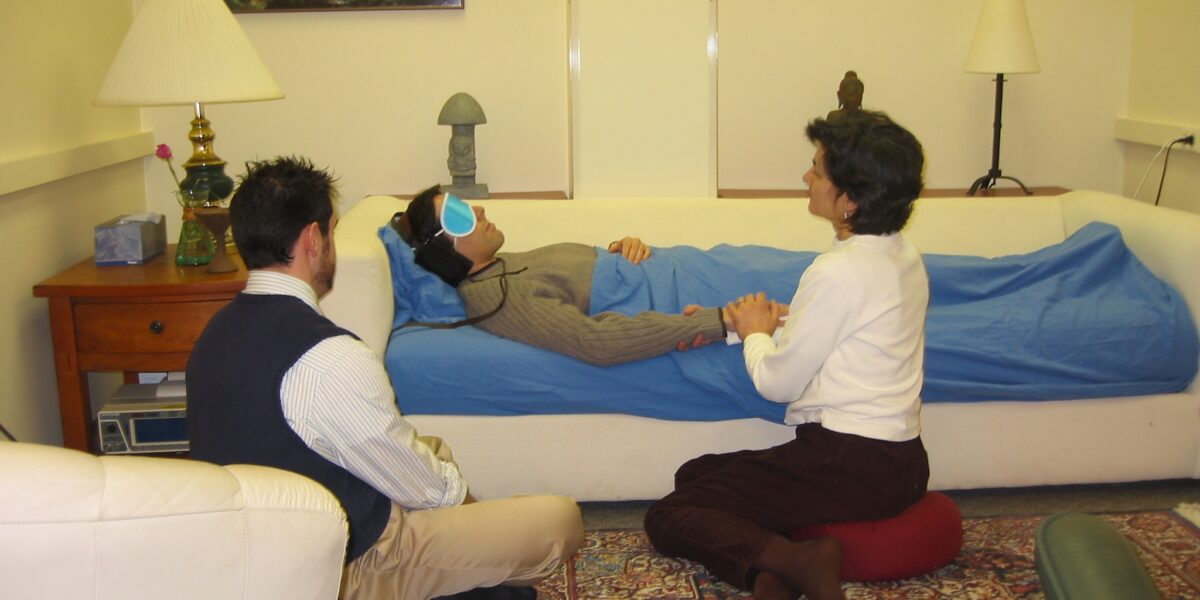
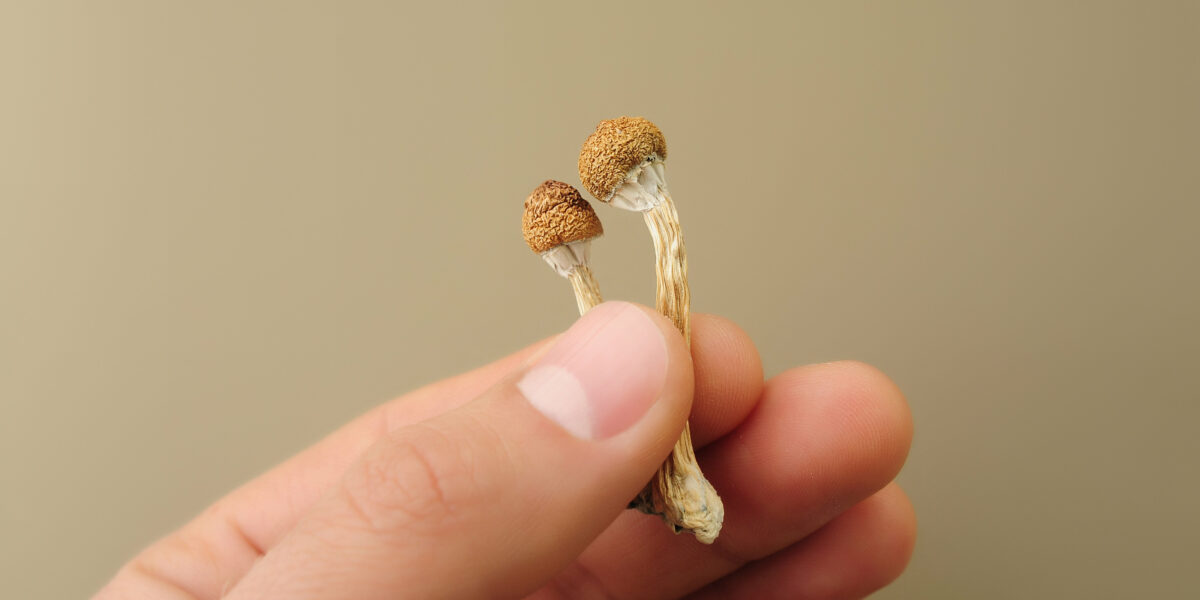
Ott was particularly critical of the use of entheogens in a traditional medicinal context. He had no issues with the seemingly huge therapeutic potential of the substance, garnered from both historical usage and personal experience. However, treating entheogens reductively as simple “drugs” to treat “disorders” was a complete misunderstanding of their true power and purpose. Treating a substance like psilocybin, considered the “flesh of the gods” by the Aztecs, as a drug was so limiting. Analysing a substance such as this with a double-blind, placebo-controlled, clinical trial while measuring its potential against a checklist of depression symptoms completely miscategorises it, and in doing so, loses the point.

Stripping away the spiritual, cultural and cosmic significance turns a sacrament into a pharmaceutical. Ott worried (and has unsurprisingly been 100% correct) that categorising entheogenic compounds in this way would lead to a future where patentable analogues would be synthesised and administered in sterile clinical spaces, utterly divorced from tradition and the natural world. The ultimate goal, as ever, would be at its base level – profit. Whereas Ott sought genuine healing or spiritual insight.

Of course, then, Ott was intensely critical of the rapidly expanding “psychedelic capitalism”, the vulture-esque arrival of venture capital investment firms and for-profit corporations into the space. He saw this as a complete betrayal of the spirit of these substances and their potential to alter consciousness and expand the mind’s potential. He urged cognitive liberty and open access to knowledge for all, without barriers, not intellectual property and shareholder profits. He argued, “Medicalisation of shamanic inebriants means they’re going to sell you less powerful versions of the whole plant for much higher prices.”

While these critiques were not wholly taken kindly within a movement that has been striving for public acceptance, funding, and support for many long years, they do highlight Ott’s consistent, strictly principled approach to interacting with these substances. He refused to compromise his vision just for the sake of making it palatable for the masses.

Principle and Persecution

Ott’s life in Mexico was far from an idyllic retreat. His relentlessly uncompromising stance and open dissemination of information made him a target. In 2010, his house burned down in suspicious circumstances. While Ott was unharmed – in fact, he was away on a speaking tour at the time – a considerable amount of precious, hard-earned knowledge was lost. He recounts:

[My] home was completely burned, destroying everything that was most important: laboratory, hydroelectric system, custom-built and designed electric motorcycle and, for the crowning touch, [the arsonist] tried to burn [my] library, one of the best private collections on ethnomedicine that exist[s]. Signed, personal copies of some of Albert Hofmann’s books were even used as fuel to ignite expensive laboratory equipment! While the humidity of the cloud-forest saved the books, the house was rendered uninhabitable and without power; the laboratory unusable.

It is the attempted book-burning which most outrages me and, I think, will outrage others.

It was a clear attempt to silence him, but it did little to do so. While Ott may have understandably disappeared into a progressively hermetic lifestyle, his work continued apace, perhaps even gaining some additional urgency as a result.

Ott’s legacy is multifaceted, a master of chemistry and history, and the cultural and lexical challenges facing entheogens today. Above all, he was an advocate for the rights of the individual over their own mind, and the immense value of substances which allow you to explore your own consciousness in new, completely unique, endlessly innovative, exciting, and powerful ways.

As the “psychedelic renaissance” continues to gather pace, we should consider Ott’s critique of the progression of the movement and hold fast to our convictions. These substances are not just commodities or medicines, regardless of how fun or effective they may be in either context. They are powerful sacraments which have been immensely important to the development of humanity throughout history. Let Ott’s work stand as a testament to the importance of entheogens, a timeless and essential guide for the individual, and as the necessary conscience of a rapidly growing space. 

If you would like to discover more about Jonathan Ott, there is a huge collection of books, essays, and interviews collected on Erowid HERE.

David Blackbourn | Community Blogger at Chemical Collective

David is one of our community bloggers here at Chemical Collective. If you’re interested in joining our blogging team and getting paid to write about subjects you’re passionate about, please reach out to Sam via email at samwoolfe@gmail.com

share your toughts

Join the Conversation.

1 Comment
Inline Feedbacks
View all comments
flurp
1 month ago

fr

Related articles

Our Products

Related Products

1V-LSD 150mcg Blotters
1V-LSD 150mcg Blotters From 22.00
(143)
1cP-LSD 100mcg Blotters
1cP-LSD 100mcg Blotters From 18.00
(137)
Tryptamine Mix and Match Pack (4 x 0.1g)
Tryptamine Mix and Match Pack (4 x 0.1g) 65.00
(1)
1V-LSD 10mcg Micro Pellets
1V-LSD 10mcg Micro Pellets From 15.00
(43)
2-FDCK HCL
2-FDCK HCL From 12.00
(82)
1V-LSD 225mcg Art Design Blotters
1V-LSD 225mcg Art Design Blotters From 35.00
(62)
1S-LSD 150mcg Blotters
1S-LSD 150mcg Blotters From 29.00
(16)
1cP-LSD 150mcg Art Design Blotters
1cP-LSD 150mcg Art Design Blotters From 25.00
(74)
1V-LSD 225mcg Pellets
1V-LSD 225mcg Pellets From 35.00
(26)
1D-LSD 225mcg Pellets (1T-LSD)

SALE! -15%

1D-LSD 225mcg Pellets (1T-LSD) From Original price was: €42.00.Current price is: €35.70.
(13)
1cP-LSD 10mcg Micro Pellets
1cP-LSD 10mcg Micro Pellets From 15.00
(23)
5-MeO-DMT Freebase
5-MeO-DMT Freebase From 23.95
(36)
O-PCE HCL
O-PCE HCL From 17.50
(25)
1cP-LSD 20mcg Micro Blotters
1cP-LSD 20mcg Micro Blotters From 18.00
(27)
4-HO-MET Fumarate
4-HO-MET Fumarate From 19.50
(26)
rewards-icon
popup-logo

Reward program

popup-close
  • Earn
  • Affiliates