in this article
- Iboga (Tabernanthe iboga)
- Peyote (Lophophora williamsii)
- Ayahuasca Vine (Banisteriopsis caapi)
- Sonoran Desert Toad (Incilius alvarius)
- Potential Conservation Actions
- Conclusion
Are you 18 or older?
Please confirm that your are 18 years of age or older.
You are not allowed to access the page.
Disclaimer: The views and opinions expressed in this article are those of the authors and do not necessarily reflect the official policy or position of Chemical Collective or any associated parties.
A growing global demand for psychedelics is exerting a burgeoning pressure on some psychedelic flora and fauna. In particular, wild populations of iboga (Tabernanthe iboga), peyote (Lophophora williamsii), ayahuasca vine (Banisteriopsis caapi), and the Sonoran desert toad (Incilius alvarius) are being impacted by over-harvesting, on top of a number of other threats these species are already facing, such as habitat loss and climate change.
While research into the chemistry, pharmacology and potential clinical applications of the alkaloids these species harbour continues to advance, research into their ecology and biology is lagging far behind, making effective informed conservation of their wild populations challenging. The preservation and restoration of these species is of vital importance, not just due to the important ecological roles they play in their respective ecosystems, but also given their roles as cultural keystone species, comprising a form of biocultural heritage and identity of the Indigenous groups that use them.

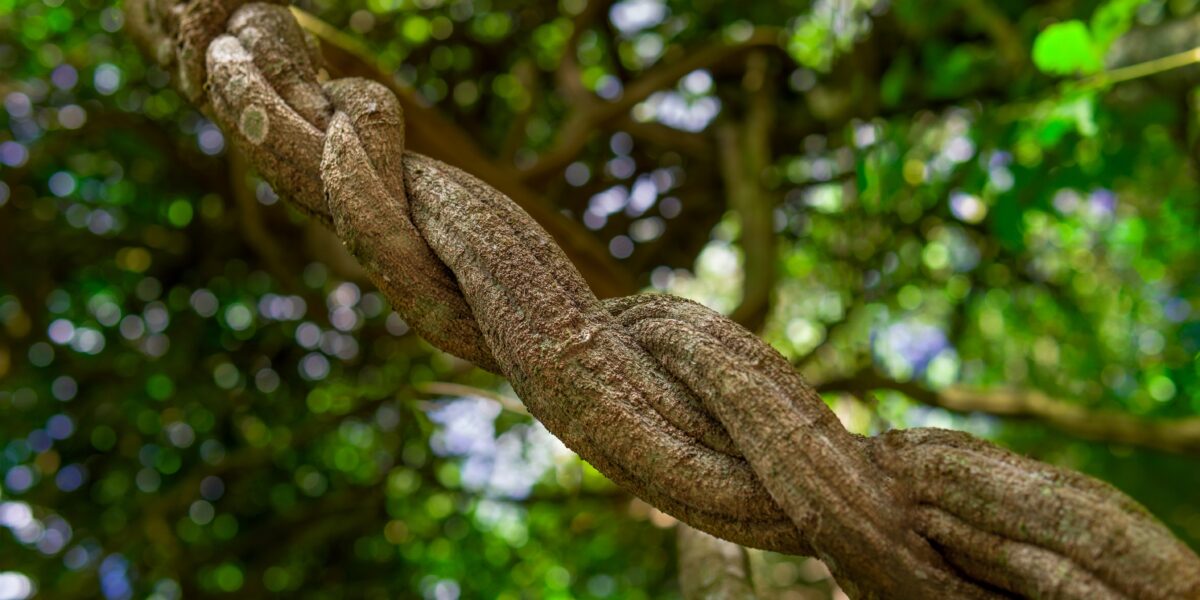
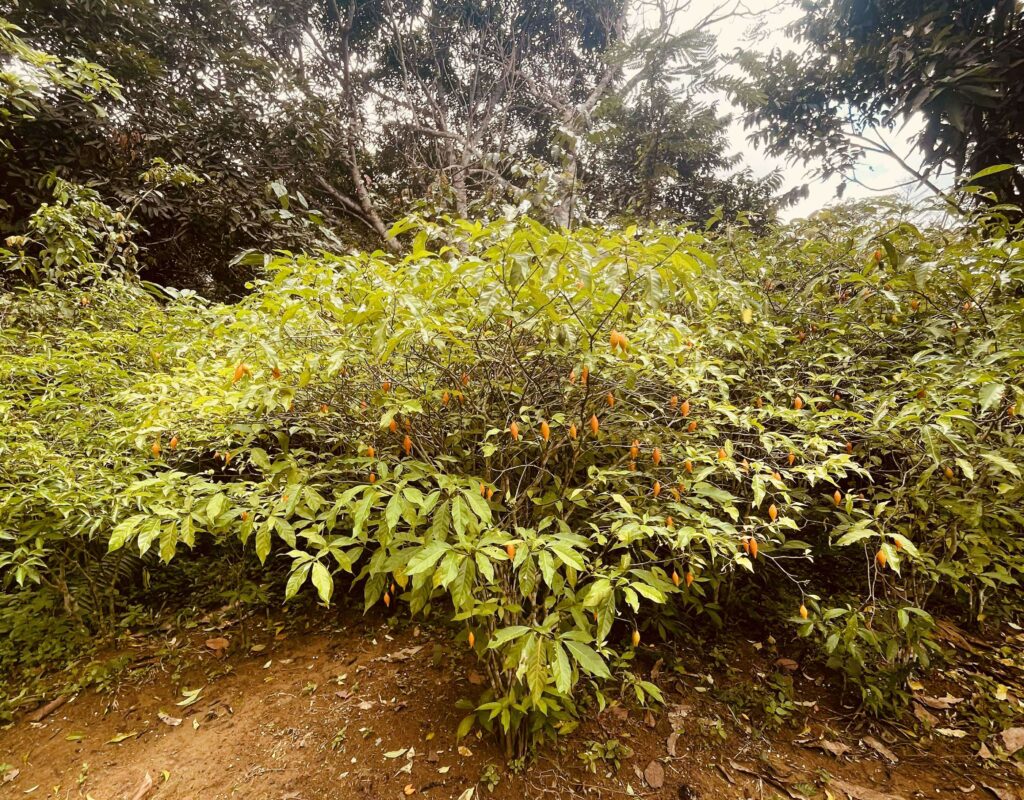
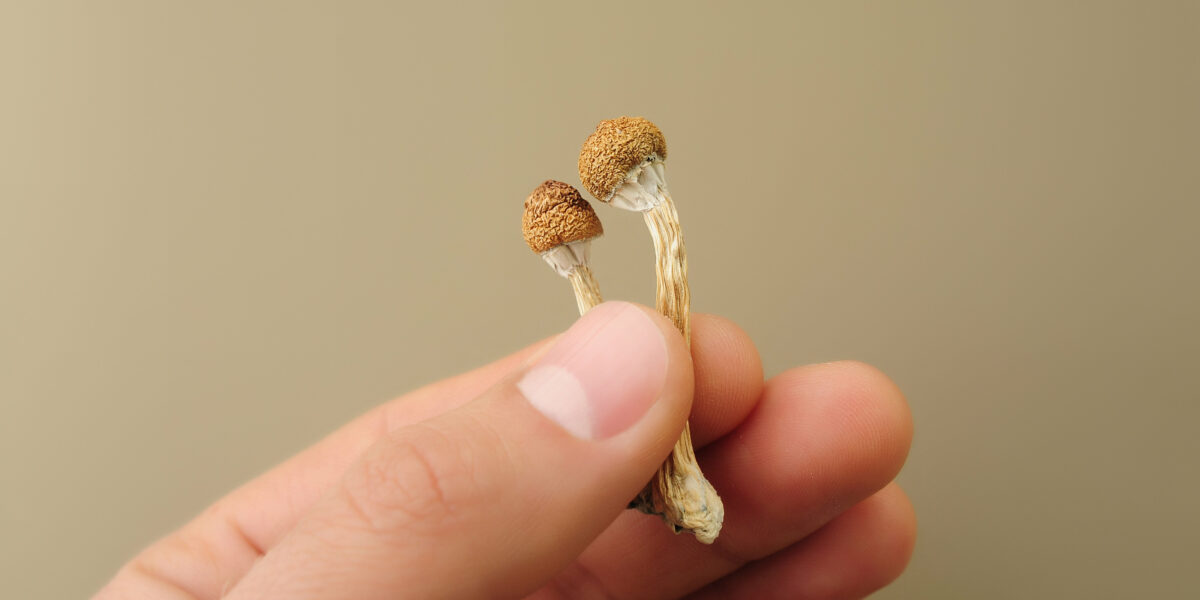
Iboga, sometimes also referred to as eboga or eboka, is an evergreen perennial shrub that is a member of the Apocynaceae family, which is used as a sacrament and medicine and forms a central aspect of the spiritual tradition of the Bwiti, which is most prominent in Gabon. Iboga has been translated as “to heal” or “to care for” from various Indigenous dialects in the Congo basin. Outside of its central African context of usage, iboga(ine)’s ability to effectively interrupt addiction (including to opiates) and to treat mental and physical health afflictions, coupled with those seeking it out for psychospiritual purposes, is driving a growing global demand for the plant, as evidenced by three reports published by ICEERS, further bolstered by a recent report by INTERPOL.
Iboga is native to the tropical rainforests of central Africa, reported from Gabon, Cameroon, Angola, the Republic of Congo, and the Democratic Republic of Congo, where it grows in the forest understory, requiring moist soils and partial shade. Iboga takes a minimum of 5-6 years to mature (but possibly up to 7-10 years), but older plants are far higher yielding, with a 20-30-year-old plant potentially capable of yielding 1-2 kg of root bark in comparison to a five-year-old plant, which may yield a quarter of a kilogram.
T. Iboga is currently designated on the IUCN Red List of Threatened Species as being of “least concern”, although there is a lack of detailed biological assessments of its wild populations available. A reduction in iboga availability is evidenced by an 800% increase in the price of iboga in Gabon over the previous decade. The Gabonese branch of the Wildlife Conservation Society in Libreville has expressed concerns about the unsustainable harvesting of iboga for export. A scarcity of iboga within Gabon to supply Bwiti needs has resulted in mixing and dilution of iboga root bark with outer root bark or whole root, and other plants being misrepresented and sold as iboga, which can pose health risks.
In 2000, under Gabonese president Omar Bongo (himself an iboga initiate), the Council of Ministers of the Republic of Gabon declared the iboga plant a national treasure, or “cultural heritage strategic reserve.” It is legally protected by a number of laws, including the Convention on Biological Diversity, the Law for the Protection of Cultural Goods, and the Nagoya Protocol; in spite of this, overharvesting continues.
Iboga faces several threats, including overharvesting, habitat loss due to deforestation, poaching of animals such as elephants and gorillas that act as seed dispersal vectors, and climate change (with associated shifts in temperature and rainfall patterns). Complex political and economic factors in the countries where it is found are also a source of concern for its populations, and pressure from increasing international export is a growing issue.

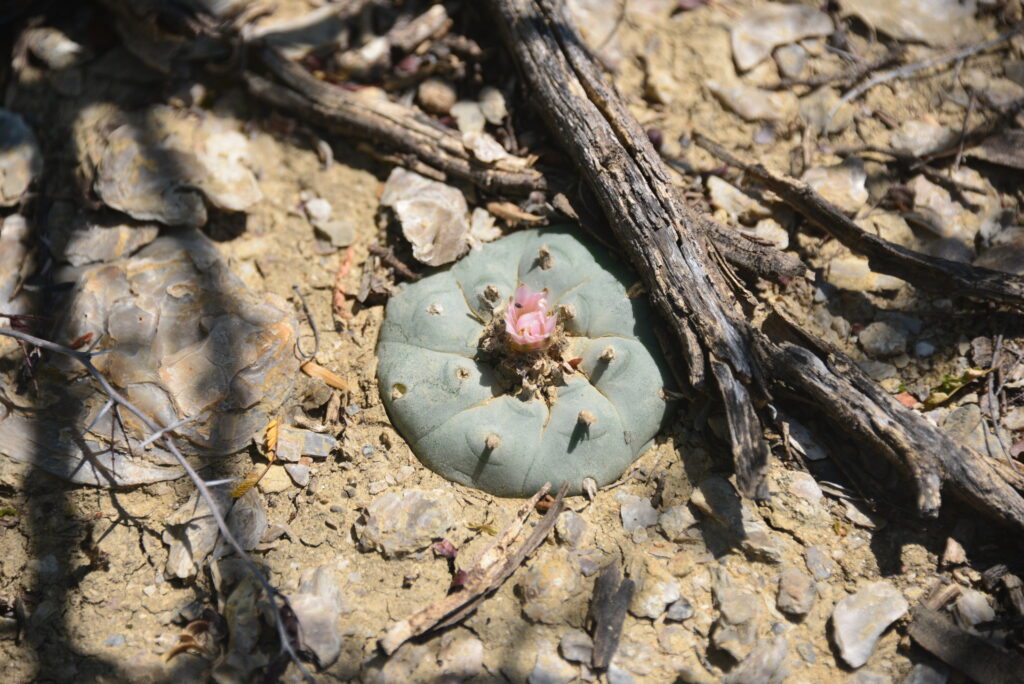
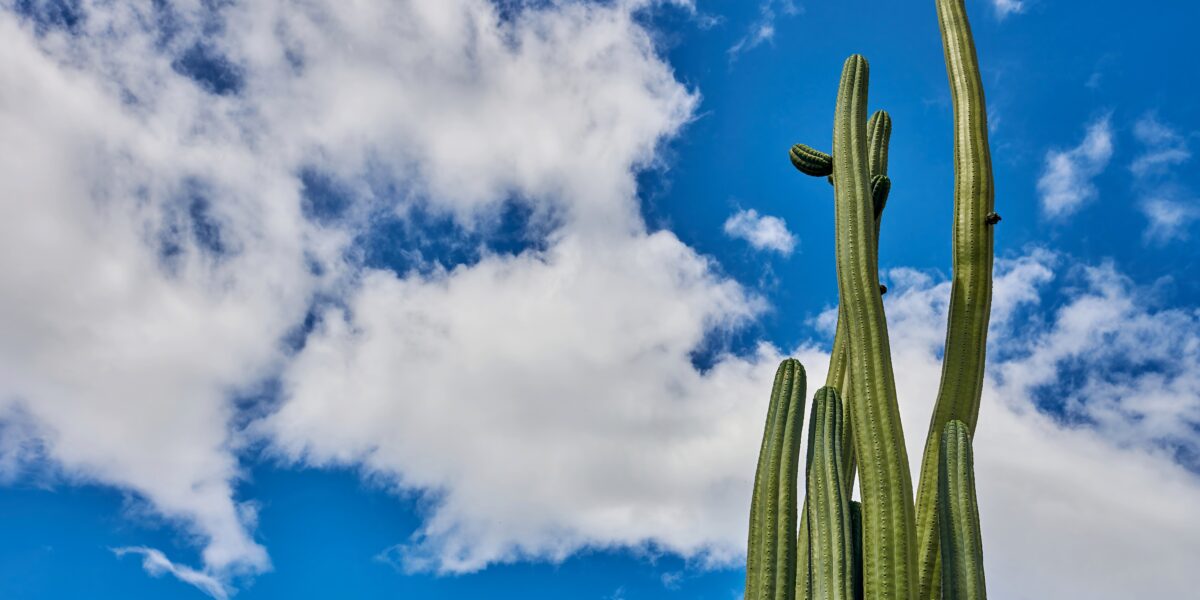
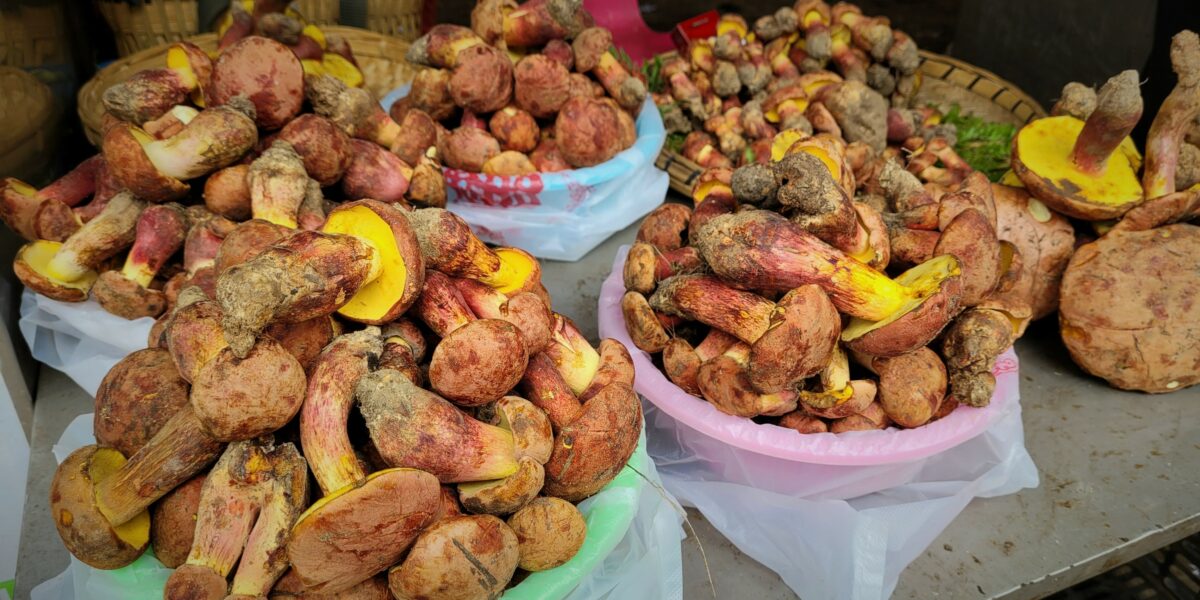
Peyote is a small, spineless cactus native to desert habitats in Texas and Mexico, with ritual use of it in the Americas dating back over 5,000 years to prehistoric times. It has been classified as a ‘cultural keystone species’, i.e. a species of exceptional significance, that can influence social systems and culture and be a key feature of a community’s identity.
Despite its wide distribution, peyote has been declared a vulnerable species by the International Union for Conservation of Nature (IUCN) Red List, and in Texas, it is considered threatened. The Government of Mexico classifies peyote as a species subject to special protection through the Official Mexican Standard, the fourth and most lax category (NOM-059-SEMARNAT-2010). Human pressure has considerably reduced the number of peyote cacti in the wild, to the extent that the species is now depleted from several areas, and many populations along its distribution range no longer exist. No studies have examined pollination and seed dispersal in the wild populations, and research on its ecology is thin on the ground, with very little known about its natural populations.
Indigenous peyote practitioners are concerned about the recent wave of decriminalisation of psychedelics, and some have actively campaigned to have peyote (and even mescaline) explicitly excluded, due to concerns about peyote poaching, cultural appropriation and commercialisation of their sacrament.
In Texas, the greatest threat to peyote populations is land-use change, with their Tamaulipan thornscrub habitat being cleared for urban development, agriculture, pasture improvement, and energy infrastructure, including oil, gas, and wind power. Overharvesting of the cacti exerts another major pressure on their populations. The situation is dire, with many wild peyote populations depleted and shortages having been reported since the 1980s. Entire populations have been eradicated in some areas due to land clearing.
While Mexico hosts larger peyote populations than Texas, they face similar threats, such as habitat loss, climate change, and overharvesting. The expansion of agro-businesses, increased pesticide and fertiliser use, and growing interest in peyote tourism pose more specific threats to peyote in Mexico. Moreover, Indigenous communities in Mexico, such as the Wixárika, depend on peyote for their cultural practices, adding to the urgency of conservation efforts. Without significant action, both Texan and Mexican peyote populations are at risk of further decline, threatening both ecological and cultural heritage.
Use of the ayahuasca vine is undergoing a rapid global expansion and is generating increasing biomedical research attention, in addition to people seeking it for psychospiritual purposes. While B. caapi is currently defined as a single species, this is debated by botanists, and Indigenous groups recognise numerous different varieties with various distinct properties and uses, and genetic studies are underway to better profile its diversity.
While B. caapi is not listed or assessed by the International Union for Conservation of Nature (IUCN), there is anecdotal and now academic evidence that its populations are being depleted in various parts of Amazonia. Diminishing wild populations of B. caapi in some regions is evidenced by local shortages, rising prices of harvested vine, harvesters being forced to travel further to locate the vine, and a decreasing size (and age) of the vine being harvested. In Peru in 2008, ayahuasca (and its ceremonial shamanic usage) was designated as being part of Indigenous cultural heritage, which seeks to protect it and its usage in this context. Concerns about the overharvesting of B. caapi vine were recently raised by over a hundred Shipibo-Conibo shamans from the Ucayali region of Peru at a meeting centred on Indigenous knowledge, forest and territory protection, and the future of spiritual tourism in the region.
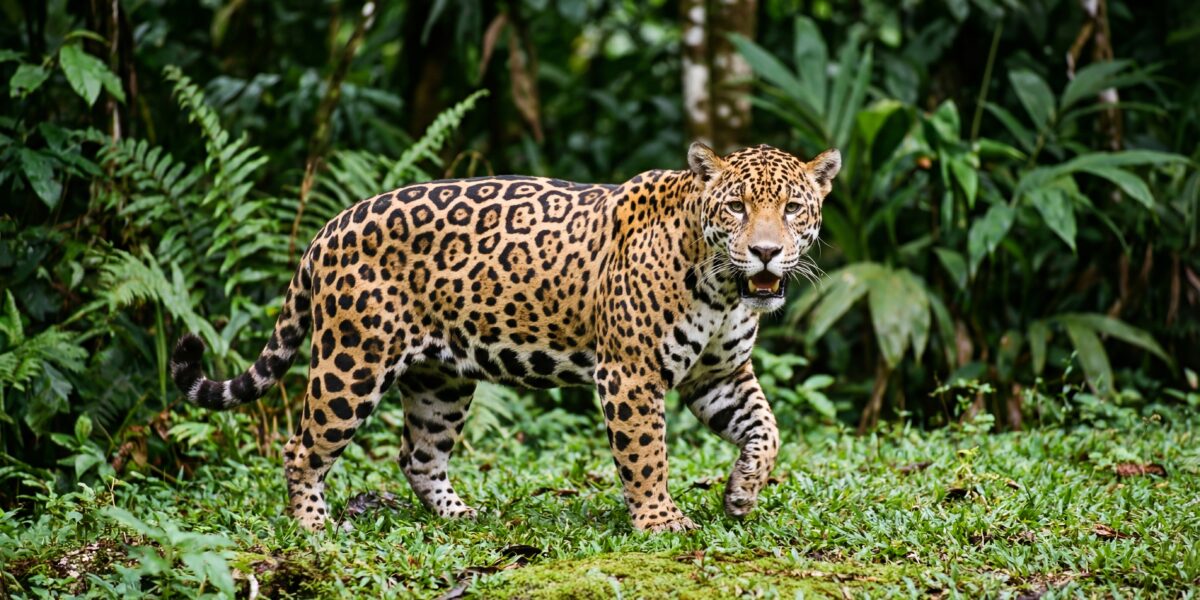
Ayahuasca vine faces a number of threats, including over-harvesting to supply a growing global demand for the plant (including a rise in Amazonian ayahuasca tourism), deforestation of its rainforest habitat (due to conversion to agriculture, resource extraction and infrastructure projects), and an erosion of traditional Indigenous knowledge encompassing sustainable management of the plant due to growing cultural displacement and commercialisation. Threats to it also vary by region, with B. caapi in Colombia threatened by coca cultivation, oil extraction, expansion of cattle farming and agriculture and the fragmentation of Indigenous territories. Commercialised ayahuasca tourism in Peru may also have other detrimental conservation impacts, potentially being a driver of the trade in jaguar body parts.
One study assessing the effects of differing levels of harvesting pressures concluded that for sustainable management, prioritising the survival of larger lianas and vegetative reproducers is critical, especially in high harvest systems facing multiple stressors. Further research has highlighted that in some instances, ayahuasca-using groups can also potentially play a protective role, with Brazilian ayahuasca-using groups having been reported to help safeguard a significant portion of B. caapi diversity in that region, acting as “guardians” of the plant.

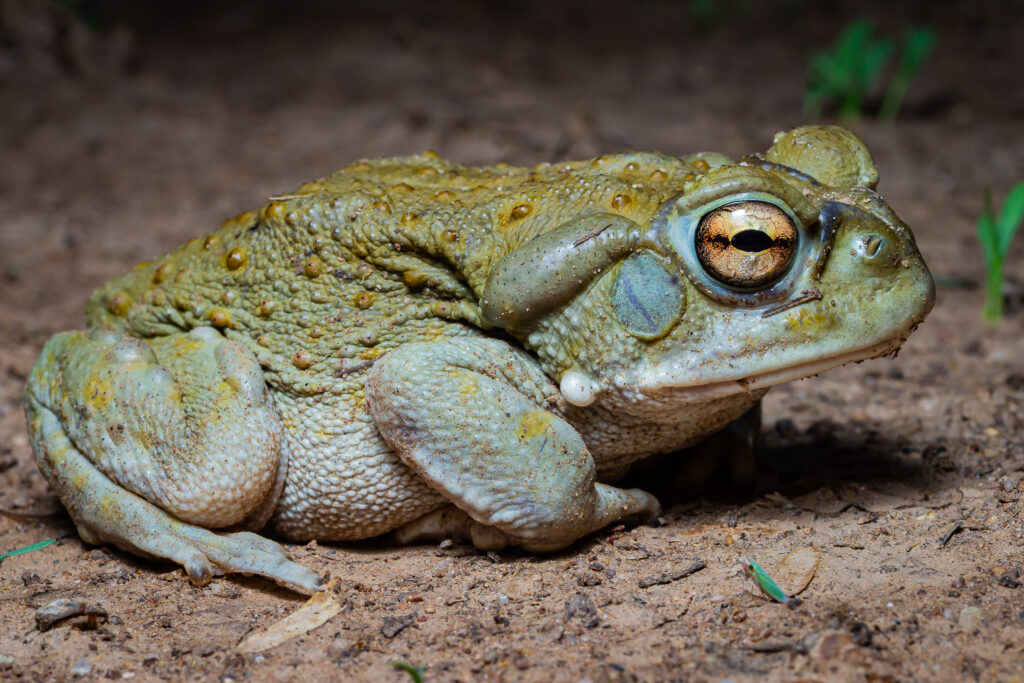
Incilius alvarius (formerly Bufo alvarius; known as the Sonoran Desert toad or Colorado river toad) is native to arid desert regions of northern Mexico and the southwestern United States. These toads produce extremely potent defensive toxins that are released from several glands (primarily the parotoids) in their skin, among them the powerful psychedelic 5-MeO-DMT, with their skin secretion being the most potent natural source of this compound known. In contrast to the three plant species considered here, there is no convincing evidence of an ancient Indigenous lineage of usage of the toad, although myths pertaining to such usage have been propagated by some practitioners for their own ends. However, more recent usage has been adopted by some members of Indigenous groups such as the Seri (Comca’ac).
In the last decade, the popularity of “toad medicine” has soared, with figures such as Mike Tyson and Hunter Biden publicly acknowledging their use of 5-MeO-DMT, advertising it as a life-changing experience. At the same time, multiple clinical trials with synthetic 5-MeO-DMT are ongoing, testing it as a potential treatment for a range of mental health conditions, such as depression, addiction, and bipolar disorder, with promising preliminary results, and a number of retreat centres operating in Mexico and elsewhere offer access to the substance.
Although the International Union for Conservation of Nature lists this species as of “least concern,” the lowest category of risk, the latest assessment was conducted in 2004, and very likely does not reflect the reality of the current situation. In the USA, the toads are likely extirpated from California, declining in New Mexico and vulnerable in Arizona. This species is not listed in Mexico among species at risk. Unfortunately, due to the clandestine nature of the market, it is very difficult to estimate the extent of harvesting practices, the amount of toad “venom” available on the market, or even the number of people consuming 5-MeO-DMT derived from the toad in comparison to synthetic sources (as most population surveys, assuming they specify 5-MeO-DMT at all, do not distinguish its origins). While there is no quantitative data regarding the extent of ongoing harvesting, nor about the demand for toad secretions, the reports from the journalists and researchers working in the field indicate alarming trends.
These toads are threatened by a variety of interacting threats, including climate change, habitat loss, fungal and viral diseases, water contamination, urbanisation and traffic collisions. The climate of their Sonoran Desert habitat is projected to become hotter and drier over time, which is predicted to reduce their range by nearly a quarter. On top of these threats, poaching and over-exploration of the toads, which are “milked” for their defensive secretions, impose stress on the toads, particularly if the toads are removed from where they are resident. This added and growing pressure on the toad population on top of these other pressures could pose a major risk to their ongoing population viability.
One potential way of reducing pressure on wild populations of these psychedelic species is to seek out alternative sources of alkaloids where possible, such as through botanical alternatives or through other means of producing the desired alkaloids.
A number of other species related to iboga, also belonging to the Tabernathe genus, and other related genera such as Tabernaemontana and Voacanga, which all comprise the larger Apocynaceae family, also produce iboga alkaloids. Greater investigation of these species and their cultivation could help take pressure off the wild populations of iboga. The species Voacanga africana holds promise, being much more abundant than iboga, with the alkaloid voacangine it produces acting as a viable precursor for the semi-synthesis of ibogaine. Development of synthetic ibogaine derivatives such as 18-methoxycoronaridine (18-MC) may provide an additional option, with clinical trials examining its potential currently underway. Iboga is still likely to remain in demand given its particular alkaloid profile, so the cultivation of other plants and synthetic ibogaine derivatives is not likely to fully accommodate this demand.
While it is possible to synthesise ibogaine in a laboratory without using plants, no economically feasible method that is scalable has been developed, although there has been a very recent breakthrough with regard to ibogaine synthesis that may make this more accessible. Any manufacturers of ibogaine derived medications or those seeking iboga for psychospiritual purposes should ensure they source sustainably cultivated iboga, to ensure no further pressure is placed on wild populations of the plant.
There are several species of abundant, fast-growing, and easily cultivated columnar cacti, which offer a more sustainable alternative source of mescaline to the much slower-growing peyote cactus. These species, including San Pedro and Peruvian torch, comprise the genus Echinopsis (although the taxonomy is unresolved).
Syrian rue (Peganum harmala) offers a more sustainable source of the beta-carboline MAOI alkaloids found in ayahuasca vine. The seeds of the plant are a far more potent source of these alkaloids than the vine, and the seeds can be harvested in a manner that is not destructive to the plant, unlike when harvesting the vine. However, unlike the vine, Syrian rue seeds lack the alkaloid tetrahydroharmine (THH), and the seeds harbour other alkaloids, making correct dosing more critical (with there being less of a toxic “ceiling effect” with the vine).
As for the Sonoran Desert toad, synthetic 5-MeO-DMT provides a viable alternative. While there are trace amounts of other compounds, such as bufotenine, in the defensive secretion of the toad, at the levels they occur relative to concentrations of the 5-MeO-DMT, it is likely their influence will be negligible or non-existent. In light of this, the pure substance is an ample substitute for the toad secretion, while eliminating any risk of harm or exploitation of the toads. A few other possible synthesis options include transgenic biosynthesis of 5-MeO-DMT by yeast or E. coli bacteria (something that could also be applied to the production of iboga alkaloids) or cell-based biosynthesis of the toad’s parotoid gland secretions.
Educating psychedelic consumers so as to affect behaviour change pertaining to the sourcing of psychedelics also has an important role to play. While there may be a bias in some circles towards “natural” substances being perceived as superior to synthetic compounds, highlighting the idea of reciprocity and the inherent imbalance of seeking personal healing by harming another living being may encourage some to reconsider and switch to synthetic sources.
When considering sources of mescaline, data from the 2024 Global Drug Survey revealed that while psychedelic consumers had a stronger preference for organic mescaline derived from cacti sources over synthetic mescaline, two thirds of the mescaline users surveyed indicated that they were conscious about the potential environmental impact of sourcing organic mescaline and would happily switch to synthetic sources (it should be noted that synthetic mescaline is a rare substance on the psychedelic underground).
Across five naturally occurring psychedelic substances, the highest preference among survey respondents was for using synthetic 5-MeO-DMT, with concern also expressed for the toads. However, it should be noted that these survey findings are derived from a sample of English-speaking psychedelic users and may not reflect those of the broader psychedelic-consuming population. However, the results demonstrate a clear preference for naturally derived psychedelics, but also a willingness to switch to synthetic sources, alternative botanical sources (e.g. substituting peyote for San Pedro), or ethically cultivated plants.
Peyote, iboga, and the ayahuasca vine are all sacred sacraments to the various Indigenous groups that use them, and so it would be highly unethical to suggest these groups swap their sacraments of choice for other sources; these recommendations apply to ludibund users.
Growing one’s own psychedelic plants may be feasible in some locations, depending on species, although it should be acknowledged that they exist at a complex intersection between law enforcement and drug regulation, environmental regulations (or lack thereof), Indigenous rights, and religious and spiritual beliefs. For example, San Pedro cultivation is legal in the USA and illegal in Canada, and vice versa for peyote. The caveat of regional variability aside, it is important to advocate for the availability of alternative sources of psychoactive substances over harvesting them from the wild, with cultivation often being the most obvious and readily available option.
It is possible to adopt a ‘harm reduction’ approach in some instances and come up with environmentally informed ethical guidelines for each of the naturally occurring psychedelics. For example, a non-profit organisation, Entheogenesis Australis, has created an identification guide to common acacias (that can be harvested for their DMT content), in order to protect rarer, more vulnerable species.
Community-led cultivation initiatives of these psychedelic plants offer a pathway to sustainable production of these species. The Indigenous Medicine Conservation Fund deserves recognition for its work to safeguard all four species mentioned here. It is an Indigenous-led non-profit that seeks the sovereign protection and regeneration of these medicines, the ecologies in which they are embedded, and the traditional knowledge-informed practices they form an integral part of among the various Indigenous communities with which these species have a deep relationship. They have been instrumental in supporting community-led initiatives to sustainably cultivate or steward these species, with an approach centred on Indigenous governance and biocultural stewardship.
The ayahuasca vine is a tenacious plant and can be fairly easily grown in the tropics and subtropics. Local people based around the city of Iquitos in Peru (which could be considered as an epicentre of ayahuasca tourism in the Amazon) have already begun cultivating ayahuasca vine, with it being viewed as a ‘cash crop’. A number of ayahuasca retreat centres around Iquitos have also been practising ayahuasca cultivation, with some seeking to be totally self-sufficient in time. However, existing populations around Iquitos are not sufficient to meet demand, exacerbated by growing international demand, and cultivation efforts outside of the Amazonian region are already underway (this also applies to a more limited degree to iboga, with some cultivation efforts taking place in tropical locales outside of the central African region). B. caapi vines do not require maintenance when grown in an optimal setting, and they can be harvested in a sustainable manner, with regeneration possible if the rootstock of the plants remains in the ground, and new ayahuasca plants can also be propagated by the planting of vine cuttings.
The growing global demand for iboga and the resulting overharvesting this has driven has inspired some recent efforts to establish iboga cultivation in Gabon, in addition to Cameroon, Ghana and the Ivory Coast, with some manufacturers of iboga-derived medicines supporting some of the latter efforts. One notable initiative being spearheaded in Gabon is being undertaken by the NGO Blessings of the Forest, which is committed to preserving Gabon’s natural and cultural heritage. Through its initiatives, it seeks to protect biodiversity and promote sustainable resource management while improving the living conditions of rural communities, in addition to facilitating collaboration between local stakeholders and international partners. It has supported the establishment of iboga plantations by rural communities, with 13 village associations having planted 24,000 iboga trees on 14 plantations as of early 2023.
In the case of peyote, some Native American tribes have begun working on legal pathways to cultivate peyote for their NAC members, and there are sustainable harvesting, cultivation and repopulation efforts undertaken by the Indigenous Peyote Conservation Initiative in South Texas (e.g. harvesting only the green part of the cactus above its rootstock using a sharp blade rather than excavating the entire cactus will allow it to regrow in time). Such models could be replicated elsewhere.
Both the ayahuasca vine and iboga are plants that inhabit the tropical forest understory, meaning they are tolerant of partial shade. The ayahuasca vine appreciates the support of trees or other vegetation when growing, making it well-suited to being paired with sustainable agroforestry practices. B. caapi (and P. viridis) are already grown in this manner by members of the UDV. One notable approach is syntropic agroforestry, which blends Indigenous and scientific knowledge, follows a no-impact to low-impact approach that is underpinned by ecological principles, and offers a scalable means of achieving agricultural productivity that can support biodiversity and ecological restoration. This approach is being increasingly adopted in Brazil and elsewhere.
In the case of iboga cultivation, one relevant model being used elsewhere in Africa is that of ‘forest coffee’ cultivation, practised in the Bale Mountains National Park in Ethiopia, an area that comprises the coffee plant’s native habitat. The Coffea arabica plant is a forest understory shrub, similar to iboga, and in these areas where it is cultivated, the forest habitat is also preserved around it, allowing for the cultivation of coffee and the conservation of biodiverse forest areas at the same time. Iboga could be cultivated in a similar manner in the forests of central Africa. Alternatively, given its preference for forest understory and partial shade, it could also be integrated into sustainable agroforestry practices. One such approach is dynamic agroforestry, which is underpinned by ecological principles and seeks to combine agricultural productivity as part of natural forest-like systems that support biodiversity and provide a range of beneficial ecosystem services. Such an approach is increasingly being adopted in parts of West and Central Africa as a more ecologically sustainable means of cultivating cocoa than through monoculture plantation forestry.
Despite differences between these species, one notable feature they share in common is a lack of recent comprehensive research on their biology, ecology, and conservation. While aspects of their chemistry, pharmacology, and potential clinical applications – along with their epidemiology and Indigenous cultural traditions pertaining to their usage – have received growing scientific, anthropological, and literary attention, ecological and biological research on these species is lagging far behind. Such research is vital, as without knowledge of their distribution, population dynamics, reproductive ecology and response to varying levels of harvesting pressures, implementing evidence-based conservation actions and species-specific management plans to safeguard these species will be very challenging. In addition, cultivation or propagation techniques applied to these plant species also warrant further attention.
It is important to address the ethics of using these species or psychedelic substances derived from them, exploring the issues of bioprospecting, intellectual property rights, and benefit-sharing in line with the Nagoya protocol. Given the complicated legal landscapes (locally and internationally) these species exist in, due to the presence of scheduled psychoactive substances, and variable conservation policies, it is important to investigate how these policies fail or support species conservation.
Aside from a growing body of evidence to demonstrate that the psychedelic alkaloids these species harbour may be beneficial for mental health, experience with psychedelic substances has also been associated with a deepened sense of connection to nature. A connection to nature is considered a strong psychological predictor of pro-nature attitudes and actions, and one hope is that the popularisation of psychedelics will not have solely negative consequences (such as commercialisation and overexploitation), but also yield positive changes, potentially even acting as a vehicle for conservation action. This might be partially achieved through increasing awareness about naturally occurring psychedelics and the ecosystems they are a part of. Reciprocity and interconnectedness should be central to all education approaches, aligning with an ecological perspective, while emphasising respect for the plant or animal species, its origins, native ecosystem, and traditional stewards.
Sam Gandy | Community Blogger at Chemical Collective
Sam is one of our community bloggers here at Chemical Collective. If you’re interested in joining our blogging team and getting paid to write about subjects you’re passionate about, please reach out to Sam via email at samwoolfe@gmail.com
Welcome to Chemical Collective.
Create an account to earn 200 welcome points.
Already have an account? Sign in
Check out our Community Blog and get involved with the conversation. You will be awarded 50 x ChemCoins for each comment up to a limit of 250 total ChemCoins.
Have you purchased any of our products? Reviews and reports are so important to the community. Share your honest opinion, and we’ll reward you with 50 ChemCoins for each review!

Every time you complete an order with us, you’ll be awarded ChemCoins for each Euro spent.

Welcome to Chemical Collective.
Create an account to earn 200 welcome points.
Already have an account? Sign in
Earn commission every time someone makes a purchase through your link.
When you become an affiliate, you will be allocated a unique link to share with your friends, followers, subscribers, or Aunt Susan.
You can choose to payout the commission earned once per month, or save it up to receive on a rainy day! Commission earned is 5% of the total order value per referral.
Contact us to join the Chemical Collective family and become an affiliate.
share your toughts
Join the Conversation.