Welcome to
Chemical Collective

Are you 18 or older?

Please confirm that your are 18 years of age or older.

You are not allowed to access the page.

info-icon €100 for domestic (NL, CZ, DE) €125 for the rest of the EU, excluding stealth shipping

Free shipping over €50 & free tracked shipping over €100

Friendly customer service available 9-5pm Monday to Friday

Free shipping over €50 & free tracked shipping over €100

Friendly customer service available 9-5pm Monday to Friday

Your cart is empty

Contemporary Psychedelic Use in Southeast Asia

david-blackbourn

By David Blackbourn

shutterstock 2557987567
in this article
  • Zero Tolerance Vs Wellness Tourism
  • Indigenous Psychoactive Substances of Southeast Asia
  • “Social Evil”: The Stigma of Psychedelic Use
  • Medicinal Psychedelics and Harm Reduction
  • Final Thoughts
david-blackbourn

By David Blackbourn

Disclaimer: The views and opinions expressed in this article are those of the authors and do not necessarily reflect the official policy or position of the Chemical Collective or any associated parties.

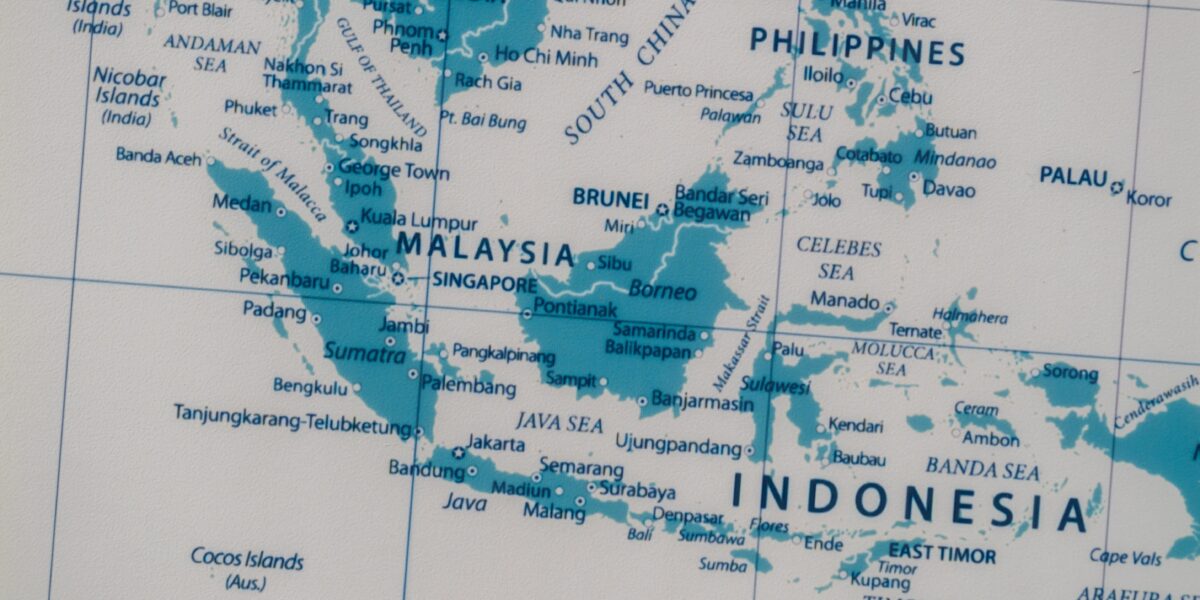
Southeast Asia is a region rife with contradictions. While historically, it is renowned for its ancient, spiritual traditions, contemporarily, it is home to some of the most draconian drug laws in the world. Trafficking drugs throughout Southeast Asia can be a capital offence. With the psychedelic renaissance in full swing, the world over, the region is undergoing a period of rapid change and volatility. The militant framework associated with drugs is butting heads with a burgeoning, and semi-overt wellness and tourism industry – an industry that caters almost exclusively to foreigners, and usage of psychedelics is their main draw.

The impact of extreme illegality, as it is everywhere in the world, means a complete lack of adequate safeguarding, testing of substance purity, and associated legal risk. All these aspects can negatively affect society as a whole and foster an environment which, in itself, is not conducive to even an individual psychedelic experience. Importation of non-native drugs, or combinations thereof, such as Ayahuasca – ultimately due to Western desires, is therefore potentially very dangerous. Combined with this, there is an ongoing public health crisis sparked by the arrival of new synthetic drugs, which are being imported and targeted towards the young. There is a deep, social stigma associated with all forms of drug use, which has demonised users and restricted the medical industry from exploring these powerful substances with the freedom they require.

Zero Tolerance Vs Wellness Tourism

Across the vast majority of Southeast Asia, the official stance on the use of psychedelic substances in any context whatsoever is one of severe prohibition. This is underpinned by some of the most brutal punitive measures. The death penalty remains one of the key elements in state policy for tackling drug trafficking in countries such as Malaysia, Indonesia, Singapore, Vietnam, Thailand, and more.

Indonesia maintains one of the strictest anti-drug regimes and classifies any substance containing DMT (the active ingredient in substances like Ayahuasca) as a Level 1 narcotic – the same category as heroin. There is even a shocking lack of distinction between actual traffickers and those simply imbibing these substances. Even possession of a substance without any intent to supply others may hold the potential of life sentences in prison. Even the death penalty is still a possibility for such seemingly minor offences. Tourists can often be caught out by this, unaware of the severity of the laws. Even in the last several months, a British tourist narrowly escaped the death penalty and has received a one-year sentence for literally being handed a package containing MDMA.

Vietnam has a similar attitude towards drug use. Again, the death penalty is routinely applied for trafficking offences. LSD, for example, is what is known as “absolutely prohibited”, which means it is completely banned from usage in a medical context, as well as a social/recreational one. This apparent legal severity is a result of a large amount of political baggage, which defines substance use as a “social evil” or “social disease” that is seen as a threat to national security. Both Singapore and Malaysia are also noted for the particular severity of the punitive measures they employ. Harsh measures, as opposed to public health-oriented approaches to substance use and misuse, are the norm throughout the region.

In stark contrast to the official, incredibly strict, draconian laws surrounding these substances, a seeming grey area is growing. In certain areas, a completely different reality simultaneously exists, driven almost exclusively by the economics of tourism. This has created an increasingly growing chasm between the law as it is written and how it is actually administered day-to-day. 

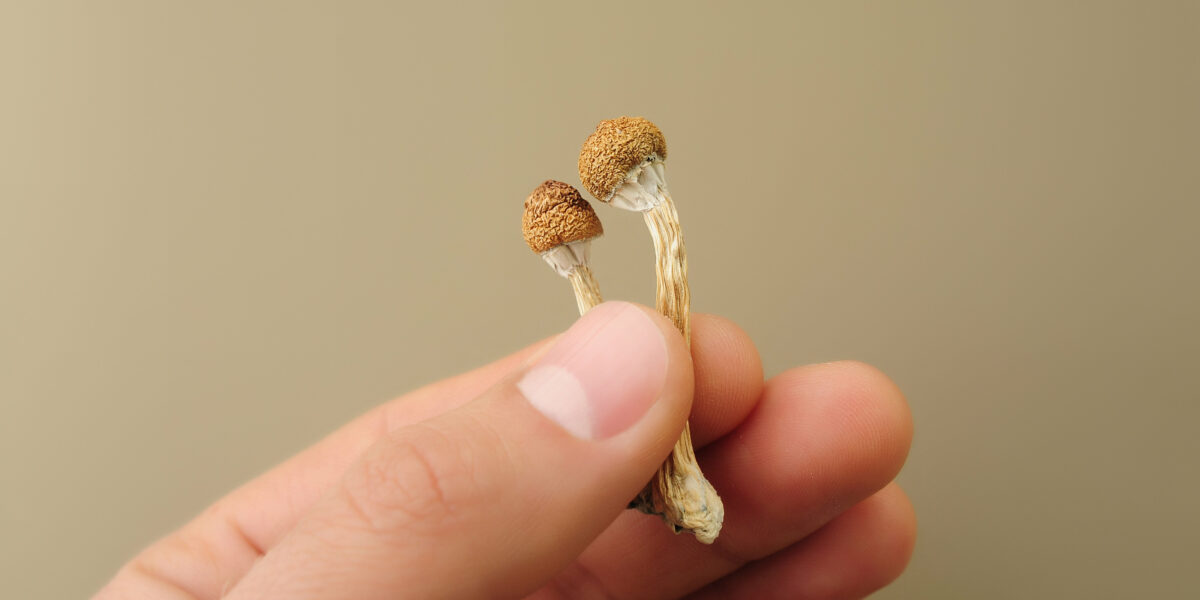
Thailand provides a particularly powerful example of this. While psilocybin containing mushrooms are completely illegal, defined as a Category 5 narcotic, which could hold the potential for up to 15 years in prison, depending on the severity of the crime. Enforcement of this, however, is extremely inconsistent. Cannabis, LSD, methamphetamine, and mushrooms are openly advertised for purchase at low costs. Referred to as “Happy Shakes” or “Magic Shakes,” these drinks contain mushrooms or a potential cocktail of psychoactive chemicals. These are sold in tourist-heavy areas, such as islands like Koh Samui and Koh Phangan. This ready availability, combined with the severity of the laws, creates an extremely high-risk environment. Consumers are completely unprotected and vulnerable, and law enforcement is often corrupt. Sellers are even reported to both sell substances to tourists and subsequently inform the authorities, in exchange for the forthcoming bribe.

These dangers are intrinsic to a society with a complete lack of social care in this area, with such a large legal grey area. They were highlighted with the recent death of a tourist in Chiang Mai, in late 2024, as a result of consuming unsafe, magic mushrooms. Cambodia provides another example of a similar legal situation. Mushrooms and psychedelics as a whole are strictly illegal, but once again, their sale is largely ignored by authorities, especially in areas with a lot of tourism activity. I think it is worth highlighting again here that the resulting uncertainty fosters an environment in which the right to consume a psychoactive substance can be immediately and randomly revoked at any time. This leaves tourists especially open to corruption, arrest, or significant health issues.

Existing in complete opposition to the region’s severe legal frameworks is a rapidly growing commercial industry centred on psychedelic wellness. This caters almost exclusively to Western tourists seeking relief from the stresses of their lives. It takes advantage of the extremely cheap costs of running a business and lax law enforcement in Southeast Asia. Bali, in Indonesia, has emerged as somewhat of an international hub for psychedelic tourism, regardless of the seemingly looming shadow of the death penalty for those providing these services. While the wellness centres do not often explicitly advertise the fact that illegal drugs are a part of what they offer, it is widely recognised.

Ayahuasca is the most common substance used at these retreats. The sheer number on offer is staggering, and incredibly easy to find with a simple Google search. What is perhaps amusing about this, in terms of the exploitation of Westerners and their lack of knowledge aside from seeking “spiritual reawakening”, is that Ayahuasca has zero history of use in Southeast Asia. Ayahuasca ceremonies are a spiritual practice indigenous to the Amazon basin of South America. Here, then, we see a stark example of the effects of capitalism on practices with strong spiritual and societal importance. Wholesale exporting substances, rituals, and even practitioners into a Southeast Asian setting is a sad example of globalisation gone wild. Large demand by Westerners for therapeutic experiences involving the consumption of psychedelics, which are legally difficult to obtain at home, has produced a product completely detached from its history. This is the worst part of the commercialisation of the space. The lack of history, and therefore knowledge, just furthers the lack of adequate safety, controls, and honesty required for the space to be truly successful, on a more than monetary basis.


Indigenous Psychoactive Substances of Southeast Asia

While there are several species of psilocybin mushrooms native to parts of Southeast Asia (Psilocybe samuiensis, Psilocybe cubensis), evidence of their historical usage is pretty limited. Studies carried out on Indonesia’s Gili Islands and Thailand’s Koh Samui indicate that psilocybin use is largely linked to tourism, as opposed to indigenous use. This is in complete opposition to the Americas, suggesting again that widespread use of hallucinogens did not develop in Southeast Asia, but rather is a cultural import from elsewhere.

To understand the reality of the current situation surrounding psychedelics in this region, it is essential to examine the actual history of the local use of psychoactives. Substances with genuine evidence of widespread historical usage centre more around stimulants and sedatives in this region, as opposed to psychedelics. The most prominent of these is Kratom.
What is Kratom?

Kratom (Mitragyna speciosa) is a tropical tree from the coffee family native to Southeast Asia. Its properties range from stimulant-like effects – increased energy and mood lift, to opioid-like effects – from drowsiness to euphoria. Kratom has a huge number of active components, which makes it quite difficult to classify it as one particular type of drug, such as a stimulant or an opioid. The two main chemicals, mitragynine and 7-hydroxymitragynine, are active at the main opioid receptor, the “mu” receptor, which is the same one that is stimulated by the use of substances like heroin and oxycodone.

The leaves of kratom have a long history of use in Thailand, Malaysia, and Indonesia. Labourers would chew the leaves to combat exhaustion and relieve aches and pains, utilising kratom’s differing, dose-dependent effects. At lower doses, kratom provides its stimulant qualities, with larger doses becoming progressively more sedating. Its role in society was a tool for increasing labour capabilities, not a gateway to shamanic journeys or spiritual experiences.

Synthetic Psychoactive Drugs – the “Zombie Vape” Epidemic

A critical and dangerous contemporary issue is the rapid proliferation of new, synthetic psychedelics/psychoactive substances. This is a challenge to combat, which (due to aggressive marketing) disproportionally affects younger generations. A recent, particularly alarming trend is the proliferation of vapes laced with drugs other than nicotine. The e-cigarette industry is already beyond lucrative, and the addition of a growing number of illicit substances into the space is described as a fast-growing public health concern.

The devices are colloquially known as “zombie vapes” due to their severe effects, which can include convulsions, involuntary twitching, and disorientation. They are deceptively packaged, much like the single-use vapes were in the UK, for example, with bright colours and sweet/fruity flavours, but in fact contain etomidate, which is a hypnotic, traditionally used as an anaesthetic. Abuse can lead to irreversible brain damage. Multiple fatalities have been linked to the substance already in Singapore, leading to the imposition of harsher restrictions this year. The trend is deliberately targeting young people with sellers even using social media to market it near schools, to kids as young as 13. This is a particularly powerful, dangerous development in the marketing of illicit substances in this region. Co-opting e-cigarettes, which are at this point ubiquitous and socially acceptable, as well as co-opting their marketing techniques, is an effective marketing strategy. Vaping is the delivery mechanism for a completely unregulated substance to a naive youth market.

“Social Evil”: The Stigma of Psychedelic Use

Quite distinct from the newer challenges of the arrival of synthetic substances on the market and the burgeoning psychedelic wellness industry is the recreational usage of classic psychedelics. Despite the dangerously strict laws, there is still somewhat of a subculture of LSD use by locals, expatriates, and indeed tourists. In Vietnam, for example, tabs of LSD are known as “lingual charms” and are surprisingly easy to obtain, often via social media.

However, any substance use in Southeast Asia as a whole is marred by intense social stigma, often purposefully promoted by the state. Again, Vietnam illustrates this vividly. Since the early 1990s, Vietnam’s official and publicly stated view of illicit drugs has been that they are a “social evil” to be eradicated. Article 61 of the 1992 Constitution declared drug use a “dangerous social disease”. This narrative, perhaps unsurprisingly, is heavily linked to anti-colonial sentiments, with drug use portrayed as contamination from the West, a relic of past regimes. This politically constructed, actively encouraged stigma is a major barrier to actually tackling the problem of criminal supply, or abuse of any substance.

As with the “war on drugs” of the West, demonisation leads to social isolation, which discourages people from getting help and props up the black market responsible for supplying them. In Vietnam, their “war on drugs” is not just a policy; it is a core component of post-colonial national identity. This defines addicts, or problematic users, as symbols of foreign contamination, rather than individuals with health problems. This makes meaningful reform extremely difficult. It is, however, beginning to take shape.

Medicinal Psychedelics and Harm Reduction

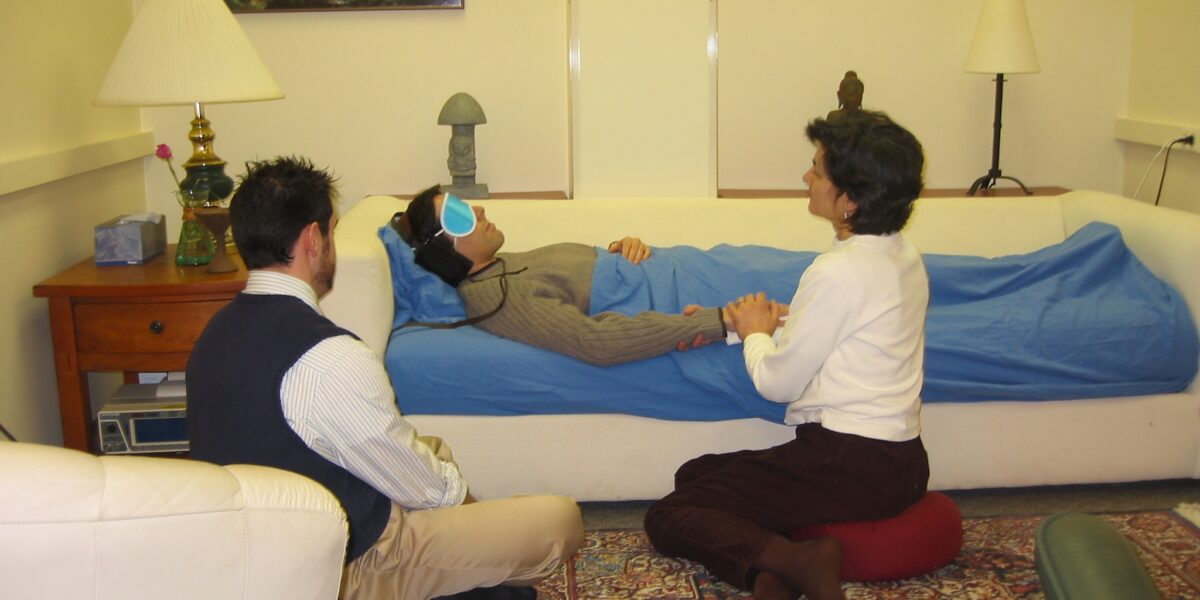
While far behind the explosion of activity in the West, the widespread effects of the global “psychedelic renaissance” are beginning to reach Southeast Asia. The upcoming (30/10/2025) Asia-Pacific Symposium on Clinical Psychedelic Medicine, which will be hosted by Monash University Malaysia, represents one of the first major, formal steps toward legitimising the clinical use of psychedelics in the region. Thailand has made the most significant regulatory change thus far, permitting the study and usage of psilocybin mushrooms in a therapeutic/medicinal context. This exempts patients participating in approved clinical trials from any legal liability for consumption of the substance. Removing this massive obstacle finally allows research to begin in earnest into compounds that have been both used and demonised for decades. It also opens the door to Thailand becoming a potential hub for hosting clinical trials for conditions like depression and addiction.

Research efforts into psychoactive substances have, up to now, been confined to the West. However, lower operational costs and lessened regulatory issues, combined with an already established (albeit grey market) therapeutic tourism industry, make Thailand a potentially attractive destination to host future trials. It may well be that “medical tourism” provides the economic incentive to push Southeast Asia into this space.

The Southeast Asia Harm Reduction Association (AHRA) states that, despite the extreme laws relating to drug use, “one in three people who inject drugs reside in East and Southeast Asia”

(As an aside, this appears to me a pretty powerful illustration of how strict drug laws and relentless crackdown do not in fact lead to less drug use, but rather just serve to exacerbate the situation further.)

The result of this widespread use is extremely high rates of HIV and Hepatitis C. The philosophy of harm reduction is one of minimising the negative health, social, and legal impacts associated with drug use – grounded in individual human rights. This is in direct conflict with the zero-tolerance approach held throughout the majority of the region. This reframes harm reduction not only as a form of public health intervention and assistance, but actually as a form of political resistance. The state views drug use as a crime that can only be eradicated by force, which completely labels other individuals as addicts/junkies. Harm reduction treats drug users as people. Even the act of providing a clean syringe is therefore potentially seen as radical, invalidating the state’s assertion that they are simply enabling a “social evil”.

Final Thoughts

The landscape of contemporary psychedelic use in Southeast Asia, then, is one still defined by conflict and contradiction. We see archaic, politically driven laws demonising users, contrasted with the tourism-driven wellness industry taking hold. With historical, indigenous psychedelic usage being few and far between in the region, the cultural importation of these substances is colliding with multiple locally generated crises relating to drug use. With synthetic psychedelics on the rise and easily sold, and the aforementioned and rapidly increasing commercial draw of Western tourists, demonisation is not an effective means of control. When all drug use is filtered through government-fed social stigma, rooted in post-colonial national identity, this is a profound barrier to change

However, amid these challenges, change is indeed occurring, driven in part by Western interest. The clinical application of psychedelics is increasingly widespread worldwide. Landmark changes to the law in Thailand perhaps indicate that therapeutic use is very much on the horizon. If local science is seen to counter social stigma, it will serve as a means to break it down, increasing potential for further, more detailed research, and so on, and so on. Once the potential for healing outweighs the existing social stigma, the “psychedelic renaissance” will doubtless begin to increase its pace, as it is throughout the rest of the world.

David Blackbourn | Community Blogger at Chemical Collective

David is one of our community bloggers here at Chemical Collective. If you’re interested in joining our blogging team and getting paid to write about subjects you’re passionate about, please reach out to Sam via email at samwoolfe@gmail.com

share your toughts

Join the Conversation.

0 Comments
Inline Feedbacks
View all comments

Related articles

Our Products

Related Products

1V-LSD 150mcg Blotters
1V-LSD 150mcg Blotters From 22.00
(143)
1cP-LSD 100mcg Blotters
1cP-LSD 100mcg Blotters From 18.00
(137)
Tryptamine Mix and Match Pack (4 x 0.1g)
Tryptamine Mix and Match Pack (4 x 0.1g) 65.00
(1)
1V-LSD 10mcg Micro Pellets
1V-LSD 10mcg Micro Pellets From 15.00
(43)
2-FDCK HCL
2-FDCK HCL From 12.00
(82)
1V-LSD 225mcg Art Design Blotters
1V-LSD 225mcg Art Design Blotters From 35.00
(62)
1S-LSD 150mcg Blotters
1S-LSD 150mcg Blotters From 29.00
(16)
1cP-LSD 150mcg Art Design Blotters
1cP-LSD 150mcg Art Design Blotters From 25.00
(74)
1V-LSD 225mcg Pellets
1V-LSD 225mcg Pellets From 35.00
(26)
1D-LSD 225mcg Pellets (1T-LSD)

SALE! -15%

1D-LSD 225mcg Pellets (1T-LSD) From Original price was: €42.00.Current price is: €35.70.
(13)
1cP-LSD 10mcg Micro Pellets
1cP-LSD 10mcg Micro Pellets From 15.00
(23)
5-MeO-DMT Freebase
5-MeO-DMT Freebase From 23.95
(36)
O-PCE HCL
O-PCE HCL From 17.50
(25)
1cP-LSD 20mcg Micro Blotters
1cP-LSD 20mcg Micro Blotters From 18.00
(27)
4-HO-MET Fumarate
4-HO-MET Fumarate From 19.50
(26)
rewards-icon
popup-logo

Reward program

popup-close
  • Earn
  • Affiliates