in this article
- What is 'Set and Setting'?
- Cannabis and Set
- Cannabis and Setting
Are you 18 or older?
Please confirm that your are 18 years of age or older.
You are not allowed to access the page.
Disclaimer: The views and opinions expressed in this article are those of the authors and do not necessarily reflect the official policy or position of Chemical Collective or any associated parties.
In a blog post, I explored some of the factors that influence whether cannabis helps or harms people’s mental health. I looked at relevant factors like someone’s struggles with particular mental health conditions (or proneness to them), as well as the type of cannabis used (with differing THC and CBD levels determining the overall effect).
Cannabis’s negative effects on mental health for some people aren’t always tied to acute negative effects, by which I mean, someone could generally enjoy the effects of cannabis, but in the long term, the outcome is negative. For instance, someone could be using cannabis as self-medication – to feel content while dealing with loneliness, depression, or social anxiety – but this could entrench avoidance patterns. And when the high fades, depression, anxiety, and paranoia may be heightened the day after. But the temporary relief and positive feelings from cannabis are enticing, and so, despite negative overall effects on mental health, addiction may follow.
Let’s take the case of someone who is not using cannabis in an addictive way – who doesn’t currently have a problematic relationship with it. This person may have enjoyed cannabis in the past, but no longer does, or their experience of its acute effects may be mixed. Sometimes the experience is enjoyable, sometimes it is unpleasant. When the experience is positive, they really see the benefits of cannabis – the recreational, sensory, aesthetic, creative, or spiritual benefits. So, they would like to have more of these experiences and fewer of the negative ones, which may be marked by overthinking, paranoia, and mental discomfort.
While the dose and strength of cannabis can certainly influence whether an experience is generally positive or negative, there are other important factors at play, too. In this post, I would like to apply the concept of ‘set and setting’, typically reserved for psychedelic use, to cannabis use. Moreover, I believe that making cannabis experiences more positive and less negative contributes to the lingering and short-term effects of cannabis, such as how one feels the next day, or even in general in day-to-day life. Again, the positive effects of cannabis may lead to addiction for some users, but for those who don’t feel they use cannabis in a compulsive or self-destructive way, it is, of course, desirable to have cannabis enhance quality of life rather than degrade it.
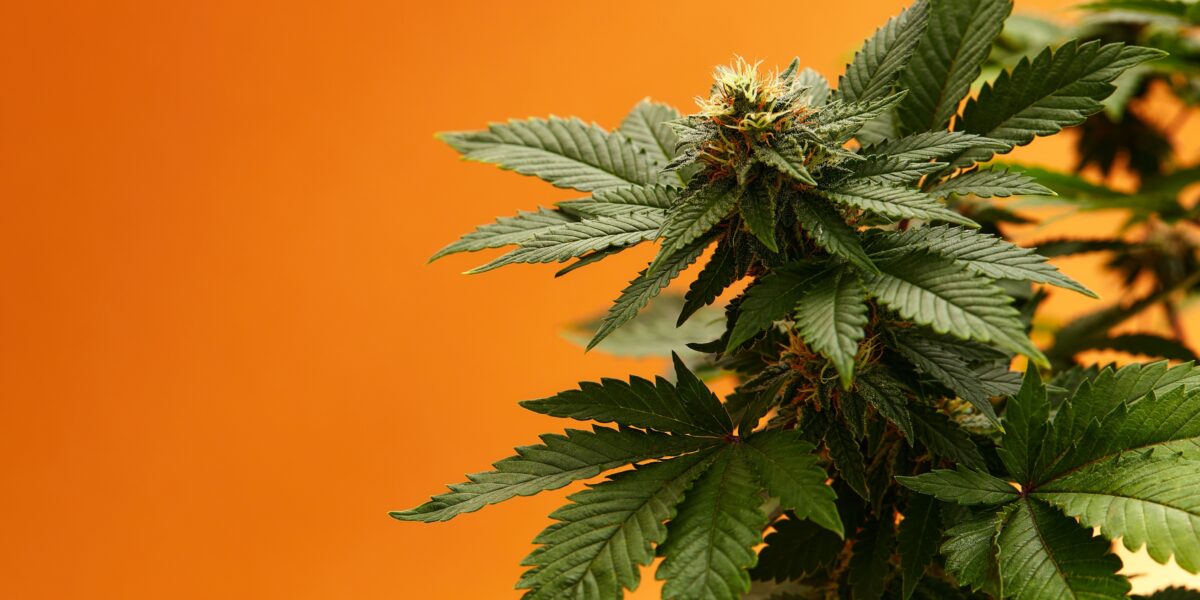
Set and setting are relevant to cannabis because it can be considered a ‘mild psychedelic’, or an experience that sometimes involves mild psychedelic effects, such as laughter fits, enhancement of colour, aesthetic enhancement, introspection, and insights. But in high enough doses or a high enough potency, and especially when consumed orally, cannabis can also result in much stronger psychedelic effects, with many users equating it with a psychedelic experience. (In fact, many people find psychedelics easier to handle than a strong cannabis experience.) Cannabis, like psychedelics, also has the potential to induce mystical experiences. Set and setting play a role in whether, or to what extent, some of these effects arise (as do, of course, dose and cannabis potency).
Given cannabis’s mild or sometimes mild psychedelic effects, set and setting are not as powerful an influence as they are for psychedelics (although high-dose experiences and edibles may be an exception).
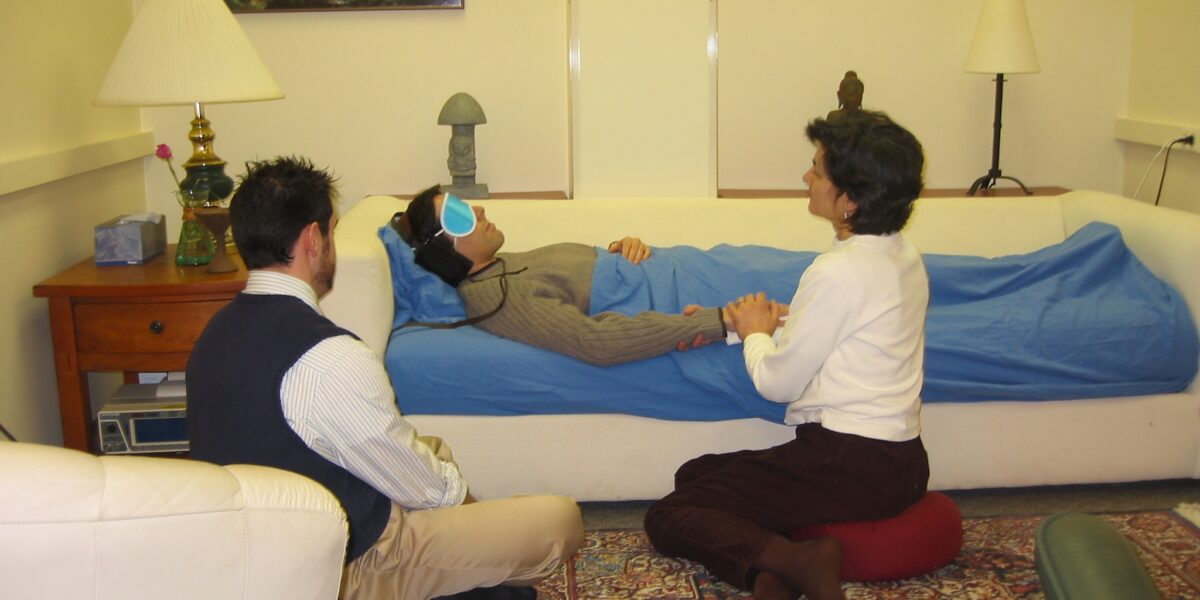
In psychedelic culture and use, ‘set and setting’ refers, respectively, to the user’s mindset and the environment in which they’ll have a psychedelic experience. Set and setting are crucial considerations in psychedelic use because, along with the psychedelic used and dose, they influence the quality of the experience. When set and setting are given the attention they deserve, one will more likely have a beneficial experience (even if it includes challenging moments or periods). Conversely, a lack of attention paid to set and setting, or poorly planned set and setting, is more likely to result in more intense and longer-lasting challenging experiences.
Both set and setting encompass many elements. Below, I’ve noted some of the most important ones (this isn’t an exhaustive list because set and setting are very broad categories that include many factors, as well as innumerable sub-categories and examples relating to these factors).
(The importance of set and setting does not mean one has to become obsessive and perfectionistic about it. It’s impossible to make every aspect of set and setting ‘perfect’, that is, as good as it could possibly be. It would likely also be counterproductive to obsess about optimising every element, as this wouldn’t create a calm mindset in which one enters the experience, and it may even lead one to keep postponing a psychedelic experience if one feels one’s mindset or setting is never ‘just right’.)
Here are elements of one’s ‘inner landscape’ that shape the psychedelic experience:
Here are elements of the outer environment that shape the psychedelic experience:
To see how set and setting interact with cannabis, let’s begin with set. I won’t give examples relating to all the aspects of set listed above, but I’ll note some of the clearest examples that come to mind.
Taking cannabis when already in a positive state of mind is much more likely to enhance positive feelings than taking it when feeling anxious. Being rested, having recently exercised, eating well, and having positive expectations and intentions relating to the consumption of cannabis are also conducive to a positive experience. How one views cannabis as a plant and the consumption of it can also influence the quality of the experience. If viewed as a sacrament and plant teacher, as in Rastafarianism, then cannabis’s effects come to reflect that. If used more to have fun with friends and enhance video games, movies, and food, then it can deliver on that front, too. Similarly, how one views psychedelics and the psychedelic experience affects the trip.
Personality and mental health, other crucial aspects of set, impact the cannabis experience in more noticeable ways than they do other recreational drugs, such as alcohol and cocaine. Of course, someone might be a particular type of ‘drunk’, and some people are more prone to cocaine’s ego-inflating effects than others. But, in general, people experience the effects of alcohol and cocaine in a similar way. There is a consistent feeling of disinhibition and relaxation, and heightened stimulation and chattiness, resulting from alcohol and cocaine, respectively, experienced by people with different personalities and mental health.
Cannabis, in contrast, is more sensitive to set and setting than alcohol and cocaine (and other drugs like opioids). Differences in personality and mental health are more likely to affect how people respond to cannabis. Some people are fine and happy being extremely stoned, whereas others can get stuck in horrible states of anxiety, paranoia, and overthinking. Cannabis, like psychedelics, may also lead to an exacerbation of someone’s psychotic symptoms if they’re prone to them.
I think setting can play a huge role in whether one enjoys (or doesn’t) enjoy a particular cannabis experience. For example, getting high in a messy house or apartment, with dishes and takeaway boxes lying around, and surrounded by people one doesn’t know very well, is unlikely to be a pleasant experience. Of course, that sounds like an unpleasant experience anyway, but the point is that being stoned in that environment is unlikely to make one feel relaxed, comfortable, or content.
On the other hand, if you’re in your house or apartment, you’ve recently cleaned and tidied up, you have aesthetically pleasing plants and artwork around, you’re listening to great music, and the only people present are those you like, trust, and know well, then the cannabis experience will much more likely be an enjoyable one. A day or night spent in good company, doing things one already enjoys, aided by cannabis, can be experienced as an especially good day (assuming that various aspects of set are also conducive to a positive experience).
The choice of film or TV show one watches after consuming cannabis can also steer the experience in a particular direction, as with psychedelics. A bleak film may ‘kill’ the high, a horror film can become especially tense and scary, a comedy becomes a lot funnier, and a nature documentary becomes more awe-inspiring. I’ve also had the experience where I watched a genuinely good film, which I had seen before and liked – Almost Famous (2000) – but because I was stoned, it became so obvious to me that everyone was acting, as in, I struggled to get absorbed by the film, because it seemed like everyone was doing the thing they had rehearsed to do. It all felt very contrived and artificial – something was uncanny about the dialogue and interactions. This video is reminiscent of the experience: when sober, the acting is effective enough to get absorbed in the film, but the mind-altering effects of cannabis can sometimes make the acting seem so much worse.
Some people like to use cannabis ceremonially, outside of a religious context, for spiritual and therapeutic purposes. Whether done this way alone or in a group setting, the cannabis experience can cease to be recreational and become more introspective or mystical. Ceremonial use might involve some rituals, a dimly lit room, candles, a carefully curated playlist, and meaningful intentions going into the experience. In this way, cannabis can function like other psychedelics and be used to catalyse therapeutic experiences.
Thinking more consciously about aspects of set and setting before using cannabis, as well as dose and type/potency of cannabis, can help encourage the kinds of altered states one wants to have. While factoring in set and setting, dose, and potency can never guarantee a positive experience, it does make one more likely. But of course, even doing this can regularly result in uncomfortable experiences, in which case, it’s probably best to take a step back from using cannabis.
Sam Woolfe | Community Blogger at Chemical Collective | www.samwoolfe.com
Sam is one of our community bloggers here at Chemical Collective. If you’re interested in joining our blogging team and getting paid to write about subjects you’re passionate about, please reach out to Sam via email at samwoolfe@gmail.com
Welcome to Chemical Collective.
Create an account to earn 200 welcome points.
Already have an account? Sign in
Check out our Community Blog and get involved with the conversation. You will be awarded 50 x ChemCoins for each comment up to a limit of 250 total ChemCoins.
Have you purchased any of our products? Reviews and reports are so important to the community. Share your honest opinion, and we’ll reward you with 50 ChemCoins for each review!
Every time you complete an order with us, you’ll be awarded ChemCoins for each Euro spent.
Welcome to Chemical Collective.
Create an account to earn 200 welcome points.
Already have an account? Sign in
Earn commission every time someone makes a purchase through your link.
When you become an affiliate, you will be allocated a unique link to share with your friends, followers, subscribers, or Aunt Susan.
You can choose to payout the commission earned once per month, or save it up to receive on a rainy day! Commission earned is 5% of the total order value per referral.
Contact us to join the Chemical Collective family and become an affiliate.
share your toughts
Join the Conversation.
No luchar contra, la marihuana junto con los psicodelicos es de las sustancias más bonitas que hemos podido descubrir, capaz de abrir horizontes. Yo me siento en ese horizonte.
La vida es bella.