Welcome to
Chemical Collective

Are you 18 or older?

Please confirm that your are 18 years of age or older.

You are not allowed to access the page.

info-icon €100 for domestic (NL, CZ, DE) €125 for the rest of the EU, excluding stealth shipping

Free shipping over €50 & free tracked shipping over €100

Friendly customer service available 9-5pm Monday to Friday

Free shipping over €50 & free tracked shipping over €100

Friendly customer service available 9-5pm Monday to Friday

Your cart is empty

Contemporary Psychedelic Use in Africa

david-blackbourn

By David Blackbourn

shutterstock 2022966434
in this article
  • Drug Laws
  • The Psychedelic Renaissance
  • Prohibition
  • Ibogaine
  • Kanna and Khat
  • Medical Research and the Future
david-blackbourn

By David Blackbourn

Disclaimer: The views and opinions expressed in this article are those of the authors and do not necessarily reflect the official policy or position of the Chemical Collective or any associated parties.

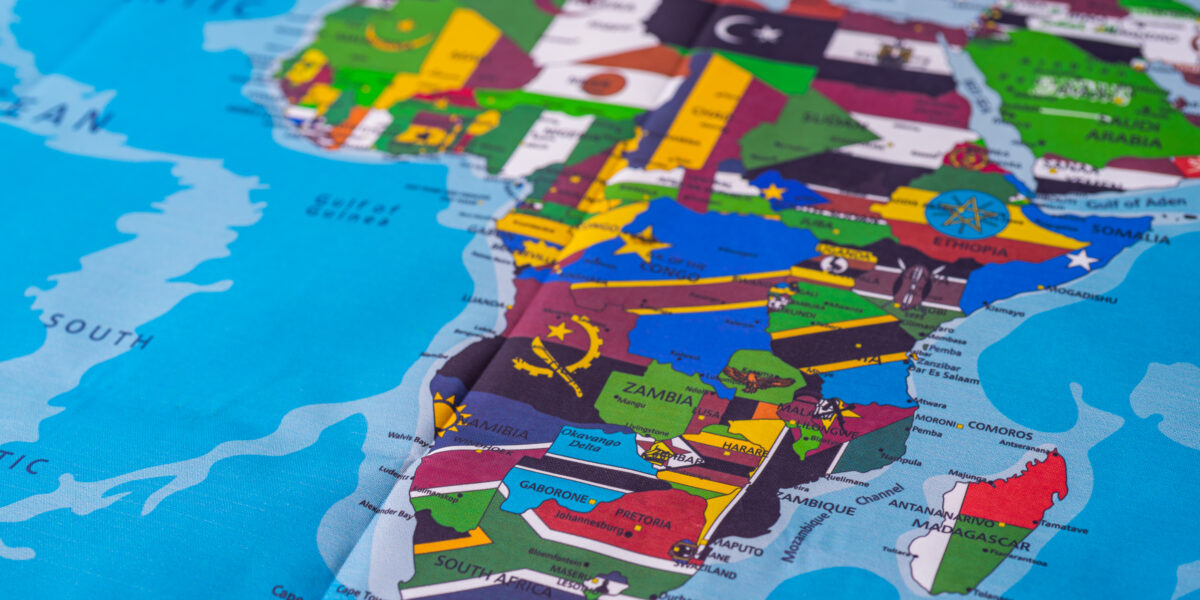
In the context of the use of psychedelics, the African continent is very unlike the West. Whereas the ongoing psychedelic renaissance is the first time Westerners have begun to gain anything like an understanding of these powerful substances, Africa is the source for some of humanity’s longest-standing, even foundational, profoundly important psychoactive-driven, spiritual traditions. Unlike much of the modern world, where psychedelic use and culture are often a relatively recent import, Africa could be described as a continent characterised by millennia of indigenous knowledge. Specific plants are not designated “drugs” as we would think of them; rather, they are integral elements of religion, medicine, and the structure of societies as a whole. 

(As an aside, I would argue that far more of our “culture” has been shaped, altered, or outright created via the use of psychoactive substances, whether culture actually perceives that or not.)

The most potent example of a substance with a history of cultural, spiritual usage is the Tabernanthe iboga shrub. The root bark sourced from this plant is the basis for the entire Bwiti religion in Gabon. Bwiti is far from an underground cult; it is as much a religion as any other, officially recognised by the state. Two former presidents of Gabon were initiates in this spiritual practice, which truly illustrates its central position in society. The iboga shrub itself is an item of national cultural heritage.

This deep, important, ancient heritage is now, unfortunately, as with all indigenous practices the world over, caught between two powerful and opposing forces. Both of which, to a large degree, are not driven by the people themselves, employing these practices in their lives.

Drug Laws

First, there is the rigid legal framework and prohibition – an import from the West. The concept of “illicit drug” as a way of describing a psychoactive substance, with its corresponding punitive consequences, is a 20th-century phenomenon that did not exist prior to then.

Research from the University of Bristol highlights how the swathe of new drug laws enacted across Africa during the colonial era was entirely arbitrary. These were not laws at all concerned with Africa or Africans themselves. These laws largely persist today. They have transformed “cultural heritage” into “illicit drug use”. 

The Psychedelic Renaissance

The global demand for psychedelic substances has rapidly grown of late, and the psychedelic renaissance shows no signs of abating. The West is now turning to Africa to take advantage of its traditional medicines – traditional medicines that the West has, in fact, demonised for multiple centuries. This largely capitalist-driven wellness industry springing up around these historical traditions is progressively rampant, with some unsurprising negative consequences. Wellness tourists “discover” and co-opt plants like Voacanga africana and rebrand them for their own uses – creating ceremonies with zero links to their history or cultural position. Even more critically, this rapid demand is also having terrible ecological impacts and driving the ecological decline of the plants we apparently so voraciously require to feel connected to the oneness of the world.

So, to discuss the contemporary landscape of psychedelic use in Africa, we have to take into account this three-way collision between history, prohibition, and newfound global demand. The landscape is not defined so much as an internal conflict, but rather a struggle to maintain the continent’s grip on its own heritage and future direction, sacred or otherwise.

Prohibition

The official legal stance on the production, purchase, and consumption of psychedelic substances (plants or otherwise) is one of zero tolerance. Prohibition is a direct legacy of the colonial era and the rise of the “War on Drugs” of the 20th century. This has created a legal framework that does not in any way line up with the cultural and spiritual history, abundant across the continent. The penalties are particularly harsh. These are some of the strictest laws in the world, which do not make any distinction between drugs like heroin and cocaine, and classic psychedelics like LSD, psilocybin, DMT, etc.

Nigeria provides a stark example. The National Drug Law Enforcement Agency (NDLEA) Act is the primary means of enacting prohibition in the country. Under this act, even possession of small amounts of any of these substances can lead to severe prison sentences. Section 19 states that if a user:

knowingly possesses or uses the drugs popularly known as cocaine, LSD, heroine or any other similar drugs by smoking, inhaling or injecting the said drugs shall be guilty of an offence and liable on conviction to imprisonment for a term not less than fifteen years but not exceeding 25 years.

15 to 25 years in prison for possession is wild, but now consider that in 2024, the Nigerian Senate proposed a bill to introduce the death penalty to combat drug trafficking offences. This was widely supported by those believing the already incredibly strict measures – including life imprisonment – were not sufficient.

South Africa is quite often seen as a more progressive part of the region, but its drug laws are similarly stringent. Classic psychedelics like LSD and DMT are strictly prohibited, classed as “Schedule 7” substances. This means they are considered “undesirable” and “dependence-producing” with no medicinal value. Possession, cultivation, or use is a criminal act, with no differentiation between private, personal consumption and seemingly more involved offences.

In total contrast to this, and illustrating the vast melting pot that the African continent is, a completely different reality exists in Gabon. As we’ve already stated, the iboga root is a central element of the indigenous Bwiti religion. It is classified as a “national heritage” plant, and the use of iboga is a constitutionally protected spiritual practice. This creates one of the most interesting, unique prohibition models for a psychedelic substance from around the world. The use of iboga is controlled, and its exportation is banned by Gabonese law. This is not, however, because it is considered a dangerous “drug”. The fact is, iboga is simply a sacred, cultural resource that needs to be protected.

The surging global demand for iboga, as a result of its recognition as a potential adjunct to psychedelic-assisted therapy, has birthed a flourishing illegal trade. Again, Gabon does not consider this a domestic drug problem; rather, it is the poaching and trafficking of a protected part of culture.

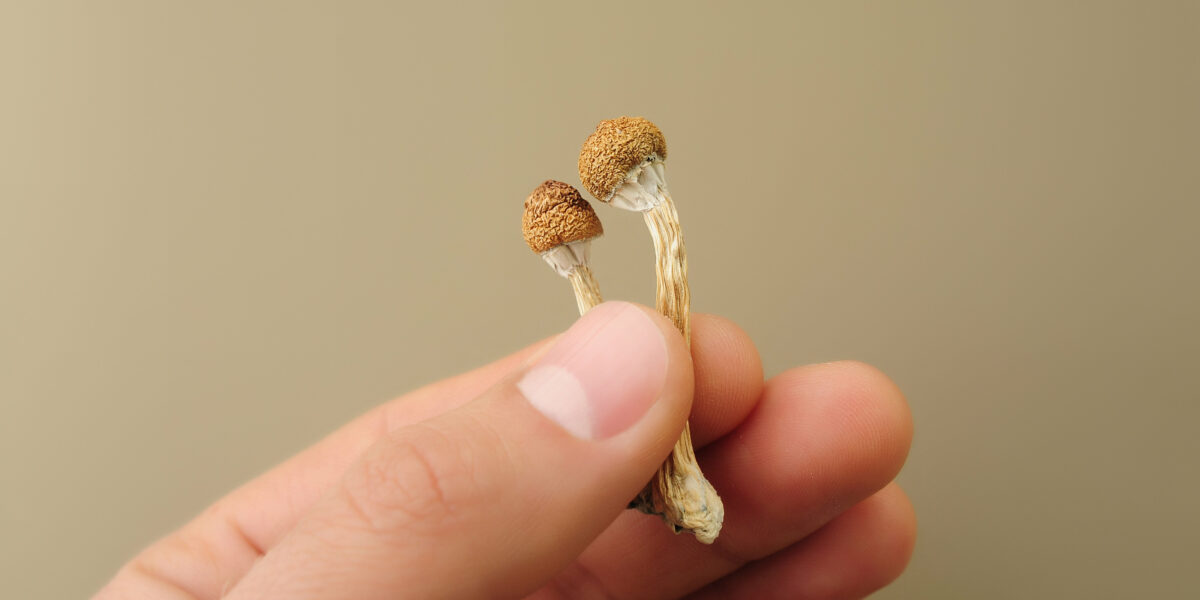
The contradiction between the legal landscape and the actual practice of these laws is illustrated well by South Africa. This is not so much driven by cultural or historical usage of these substances; it is more the modern wellness industry and corresponding legal activism. Despite psilocybin’s presence on the Schedule 7 list, a grey market of wellness retreats and underground healers is increasingly publicly visible. Many retreats in the Cederberg area openly advertise “microdosing journeys” or other psilocybin-related experiences. They are carefully presented as mindfulness activities with the drug as an adjunct, as opposed to the main purpose, to avoid any obvious legal challenges. As the psychedelic renaissance rumbles on and demand continues to grow domestically and abroad, this grey market will likely continue to expand, and laws will eventually have to be put in place to adequately regulate it.


Ibogaine

While there are many psychoactive plants across the African continent, iboga stands alone. As we have discussed, it is (pardon the pun) the root of the Bwiti religion in Gabon. Unlike the increasingly popular Ayahuasca ceremonies, which have appeared in Southeast Asia as a result of perceived Western demand, iboga is a unique piece of indigenous technology. It is now an increasingly globalised piece of technology among a complex web of spiritual history, medical science, and ethical challenges.

The iboga experience, when used in a typically spiritual sense, is purposefully gruelling. It is a multi-day initiation ceremony, a deliberate ordeal designed to induce profound, visionary states. This is obviously far from a casual experience. Practitioners describe it as a means of radical spiritual growth in a short period of time, a personal rebirth of sorts. In the Bwiti religion, iboga is used to literally stabilise the structure of the community as a whole. It is a means to connect to ancestors and the ancient history of the region, grounding the individual in their past. It is a rite of passage that can help the individual to see, challenge, and tackle deep-seated psychological struggles.

Iboga was relatively unknown to the rest of the world until 1962. A 19-year-old American heroin addict, Howard Lotsof, ingested ibogaine, the primary alkaloid contained within the iboga root. While this was initially done for kicks, he got far more than he bargained for. Lotsof reported a complete, immediate cessation of his withdrawal symptoms. Not only that, but following the experience, described as “a visionary tour of his early memories”, his cravings for heroin were completely eliminated. Perhaps unsurprisingly, Lotsof immediately became an advocate for its potential medical use. In the 1980s, he was eventually able to secure patents for the use of ibogaine as a “Rapid Method for Interrupting the Narcotic Addiction Syndrome”.

Lotsof’s accidental discovery immediately introduced a split in the perception of iboga domestically, as a sacrament, and its alkaloid ibogaine, as a cure for drug addiction in the West. This seeming silver bullet for the ongoing opioid crisis in the US immediately created a massive and rapidly increasing global demand. Gabon, its traditions, and ecosystem were, of course, completely unprepared.

The commercialisation of ibogaine, especially without adequate controls, comes with some potential medical risks. Ibogaine is not an innocuous substance. It has particularly pronounced effects on the cardiovascular system. Ibogaine has a “propensity to induce cardiac arrhythmias” (irregular heartbeat). Numerous fatalities have been reported in ibogaine clinics worldwide – most often as a result of poor medical screening checks for any pre-existing heart conditions. (See this post by fellow Chemical Collective writer Sam Woolfe on the heart-related risks of ibogaine.) Demand and the pressure of capital push this lack of adequate care, with the profit incentive far more of a driver. The lack of a legal framework to tackle this has created a dangerous spiral in Gabon. 

Massive, unsustainable poaching is stripping the national parks. Iboga is a slow-growing plant, and harvesting its bark kills it. Already, there is the threat of extinction looming, which threatens the entire future of the Bwiti religion. (Be sure to check out Sam Gandy’s article on the preservation of species of psychedelic plants under threat, one of which is iboga.) Once again, Western wellness tourism is having its profit imperative effects, completely bypassing local needs – searching for personal healing without seeing the irony of the means with which they are doing so.

Kanna and Khat

While iboga is an example of a powerful shamanic, now increasingly globalised psychedelic, most psychoactive use across the continent is much less intent on spiritual communion or self-actualisation. Kanna and Khat are two traditional substances which are much less focused on spirituality and more function as social stimulants or medicines.

Kanna has a long history of use in South Africa. For centuries, hunter-gatherers chewed the fermented leaves and stems of the plant to combat fatigue, suppress hunger, or relieve thirst. It was also used socially and medicinally to alleviate pain or stress, for example, all while promoting a sense of well-being and mild euphoria.

Kanna is not a classic hallucinogen; the chemistry leans far more towards modern antidepressant drugs like SSRIs (Selective Serotonin Reuptake Inhibitors), rather than classic tryptamines. It also has some quite powerful anti-inflammatory and cognitive-enhancing effects – perhaps comparable to an exceedingly mild Ritalin-type effect.

Khat has somewhat analogous effects but promotes them through different chemical means. Khat is not really employed in a ceremonial or religious context, but again is more of a social adjunct, or an accompaniment to work. It is an important element of culture, and chewing fresh leaves is a daily communal practice – at social gatherings, work, and school. 

Khat’s stimulant effects are due to its two main active compounds: cathine and cathinone. Cathinone is very chemically similar to amphetamine. Cathine is much milder. If khat is not consumed fresh, the cathinone quickly breaks down to cathine, losing much of its potency. As a result, the pace of the local khat trade is extremely rapid.

As with iboga, khat is not a particularly safe chemical when compared to many psychedelics. The World Health Organisation (WHO) classifies khat as a drug of abuse. It has a number of serious health risks, including hypertension, heart attack, and psychosis. This has led to another contradictory scenario. Whereas in countries such as Ethiopia, Kenya, and Yemen, khat is legal, accepted and a legitimate commodity – in fact, a vital cash crop, in the rest of the world, it is largely illegal. In the UK, for example, the active compound cathinone is a Schedule I drug.

Medical Research and the Future

While the vast majority of the African continent is still subject to a strict, prohibitionist model, the first cracks are beginning to appear. Driven by the psychedelic renaissance, a small but increasingly organised and formalised movement is growing. Clinical research and harm reduction are the main focus of this movement. Its main base currently is in South Africa, where the most rapid, concerted change is occurring.

Perhaps the most significant step thus far towards legitimising psychedelic medicine is the first clinical psilocybin trial at Stellenbosch University. This study is designed to assess whether or not psilocybin-assisted therapy is a safe, effective treatment for women living with HIV. While it may be a small trial, the symbolism of it perhaps holds more weight than the actual conclusions it draws. It represents real change. The first formal, modern investigation into a psychedelic on the entire continent. The South African Society of Psychiatrists (SASOP) is calling on the government to reevaluate the scheduling of substances like psilocybin and MDMA, citing the growing evidence of their potential efficacy. Grouping these substances with heroin is not scientifically justifiable and creates impossible barriers to research.

The landscape of contemporary psychedelic use in Africa is one characterised by ongoing contradiction and profound tension. Not only is it a continent fighting to reclaim the narrative of, and ownership over, its own plants and traditions, but it is also fighting multiple simultaneous battles on multiple fronts. Ancient, spiritual substances like iboga are being poached to an unsustainable degree, not by domestic users, but by a naive, or callous (or both) Western wellness industry.

This is a modern crisis, brought on by the legacy of colonialism and the War on Drugs. The prohibitionist model continues to cause a lot of harm. Demonising drug users as moral failures, lumping together drug dealers and shamanic teachers. This archaic, largely Western legal framework is incapable of managing the situation, unable to distinguish adequately between the sacred and the criminal

Amid this, however, seeds of a new evidence-based approach are beginning to shoot. Formal, clinical research and advocacy, both internal and global, are seeking to alter the landscape for the better. This movement must be led by the people of Africa themselves, not be driven by the motivations of outside forces seeking nothing but profit. The future of psychedelic use in Africa is ultimately a battle for control, sovereignty, and the right to define what is and what is not an appropriate tool for healing. 
David Blackbourn | Community Blogger at Chemical Collective

David is one of our community bloggers here at Chemical Collective. If you’re interested in joining our blogging team and getting paid to write about subjects you’re passionate about, please reach out to Sam via email at samwoolfe@gmail.com

share your toughts

Join the Conversation.

0 Comments
Inline Feedbacks
View all comments

Related articles

Our Products

Related Products

1V-LSD 150mcg Blotters
1V-LSD 150mcg Blotters From 22.00
(143)
1cP-LSD 100mcg Blotters
1cP-LSD 100mcg Blotters From 18.00
(137)
Tryptamine Mix and Match Pack (4 x 0.1g)
Tryptamine Mix and Match Pack (4 x 0.1g) 65.00
(1)
1V-LSD 10mcg Micro Pellets
1V-LSD 10mcg Micro Pellets From 15.00
(43)
2-FDCK HCL
2-FDCK HCL From 12.00
(82)
1V-LSD 225mcg Art Design Blotters
1V-LSD 225mcg Art Design Blotters From 35.00
(62)
1S-LSD 150mcg Blotters
1S-LSD 150mcg Blotters From 29.00
(16)
1cP-LSD 150mcg Art Design Blotters
1cP-LSD 150mcg Art Design Blotters From 25.00
(74)
1V-LSD 225mcg Pellets
1V-LSD 225mcg Pellets From 35.00
(26)
1D-LSD 225mcg Pellets (1T-LSD)

SALE! -15%

1D-LSD 225mcg Pellets (1T-LSD) From Original price was: €42.00.Current price is: €35.70.
(13)
1cP-LSD 10mcg Micro Pellets
1cP-LSD 10mcg Micro Pellets From 15.00
(23)
5-MeO-DMT Freebase
5-MeO-DMT Freebase From 23.95
(36)
O-PCE HCL
O-PCE HCL From 17.50
(25)
1cP-LSD 20mcg Micro Blotters
1cP-LSD 20mcg Micro Blotters From 18.00
(27)
4-HO-MET Fumarate
4-HO-MET Fumarate From 19.50
(26)
rewards-icon
popup-logo

Reward program

popup-close
  • Earn
  • Affiliates