Welcome to
Chemical Collective

Are you 18 or older?

Please confirm that your are 18 years of age or older.

You are not allowed to access the page.

info-icon €100 for domestic (NL, CZ, DE) €125 for the rest of the EU, excluding stealth shipping

Free shipping over €50 & free tracked shipping over €100

Friendly customer service available 9-5pm Monday to Friday

Free shipping over €50 & free tracked shipping over €100

Friendly customer service available 9-5pm Monday to Friday

Your cart is empty

Settings for Psychedelic Experiences

sam-gandy

By Sam Gandy

Psychedelics at festivals
in this article
  • Psychotherapeutic Setting
  • Spiritual Setting
  • The McKenna Setting
  • Indigenous Mazatec Setting
  • Traditional Xhosa Setting
  • Indigenous Shipibo Setting
  • Religious Setting (Santo Daime)
  • Creativity-Supporting Setting
  • Nature-Based Outdoor Setting
  • Naturalistic Settings
  • Conclusion
sam-gandy

By Sam Gandy

Disclaimer: The views and opinions expressed in this article are those of the authors and do not necessarily reflect the official policy or position of Chemical Collective or any associated parties.

The context framing psychedelic usage, including the set (the internal psychological state of the individual, or mindset) and setting (the physical, social and cultural environment), fundamentally sculpts the nature of the psychedelic experience and its outcomes. The concept of set and setting gained widespread recognition in the 1960s, being developed by the “Johnny Appleseed” of LSD, Al Hubbard, following his experience of attending Mazatec mushroom ceremonies in Mexico, and it was popularised by Timothy Leary. However, it is important to acknowledge that psychedelic-using Indigenous groups have long recognised the importance of the context surrounding psychedelic usage (which inspired Hubbard), tending to use them in structured ceremonial settings and often following preparation for the experience.

Set and setting may comprise many different elements. Set may encompass things like an individual’s personality structure, their expectations and intentions, their mood and emotional state, their mental and physical health, and past experiences. Setting may encompass various elements of the physical environment, including lighting, sounds, aesthetics, and comfort. The social environment – such as the presence of trusted companions, facilitators, therapists or fellow voyagers or revellers – or voyaging solo – will also sculpt an experience, as will cultural or contextual factors such as elements of ritual or ceremony, and the presence of an overarching spiritual framework or therapeutic context.

While there are certainly wrong ways of using psychedelics, there is no singular right way of using them either. Different settings and approaches to using psychedelics will shape the dynamic tapestry of their effects in various ways, and an awareness of the many different elements of setting and how these can influence outcomes can help one maximise the potential benefits psychedelic use can offer the experiencer while helping minimise potential risks.

The setting types discussed in the article include:

  • Psychotherapeutic Setting
  • Spiritual Setting
  • The McKenna Setting
  • Indigenous Mazatec Setting
  • Traditional Xhosa Setting
  • Indigenous Shipibo Setting
  • Religious Setting (Santo Daime)
  • Creativity-Supporting Setting
  • Nature-Based Outdoor Setting
  • Naturalistic Settings

Psychotherapeutic Setting

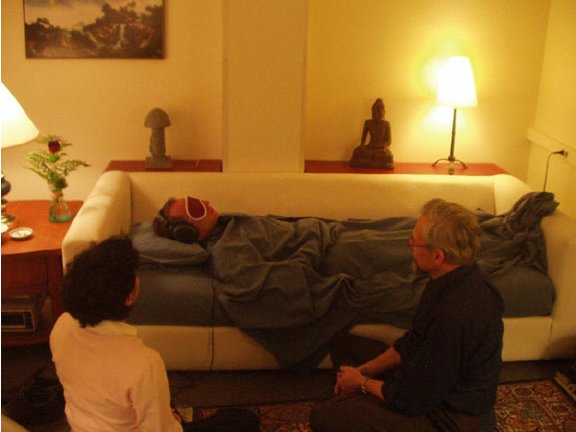
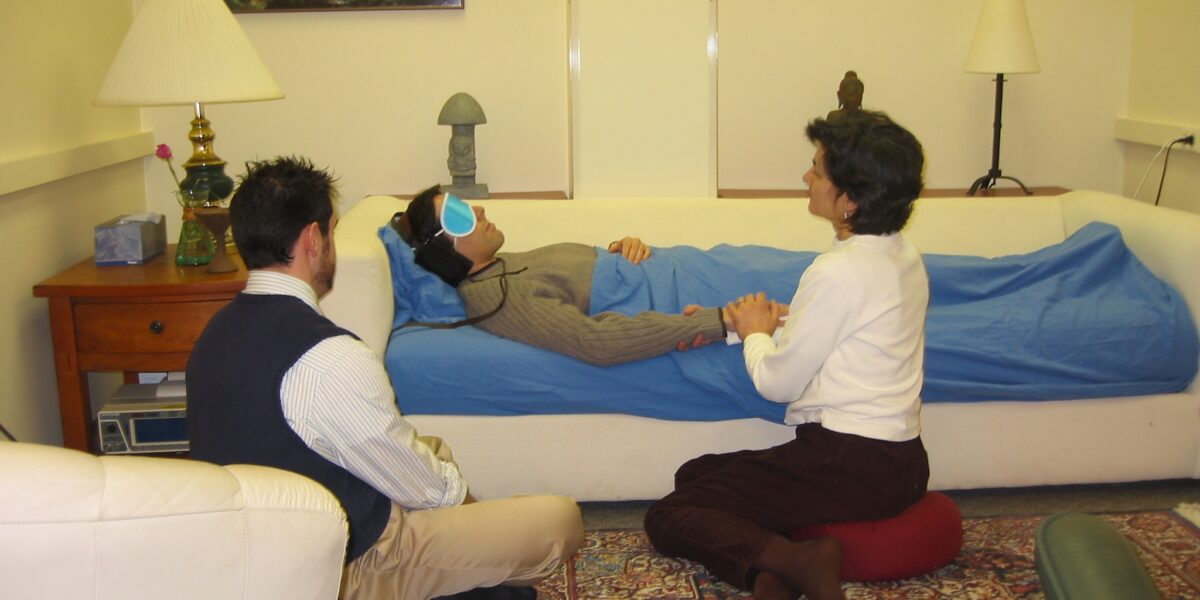
In a modern psychotherapeutic or clinical context, great care is taken to ensure a comfortable and secure setting, with interpersonal support provided in the session, in addition to interpersonal preparation and integration prior to the session and following it. Usually, two therapists (one male, one female) are present, who are also part of the preparation and follow-up integration sessions, with the aim of developing a rapport and sense of trust with the person undergoing the psychedelic sessions.

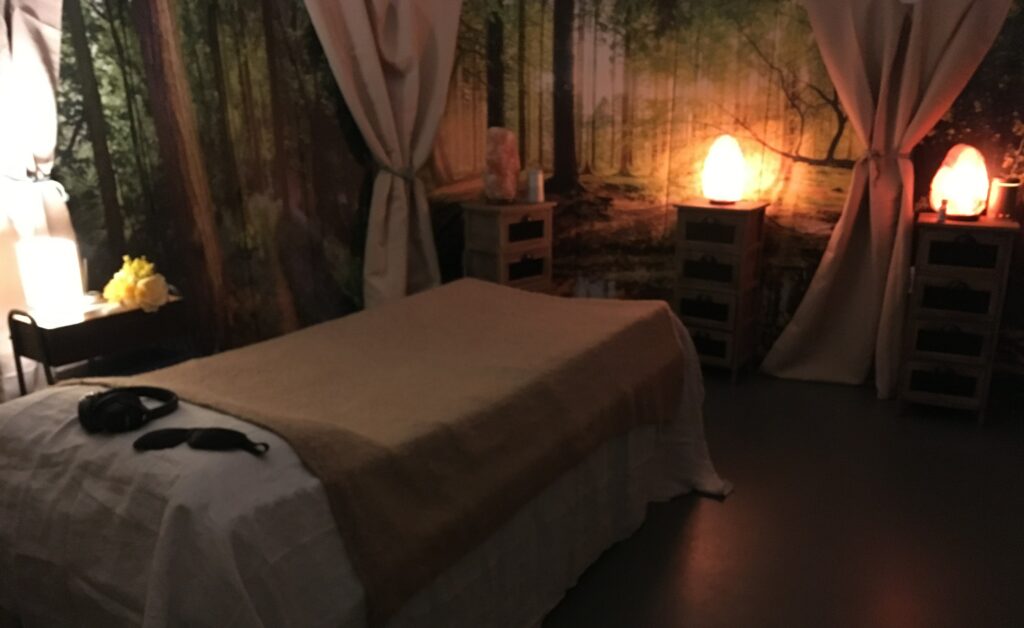
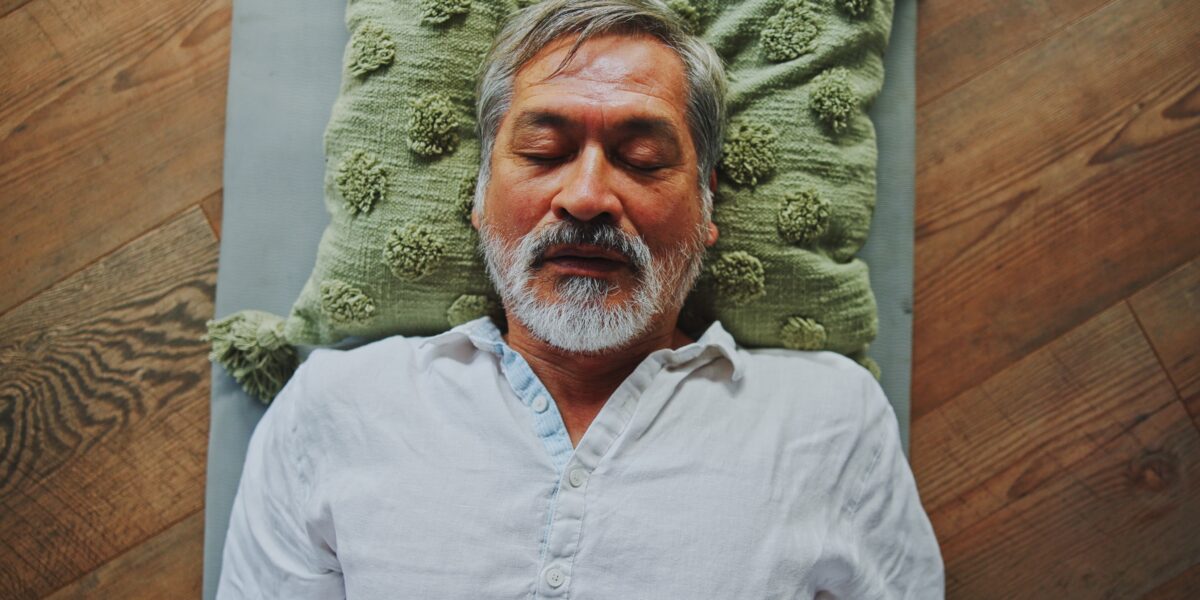
During the psychedelic session, participants are encouraged to recline on a sofa or bed and close their eyes while wearing eyeshades and listen to a carefully selected accompanying musical playlist through headphones, with the suggestion that they focus their attention inwards for the duration of the session. Music has been referred to as “the hidden therapist”, given the vital role it plays in psychedelic therapy sessions, acting as a guide rope in the psychedelic state, helping to soothe and uplift, and evoke various emotional states that may support the therapeutic process. The approach used in modern therapeutic psilocybin sessions can be summarised as “trust, surrender, let go”, with participants encouraged to accept the experience and allow it to unfold without trying to control it, while proactively shining a light into the darkest corners of their minds, confronting any shadows or monsters they find.

Imperial College psilocybin session room.

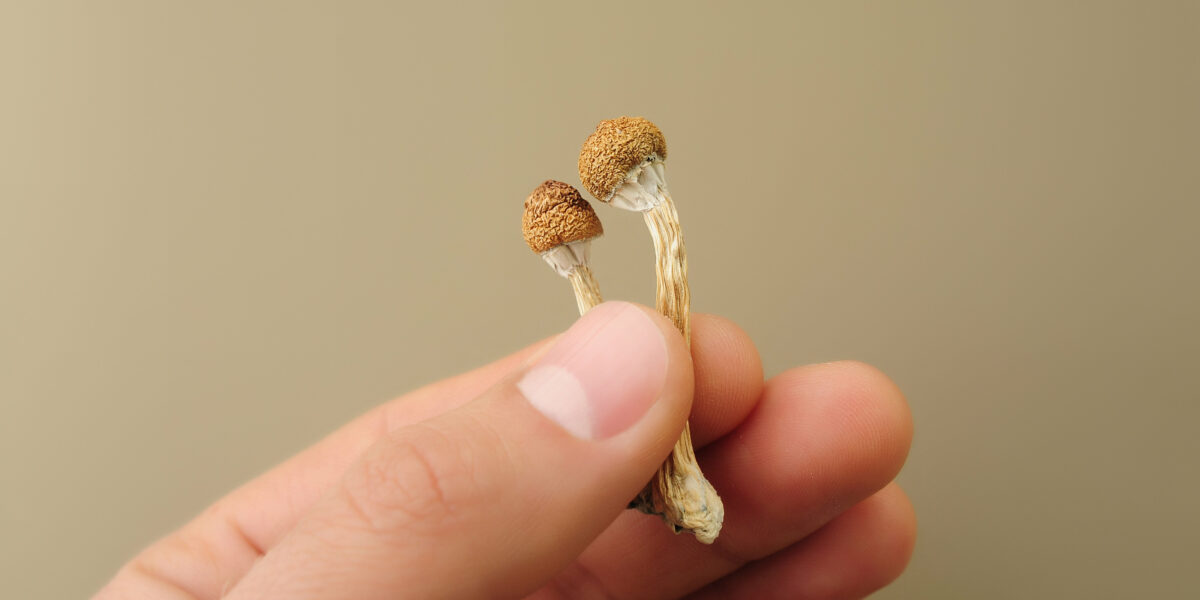
A dosage of 25mg of psilocybin (roughly equivalent to 4-5g of dry Psilocybe cubensis mushrooms) tends to be used in clinical sessions, as a (high) ‘goldilocks’ dosage, that helps maximise the chances of beneficial mystical experiences occurring while minimising the chances of adverse reactions associated with higher dosages.

In most clinical contexts, psychedelic use is individualised, with a single person consuming the psychedelic in question, overseen by one or two therapists. Depending on the individual in question and the mental affliction being treated, this individualised approach to psychedelic dosing and therapy may be the most appropriate. However, in other circumstances, group-based sessions may provide further therapeutic benefits, helping foster social connectedness and reducing feelings of isolation, among other effects. Having a shared experience with other people may also support aspects of integration following the session when it comes to discussing and making sense of the experience.

Spiritual Setting

The modern clinical or therapeutic setting that predominates now was first tested in a non-clinical context at Johns Hopkins to explore whether psilocybin could reliably elicit mystical experiences among a group of spiritually interested and active people. The recommended setting in this context is a comfortable room with subdued lighting, with the participant lying down wearing eyeshades on a bed or sofa, listening to a playlist of carefully selected, predominantly instrumental music (avoiding human vocals) playing through headphones, ensuring comfort and encouraging the experiencer to focus inwards. The lyrical narrative of human vocals is avoided as they tend to be emotive and powerfully influence people’s experiences in certain ways. Music and sound are important transcultural aspects of Indigenous psychedelic sessions, applied in a variety of contexts, such as the water drum of the peyote roadman, the mouth harp of the Bwiti nganga, or the icaros of the Shipibo curandero.

Johns Hopkins psilocybin session room. Charles Grob.

Feelings of comfort, safety and trust will influence an individual’s capacity to surrender and ‘let go’ into an experience, which is an important predictor of mystical experiences (which are associated with long-term positive outcomes). Going into a psychedelic experience with a calm, accepting, unburdened, and positive mindset has also been shown to be conducive to the occurrence of mystical experiences.

In the initial study, participants were administered a high dosage of 30mg/70kg of psilocybin. Higher dosages of psilocybin are more likely to yield mystical experiences, but at dosages of or exceeding 30mg psilocybin, adverse reactions such as transient episodes of fear, panic, terror, or paranoia are more likely. This demonstrates that even among carefully screened and selected participants using psilocybin in a supportive and carefully controlled context, negative reactions can occur at higher dosages. This should be instructive to psychonauts planning on using psychedelics in more loosely held recreational settings, where things may be more likely to go off the rails as dosages increase beyond a certain limit.

It should be noted that the spiritual “set” of the participants in this study was likely a big part of the story when it came to the frequency of mystical experiences reported, with others speculating that the experiences may have been primed in those participants. Further work conducted at Johns Hopkins demonstrated that spiritual practices (such as meditation, a daily awareness practice, and a daily self-reflective journaling practice) commenced a few months prior to a psilocybin experience and kept up following it, resulted in far higher mystical experience scores, and a number of psychological measures related to well-being and psychological functioning six months later. 96% of the spiritually engaged group rated one or both of their psilocybin experiences as among the top five most spiritually significant experiences of their lives, highlighting that the spiritual practices enhanced the spiritual significance of the experience and the attribution of enhanced spirituality to it following it.

Other contexts have produced even more robust results pertaining to the induction of mystical experiences. One study was conducted during a five-day mindfulness meditation group retreat setting in the Swiss Alps among a population of experienced Zen Buddhist meditation practitioners. 95% of participants (19 of 20) receiving the psilocybin reported a complete mystical experience, far exceeding the rates reported in studies conducted at Johns Hopkins. This hints at a profound potentiating effect of in-depth meditation experience and practice in eliciting mystical experiences alongside psychedelic administration, although the pristine alpine retreat setting may have also had an influence on outcomes.

The McKenna Setting

The McKenna approach retains the inner focus and the high dose previously highlighted (with a ‘heroic dose’ of five dried grams of Psilocybe cubensis mushrooms recommended) but dispenses with the music, instead prioritising a setting of silent darkness. Some psychonauts may opt for the use of an eyemark and a pair of earplugs to enhance the experience of darkness and silence further. This approach is likely to yield a very deep and internally orientated experience, and one distinct from a session where the audible guide rail of music is part of it. 

Indigenous Mazatec Setting

While a number of different Indigenous groups use psilocybin mushrooms ceremonially, the epicentre of such usage in Mexico can be considered among the Mazatec, who are considered to possess the greatest knowledge of mushroom lore. It is unclear how far back in time the Mazatec have been using mushrooms in this manner, but they likely have a lineage of usage stretching back centuries.

Ancient tradition calls for fasting prior to ingesting mushrooms, with the exception of fruit and water if necessary. Alcohol and other drugs are avoided before and after the ceremony, or velada. Communion with the mushroom is to be approached with humility and respect, but not fear. One should remain calm and be prepared for mental turbulence that can accompany entry into the bemushroomed realms. It is good to remain silent and speak as little as possible, at least in the beginning phase of the mushroom velada. Excessive talking can detract from the focus and energy of the experience, so conversations are reserved for later. Only the mushroom imbibers should be present, and overall, the fewer the better, as too many people may taint the atmosphere.

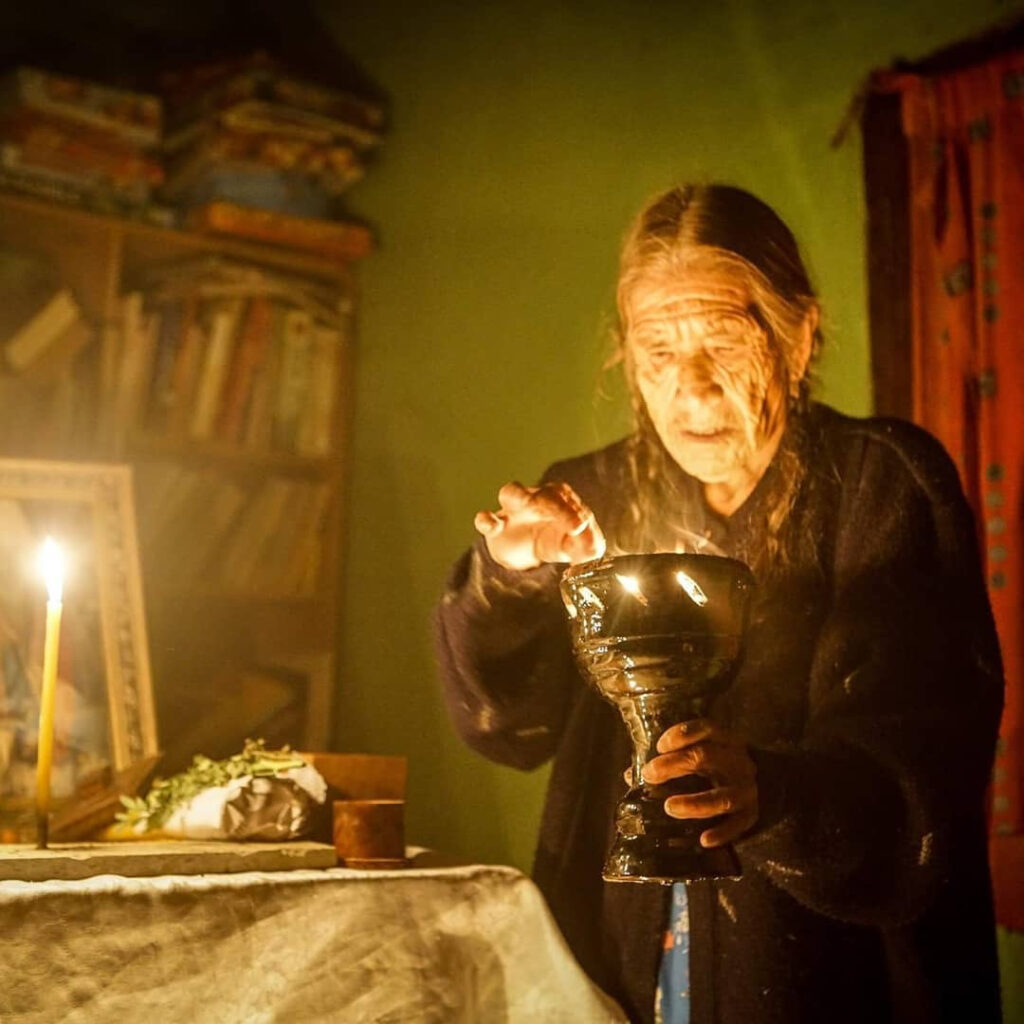
Mushrooms are cleansed in copal smoke prior to ingestion, and are consumed fresh, in pairs, on an empty stomach. People are encouraged to take their time to chew the mushrooms thoroughly, which allows their system to adjust to the experience. Unsweetened cacao is often consumed alongside the mushrooms, this being a custom also practised by the Aztecs as part of their mushroom ceremonies, and according to some, it intensifies the visionary aspect of the mushroom. Following consumption of the mushrooms, candles are blown out, and total darkness descends. Mazatec shamans may chant and perform bodywork on participants during the ceremony with their hands. Unlike the clinical therapeutic approach, the shaman ingests psilocybin alongside their patients. The Mazatec often consume mushrooms in family groups, which is rare outside the traditional context of the velada.

Mazatec elder curandera Don Natalia Martinez blessing mushrooms in copal incense smoke. Christopher Casuse.

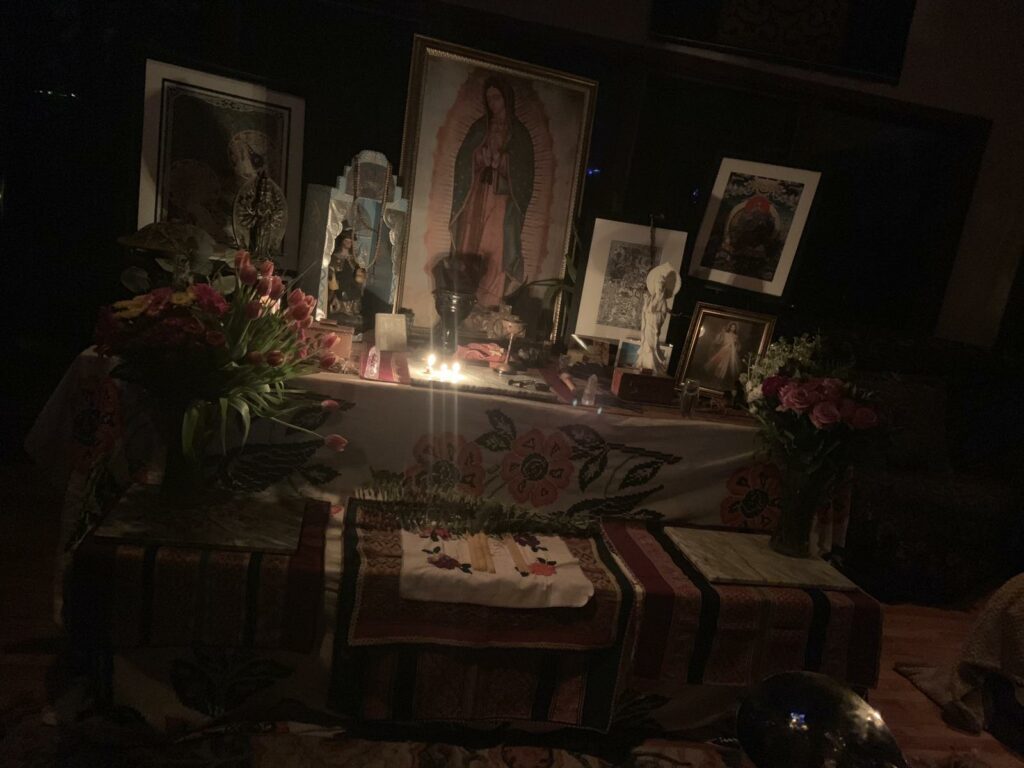
The Mazatec velada setting is usually in the shaman’s home, in a room with an altar. Sessions take place during the night, often in darkness, or sometimes with candlelight. This is to minimise distractions and focus the mind. A velada may begin in pitch darkness, to ensure that visions are bright and clear, with candles lit at a later time. The presence of candles is important, with beeswax candles favoured by the Mazatec. Candle flames serve as a neutral and absorbing focal point for a tried and tested means of anchoring awareness in the present. The night is recognised as the time most conducive to visionary insights and deep inner work. Despite regional, cultural and linguistic differences between various Psilocybe-using Indigenous groups in Mexico, this setting and timing are a shared common element.

Mazatec-style altar

In the context of a Mazatec mushroom velada, the focal point of the setting is a traditional altar, comprising a table adorned with images of religious figures, local cultural deities, candles, and offerings of flowers, tobacco, and eggs. The syncretic nature of the post-Columbian Mazatec tradition made it easy for them to assimilate Christian imagery into their rituals following the Spanish invasion and the spread of Catholicism that accompanied it. A sustained open-eyed attention on the altar and the images and candles that adorn it is encouraged, to avoid “falling” into the trance, while maintaining the intention to invoke the sacred. This sets it apart from the typical Western therapeutic approach, where people close their eyes, letting go and allowing the music to guide them, which has been described by Mazatec elder shaman Natalia Martinez as a “lazy approach”, which does not allow the full potential of the mushroom to manifest.

Traditional Xhosa Setting

While usage of mushrooms by Indigenous groups in Mexico, such as the Mazatec, is well known, usage of mushrooms by traditional cultures in southern Africa has only very recently come to wider public awareness. The Basotho of Lesotho and the Xhosa of South Africa have recently been documented using different species of mushrooms: Psilocybe maluti and Psilocybe ochraceocentrata, respectively. The Xhosa (the second largest ethnic group in South Africa) refer to the P. ochraceocentrata mushrooms as ‘Inkokowane’, which they have been documented as using in a variety of ways in the Eastern Cape province. Among the Xhosa, the primary purpose for using the mushroom in this way by the igqirha (diviners or shamans) is to act as a conduit to their ancestors, through which insight and guidance could be obtained.

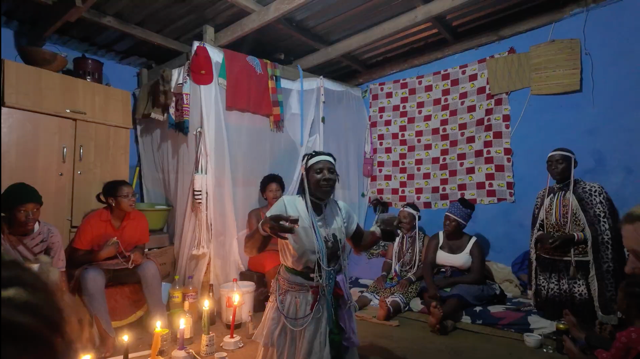
Female Xhosa healer singing. Cullen Taylor Clark.

The ceremony takes place in the evening and into the night, and is an event that involves the whole local community when it comes to participation and the preparation of the ceremonial space (one of the healer’s homes) and gathering of necessary materials. In one documented ceremony, the mushrooms were added to water in a cauldron, with the female healer inspecting the brew, chanting over it with the diviners until she deemed it ready for consumption. The ceremonial use of these mushrooms by the Xhosa may involve various ritualistic elements, such as the burning of herbs, the lighting of candles, fungal face painting (applied to the faces of all the ceremonial participants who would be imbibing the mushroom), drumming, dancing, singing, storytelling, and intervals of silent reflection, with these various elements shifting in a cyclic flux over the course of the ceremony. The use of mushrooms in this highly community-centred context likely promotes cohesion and social connection.

Indigenous Shipibo Setting

While psilocybin mushrooms arrived on the scene in the West largely decoupled from their Indigenous shamanic contextual moorings, this isn’t the case with ayahuasca, which appears to have departed Amazonia along with elements of its shamanic context largely intact. While numerous Amazonian groups use ayahuasca, among them the Shipibo are considered to possess the deepest knowledge of ayahuasca lore. Prior to imbibing the ayahuasca brew, the Shipibo observe a special dieta (or diet) that is perceived to purify body and mind. This involves eating a simple, bland diet free from salt, sugar, oils, and spices, while avoiding alcohol, meat, and sexual activity. In a Shipibo ayahuasca ceremony, the experience is overseen and orchestrated by a shaman, or onanya, typically held at night.

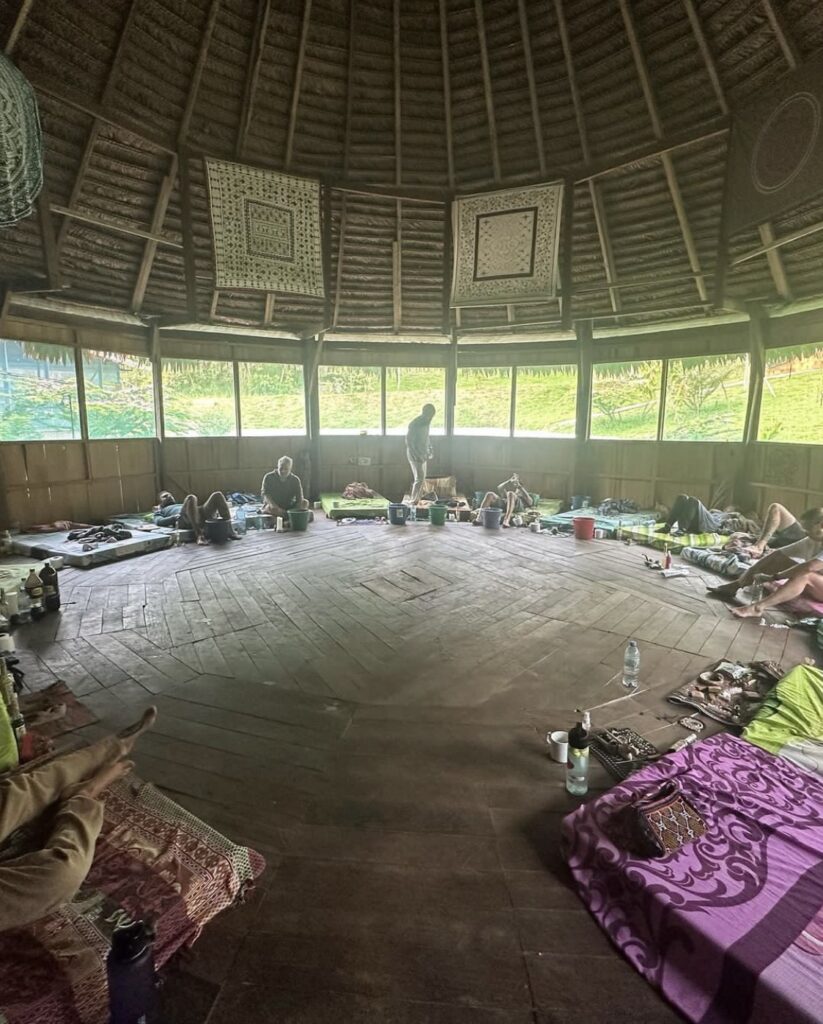
Shipibo maloca setting. Onaya Science.

The ceremony may take place within a ceremonial space of a maloca– a large, circular, or rectangular thatched-roof hut. Participants tend to be seated in a circle, facing inwards towards the centre of the room. The ayahuasca ceremony tends to occur in darkness, with only candlelight used, which may be blown out after the ayahuasca has been served. The darkness helps participants to focus inwards, promoting an inner journey.

One distinctive aspect of the Shipibo ayahuasca ceremony is the intricate melodies, or icaros, uttered by the shaman, which they learn during their shamanic training and dietas with various plants. The icaros are perceived to play an integral role in the experience, offering guidance and protection to ayahuasca imbibers, while facilitating a deeper connection to the spirit of ayahuasca and the healing, visions, and spiritual insight it may impart. The singing of icaros may be accompanied by the shaking of a shakapa leaf rattle. Aside from the ayahuasca, Shipbo shamans may work with a number of plant preparations and decoctions, including mapacho tobacco (Nicotiana rustica), both within and outside the context of the ceremony itself. There is a growing body of evidence to demonstrate that usage of ayahuasca in a Shipobo shamanic context can result in a range of positive outcomes in both healthy and clinical populations. 

Religious Setting (Santo Daime)

Some groups have incorporated psychedelics as religious sacraments. These include the Native American Church, which uses peyote, and the Santo Daime and União do Vegetal, which use ayahuasca. When considering the Santo Daime setting for ayahuasca experiences, one thing that sets it apart from the other types of psychedelic settings discussed here is its highly ritualised context.

In religious contexts, elements of ceremony and ritual may be incorporated to help elicit mystical experiences. Ritual elements can help shape set and setting, while a structured ceremony can help foster feelings of safety, intention, and reverence, which in turn can promote openness to non-ordinary experiences. Ceremonial elements in a psychedelic setting can create a symbolically rich environment, which may help prime the mind towards transcendent interpretations of psychedelic experiences while enhancing meaning-making.

A fundamental feature of the Santo Daime tradition is that the set and setting are viewed as a sacrosanct product of divine revelation, with the ayahuasca or ‘daime’ viewed as a divine sacrament. It is considered that to drink daime is to drink the blood of Christ, and its effects are eulogised as being intrinsically favourable and universally benign, possessing the power to heal, instruct, and purify the imbiber. This positive framing of both the setting and the psychedelic likely influences outcomes.

The Santo Daime ceremonial setting distinctly segregates male and female participants, who keep to their respective zones. There is further segregation based on age group among the two genders (junior, middle, and senior), with these groups ordered in a hexagonal arrangement, with participants facing each other, which likely enhances the emotional intensity and sense of mutual involvement in the ceremonial experience while also enhancing visibility and audibility. At the centre of these hexagonal groups sits a table, often but not always shaped as a six-pointed star, on which sit religious statuettes and photographs, and a variety of visually pleasing objects representing the elemental forces of earth, water, wind, and fire (e.g. flowers, crystals, a jug of water, incense sticks, and candles).

Distinctly coloured ritual uniforms are also used, with blue being worn for seated works, including concentration and healing works, with white worn during celebratory occasions (which include singing hymns and dancing). Hymns are sung by all participants, and these are an important part of the Santo Daime ritual context, helping to mobilise emotion, memory, language, and cognition in the ayahuasca experience. The hymns are sung in unison with three main types of ritual dances corresponding to the three musical rhythms of Santo Daime, with a musical accompaniment of guitar, maraca, and occasionally other instruments. Collective dance rituals have been used for the induction of transformative experience across cultures, with music also transculturally applied alongside psychedelic usage. Incense is also burned during the musical episodes and used with the intent of aiding in purification. At other times, attendees are seated, but upright on chairs rather than lying down, which may elicit a more active and alert state of mind in comparison to lying down in other contexts. The social setting and the sense of ‘communitas’ framing the ayahuasca usage may help promote social cohesion and solidarity, which the unifying qualities of the music and dancing may further promote while people are under the influence of the ayahuasca.

Despite its many potentially positive qualities, issues can crop up with the Santo Daime approach to using ayahuasca. This may come from deeply committed attendees becoming too zealous in some instances, exerting themselves to the point of injury or overexertion. Feelings of inadequacy or shame may arise in those who struggle to conform to the levels of order and discipline. There may also be potential issues with ego inflation (although the Santo Daime ritual context seeks to diminish the ego), which may be precipitated by the hours the participants spend staring at each other, and the performative aspect of the ceremony could potentially augment an ego preoccupied with how one is perceived.


Creativity-Supporting Setting

For a setting supporting creative endeavours or problem-solving, the environment should be comfortable and non-clinical to facilitate an atmosphere of psychological safety and freedom. Various means for participants to record notes or sketches should be provided. Relaxing and quietly listening to music for the first three hours of their psychedelic session and having “turned off” one’s analytical faculties to allow the experience to unfold as it will, without attempting to control it, may be advantageous. Any facilitators present can help ensure feelings of safety and promote focus among session participants. 
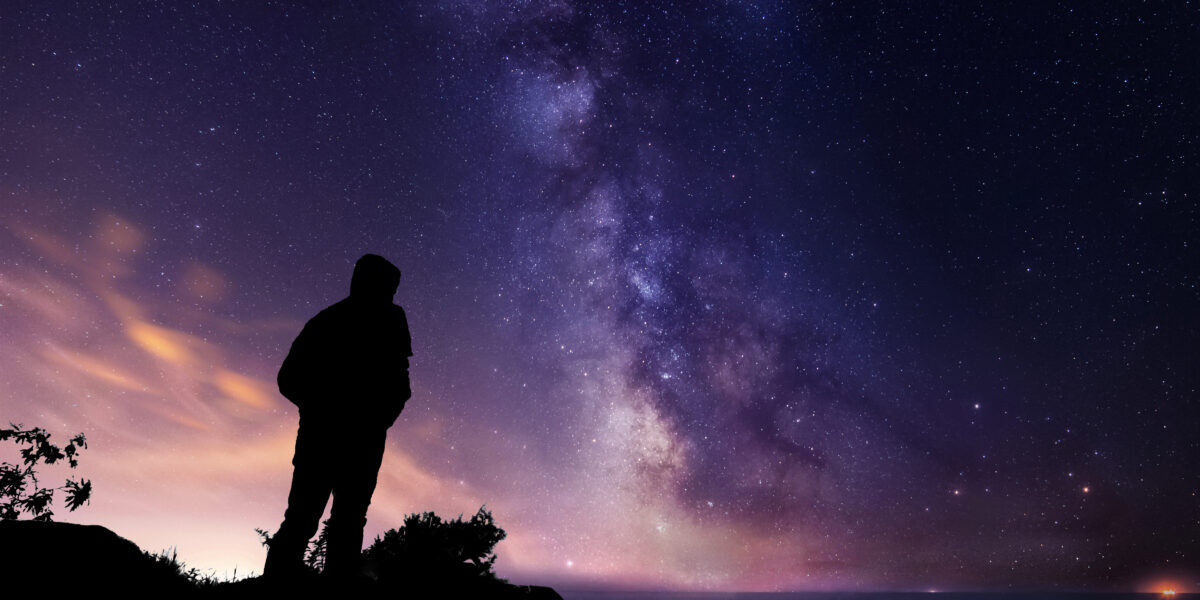
Inferring from past research, the creativity catalysing potential of psychedelics is likely best applied in the context of meaningful and emotional engagement and involvement with a particular creative undertaking, and when prior in-depth focus and sober effort have already been directed towards the subject in question. Entering into the experience with the prior intent and motivation to harness the creativity-enhancing potential of the psychedelic state is also likely supportive.

The dosage of psychedelic ingested is also likely an important factor when considering their potential as creativity catalysts. Low to moderate doses may promote an advantageous loosening of higher-order cognitive functions and inhibitions, enhancement of visualisation skills, and access to the subconscious, coupled with some level of cognitive control where the ability to judge the validity and usefulness of novel ideas is retained. The higher dosages used in clinical studies are more likely to impair cognitive processing and yield effects that are too distracting for this applied context (being more conducive to the generation of deep existential insights). 

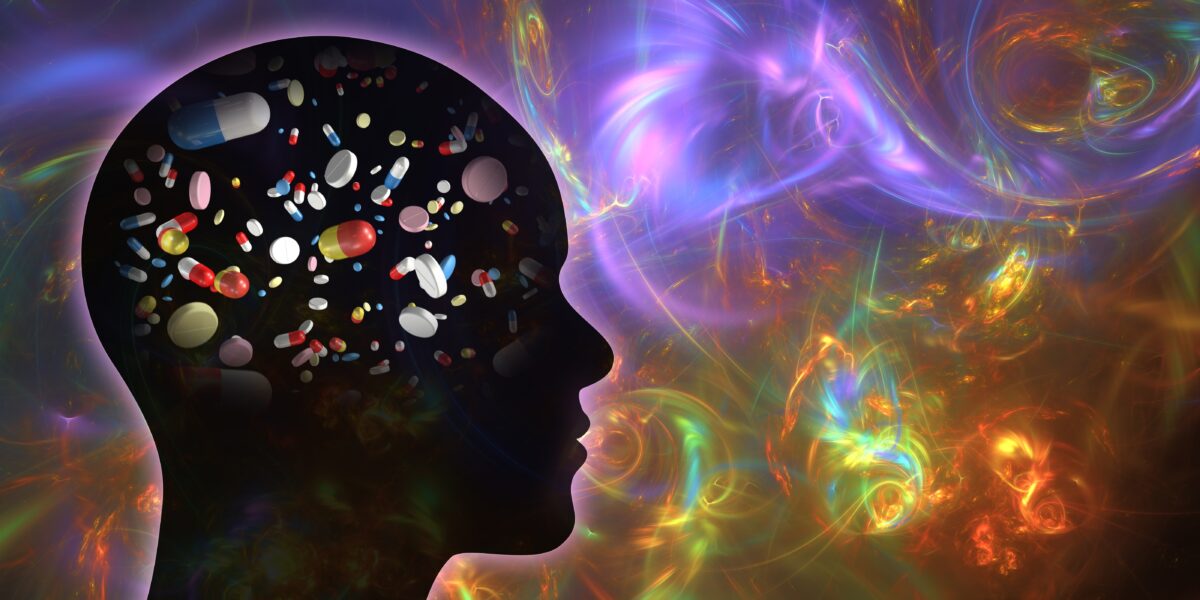
One past study conducted in the mid-1960s exploring the problem-solving capacity of psychedelics among creative professionals employed a dosage of 200 milligrams of mescaline sulphate. A more recent pilot study tested a range of LSD dosages (50, 75, and 100 micrograms), with the investigators settling on 75 micrograms as the optimal “goldilocks dosage”, which was then used in a follow-up study where LSD was administered to scientists and engineers with the aim of facilitating scientific problem solving.

A nature-enriched setting may be supportive of creativity-focused sessions, with nature contact having been associated with benefits to cognition, working memory, spatial memory attention, visual attention, reasoning, fluency, intelligence, and creativity. Music listened to in the psychedelic session may also have the capacity to shift modes of creative thinking. One study reported that listening to ‘happy music’ (in this case, classical music high on arousal and positive mood) enhanced divergent thinking (associated with the process of generating multiple potential solutions to a problem). Further research could explore how different types of music might shift creative thinking styles.

Nature-Based Outdoor Setting

Albert Hofmann reported experiencing mystical experiences while immersed in natural settings in his younger days, which would in turn propel him onto a career path which would lead to his work on LSD, psilocybin and other psychedelic compounds. When asked about the optimal context in which to ingest psychedelics, he stated, “Always use it in nature”. Mycologist Paul Stamets favours a natural setting for his psilocybin mushroom experiences, valuing “seeing the ocean, hearing the wind and the birds, and to have that expansiveness feeling.” While he sees the value of a controlled therapeutic setting, he suggests that it could function as a stepping stone setting for those who have trepidation about whether they can weather the psychedelic experience, as he feels that having the experience in nature may be “much more beneficial”.

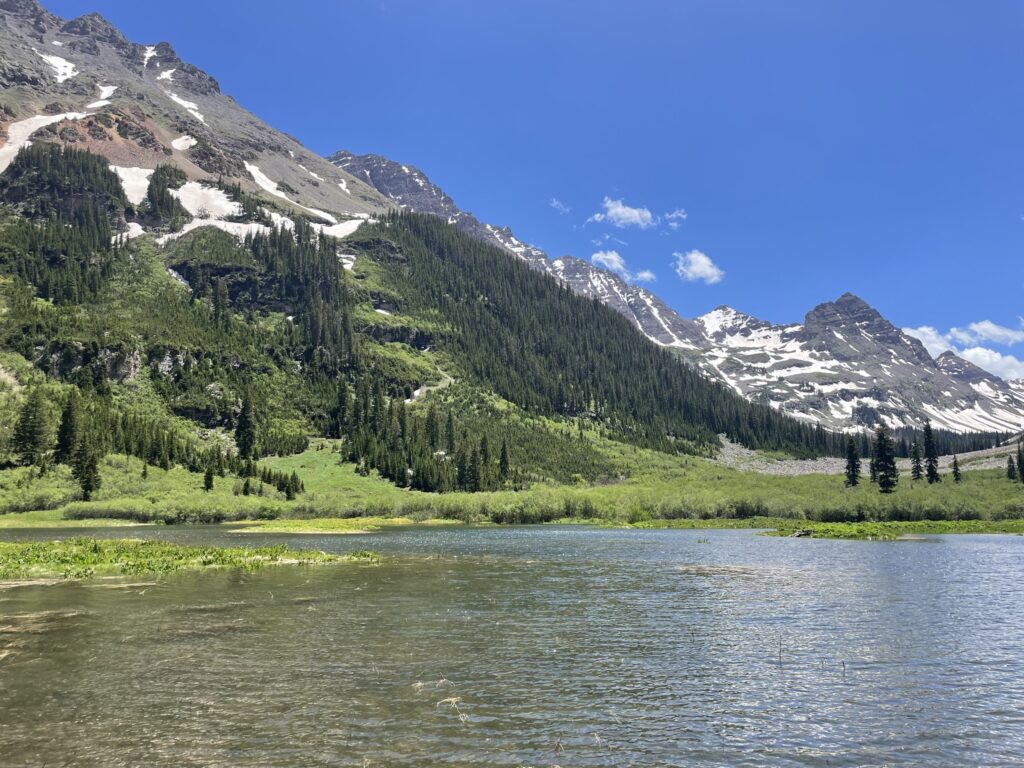
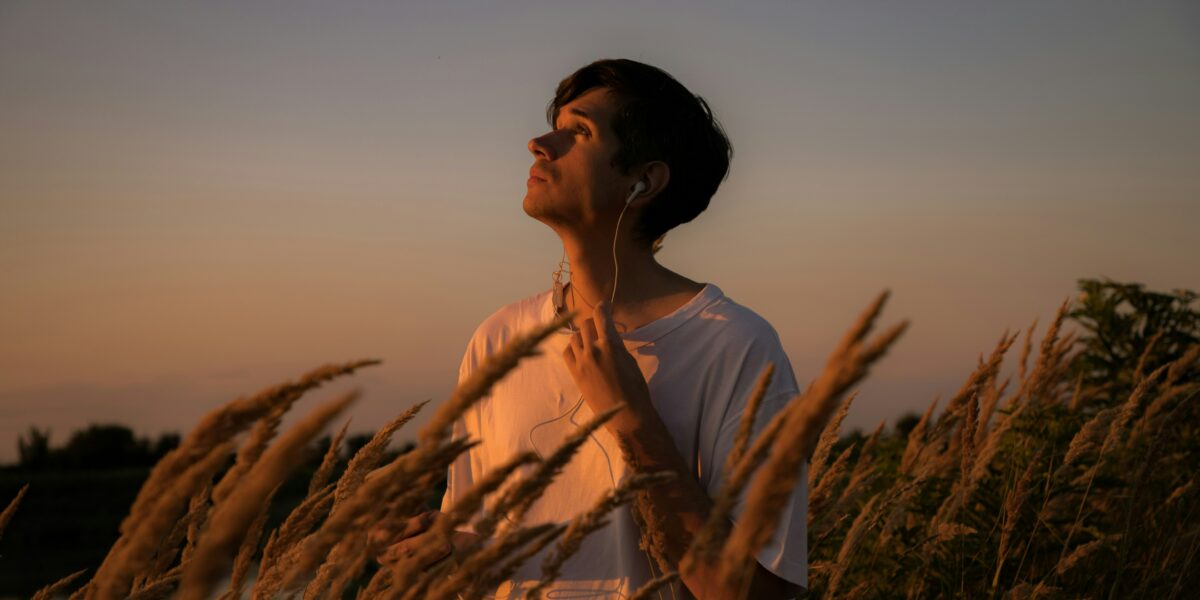
Natural settings may support psychedelic experiences in a number of ways. In marked contrast to the much more internally focused therapeutic, spiritual, or McKenna style settings previously outlined, elements of the external outdoor setting are likely to play a much more prominent role in a psychedelic experience. Natural settings have psychologically soothing and restorative qualities, and can support meditative, mindful, and reflective mind states, while promoting states of external absorption. Nature can be considered a prototypical inducer of awe, with nature-based settings more reliably triggering awe than built environments. Interwoven with the experience of awe is the perspective of interconnectedness (also a cornerstone of the mystical state psychedelics can elicit), and a felt sense of our shared place in the wider web of life may be more accessible in nature-based rather than indoor settings.

A fire outside can provide a visually captivating and soothing centre point if ingesting a psychedelic such as mushrooms outside during the nighttime. This can also be a useful setting element if holding group sessions in this context, as it provides a captivating focal point that can foster social cohesion without the need to maintain direct eye contact. The dancing, flickering flames have a rhythmic but subtly variable quality that can elicit a state of psychologically restorative “soft fascination”, and when witnessed under a star-studded sky in nature, can evoke feelings of awe and connection. In dim firelight, external visual stimulation is reduced, which can encourage an inward focus, and there is a timeless quality to looking into the dancing flames, linking us back to our Palaeolithic ancestors who would have done the same. A fire often forms a central component of peyote ceremonies conducted in the context of the Native American Church.

Using psychedelics with the intent to connect with nature has been associated with a greater likelihood of mystical experiences and greater well-being scores in comparison to a number of other motivations behind usage, and mystical experiences occurring in nature-based rather than human-built settings appear more likely to elicit increases in pro-environmental behaviour, which has also been associated with psychological well-being. One qualitative assessment of psychedelic users found that some preferentially sought out natural settings for their psychedelic experiences, while others sought out such settings to self-soothe during challenging experiences. Natural settings are preferred by many psychedelic-using Indigenous groups, including the Wixáritari (Huichol) of Mexico, considered the world’s oldest surviving psychedelic-using culture.

Research has also demonstrated that natural settings have been predictive of less psychopathology, and greater wellbeing and meaningfulness of psychedelic experiences, with another study reporting that using psychedelics in nature was associated with becoming more connected to the world, and to nature, while eliciting more introspection and a happy, positive and enthused mindset during the experience. Another notable finding reported was that using psychedelics in nature was associated with a greater disposition to feel that humans are insignificant in the grand scheme of things. While much attention is centred on the capacity of psychedelics to dissolve egos, less is given to their capacity to inflate them. Could a greater integration of natural settings help counter this problematic side effect of psychedelic usage?

Unlike the security blanket of safety ensured by the tightly controlled clinical setting, natural settings are inherently less controllable and predictable, and this needs to be considered in advance of a psychedelic session in such a setting. Factors such as inclement weather, or encounters with wildlife (e.g. mosquitoes) or strangers need to be considered and planned for beforehand (having the option of a pre-prepared shelter to retreat to could be beneficial). The dosage of the psychedelic ingested is another important factor to consider. Incapacitating oneself in the comfort and safety of one’s own home is one thing – incapacitating oneself in a remote rural location exposed to the elements is quite another, and there are few recent reports of psychedelic trekkers doing this. There is a growing interest in “hikrodosing”, where small doses of psychedelics are ingested before people go hiking in nature, sometimes in groups. The group format can help ensure safety.

Naturalistic Settings

Naturalistic or recreational settings may encompass a range of different settings. This could include an individual’s home, a music festival or gig, or a retreat setting. When considering psychedelic use as a whole at the population level, such settings are the most commonly used. In contrast to the clinical context where people administered psychedelics are carefully screened and dosed in a controlled setting, naturalistic settings tend to be much less controlled and supported, and it is important to acknowledge the potential safety issues that this may present, particularly with increasing dosage of the psychedelic ingested. This means that adverse reactions to psychedelics may be more likely in such settings, without such safeguards in place.

Some psychedelic users have a preference for having the experience in the comfort of their own homes. Given that feelings of comfort and safety are important setting factors when it comes to predicting positive outcomes, the capacity of the home setting to potentially provide these should not be overlooked. Some people appreciate sober sitters – such as a loved one, friend, or family member – which may help them to surrender and let go into the experience. Others, on the contrary, may feel like they can’t journey inwards as effectively with other people present – this really comes down to the individual in question and their psychological makeup.

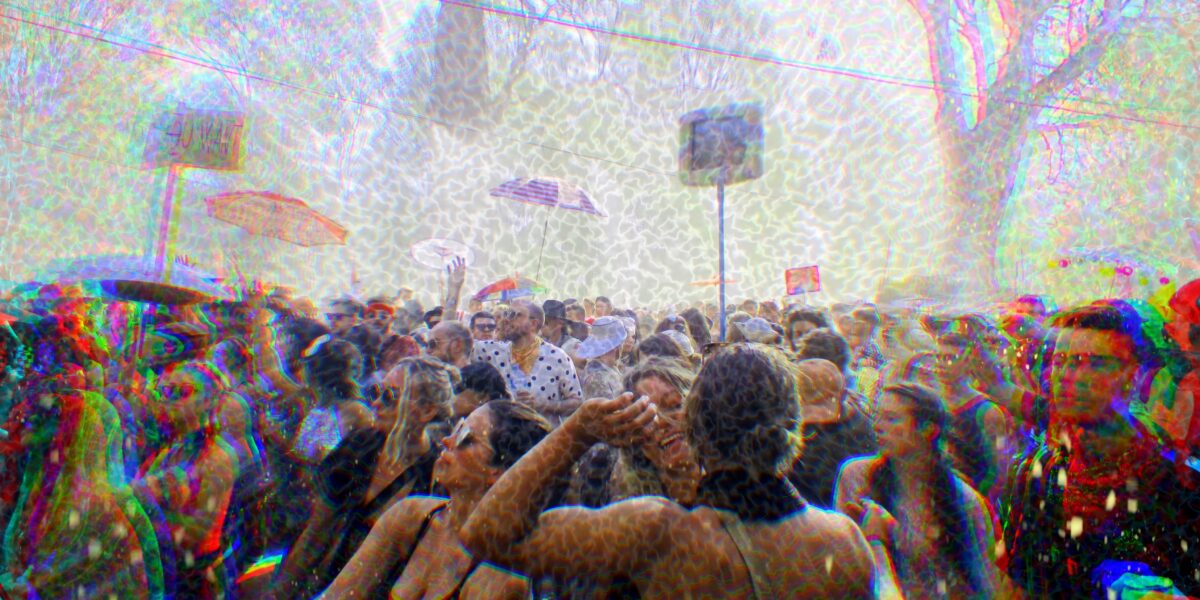
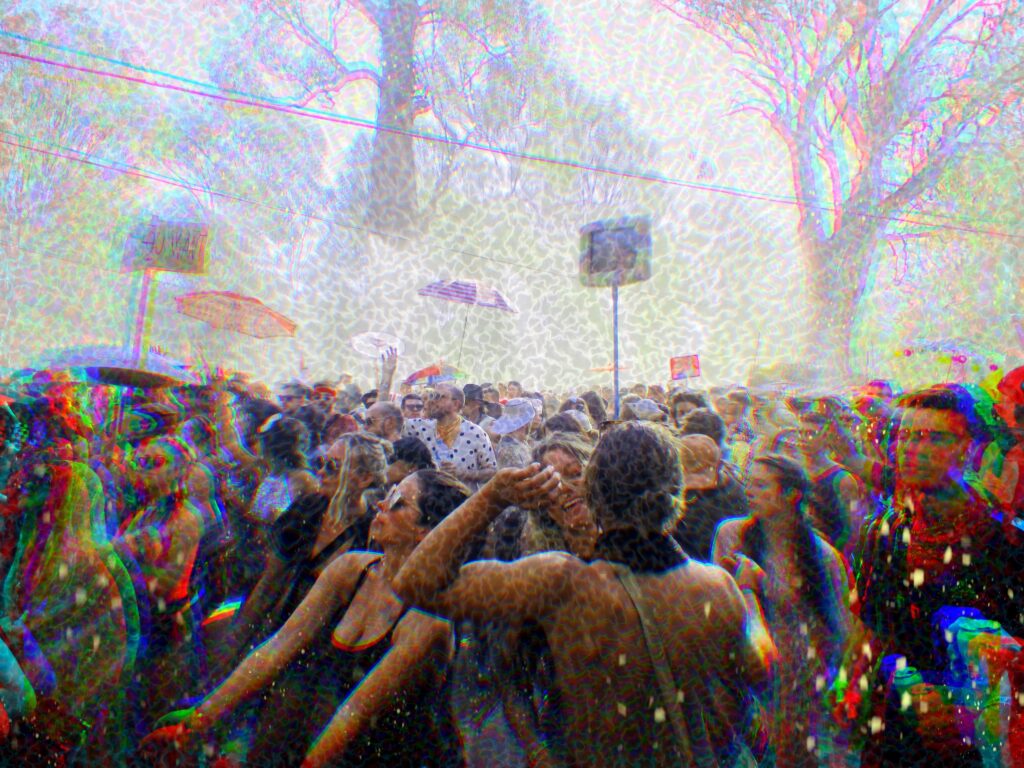
Music festivals are popular settings for psychedelic consumption, offering a context in which many psychedelic users can come together. While experiences can potentially go awry in such a setting, the provision of ‘PsyCare’ in festival settings offers a form of support for people undergoing challenging psychedelic experiences. In spite of the greater risks of using psychedelics in such an uncontrolled setting, it can also yield benefits. Intriguingly, one study of psychedelic-using festival attendees suggested that the non-controllability of the setting (otherwise avoided in psychedelic research or therapy settings) contributed to some of the life-changing effects of psychedelic experiences at music festivals. This aside, features such as community and connection, diversity, and richness of the surroundings were also appreciated, with motivations for usage in such settings encompassing a sense of fun, sensory exploration of the world, and deepening one’s connection to it through engagement with art, nature, and other beings. Dancing is a prominent shared activity in such settings, which some consider a social and healing practice that can synergise well with psychedelic use, enhancing social cohesion. Other research has highlighted the potential for the mood boosting effects of psychedelics to come through the transformative experiences and social connectedness possible in festival settings.

Retreat settings are another popular setting option for naturalistic psychedelic use. These may occur in various parts of the world where psychedelics are legal or decriminalised (e.g. the Netherlands, Brazil, Mexico). In this context, psychedelics tend to be used in groups, which can make use of the social cohesion or communitas possible in such settings, which some people attribute to being an important part of the positive outcomes they experience. Still others may find using psychedelics in such a group context to be distracting – this will vary with the individual. Retreat settings often feature support to participants in the form of experienced facilitators to oversee psychedelic sessions and provide support to participants as and when needed. Such retreats may also offer a range of mind-body practices that may potentially synergise with the psychedelic experience in a number of ways.

Retreat settings like this allow for elements of ritual and ceremony to be incorporated into the proceedings, which can yield a number of benefits, as previously touched on. This sets such a context apart from the clinical research setting, which tends to lack such elements. There is a growing body of research to demonstrate that psychedelics administered in supportive retreat settings can yield a number of positive outcomes in both healthy and clinical populations.

Conclusion

Across all these settings – therapeutic, spiritual, psychonautic, Indigenous, religious, creativity-supporting, nature-based, or naturalistic – psychedelics reveal themselves as mirrors of context, not just amplifying that which lies within us, but also those elements which externally encompasses the experience, including features of the space, of the approach used (such as aspects of ritual and ceremony), and the presence (or absence) of other people (whether they are ingesting the psychedelic alongside the experiencer or not).

From the more reflective inner journey of the therapeutic, spiritual, or psychonautic setting, to the more ritualised, ceremonial, and group-based settings adhered to by Indigenous groups, the Santo Daime, or retreat contexts, to the more externally orientated, earthy context of the nature-based setting, the more externally proactive focus of the creatively orientated session, or the more raucous, connective, and sensorially rich context of a festival setting, each setting type is highly distinct. These differences in context will shape the psychedelic experience in a number of ways, with each likely to bear its own particular fruit to the experiencer.

Sam Gandy | Community Blogger at Chemical Collective

Sam is one of our community bloggers here at Chemical Collective. If you’re interested in joining our blogging team and getting paid to write about subjects you’re passionate about, please reach out to Sam via email at samwoolfe@gmail.com

share your toughts

Join the Conversation.

1 Comment
Inline Feedbacks
View all comments
Charly888
4 days ago

🔥

Related articles

Our Products

Related Products

1V-LSD 150mcg Blotters
1V-LSD 150mcg Blotters From 22.00
(143)
1cP-LSD 100mcg Blotters
1cP-LSD 100mcg Blotters From 18.00
(137)
Tryptamine Mix and Match Pack (4 x 0.1g)
Tryptamine Mix and Match Pack (4 x 0.1g) 65.00
(1)
1V-LSD 10mcg Micro Pellets
1V-LSD 10mcg Micro Pellets From 15.00
(43)
2-FDCK HCL
2-FDCK HCL From 12.00
(82)
1V-LSD 225mcg Art Design Blotters
1V-LSD 225mcg Art Design Blotters From 35.00
(62)
1S-LSD 150mcg Blotters
1S-LSD 150mcg Blotters From 29.00
(16)
1cP-LSD 150mcg Art Design Blotters
1cP-LSD 150mcg Art Design Blotters From 25.00
(74)
1V-LSD 225mcg Pellets
1V-LSD 225mcg Pellets From 35.00
(26)
1D-LSD 225mcg Pellets (1T-LSD)

SALE! -15%

1D-LSD 225mcg Pellets (1T-LSD) From Original price was: €42.00.Current price is: €35.70.
(13)
1cP-LSD 10mcg Micro Pellets
1cP-LSD 10mcg Micro Pellets From 15.00
(23)
5-MeO-DMT Freebase
5-MeO-DMT Freebase From 23.95
(36)
O-PCE HCL
O-PCE HCL From 17.50
(25)
1cP-LSD 20mcg Micro Blotters
1cP-LSD 20mcg Micro Blotters From 18.00
(27)
4-HO-MET Fumarate
4-HO-MET Fumarate From 19.50
(26)
rewards-icon
popup-logo

Reward program

popup-close
  • Earn
  • Affiliates