Welcome to
Chemical Collective

Are you 18 or older?

Please confirm that your are 18 years of age or older.

You are not allowed to access the page.

info-icon €100 for domestic (NL, CZ, DE) €125 for the rest of the EU, excluding stealth shipping

Free shipping over €50 & free tracked shipping over €100

Friendly customer service available 9-5pm Monday to Friday

Free shipping over €50 & free tracked shipping over €100

Friendly customer service available 9-5pm Monday to Friday

Your cart is empty

PSYCH NEWS – 01/12/2025

david-blackbourn

By David Blackbourn

shutterstock 2445451403
in this article
  • DMT Research Reveals How the Brain Constructs the “Sense of Self”
  • The Ecological Cost of the Psychedelic Renaissance
  • DEA Proposes Increase in Psychedelic Production
  • Psilocybin Therapy in New Jersey
  • Psychedelics Promote Lifestyle Changes
david-blackbourn

By David Blackbourn

Disclaimer: The views and opinions expressed in this article are those of the authors and do not necessarily reflect the official policy or position of the Chemical Collective or any associated parties.

DMT Research Reveals How the Brain Constructs the “Sense of Self”

A new study published in the Journal of Neuroscience has investigated how the brain generates the feeling of being a distinct, separate “self”. Researchers, led by Christopher Timmermann of Imperial College London, are using the incredibly powerful psychedelic DMT to investigate consciousness. The research offers fresh insights into the mechanics of conscious experience. Their specific focus was a state known as “criticality” – a balance between order and chaos that they believe is necessary to maintain a stable awareness of self.

The study involved 27 healthy volunteers who visited a lab on two separate occasions. During one visit, they received an infusion of DMT; during the other, a placebo. Because DMT’s effects are so rapid and short-lasting, researchers were able to quickly capture the entire trajectory of the psychedelic experience in a single recording window. Using scalp EEG to monitor electrical activity, they observed that DMT significantly disrupted “alpha waves”, a brainwave frequency associated with wakefulness and thought related to the self.

The researchers found that while participants were under the influence of DMT, brain activity moved from this “critical” pattern into a “subcritical” state. Neural patterns became less structured and more difficult to sustain. The collapse in brain organisation mirrored participants’ perception of ego-dissolution (the boundary between self and other dissolving). The more brain activity moved away from “criticality”, the more intense the loss of identity. Researchers discovered that as brain signals became more unpredictable, they simultaneously became more fragmented and less complex. Co-author of the study, Marco Aqil, notes this may explain the loss of your personal narrative at a peak psychedelic state. 

These findings suggest that a stable sense of self is extremely reliant on a specific balance of frequency and chemistry. This discovery could eventually help to inform therapeutic applications for substances like DMT.

The Ecological Cost of the Psychedelic Renaissance

An article by Isabel Faulkner at Drug Science has highlighted a critical issue with the way the “psychedelic renaissance” is currently playing out. While interest in the therapeutic potential of psychoactive substances is at an all-time high, the plants and animals which produce these substances are increasingly in peril. Ecologist Dr Sam Gandy and conservationist Dr Anya Ermakova have warned that this surge in demand, driven by both clinical research and psychedelic tourism, is threatening the survival of key species

  • Peyote
  • Iboga
  • The Ayahuasca Vine
  • The Sonoran Desert Toad

For anyone even vaguely involved in the psychedelic community, these are all incredibly well-known sources of psychoactive substances. The researchers reveal the often-overlooked pressures facing these various organisms.

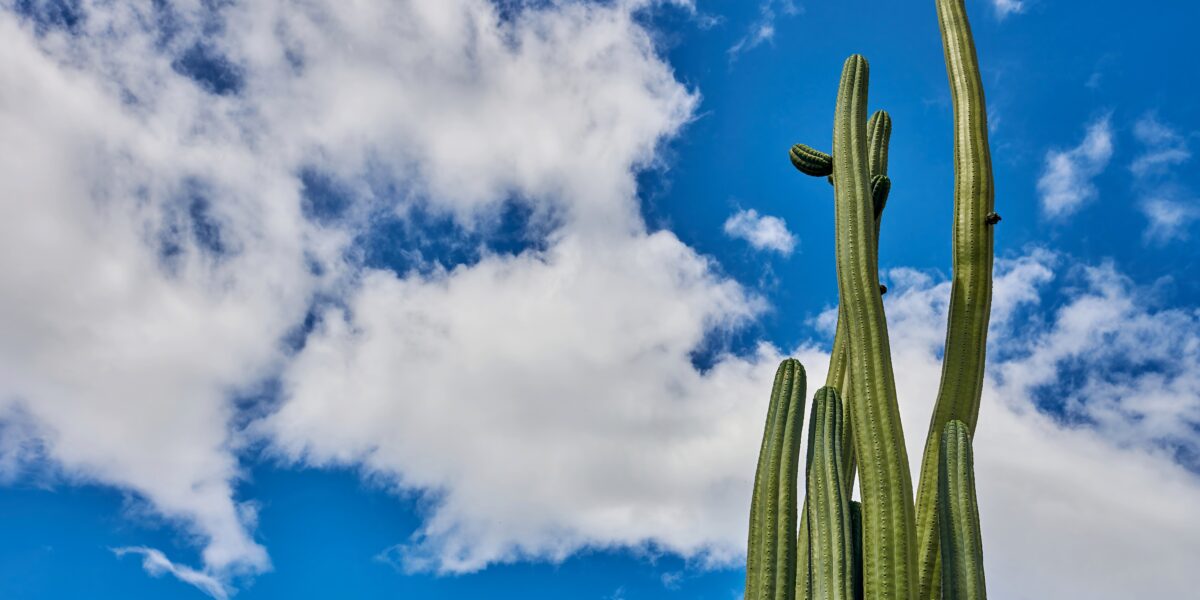
Peyote cactus takes decades to fully mature, and is being decimated by habitat loss due to the oil industry, as well as industrial agriculture practices. The population of the Iboga shrub in Central Africa is crashing due to rampant deforestation and the poaching of elephants, which are essential for dispersing their seeds. The Sonoran Desert Toad is being overharvested for its 5-MeO-DMT-containing venom – a wholly Western practice, incidentally.

To prevent complete ecological collapse, Ermakova and Gandy push for a change towards sustainable alternatives. They argue that synthetic production, especially where 5-MeO-DMT is concerned, offers a chemically consistent, much safer and more ethical option.

DEA Proposes Increase in Psychedelic Production

The American Drug Enforcement Administration (DEA) has formally proposed significant increases in the production quotas for several psychedelic substances for 2026:

  • Psilocybin
  • Psilocin
  • 5-MeO-DMT
  • Methylone

This increase is to support the increasing evidence of their potential to tackle the symptoms of post-traumatic stress disorder (PTSD) and depression. The agency said that the adjustments reflect the increased needs of the US.

The production goal of psilocybin has risen from 30,000 to 40,000 grams. Psilocin production will increase from 36,000 to 48,000 grams. The other substances have even more dramatic increases. 5-MeO-DMT will nearly triple, from 11,000 to 30,000 grams. This, in particular, gives us real clarity on the pace of change of the psychedelic renaissance. In 2021 the quota for 5-MeO-DMT was just 35 grams…

Methylone, a compound similar to MDMA, will also substantially rise, from 5200 grams (where it has been since 2022) to 30,000 grams. Production of other controlled substances like cannabis, MDMA, and LSD remain unchanged.

Psilocybin Therapy in New Jersey

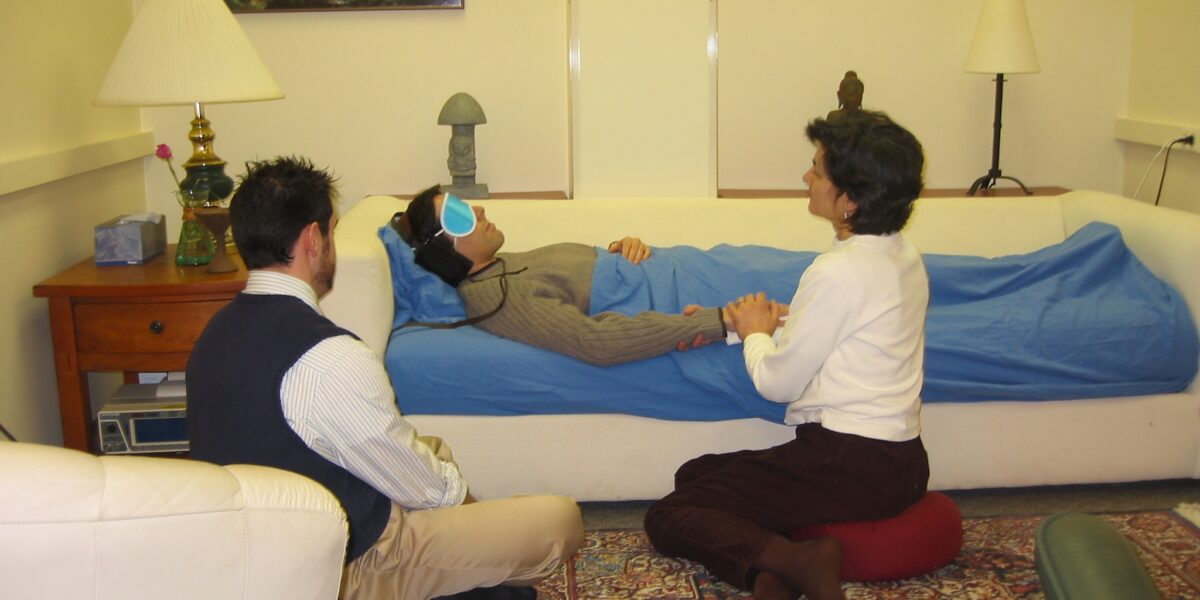
A push towards legalised psilocybin therapy in New Jersey has gained significant momentum in the last two weeks. The Assembly Health Committee has proposed a structured “Psilocybin Behavioral Health Access and Therapy Pilot Program”. Unlike some of the broader legalisation measures in other states across the US, this bill is strictly therapeutic. Patients must be at least 21 years old and obtain a medical referral to access treatment. Treatment would only occur in licensed facilities under the guidance of trained facilitators.

The committee’s approval followed testimony from psychedelic advocates highlighting the state’s mental health crisis. There was particular focus on issues of PTSD and treatment-resistant depression. Psilocybin, they said, offers a means “to break the cycle of trauma”. The proposed system mirrors accepted clinical trial standards and would consist of a three-step process:

  • Preparatory session
  • Supervised administration session
  • Post-treatment integration session

Despite the positivity and the bill’s continued progress, many hurdles remain. Lawmakers expressed concerns about the program’s potential cost and the strain it may place on an already overburdened mental health workforce. There are also questions of potential conflicts with future Food and Drug Administration (FDA) rulings. The federal agency is currently in the process of reviewing psilocybin-based treatments.

If passed into law, however, New Jersey would join Oregon and Colorado in being one of the first US states to establish a regulated framework for psychedelic therapy.

Psychedelics Promote Lifestyle Changes

A new study published in Scientific Reports has explored a relatively unconsidered aspect of the use of psychedelic substances – their potential to catalyse positive changes to lifestyle and physical health. The researchers, led by Lara C. Carvalho, surveyed 96 psychedelic practitioners – from licensed therapists to underground guides. The purpose of the study was to gather observer-based data on how the practitioners’ behaviour altered following their psychedelic experiences. The researchers wanted to understand if psychedelics influence day-to-day habits, like diet, exercise, and use of other substances.

The findings suggest that the effects of psychedelics extend far beyond mental health and into physical well-being as well. The practitioners reported that the most significant increases were in areas such as incorporating meditation and mindfulness practices into their daily lives. Also, spending time in nature and adopting a healthier relationship to food. This amounted to a decrease in their intake of processed foods, sugar, and meat and an increase in vegetables and whole foods. There was also a concurrent decrease in harmful behaviours such as alcohol use, smoking, and use of other non-psychedelic drugs.

The study also investigated why this might be. The practitioners rated psychological mechanisms like self-compassion, mental flexibility, and connection to nature as the primary drivers of the psychological changes of their clients. Interestingly, they reported that these changes appeared to occur regardless of whether the primary intention of the psychedelic experience was therapeutic in nature.

The researchers concluded that perhaps future therapeutic protocols for psychedelics could benefit from incorporating diet and physical activity guidance into the integration process. This would likely support the long-term efficacy of these substances as treatment options.

David Blackbourn | Community Blogger at Chemical Collective

David is one of our community bloggers here at Chemical Collective. If you’re interested in joining our blogging team and getting paid to write about subjects you’re passionate about, please reach out to Sam via email at samwoolfe@gmail.com


share your toughts

Join the Conversation.

0 Comments
Inline Feedbacks
View all comments

Related articles

Our Products

Related Products

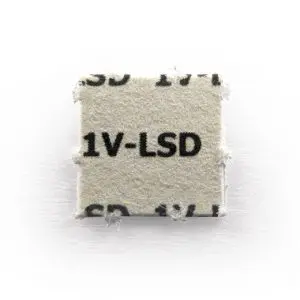
1V-LSD 150mcg Blotters
1V-LSD 150mcg Blotters From 22.00
(143)
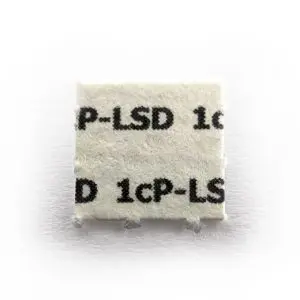
1cP-LSD 100mcg Blotters
1cP-LSD 100mcg Blotters From 18.00
(137)
Tryptamine Mix and Match Pack (4 x 0.1g)
Tryptamine Mix and Match Pack (4 x 0.1g) 65.00
(1)
1V-LSD 10mcg Micro Pellets
1V-LSD 10mcg Micro Pellets From 15.00
(43)
2-FDCK HCL
2-FDCK HCL From 12.00
(82)
1V-LSD 225mcg Art Design Blotters
1V-LSD 225mcg Art Design Blotters From 35.00
(62)
1S-LSD 150mcg Blotters
1S-LSD 150mcg Blotters From 29.00
(16)
1cP-LSD 150mcg Art Design Blotters
1cP-LSD 150mcg Art Design Blotters From 25.00
(74)
1V-LSD 225mcg Pellets
1V-LSD 225mcg Pellets From 35.00
(26)
1D-LSD 225mcg Pellets (1T-LSD)

SALE! -15%

1D-LSD 225mcg Pellets (1T-LSD) From Original price was: €42.00.Current price is: €35.70.
(13)
1cP-LSD 10mcg Micro Pellets
1cP-LSD 10mcg Micro Pellets From 15.00
(23)
5-MeO-DMT Freebase
5-MeO-DMT Freebase From 23.95
(36)
O-PCE HCL
O-PCE HCL From 17.50
(25)
1cP-LSD 20mcg Micro Blotters
1cP-LSD 20mcg Micro Blotters From 18.00
(27)
4-HO-MET Fumarate
4-HO-MET Fumarate From 19.50
(26)
rewards-icon
popup-logo

Reward program

popup-close
  • Earn
  • Affiliates