Welcome to
Chemical Collective

Are you 18 or older?

Please confirm that your are 18 years of age or older.

You are not allowed to access the page.

info-icon €100 for domestic (NL, CZ, DE) €125 for the rest of the EU, excluding stealth shipping

Free shipping over €50 & free tracked shipping over €100

Friendly customer service available 9-5pm Monday to Friday

Free shipping over €50 & free tracked shipping over €100

Friendly customer service available 9-5pm Monday to Friday

Your cart is empty

On Cultural Appropriation in the Psychedelic Community

emily-mullins

By Emily Mullins

shutterstock 2516302991
in this article
  • The Roots of Psychedelic Practices
  • Spiritual Modernization
  • The Consequences of Cultural Appropriation
  • Moving Forward: Cultural Appreciation
emily-mullins

By Emily Mullins

Disclaimer: The views and opinions expressed in this article are those of the authors and do not necessarily reflect the official policy or position of the Chemical Collective or any associated parties.

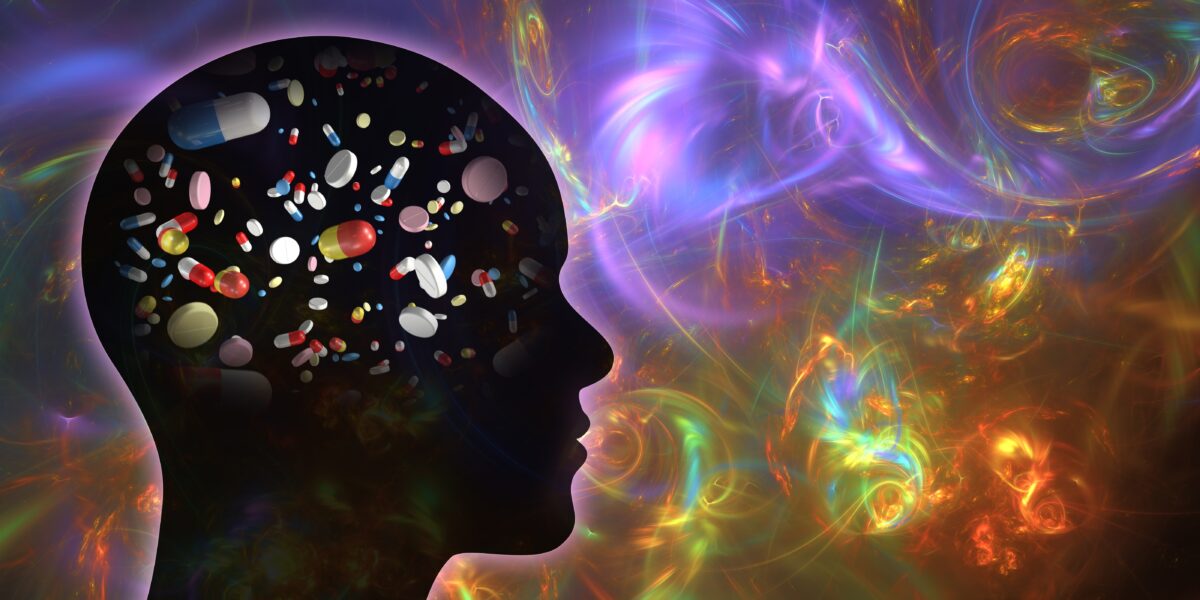
Psychedelics are highly potent tools for inner work – so powerful that we still don’t fully understand how they work. Do they lift the veil between this world and the spirit world? Do they create new neural networks in our brains that allow us to access our inner psyches more deeply? Maybe it’s one of these, maybe it’s something else entirely. 

As the psychedelic renaissance continues to spread across the globe, we’ve witnessed the rise of trends including microdosing, psilocybin treatment centers, and ayahuasca retreats. Psychedelics are rapidly gaining widespread acceptance, and the American industry alone has the potential to reach nearly $7 billion in revenue in 2027

While psychedelics now have the reach to impact countless lives, this newfound popularity has raised eyebrows about the ethical ramifications of using ancient plant medicines without ties to indigenous cultures. How do we determine which practices are open to non-indigenous people and which ones aren’t? More importantly, where is the line between healing and harm? 

The Roots of Psychedelic Practices

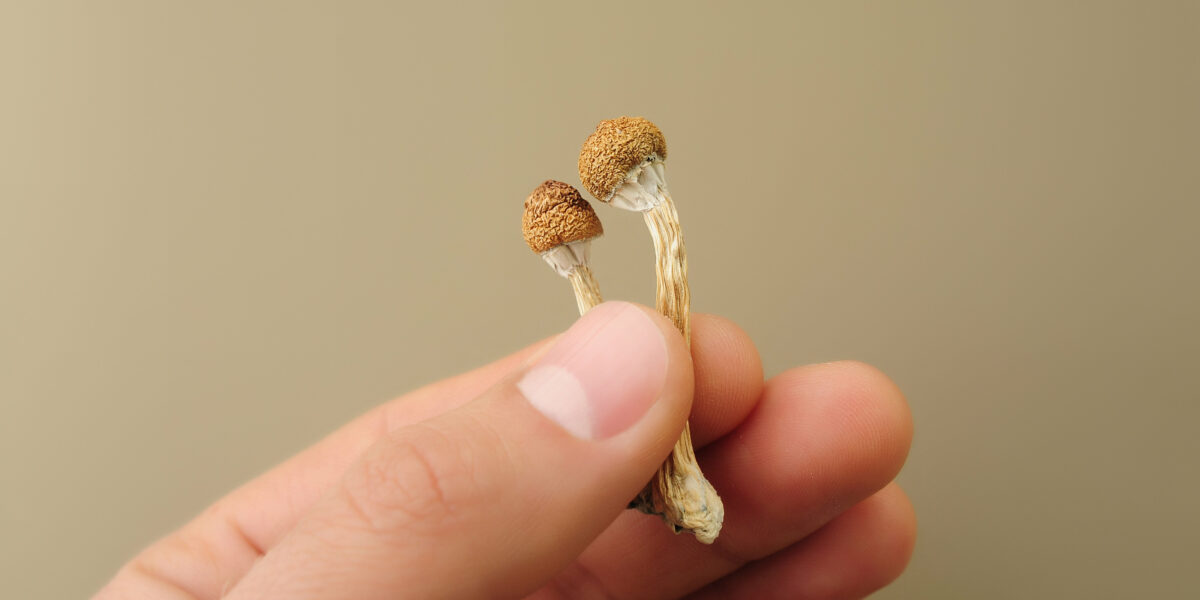
The use of psychedelic plant medicines such as peyote, mescaline, ayahuasca, and psilocybin (magic mushrooms) dates back tens of thousands of years in indigenous groups on nearly every continent. These plants were often used in communal ceremonies, but they also had their place in the everyday rhythms of tribal cultures. 

Plant medicines were used for a variety of reasons: to build community, facilitate end-of-life care, connect with the earth, conduct sacred rituals, or communicate with ancestors and spiritual guides. In the Amazon, ayahuasca brews were essential to shamanic traditions, while in Mesoamerica, mushrooms were used by priests and healers to access divine visions.

Historians have gleaned much about the traditions of lost societies, like the Aztecs and the Maya, from ancient art. It’s clear that these substances have long been a part of human spirituality. But some indigenous civilizations are still around – and psychedelic plants remain a defining piece of their heritage. 

In the 20th century, the Native American Church formed to fight for tribal rights to ceremonial peyote use under U.S. law. They won their case, allowing them to reclaim part of their heritage and continue an ancient sacred art. 

Similar traditions persist worldwide. In Africa, the Bwiti religion continues to incorporate the iboga root into initiation and healing ceremonies. In the Americas, Mazatec, Huichol, and Shipibo-Conibo communities still use mushrooms, cactus plants, and ayahuasca as tools for healing and divination. 

These practices survived thousands of years and through colonization, despite the efforts of settlers, and eventually created the new “psychedelic renaissance.” However, although hallucinogens are now used by people from every walk of life, there’s no denying that their deep, storied history is tied to just a few key cultures. 

Spiritual Modernization

Throughout the last few centuries of technological innovation, psychedelics were relatively dormant in Western culture. Most drug use was focused on other substances, such as alcohol, opium, cannabis, or morphine. 

It wasn’t until the 20th century that hallucinogens began to pique the interest of modern society. Albert Hofmann notably synthesized LSD in 1943, while plant researchers R. Gordon Wasson and Roger Heim first stumbled upon Mexican magic mushroom ceremonies in the 1950s. By the 1960s, these substances had taken root in music, movies, books, and art, inspiring a global counterculture movement that permanently marked Western society. 

Although psychedelic use died down somewhat after the 1970s, it has come roaring back in the last decade. California’s start-up tech culture birthed the microdosing boom – now, you too can experience it by attending retreats catered to the wealthy. Meanwhile, explosive ketamine research has led to widespread ketamine clinics, which will treat your depression, anxiety, or PTSD. Even mushrooms, DMT, and MDMA are being explored for potential therapeutic use, and some American states have already decriminalized certain psychedelic plants. 

The psychedelic renaissance has been branded as a new tool for wellness and healing, a way to access innovative new medicines without the involvement of pharmaceutical corporations. It’s holistic, healthier, and cheaper, and the stories from people who have tried them are life-altering. 

Unfortunately, this rapid development has come at a high cost. 

The Consequences of Cultural Appropriation

For every person who tries mushrooms at a treatment center, there’s another who ends up in a poorly run mockery of a psilocybin ceremony. False shamans have mass-marketed ayahuasca retreats, where they not only take business from the indigenous people who have inherited these practices but also cause untoward spiritual harm to patrons. Peyote is now a vulnerable species due to over-harvesting.

Furthermore, many psychedelics have now been far removed from their deeply spiritual context. What was once a highly sacred, interconnected act is now promoted as a way to work more efficiently or line the pockets of pharmaceutical companies. 

Those of us born and raised in Western cultures simply can’t access the generational knowledge on these plants possessed by indigenous cultures. And while that’s not to say we shouldn’t do them, it does mean we should approach them with more reverence, appreciation, and respect. Failing to do so has already led to missteps that are only becoming harder to rectify. 

Indigenous people have been largely left in the dust in psychedelic spaces. They are missing from conferences, retreats, studies, therapy centers, and – most notably – the profits from this booming industry. They have to fight harder for their right to practice their traditions, and they are at a higher risk of cartel violence due to their access to coveted plants. 

There’s a stark disconnect between indigenous and Western perspectives of psychedelic use, as well. Indigenous cultures viewed plant medicines as a way to deepen ties to the community and planet, in societies that were free of capitalism and materialism. They had “shamans,” or guides, who trained their entire lives to facilitate such experiences and help other tribe members integrate them into their lives. 

At its core, indigenous psychedelic practice is rooted in community, ecology, ancestry, and tradition.

In Western society, however, psychedelic use tends to be very individualistic. We may indulge as a way to fix ourselves, but we lack the shared communal encounters. We typically take them on our own or with a few friends, who likely don’t have much more knowledge on these substances than we do. It can make trying them confusing, or worse, frightening and harmful. Even mushroom therapy facilitators in the United States only have a couple of years of training (which comes with a very Western point of view) before getting licensed to oversee patient use. 

Indigenous researcher Yuria Celidwen spoke on the subject to the BBC last year, stating

It’s not the molecule itself, it is the larger constellation of relationships that are created that brings the healing. In the West, we often observe a peak of well-being right after the initial exposure to the medicine, but it isn’t sustained because there is no collective context to the hallucinogenic experience. And because of that, you just risk creating another addiction because people keep going back to get the same sense of magic or wonder.

That sense of magic, as life-changing as it can be, can have vast impacts on the human soul. Indigenous people have already mastered it – and Western civilization is playing catch-up. Jules Evans, who runs the Challenging Psychedelic Experiences Project, notes:

Some indigenous American tribes have been using psychedelic plants for centuries. They have maps, guides, a deep familiarity with altered states of consciousness. Secular people, on the whole, do not. As a result, people can be bewildered by the experience and confused as to how to integrate it into a materialistic worldview. This existential confusion can last months or years, and the person who comes out on the other side may be very different to the person before.


Moving Forward: Cultural Appreciation

Fixing this myriad of complicated cultural, corporate, and religious perspectives on psychedelics is a layered and complex issue, but there are steps we can take to make progress. 

Indigenous people from various groups have begun coming together to share their deep expertise on the subject, creating peer-reviewed guidelines for modern psychedelic researchers. This alone will hopefully influence the future of these studies, making the field more equitable and more healing. 

Those of us living in Western societies also have power. We can vote for those who will expand the legality and availability of psychedelics, for both native tribal use and for modern-day people who want to try them. We can push for the inclusion of indigenous people and perspectives in medicine and research. We can speak out for the protection of sacred plants and people. And, while it’s undoubtedly an uphill battle, we can fight for the rights of indigenous people to receive their fair share of financial restitution. 
Anyone who has tried psychedelics knows they have the power to change the world in a real, tangible way – but it’s not going to work unless we include the voices of those who have walked hand in hand with these plants for thousands of years. They can, and should, be at the forefront of this movement. Without them, we will fail to use hallucinogens to their utmost potential. 

Moving forward with humility, respect, and collaboration may be the clearest path toward a psychedelic future that heals not just individual people, but our planet as a whole. 

Emily Mullins | Community Blogger at Chemical Collective

Emily is one of our community bloggers here at Chemical Collective. If you’re interested in joining our blogging team and getting paid to write about subjects you’re passionate about, please reach out to Sam via email at samwoolfe@gmail.com

share your toughts

Join the Conversation.

0 Comments
Inline Feedbacks
View all comments

Related articles

Our Products

Related Products

1V-LSD 150mcg Blotters
1V-LSD 150mcg Blotters From 22.00
(143)
1cP-LSD 100mcg Blotters
1cP-LSD 100mcg Blotters From 18.00
(137)
Tryptamine Mix and Match Pack (4 x 0.1g)
Tryptamine Mix and Match Pack (4 x 0.1g) 65.00
(1)
1V-LSD 10mcg Micro Pellets
1V-LSD 10mcg Micro Pellets From 15.00
(43)
2-FDCK HCL
2-FDCK HCL From 12.00
(82)
1V-LSD 225mcg Art Design Blotters
1V-LSD 225mcg Art Design Blotters From 35.00
(62)
1S-LSD 150mcg Blotters
1S-LSD 150mcg Blotters From 29.00
(16)
1cP-LSD 150mcg Art Design Blotters
1cP-LSD 150mcg Art Design Blotters From 25.00
(74)
1V-LSD 225mcg Pellets
1V-LSD 225mcg Pellets From 35.00
(26)
1D-LSD 225mcg Pellets (1T-LSD)

SALE! -15%

1D-LSD 225mcg Pellets (1T-LSD) From Original price was: €42.00.Current price is: €35.70.
(13)
1cP-LSD 10mcg Micro Pellets
1cP-LSD 10mcg Micro Pellets From 15.00
(23)
5-MeO-DMT Freebase
5-MeO-DMT Freebase From 23.95
(36)
O-PCE HCL
O-PCE HCL From 17.50
(25)
1cP-LSD 20mcg Micro Blotters
1cP-LSD 20mcg Micro Blotters From 18.00
(27)
4-HO-MET Fumarate
4-HO-MET Fumarate From 19.50
(26)
rewards-icon
popup-logo

Reward program

popup-close
  • Earn
  • Affiliates