Welcome to
Chemical Collective

Are you 18 or older?

Please confirm that your are 18 years of age or older.

You are not allowed to access the page.

info-icon €100 for domestic (NL, CZ, DE) €125 for the rest of the EU, excluding stealth shipping

Free shipping over €50 & free tracked shipping over €100

Friendly customer service available 9-5pm Monday to Friday

Free shipping over €50 & free tracked shipping over €100

Friendly customer service available 9-5pm Monday to Friday

Your cart is empty

Microdosing Iboga: Why People Are Taking Tiny Amounts of a Hallucinogenic Shrub

martha-allitt

By Martha Allitt

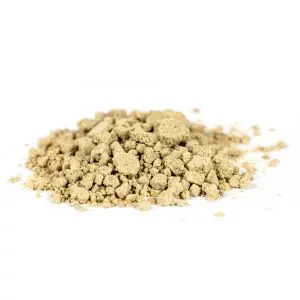
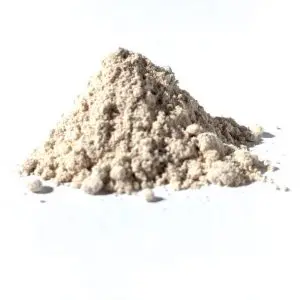
Tabernanthe iboga bark powder
in this article
  • What is Iboga?
  • Intentional Microdosing of Iboga
  • A Stimulant for Hunters and Athletes
  • Mental Clarity and Present Awareness
  • Microdosing Iboga for Addiction
  • How Does Microdosing Iboga Compare to Other Psychedelics?
  • The Potential Downsides
  • Iboga is a Sacrament, Not a Microdosing Tool
  • Should We Be Microdosing Anyway?
martha-allitt

By Martha Allitt

Disclaimer: The views and opinions expressed in this article are those of the authors and do not necessarily reflect the official policy or position of Chemical Collective or any associated parties.

The iboga shrub has been revered for centuries by spiritual communities in West Africa. Today, ibogaine – the major chemical compound in iboga – is being recognized as a breakthrough treatment for addiction.

While mostly associated with large psychoactive doses, a growing number of individuals are exploring what benefits microdosing iboga may have to offer. 

What is Iboga?

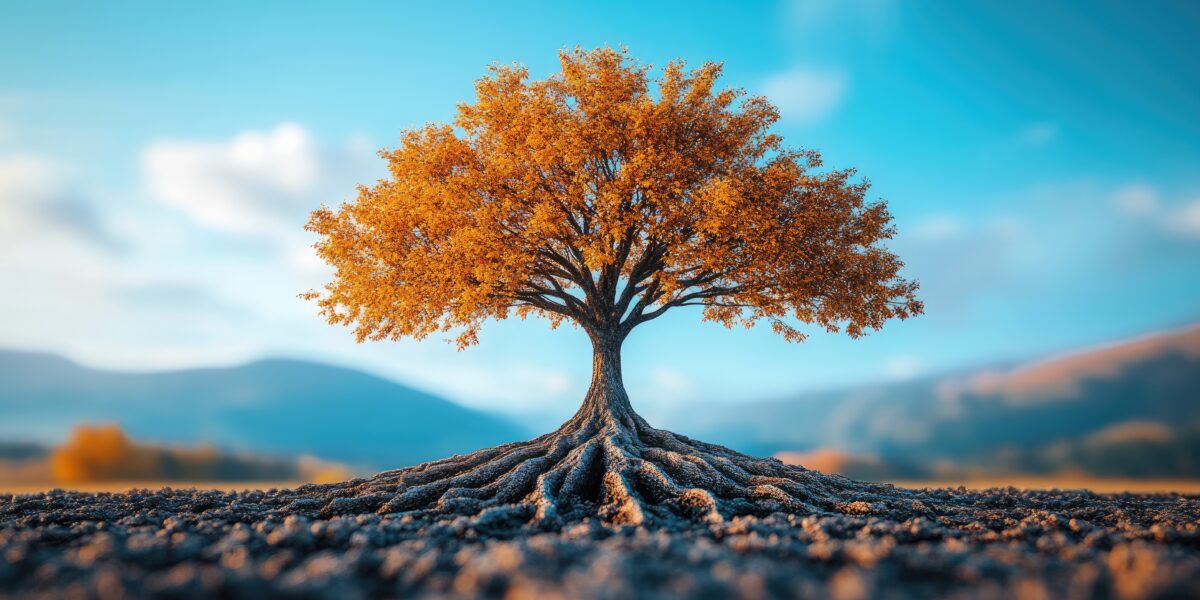
Tabernanthe iboga is an evergreen shrub native to West Africa. It has potent psychedelic properties, inducing dream-like visions and deep introspection. Bwiti, a spiritual tradition based in Gabon, has long valued iboga as a sacrament – using it for initiation and rites of passage. By connecting them to the spirit world, iboga serves as a tool for guidance, healing, and power. 

Iboga’s main psychoactive compound, ibogaine, is becoming widely recognized as a powerful mental health treatment, particularly for addiction. Its anti-addictive properties were first discovered in the 1960s, when researcher and former heroin addict Howard Lotsof found it almost eliminated his cravings and withdrawal symptoms. Dr. Jean Loftus, an ambassador for Americans for Ibogaine, explains, “[I]t’s important to understand that ibogaine is not a cure for addiction. It’s an interrupter. It interrupts acute withdrawal; it interrupts post-addiction withdrawal syndrome; and it interrupts cravings.”

A wealth of clinical and anecdotal evidence has since highlighted ibogaine’s long-lasting benefits. Studies show it could be useful for a myriad of mental health conditions and diseases, from mood disorders to Parkinson’s Disease. 

As research grows and more people become interested in iboga, numerous clinics are opening up in places where the medicine is legal. At the same time, an expanding network of healers is bringing the medicine back from Gabon and offering iboga in underground, Bwiti-style ceremonies.

Intentional Microdosing of Iboga

In a more niche trend, people are also taking small doses to help improve their well-being, energy, and cognition. This practice of microdosing is typically associated with psychedelics in the tryptamine chemical family, such as LSD and psilocybin. However, iboga – despite being in a completely different category of chemical compounds – appears to offer the same repertoire of benefits. 

Sam Oliver, an independent iboga researcher, began exploring microdosing nearly a decade ago after being given a small bag of “exceptionally clean root bark” at a psychedelic conference. He has since begun creating a documentary about iboga and its various subcultures.

“I take it first thing in the morning on an empty stomach,” said Oliver. “I mix a pinch of sea salt into warm water, drink that, and then take the iboga. The salty water seems to steady the stomach, but also marks the ritual – the body waking up, the system priming itself.”

He explained that the ritual aspect is just as important as the dose. “If I’m working with iboga, even in small amounts, I want it to be deliberate. It’s not something I chuck in with my vitamins. The salt, the water, the breath, it sets the tone. It reminds me that I’m entering a relationship, not running a biohack.”

A Stimulant for Hunters and Athletes

One of the key effects Oliver notices with iboga is a marked increase in energy and a greater sense of attunement with his body. He feels more aware of his physical sensations, as if he were “in touch with all the elements of the body,” and finds he can run for much longer. 

Oliver’s experience aligns with a purported use of small iboga doses in hunting. 

“Traditionally, extracts of iboga have been used at low doses as a stimulant to prevent fatigue, hunger, and thirst among Africans during hunting trips,” an article in the Journal of Medicinal Chemistry states. 

The statement may be an oversimplification, given the multilayered intricacies of hunting practices among followers of the Bwiti tradition and other Indigenous peoples. Yet, it’s clear people have long recognised the endurance-enhancing effects of small iboga doses. 

In fact, when ibogaine was first isolated by French chemists, it was sold as a stimulant drug with the brand name Lambarene. The drug consisted of ibogaine extracts in doses that may now be considered a microdose. It was prescribed for people with depression and asthenia (general weakness), and became popular among post-World War II athletes to improve their performance. The International Olympic Committee banned Lambarene as a potential doping agent in the late 1960s. 

Mental Clarity and Present Awareness

As well as physical benefits, microdosing iboga appears to induce a state of mental clarity and awareness.

“The main therapeutic thing for me is that it keeps me out of thought loops. There’s a wave of alertness, like I’m being pulled out of my daydreaming, or out of my thoughts,” said Johannes Walter, a civil servant. 

Walter was introduced to iboga by a friend in Kenya and has been microdosing it for several years. Like Oliver, his microdoses aren’t true microdoses, at least according to definitions in which microdosing is meant to be “subperceptual” (without a noticeable effect). Walter consumes around half a gram of raw material in the morning, which he says has subtle effects and so is more like “minidosing.”

Walter described himself as “ADHD leaning,” finding it difficult to maintain attention and constantly seeking distractions. However, when microdosing iboga, he feels he has more patience and is less easily sidetracked. 

”It’s not like I don’t get distracted, but my brain doesn’t seek out distraction as easily. I have more tolerance for situations that I’d otherwise see as boring or time-consuming.”

Unlike the tryptamines, Ibogaine blocks the reabsorption of dopamine, a chemical messenger molecule in the brain. Dopamine is responsible for feelings of pleasure, motivation, and focus, and a deficiency is thought to underlie ADHD symptoms. Microdosing ibogaine could potentially help restore this imbalance and potentiate a state of focus. 

Microdosing Iboga for Addiction

Scientists think ibogaine’s effect on dopamine is also essential for its benefits in substance abuse recovery. From a neuroscience point of view, addiction develops when the brain’s reward system gets stuck in certain patterns. Ibogaine seems to boost dopamine at first, but then it makes those reward pathways less reactive, which may help “reset” the habits that drive addictive behavior.

There’s no concrete evidence to support that small doses create the same effect. Yet several Reddit users have said microdosing iboga has helped them break addictive habits.

“When I started microdosing with iboga at the beginning of this year, that jar of Kratom that I had home at the time suddenly got less and less interesting,” wrote one user. “The urge just disappeared. The Iboga tremendously helped with cravings AND with light withdrawal symptoms. It even made me drink less coffee, I just stopped wanting it.”

However, they warned iboga wasn’t a miracle cure, and the cravings reappeared once the microdosing cycle was over.

How Does Microdosing Iboga Compare to Other Psychedelics?

In addition to dopamine, iboga works on a multitude of other protein receptors in the brain. It activates a wide variety of chemical pathways, in contrast to the tryptamines, which have effects explained mainly by their action at the 5-HT2A receptor. 

These distinct mechanisms help explain why microdosing iboga feels different from other psychedelics. People typically describe the experience of microdosing iboga as more grounded, focused, and less emotionally gripping.  

“With things like mushrooms or LSD, even at very small amounts, one can get pulled so deeply into whatever emotional state is present that it becomes overwhelming rather than clarifying. It’s like you’re dropped inside the weather and the emotions are happening to you with very little distance. You can lose perspective because you’re so immersed,” said Oliver. 

“Iboga is almost the opposite. It gives you this vantage point over a much wider emotional landscape. You can see all the different weather systems grief over here, anxiety over there, a bit of joy rolling in from somewhere else and you can watch how they move across you. You’re not dissociated, like with ketamine, but you’re not swallowed by it either. There’s space. You know you can step into a feeling if you need to and step back out again with far more ease.”

Another Reddit user similarly described this sense of being able to watch their thoughts and emotions with oversight. They wrote, “Iboga opens the heart, stabilizes and somewhat ‘rationalizes’ thought processes so you can safely detach from them.” 

The Potential Downsides

Despite the myriad potential benefits, microdosing iboga is not without downsides. 

People have reported feeling both more angry and anxious after microdosing iboga, especially when combined with caffeine. And while it can be stimulating for some, others have reported that microdosing makes them feel lethargic and sleepy. 

Johanis described having somewhat of a “come-down” the day after microdosing. He said, “I sometimes feel a bit slow, maybe a bit cranky. In the sense that I think sometimes it takes a bit longer for everything to unfold. Coffee doesn’t quite do the job it normally does.”

A perhaps more crucial consideration is the cardiotoxic effects of iboga. Ibogaine interferes with the heart’s electrical signalling, triggering rapid and irregular heartbeats that can be fatal. 

While smaller doses may carry less risk, one microdoser reported a concerning tightness in the chest that happened when microdosing iboga. Health experts strongly warn against using iboga along with any medication that affects the heart. 

Iboga is a Sacrament, Not a Microdosing Tool

Regardless of any clinical risks, some people think iboga shouldn’t be microdosed at all because it’s a sacred medicine.

“Iboga (the medicine) and Bwiti (the tradition) are inseparable, so it’s not something I’d ever casually suggest or treat like a simple microdosing protocol,” said Carlotta Arsuro.

Arsuro is an event coordinator for the UK Psychedelic Society and founder of Carlotta PR. She took iboga for the first time at a retreat centre in Portugal and has since visited Gabon to do a full Bwiti initiation.

“Iboga is sacred with deep roots in Gabon, and the first time you work with it, it’s important to connect with the spirit of the medicine within the proper context and with respect for the Bwiti lineage that holds it.”

Darren LeBaron, an educator and independent researcher, holds a similar perspective. He highlighted how iboga and Bwiti are inseparable. 

“Culturally, there is no such thing as iboga microdosing. There is no such thing even as an iboga ceremony,” he said. “Bwiti is part of a rich tradition with many rituals, of which iboga is a part, but it is not the whole thing.”

LaBaron believes that the real power of iboga is not revealed through its isolated effects, but rather, the whole container of Bwiti beliefs and rituals. 

“We’re using these technologies for medicine, but they’re not medicines, they’re tools for communicating with the ancestors,” he said. “In the Western world, we have a missing relationship to the ancestors and to the spirit world, and this lost connection is what’s causing disease. While microdosing can patch up symptoms, it doesn’t address the root cause of what’s causing suffering in the first place.”

Should We Be Microdosing Anyway?

LeBaron described the whole microdosing trend, whether with iboga or other psychedelics, as a continuation of our “pill popping culture.” 

“Although there are benefits of microdosing psychedelics, increasing neuroplasticity, and such, the evidence isn’t certain. What we do know, however, is that psychedelics can send you on a deep dive journey into the underworld. And these deep dives can be incredibly powerful.”

However, Labaron also noted that Western culture is afraid of the underworld, so microdosing is an “easy sell.”

High-dose psychedelic experiences can be deeply transformative, often reshaping how people see themselves and the world around them. After high doses of iboga, people typically feel more connected to nature, experience the aliveness of the universe, and feel a renewed sense of spirituality.

While these metaphysical threads fit within the culture of Gabon, they clash with the predominantly materialistic values of the West. Such a mismatch can leave people feeling disconnected from their homes, families, and social circles.

Microdosing offers a gentler approach. While it may not address what LeBaron noted as the root of suffering, perhaps it’s the necessary approach to engage with psychedelics. At least, if one wishes to remain in the ease of their current worldview.

Martha Allitt | Community Blogger at Chemical Collective

Martha is one of our community bloggers here at Chemical Collective. If you’re interested in joining our blogging team and getting paid to write about subjects you’re passionate about, please reach out to Sam via email at samwoolfe@gmail.com


share your toughts

Join the Conversation.

0 Comments
Inline Feedbacks
View all comments

Related articles

Our Products

Related Products

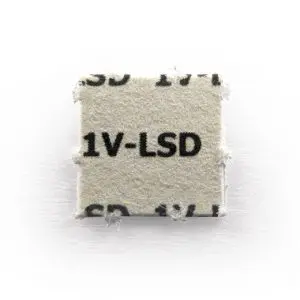
1V-LSD 150mcg Blotters

SALE! -35%

1V-LSD 150mcg Blotters From Original price was: €22.00.Current price is: €14.30.
(143)
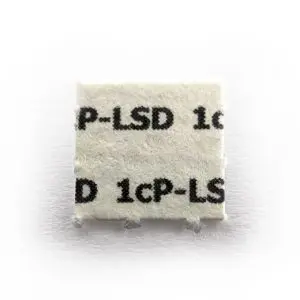
1cP-LSD 100mcg Blotters
1cP-LSD 100mcg Blotters From 18.00
(137)
Tryptamine Mix and Match Pack (4 x 0.1g)
Tryptamine Mix and Match Pack (4 x 0.1g) 65.00
(1)
1V-LSD 10mcg Micro Pellets

SALE! -35%

1V-LSD 10mcg Micro Pellets From Original price was: €15.00.Current price is: €9.75.
(43)
2-FDCK HCL
2-FDCK HCL From 12.00
(82)
1V-LSD 225mcg Art Design Blotters

SALE! -35%

1V-LSD 225mcg Art Design Blotters From Original price was: €35.00.Current price is: €22.75.
(62)
1S-LSD 150mcg Blotters
1S-LSD 150mcg Blotters From 29.00
(16)
1cP-LSD 150mcg Art Design Blotters
1cP-LSD 150mcg Art Design Blotters From 25.00
(74)
1V-LSD 225mcg Pellets

SALE! -35%

1V-LSD 225mcg Pellets From Original price was: €35.00.Current price is: €22.75.
(26)
1D-LSD 225mcg Pellets (1T-LSD)

SALE! -15%

1D-LSD 225mcg Pellets (1T-LSD) From Original price was: €42.00.Current price is: €35.70.
(13)
1cP-LSD 10mcg Micro Pellets
1cP-LSD 10mcg Micro Pellets From 15.00
(23)
5-MeO-DMT Freebase

SALE! -35%

5-MeO-DMT Freebase From Original price was: €23.95.Current price is: €15.57.
(36)
1S-LSD 10mcg Micro Pellets
1S-LSD 10mcg Micro Pellets From 20.00
(3)
O-PCE HCL

SALE! -25%

O-PCE HCL From Original price was: €17.50.Current price is: €13.13.
(25)
1cP-LSD 20mcg Micro Blotters
1cP-LSD 20mcg Micro Blotters From 18.00
(27)
rewards-icon
popup-logo

Reward program

popup-close
  • Earn
  • Affiliates