in this article
- Captagon
- Khat and Hashish
- Hidden Psychoactive Plants
- Psychedelic Science and Perpetual Conflict
- Final Thoughts
Are you 18 or older?
Please confirm that your are 18 years of age or older.
You are not allowed to access the page.
Disclaimer: The views and opinions expressed in this article are those of the authors and do not necessarily reflect the official policy or position of the Chemical Collective or any associated parties.
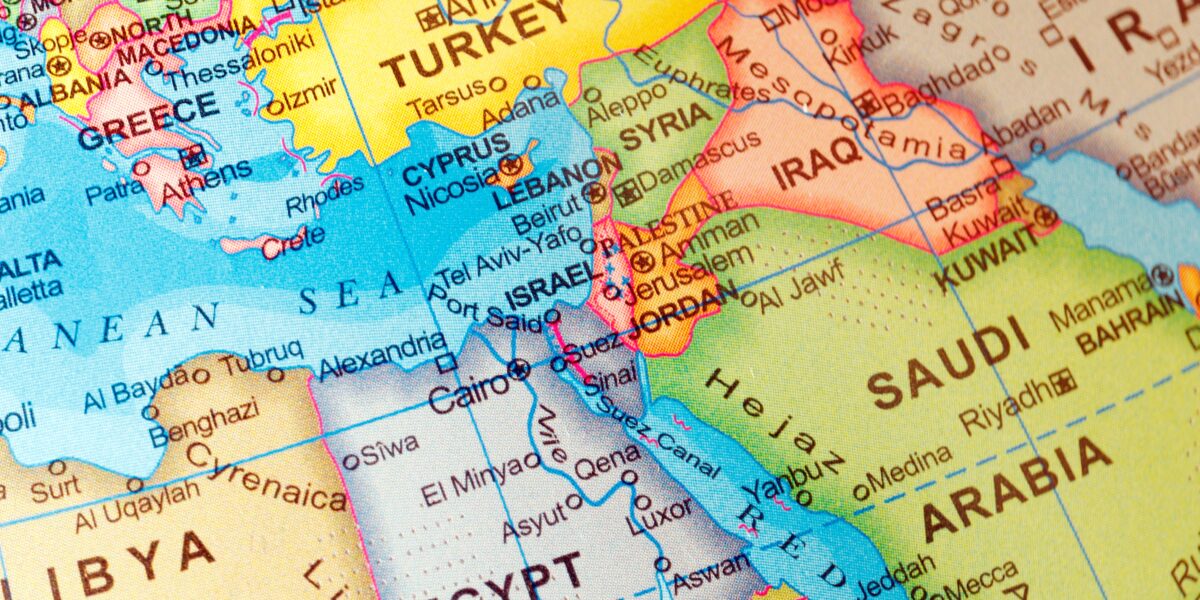
To understand the psychoactive landscape of the region commonly known as the “Middle East,” we must first dismantle the name itself. The term is not an indigenous identifier; it has no scientific basis, it is a geopolitical invention and an artefact of colonialism.
“Middle East” was coined in the September 1902 issue of London’s monthly “National Review” by the American naval strategist, anglophile and lecturer, Alfred Thayer Mahan. The term was further popularised by British journalist Valentine Chirol. Its purpose was not designed to describe a culture, but rather to simply designate a region of strategic importance between the Suez Canal and India. It was defined solely by its utility to the British Empire. This act of naming by an outside power is critical to understand, because the region’s relationship with psychoactive substances has been similarly defined by external forces. The imposition of colonial borders, the importation of Western drug classifications on top of existing, ancient religious rules and traditions, is unsurprisingly awkward and confusing.
For centuries, the region operated on the easy, efficient movement of goods across tribal lands. The Bedouin routes, which transported spices and incense, also transported khat and hashish. At this time, these were not “illegal drugs” in modern parlance, but rather simple trade commodities and social intoxicants. The Sykes-Picot Agreement, 1916, a private agreement between Paris and London, effectively drew the borders of what came to be defined as “the Middle East”.
This immediately, overnight, redefined traders and travelling merchants as “smugglers”. What had simply been the transport of goods suddenly became “trafficking”. This is the original, defining later of the region’s subsequent drug policy – the criminalisation of geography itself.
The second layer of this is a kind of double prohibition – two conflicting legal frameworks that don’t really align.
The first is “Fiqh”, Islamic, religious law. This prohibits “khamr” – intoxicants – specifically alcohol, based directly on scripture from the Quran. However, historical scholars debate the status of other intoxicants and psychoactive substances, like khat and hashish. There was often tolerance of psychoactive use, though this is believed to have varied somewhat from place to place, with differing religious sects interpreting the text differently.
Next is the rigid statutory penal code imported by European colonial powers in the 20th century. The French Mandate in Lebanon, for example, attempted to ban cannabis cultivation in the 1920s to align with the League of Nations treaties. This obviously directly conflicted with the centuries-long established economy of the region.
This collision of ideals and exercise of external control has created an extremely prohibitive legal environment. Modern nation-states throughout the Middle East enforce some of the harshest penalties in the world for even drug possession. The death penalty is often enforced – seemingly at an alarmingly increasing rate, and justified by the rhetoric of the Western “War on Drugs”. Yet, the state also relies on the moral authority of religion to maintain this enforcement. This means that drug use is not just a crime, it is also a sin, a violation against God.
The Western narrative of drug use throughout the region is tainted by persisting myths. One still often cited is the legend of the Hashshashin, a medieval sect that was allegedly drugged with hashish to carry out political murders. I don’t know about you, but the idea of a heavily stoned assassin doesn’t seem hugely plausible, physiologically… Regardless, the likely fabrication persists, and thus the trope of drug-fuelled fanaticism persists alongside it. This has, of course, become further embellished in the modern narrative of the “Jihadist drug”, which actively obscures the reality of why the region has become flooded with amphetamines.
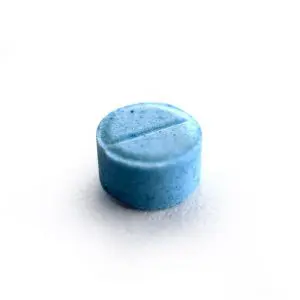
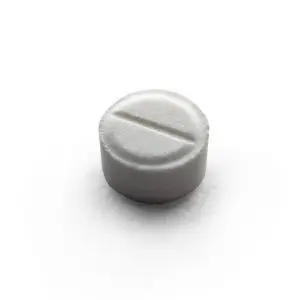
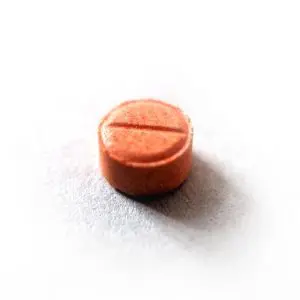
If the colonial borders defined the region’s geography, the current era of intense geopolitical fracture is defined by a specific molecule: Fenethylline – better known by its brand name Captagon. The global media frequently sensationalises it as the “Jihadist drug”, framing it (as with the Hashshashin of the past) as a substance which itself induces a bloodthirsty madness – often in the context of ISIS fighters, for example. Shock of all shocks, the reality is dramatically more nuanced. It is a substance seemingly perfectly engineered for a region defined by fracture, and the relentless pressure to perform under situations of extreme duress.
Fenethylline was first synthesised in 1961 by the German pharmaceutical company Degussa. It links an amphetamine molecule to a theophylline molecule (a mild stimulant found in tea, used to treat respiratory conditions). The body is unable to absorb fenethylline directly; rather, it metabolises the substance, breaking it down so the two attached drugs are released separately. This alters the effects of traditional amphetamine, making it even longer lasting and less jittery, with added respiratory effects. It was initially prescribed for ADHD, narcolepsy, and depression.
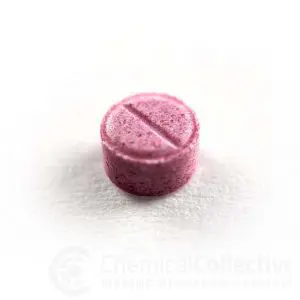
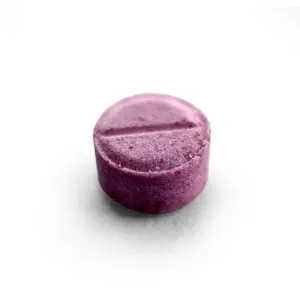
The drug’s migration from German pharmacies to the battlefields of Syria is a vivid example of the “balloon effect” of prohibition. Simply put, the analogy is that if you squeeze a balloon, you displace air, which bulges out elsewhere. Following the global scheduling of fenethylline in the 1980s, stockpiles of the drug moved through Eastern Europe to the Balkans, and eventually to Turkey. When the Syrian Civil War erupted in 2011, the country’s existing pharmaceutical infrastructure was perfect for illicit mass production. This allowed Syria to quickly transform into a “bigger drug dealer than Mexico’s cartels”. However, analysis of the mass-produced Captagon now rarely contains pure fenethylline. The substance has evolved into a messy cocktail of amphetamine, caffeine, quinine, and paracetamol – this is not a clean pharmaceutical; it is raw, cheap stimulation.
In the context of combat, Captagon (obviously) is in no way used to induce crazed hallucinations or religious fervour. It is simply a tool. It suppresses sleep and dulls the psychological stress of violence. It is the fuel of relentless conflict, pushing the limits of the human body in situations of repetitive, intense stress.
However, (and another sign of the nonsense of the Western interpretation of the substance’s use), the primary consumer of Captagon is not fighters, but civilians. Particularly in Saudi Arabia, a culture in which alcohol is strictly prohibited, amphetamines offer a hidden means of intoxication. It has infiltrated every level of society, less of a recreational vice, more as an aid for both productivity and coping. The pills cost next to nothing to produce in the ruins of Syria, and sell for up to $20 per pill in Riyadh. This trade generates $57 billion annually, which dwarfs the legal GDP of Syria. It’s a vicious cycle. The sale of a stimulant, which is popular due to the fractured political landscape, is, in fact, actively funding, on a massive scale, the continued destabilisation of the region.
While Captagon represents the grim pharmacology of conflict, two ancient, plant-based substances continue to provide some historically rooted social glue. Defying both the Western categorisation of “drugs” and widespread prohibition, Khat in Yemen and Hashish in Lebanon are not substances consumed in the shadows. They are socially accepted, open secrets – cultural institutions, which have outlasted any attempts to eradicate their use.
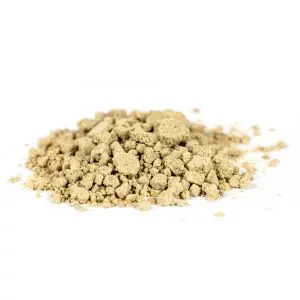
Khat (Catha edulis) is a native shrub which contains cathinone, a stimulant somewhat similar to amphetamine but far milder. It produces a state of relaxed mental clarity. In Yemen, it is a vital social binder. Unlike the often solitary consumption of Western stimulants, Khat is a communal substance. Chewing the leaves of the plant is often the backdrop for social events, business discussions, and conflict mediation. It is considered more of a necessity than a vice.
However, this cultural importance comes with a worrying ecological cost. Yemen is one of the most water-scarce nations on earth, yet up to 30% of the country’s water supply is assigned to the irrigation of Khat fields. The crop is so economically dominant and provides a reliable daily income, more so than food crops, that it has actively cannibalised the country’s food security as a whole. The “addiction” to the substance is not just chemical, it is structural – societal. The state is unable to control Khat use because the state relies on Khat use to function. This is the brutal reality of a fractured nation – very much similar to Captagon in Syria, just on a less pharmaceutical, more agricultural scale.
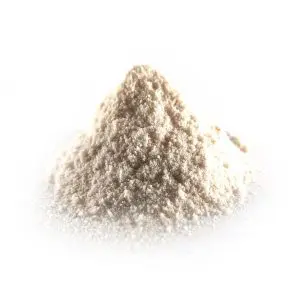
A similarly defiant culture of cultivation exists in the Bekaa Valley, Lebanon – the historic heartland of global hashish production. For centuries, the various clans of the region have cultivated cannabis, producing the legendary “Red Lebanese” hash, known for its potency as well as its hue. During the Ottoman era and the period of the French Mandate, attempts to suppress this widespread cultivation were met with severe force; this pattern persists into the modern day.
The relationship between the cannabis farmers and the Lebanese state is cyclical, defined by performative conflict and tacit acceptance. Every few years, international pressure pushes the government to instigate a crackdown, bulldozing fields, displacing families. While this, of course, has a terrible impact on some individuals, these operations are often mostly theatrical, leaving much intact while appearing to be fully destructive. The reason for this, like Khat in Yemen, is economic. In a country experiencing one of the worst financial collapses in modern history, hashish is one of the few reliable sources of income.
The cannabis plant is drought-resistant, requires less fertiliser than legal crops, and, crucially, has a guaranteed export market. In the absence of a functional state, therefore, the crop provides a necessary social safety net. So, hashish remains technically illegal, but grows at roadsides, protected by the people the state relies on for its delicate political stability.
Beneath the brutal geopolitics and social economy of khat and hashish is a mass of under-the-radar psychoactives. The landscapes of East Asia and North Africa are teeming with incredibly powerful psychoactive plants which hide in plain sight. These are not protected by cartels but by their sheer ubiquity. While the Amazonian Ayahuasca brew has achieved global fame, the region defined as the Middle East has analogous substances in abundance. The chemical precursors for a near-identical experience (DMT and MAOIs to make it orally active) are frankly rife.
The most significant of these substances is Syrian Rue (Peganum harmala). To the uninitiated, it is a scrubby weed which thrives in salt-rich soils; to the local populace, particularly in Iran, Iraq, and Syria, it is a staple. However, this is largely due to spiritual practices involving protection, as opposed to psychedelic exploration. The seeds of Syrian Rue are burned, releasing a thick, fragrant smoke believed to ward off the “Evil Eye”.
Chemically, however, Syrian Rue is extremely powerful, containing the sample alkaloids as the “Spirit Vine” of the Amazon (Banisteriopsis caapi) – harmine and harmaline. These compounds are MAOIs (monoamine oxidase inhibitors), which suppress enzymes in the gut which break down certain neurotransmitters. Burning the substance, as in traditional use in the region, produces trace amounts of psychoactives; ingesting higher doses will induce a sedative, psychedelic state.
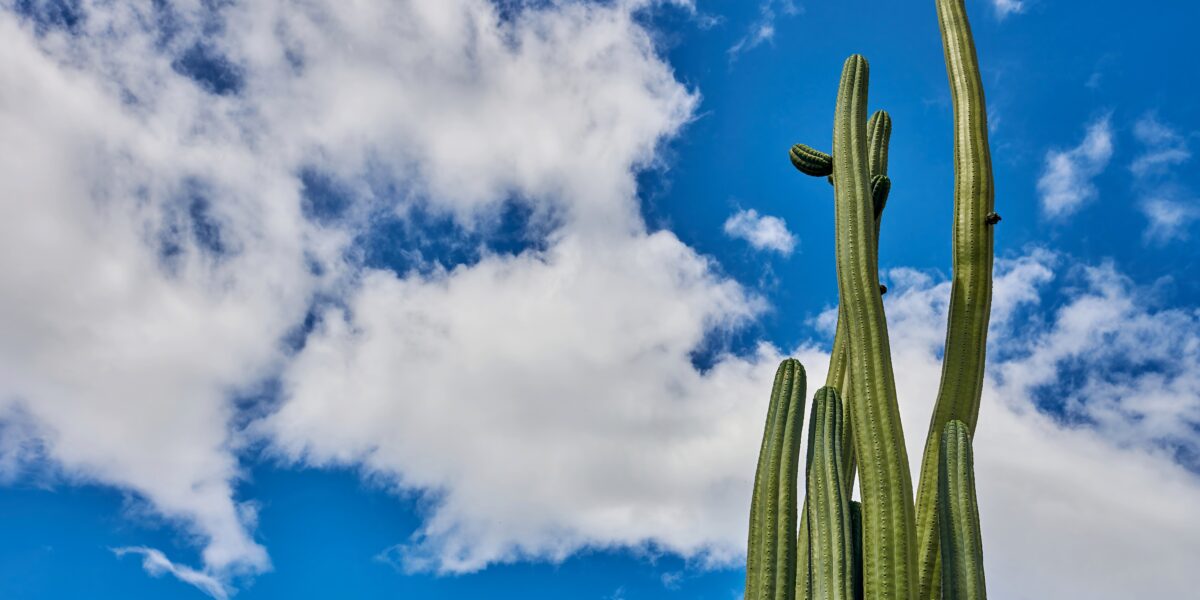
While they are traditionally used simply as a source of timber, several species of the Acacia Tree (Faidherbia albida), the iconic silhouette of the desert horizon, contain significant amounts of DMT. This is inactive orally, but it grows alongside Syrian Rue, so the ingredients for a psychoactive brew nearly identical to Ayahuasca are right there, seemingly unused.
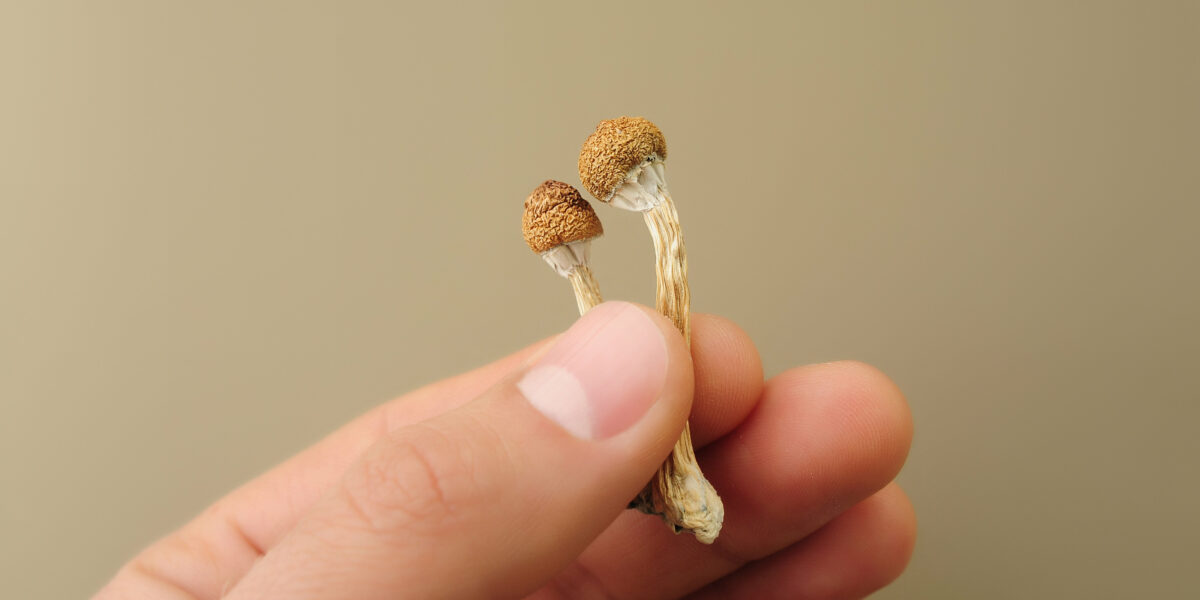
There is virtually no indigenous tradition of combining these plants; modern, underground psychonauts are beginning to explore their potential. Users harvest the legal, wild-growing plants to bypass the strict prohibition of synthetic substances like LSD. The plants are too common to ban, and when a gram of imported LSD could result in the death penalty, with more available knowledge and the onset of psychedelic tourism, their use is likely to increase, regardless of their perceived legality or acceptance.
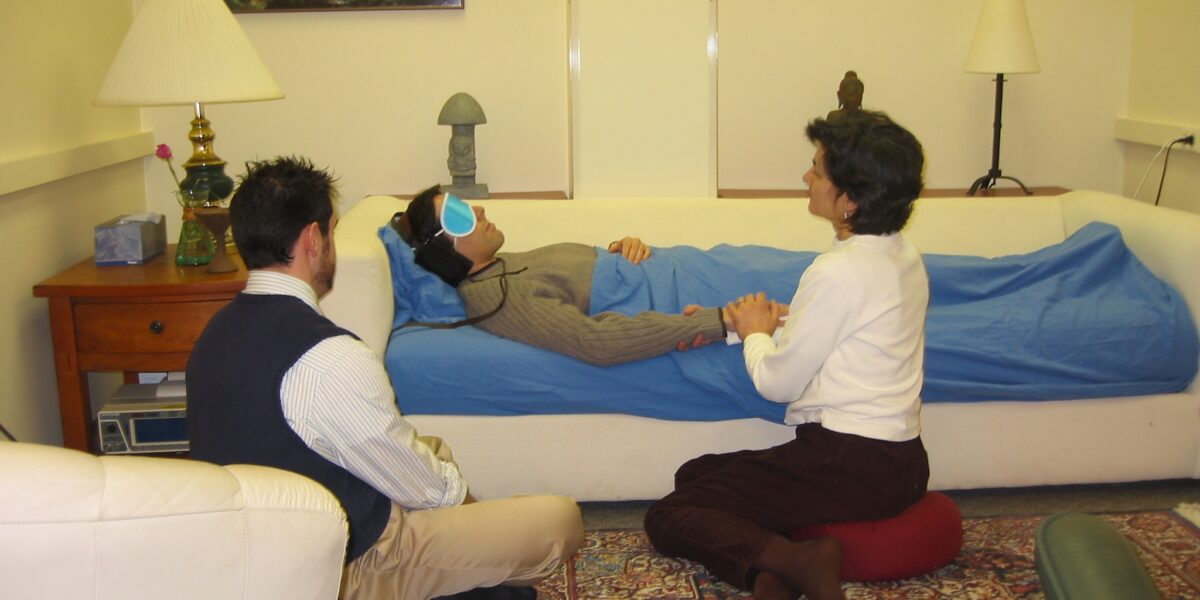
In a region where possession of some psychoactive substances can result in the death penalty, where addiction is often framed as a moral failing or a sin, yet another paradox exists. The exact same geographical zone is also home to some of the most advanced clinical research into psychedelic medicine. Israel stands in stark contrast to its neighbours, operating a drug policy which is far more lenient and progressive. While much of the region resorts to stimulants to numb and endure conflict, Israel is pioneering the use of psychedelics to heal the trauma caused by the very same conflict.
This science-first approach is built upon the legacy of Raphael Mechoulam, described as the “father of cannabis research”. In 1964, he was the first chemist to isolate Delta-9-tetrahydrocannabinol (THC), the main psychoactive component of cannabis. His work, in fact, led to the discovery of the endocannabinoid system in the human body. This stripped the “drug” cannabis of its social stigma, reframing it as a serious subject of medical importance. This established a precedent for the academic and medical establishment – if a molecule has therapeutic value, its legal status is secondary to this.
This has made Israel the global centre for MDMA-assisted psychotherapy research. Unlike in the West, where research has largely faced decades of bureaucracy and legal obstruction, Israel has opted for a uniquely proactive stance. They were the first country to allow the use of MDMA to combat Post-Traumatic Stress Disorder (PTSD), outside of clinical trials. However, this has not been driven by “wellness culture” but rather national security.
Israel exists in a state of persistent, often high-intensity conflict. The politics of this aside, this means that PTSD is not a niche ailment; it is a pervasive issue that conventional psychiatry fails to solve. Therefore, the state recognised that the untreated trauma of its veteran population was a greater risk to society than the potential risks of a psychedelic substance. This has led to some of the most successful clinical trials for MAPS (Multidisciplinary Association for Psychedelic Studies). It was reported that in recent Phase 3 trials, over 60% of participants no longer qualified for a PTSD diagnosis following treatment.
This very much captures the profound irony of the region. On one side of the border, combatants consume Captagon, a synthetic stimulant to numb empathy and endure battle. On the other, veterans consume MDMA, an empathogen, to recover empathy and process the horror of the same battle. One drug to wage war, one to survive its memory – both in a way fuelling its continuance.
The “Middle East” is a term invented to describe an area of strategic importance for colonial powers. Today, it is a region defined by fracture and conflict. A more honest geography would perhaps be a psychoactive map of West Asia and North Africa. Borders shift, and governments change, but substance use reveals the underlying reality of the human experience.
Captagon – the “Jihadist pill” – is in fact a chemical coping mechanism imported from Germany in the 1980s for a population pushed beyond exhaustion. Khat and Hashish are the representation of the resilience of indigenous tradition regardless of Western influence, combined with the resulting harsh economic reality. And the use of these three drugs also contrasts with the burgeoning medical and therapeutic use of psychedelics in Israel, as well as the abundance of these psychedelic substances – powerful healing technologies widely available but mostly unused.
Ultimately, the reality of psychoactive substance use in the region is not really about getting high; it’s about tradition and survival. As it moves forward, as a whole, the challenge will be holding communities together while dismantling the colonial and punitive frameworks which criminalise these coping mechanisms. It is necessary to move away from outside judgment and attempted control of substance use in the region. Instead, we should look at why, and what substance use tells us about the pain and the resilience of the people who live there.
David Blackbourn | Community Blogger at Chemical Collective
David is one of our community bloggers here at Chemical Collective. If you’re interested in joining our blogging team and getting paid to write about subjects you’re passionate about, please reach out to Sam via email at samwoolfe@gmail.com
Welcome to Chemical Collective.
Create an account to earn 200 welcome points.
Already have an account? Sign in
Check out our Community Blog and get involved with the conversation. You will be awarded 50 x ChemCoins for each comment up to a limit of 250 total ChemCoins.
Have you purchased any of our products? Reviews and reports are so important to the community. Share your honest opinion, and we’ll reward you with 50 ChemCoins for each review!
Every time you complete an order with us, you’ll be awarded ChemCoins for each Euro spent.
Welcome to Chemical Collective.
Create an account to earn 200 welcome points.
Already have an account? Sign in
Earn commission every time someone makes a purchase through your link.
When you become an affiliate, you will be allocated a unique link to share with your friends, followers, subscribers, or Aunt Susan.
You can choose to payout the commission earned once per month, or save it up to receive on a rainy day! Commission earned is 5% of the total order value per referral.
Contact us to join the Chemical Collective family and become an affiliate.
share your toughts
Join the Conversation.