Welcome to
Chemical Collective

Are you 18 or older?

Please confirm that your are 18 years of age or older.

You are not allowed to access the page.

info-icon €100 for domestic (NL, CZ, DE) €125 for the rest of the EU, excluding stealth shipping

Free shipping over €50 & free tracked shipping over €100

Friendly customer service available 9-5pm Monday to Friday

Free shipping over €50 & free tracked shipping over €100

Friendly customer service available 9-5pm Monday to Friday

Spend €35.7 more to get free Standard shipping.

€50
€125
  • 1V-LSD 150mcg Blotter

    1V-LSD 150mcg Blotters - 2 (1V-LSD-BLT)

    - +
    14.30
    You saved 7.70

Shipping Calculated at checkout

Total 14.30

High on Power: How Much Does Ketamine Explain Elon Musk’s Erratic Behaviour?

ed-prideaux

By Ed Prideaux

rsz shutterstock 2590658073
in this article
  • The Inauguration Fiasco
  • The State of Ketamine
  • Musk’s Alleged History of Substance Issues
  • One Rule for Them
  • Devices and Extremism Addiction
  • The Role of Ideology
ed-prideaux

By Ed Prideaux

Disclaimer: The views and opinions expressed in this article are those of the authors and do not necessarily reflect the official policy or position of the Chemical Collective or any associated parties.

Norman Ohler’s Blitzed fundamentally reshaped how we understand the Third Reich.

He was the first historian to treat seriously the fact that the Wehrmacht, the Nazi leadership, and much of the German population were routinely consuming large quantities of methamphetamine.

Marketed then as the pill “Pervitin,” methamphetamine can induce delusional megalomania and rigid, grandiose convictions. Ohler stresses that taking speed does not, in itself, make someone a Nazi, but prolonged heavy use can amplify extreme beliefs and help propel actions that might not otherwise have occurred.

Even the most hard‑line structuralist historian must concede that history unfolds through embodied human beings, with vulnerable brains and nervous systems. We are psychological – and therefore psychoactive – creatures, who have always used drugs in calculated ways to meet the emotional and cognitive demands placed upon us.

When future historians write about the early months of the second Trump administration, it would be surprising if they did not attempt a similarly psychoactive history of its dizzying opening phase.

Elon Musk is the world’s wealthiest man, with a net worth exceeding $400 billion. In the run-up to November 2024, he was “America’s biggest political donor,” pouring “at least $274 million into political groups in 2024, fuelling a spending spree that helped Donald Trump win the presidency.” While he is no longer involved in frontline politics, he manages the world’s most influential daily forum, X, and moves markets with companies like Tesla and xAI. 

He is also an alleged ketamine addict.

In a viral video from March 2025, he was filmed goofily balancing a spoon on his face and performing parlour tricks with an expressionless, detached affect. The clip ricocheted across social media. 

Was this eccentric genius at play?  

Or was he high on ketamine?

Musk fired back on X (formerly Twitter): “I’m not on ketamine ffs.”

Yet this denial only intensified the scrutiny. 

Ketamine, a potent dissociative drug originally used as an anaesthetic, has surged in popularity among Silicon Valley elites as a “miracle” treatment for depression and a tool for cognitive enhancement. Musk himself admitted in a 2024 CNN interview to using prescription doses “every other week” to manage a “negative chemical state,” albeit cautioning that “[i]f you use too much ketamine, you can’t really get work done – and I have a lot of work.” But investigative reports paint a darker picture. A 2024 Wall Street Journal exposé and a 2025 New York Times deep dive, based on insider accounts, claim Musk’s use escalated on the campaign trail and potentially caused bladder damage – a known side effect of chronic abuse. Sources described him travelling with a box of up to 20 pills, possibly including stimulants like Adderall, and indulging in illegal psychedelics, MDMA, and cocaine at NDA-shrouded parties.

The most jarring Musk moments occurred at the Trump inauguration celebrations in January 2025. During the ceremony, he appeared disconnected, at times gazing intently at the ornate Capitol ceiling while the proceedings unfolded around him, as if lost in thought or caught in a trance. Some observers described his eyes as glassy or unfocused, and at other intervals his gaze shifted rapidly, paired with unusual blinking and a slack jaw. This prompted speculation about his possible state of mind or sobriety. 

On social media, viewers joked that Musk had “rebooted,” likening his apparent dissociation and odd gestures to a malfunctioning robot or neuralink prototype. Reddit discussions and meme threads debated whether he looked “high on Molly,” “zonked out,” or simply overwhelmed by the spectacle. Others adopted a more forgiving tone, proposing that as an autistic public figure, Musk’s nonverbal cues have always been atypical and should be interpreted with caution.


The Inauguration Fiasco

Musk, appearing visibly erratic, later took the stage to thank the crowd. He slapped his right hand to his chest and then extended his arm outward, palm down – a movement widely interpreted as a Nazi salute. He didn’t do it once; he repeated it, turning to different sections of the audience with a bizarre, staccato intensity.

While the Anti-Defamation League (ADL) initially described the gesture as “questionable,” Reddit threads and Jewish advocacy groups noted that the repetition and rigidity of the movement made accidental interpretation difficult. Neo-Nazi groups celebrated the clip as a “White Power moment,” while Musk’s defenders dismissed it as awkwardness or a “heart-to-crowd” gesture gone wrong. Musk himself dismissed the accusations as “dirty tricks,” but offered no apology.

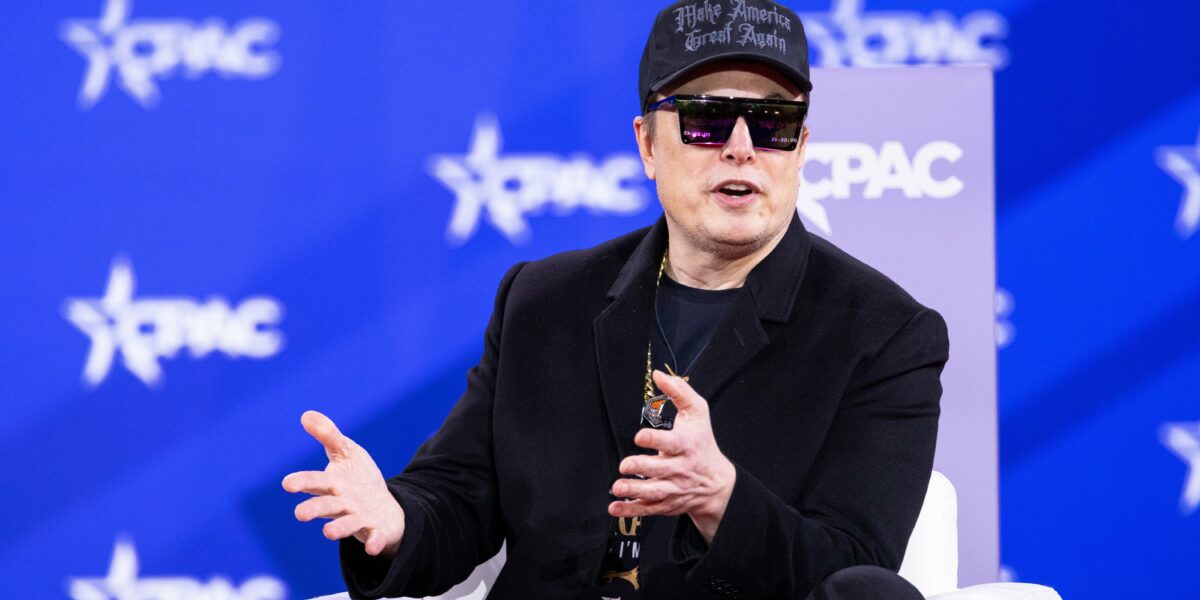
A month later, at the Conservative Political Action Conference (CPAC) in February 2025, Musk took the stage wearing a black MAGA hat and brandishing a chainsaw gifted to him by Argentine President Javier Milei. The prop was meant to symbolise his role in the Department of Government Efficiency (DOGE), but the performance was widely described as incoherent and slurred.

Musk wandered the stage in shades, swinging the tool, yelling “CHAINSAAAW!” and making chainsaw noises with his mouth (“waawaarg!”). At one point, he ranted about the “Matrix on a grand scale” and joked about stealing from Social Security to “afford nice things.” His speech was marked by rambling digressions about the need to “legalise comedy” and how he had “become meme”, which led many observers to speculate on his sobriety. “Elon can barely form a sentence right now,” journalist Aaron Rupar wrote, while legal analyst Jenifer Taub called him a “[k]leptocratic ketamine addict”. 

Musk’s denials were swift and fierce. On X in late May 2025, he posted, “I am NOT taking drugs! The New York Times was lying their ass off.” He claimed he had only “tried prescription ketamine a few years ago” and hadn’t since – a statement that directly contradicts his 2024 admission of ongoing bi-weekly use. To bolster his case, Musk shared negative drug test results, dismissing the Times as biased and prone to “false reporting,” much like their Russiagate coverage. When Fox News’ Peter Doocy pressed him at an Oval Office event that month, Musk snapped back with sarcasm and shut down the question: “Let’s move on.”

Liberal outlets tied what Musk’s estranged daughter called his “ketamine-fueled haze” to far-right escalations. “You can see why people might wonder about ketamine use from a man who is trying to usher in multi-planetary human life, who has barged into global politics and is attempting to reengineer the U.S. government”, Shayla Love wrote. Shock jock left-wing YouTuber Kyle Kulinski, the self-described ‘Joe Rogan of the Left’ behind the Secular Talk channel, made much of Musk’s ketamine use and alleged derangement. Conservative commentator Tomi Lahren called the news events a “nothingburger”. French Senator Claude Malhuret dubbed him a “jester high on ketamine” purging the civil service.

In April 2025, a Democratic representative introduced a law that required ‘Special Government Employees’ like Musk and DOGE staff to pass pre-employment drug tests and random screening for illegal substances. Indeed, when government employees returned after a court blocked a DOGE seizure (ruling DOGE lacked authority), they found the $500M building “trashed”. Cleaners reportedly discovered discarded marijuana roaches (photos circulated on Bluesky and X by journalists like Daniel Knowles of The Economist), and USIP security head Colin O’Brien cited witnesses claiming DOGE workers were “smoking weed in the building.” 

Musk’s enemies in the Trump White House also got involved. “I think it’s the ketamine talking in the middle of the night,” said Trump pollster Jim McLaughlin, mocking Musk after his much-publicised ‘break-up’ from Trump. Former White House advisor Steve Bannon urged Trump to launch a special counsel investigation into Elon Musk. Michael Wolff quoted Trump as having passed the report of Musk’s drug use onto the paper in the first place: “Actually, we dropped a dime to The New York Times … on Elon’s drug taking’”. 

The State of Ketamine

The pharmacological effects of ketamine vary dramatically by dose and context. Therapeutic microdoses (0.5–1 mg/kg) produce mood elevation with minimal cognitive impairment. Heavy recreational or unmonitored use (2+ mg/kg), by contrast, induces profound dissociation, delusional thinking, emotional blunting, and – with chronic administration – severe physical complications including ketamine-induced uropathy (bladder inflammation, ulceration, and potential bladder failure. Research from psychopharmacologist Celia Morgan at University College London demonstrates that frequent users (three times monthly or more) display measurable impairments in short- and long-term memory, greater delusional ideation, and persistent dissociative symptoms even when not actively intoxicated. 

Since approximately 2015, the regulation of ketamine has changed considerably. Despite the very limited evidence of its efficacy, the FDA approved esketamine (a ketamine derivative) for treatment-resistant depression in 2019. Celebrity endorsements from Gwyneth Paltrow, Ryan Reynolds, and Michael Phelps helped normalise recreational/therapeutic use. California and other states saw the proliferation of ketamine clinics – legal, private medical practices operating off-label – charging patients hundreds of dollars per dose, now constituting a $500 million sector.

Ketamine is widely recognised as more addictive than its cousins in the psychedelic class. Global Drug Survey data indicated that around 8.6% met criteria for ketamine dependency, while Dr Karl Jansen has estimated that around 10% of users become addicted. The UK has seen a dramatic surge in ketamine addiction treatment. 3,609 adults commenced treatment in 2023-24, a figure over eight times higher than the 426 reported in 2014-15.

There is little state-mandated safeguarding or data gathering in place around ketamine treatment in the United States. Through services like MindBloom and Joyous, consumers may order injectable ketamine to take at home, and little is known about how personal supervision is really occurring or what its effects are in the long term. In one questionnaire conducted by the rehab service All Points North (APN), among 2000 people prescribed at-home ketamine, over half reported using more than the recommended dose, either accidentally or on purpose. Little was detailed about the questionnaire’s sample or content, however, and APN did not reply to repeated requests for inspection of their data.

That said, if Musk is dependent on ketamine, did this issue develop through the medical sector? Are we seeing an instance of diversion and medical mismanagement, much as occurred with Matthew Perry, the celebrity client whose ‘ketamine queen’ drug dealer is now in prison?

This spike in public health signals runs parallel to a booming, exclusive market for ultra-high-net-worth individuals. Clinics like Switzerland’s Paracelsus Recovery cater to billionaires facing “the singular devotion of an entire team” for fees of around £65,000 a week. Founder Jan Gerber notes that the super-rich are “three to five times more likely to suffer from mental illness or substance abuse” than the average person. “We’ve seen a noticeable uptick in ketamine-related admissions over the past two years”, Gerber told Chemical Collective, “typically as part of polydrug use (most often alongside alcohol or cocaine) rather than as a sole primary substance. This is in line with reporting on rising ketamine harms throughout Europe.” 

Gerber has not observed a pipeline from therapeutic use to addiction. “[W]e deem that scenario very unlikely. Whilst ketamine does have abuse potential, it is rarely the primary choice for recreational use and problematic use of ketamine in our society is at very low levels.” Paracelsus offers supervised ketamine-assisted therapy. “Current substance use is a contraindication and past history requires sustained remission and careful monitoring”, he says. Other high-end rehabilitation services did not respond to requests for comment. 
Musk’s Alleged History of Substance Issues

There have been tangible repercussions tied to Musk’s substance use in the past. As detailed in Hubris Maximus by Faiz Siddiqui, Musk has openly admitted that “tweeting on Ambien isn’t wise,” describing a dangerous mix of “red wine, vintage records, some Ambien… and magic!” that alarmed followers as early as 2017. While Arianna Huffington urged him to prioritise rest, Musk retorted at 2:32 a.m. that sleep “is not an option,” framing his exhaustion as heroic necessity. This denial created a perfect storm: confidants like Tesla board member Antonio Gracias and investor Ron Baron pleaded with him to “get an ice cream cone” or “walk around the factory” rather than use Twitter during distress, yet reports suggest these pleas were drowned out by a spiral involving not just Ambien, but allegations of “multiple tabs of acid” and the very ketamine Musk claims manages his “negative chemical state”.

Former Tesla board member Linda Johnson Rice reportedly resigned in 2019, disturbed by Musk’s volatile behaviour and reported drug use. In November 2023, Musk endorsed a tweet referencing an antisemitic conspiracy theory that “hordes of minorities” are infiltrating Western countries and that Jews are pushing hatred against white people. The White House condemned Musk’s endorsement of the tweet as “unacceptable”. He also shared a meme promoting the widely discredited far-right Pizzagate conspiracy theory, and after a few hours, Musk deleted the tweet.

The New York Times described his 2024 pill box, possibly containing Adderall, alongside ecstasy and mushrooms at parties. This polydrug mix heightens the dangers. Stimulants like Adderall fuel mania and overconfidence, synergising with ketamine’s dissociation to create volatile states. Neurologically, chronic sleep loss produces measurable impairment in prefrontal cortex function – the brain region responsible for impulse inhibition, emotional regulation, risk assessment, and theory of mind. Decision-making becomes increasingly hyperactive and erratic; reward sensitivity shifts toward short-term gratification; the capacity to model long-term consequences collapses.​​

Consider again what Musk has done. In November 2023, Musk endorsed a tweet referencing an antisemitic conspiracy theory that minorities are infiltrating Western countries and that Jews are pushing hatred against white people. At the Unite the Kingdom rally hosted by anti-Islam activist Tommy Robinson, Musk called for the “dissolution of parliament”. While at DOGE, he used baseless claims of widespread fraud to implement massive and sudden cuts to government infrastructure, foreign aid, and scientific research, reportedly killing 14 million people by 2030 if the cuts continue. 

Musk’s ketamine use cannot be isolated from the broader cultural ecosystem of Silicon Valley. In the 1960s, Bay Area tech pioneers experimented with LSD as a deliberate productivity enhancement – a way to unlock non-linear thinking in knowledge workers. Steve Jobs famously declared that taking LSD was “one of the most important things in my life”. Likewise, Adderall, modafinil, and microdosed LSD or psilocybin are quietly celebrated in startup culture and finance as nootropics for the entrepreneurial mind.

Musk’s alleged ketamine trajectory is also echoed in other historical figures. Take Tony Hsieh, the Zappos founder who cashed out for $1.2 billion in 2009. He spiralled into polydrug use – nitrous oxide, ketamine, and ecstasy – and died in a fatal house fire at age 46 in 2020. President John F. Kennedy’s amphetamine injections from “Dr. Feelgood” triggered a documented psychotic break in 1962. Neuroscientist John Lilly, a 1970s ketamine pioneer, was hospitalised and believed himself to be a time traveller from 3001. Yoga teacher Marcia Moore vanished after a massive dose in 1979 and was found frozen to death. 

One Rule for Them

When Musk was seen smoking marijuana on Joe Rogan’s podcast in 2018 (also sipping whiskey on air), it alarmed NASA leadership because SpaceX is a major NASA contractor. NASA promptly ordered a “workplace safety review” of SpaceX (and Boeing) to ensure a robust drug-free culture at companies tasked with flying astronauts. 

SpaceX enforces strict random drug testing for employees (due to federal requirements), though insiders told the NY Times that Musk was tipped off in advance about “random” tests, effectively insulating him. 

Such accommodations, if accurate, reflect how Musk’s position allowed him leeway that ordinary employees would not get. “The people around Elon who can deal with him believe he’s some sort of God”, one onlooker observed. “It’s kind of like a religion. If you’re on the Tesla board, you’re like an apostle.” Allegations of fraud and vapourware against Elon Musk have circulated for years, and he gets away with it. These allegations are especially well-documented by commentators like Thunderf00t on YouTube. Key fraud claims include the 2018 “funding secured” tweet, where Musk falsely claimed Tesla could go private at $420/share, leading to a $40M SEC settlement and stock volatility, though he was acquitted in a 2023 shareholder suit. In 2022, Musk delayed disclosing his Twitter stake, allegedly saving $150M while manipulating prices, prompting an ongoing SEC suit and shareholder class-action
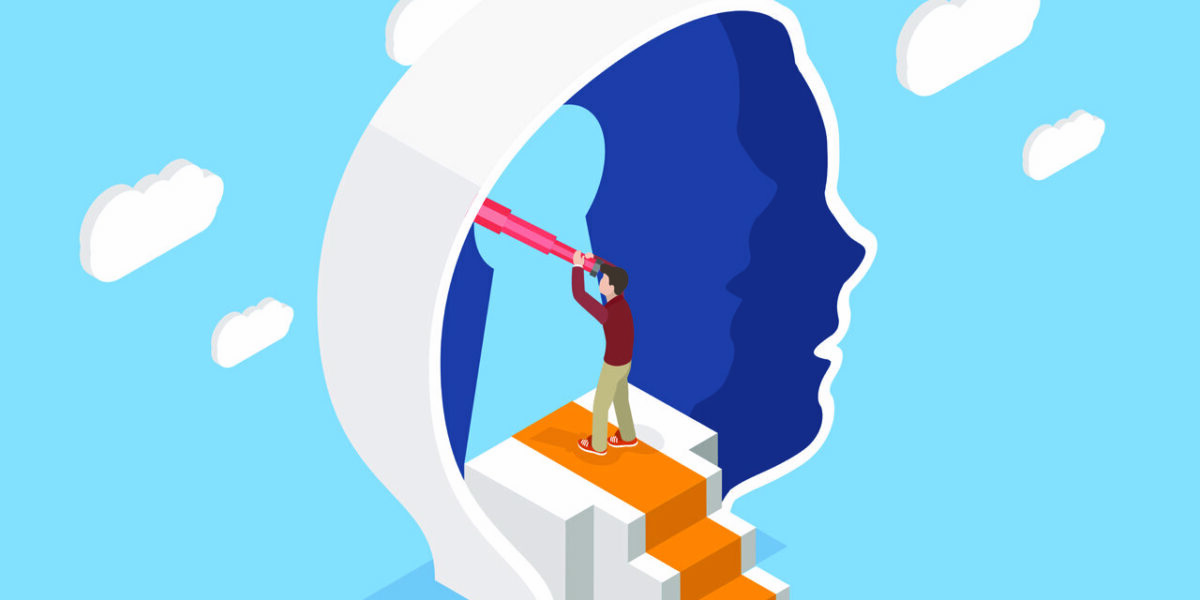
While ketamine’s profile aligns with certain aspects of Musk’s behaviour, it evidently falls short as a complete explanation. Beyond his technological and financial milieu, any serious analysis must also reckon with the psychic landscape that might dispose someone toward persistent drug misuse in the first place. Musk’s story begins in apartheid-era South Africa, where severe bullying left him hospitalised after being thrown down stairs, and his father, Errol Musk, inflicted “psychological torture” through multi-hour humiliations and alleged sexual abuse of siblings. Musk has called his father capable of “almost every evil thing you could possibly think of,” attributing his self-diagnosed Asperger’s syndrome partly to this trauma. Escaping into sci-fi and coding from age 12, he developed an early drive to dominate other people and conquer his surroundings. 

His biographer Walter Isaacson notes that Musk is “addicted to crisis, burning the boats so retreat is impossible, engineering chaos when stability bores him” and that he “oscillates between manic energy and depressive withdrawal, dramatising personal and professional challenges alike, with impulsive behavior reflecting a volatile blend of trauma, bipolar-like cycling, and neurological rigidity from Aspergers.” His ex-wife Justine said he “learned to shut down emotions to survive”. These scars manifest in what colleagues call “demon mode” – periods of cold, destructive intensity where he retreats inward and lashes out unpredictably. 

The achievement of extreme wealth compounds these tendencies. Psychological studies, including Paul Piff’s work at UC Berkeley, show that affluence erodes empathy and heightens entitlement; the ultra-rich display reduced compassion and “social blunting,” viewing others instrumentally. For Musk, worth over $400 billion, this manifests in isolated settings – lonely streaming sessions and private jets – that breed paranoia. Yet wealth also insulates him from consequences. Musk’s status as a wealthy white male grants him access to the best medical advice, private treatments, and the benefit of the doubt. Indeed, as journalist Jules Evans observed, “many members of the millionaire and billionaire class have found meaning, healing and joy in psychedelics, and they want to bring that to the masses”, but crucially, “their resources provide them access to months of therapy and time off work to recover after a bad trip. Most Americans don’t have that luxury.”

Devices and Extremism Addiction

In his essay, ‘The Trouble with Elon’, Sam Harris reflected on the acrimonious end to their mutually admiring friendship. “At the end of 2022, I abandoned Twitter/X altogether, having recognized the poisonous effect that it had on my life—but also, in large part, because of what I saw it doing to Elon”, he wrote. Musk tweets dozens of times per day, with some stretches averaging around 68 tweets daily and peak days above 150.​ Using conservative assumptions about the time needed to read, compose, and recover focus around each tweet, one detailed estimate puts his Twitter/X use at about 2.7 hours per day on average during a recent multi‑week period, with some days plausibly exceeding 5 hours. One large 2025 compilation of smartphone stats puts average daily phone use at about 4 hours 37 minutes per person.​

When queried about how Musk’s alleged drug habit and intensive screen use might interact, one high-level researcher suggested that the intersection is underexplored. They preferred not to be identified for fear of potential political repercussions. Research on smartphone addiction and narcotic dependence already identifies structural parallels like compulsive checking and withdrawal-like distress when separated from devices. According to available user reports, classic psychedelics and ketamine typically render screens overbright, glitchy, or existentially overwhelming, prompting either avoidance or erratic, incoherent posting; MDMA redirects attention toward embodied connection, making phones feel intrusive; cannabis alone permits comfortable, prolonged scrolling, and correlates with significantly elevated recreational screen time among adolescent users.

One particular concern is the potential for psychedelic drugs to enhance suggestibility for several weeks after an experience, or to induce an epistemic and ontological shock that attracts suboptimal solutions. Scholars like James L Kent, Brian Pace, and Neşe Devenot have identified numerous cases of psychedelic enthusiasts becoming radicalised, including Jake Angeli, the founder of 8Chan, and Andrew Anglin, the editor of the Daily Stormer

The internet has rendered many formerly marginal ideologies orders of magnitude more accessible and liable to community formation and discussion. Amid the ‘marketplace of ideas’ created by modern liberalism – a world in which different political persuasions and religions must somehow co-exist – irony and humour have assumed systemic roles to sustain that co-existence over time. This relates to what researcher Joshua Citarella calls irony poisoning: a process where the same detached, edgy humour characteristic of declinist liberalism gradually calcifies into sincere extremist belief. Prospective extremists may treat these beliefs initially with irony, ‘trying out’ a belief for size in a form of LARP (Live Action Role Playing), before taking them seriously over time. Once inside, the dynamic accelerates via what researchers call Rabbit Hole Syndrome: an inadvertent, recursive descent where conspiracy theories satisfy a need for control while simultaneously frustrating it, driving the believer deeper. The digital landscape weaponises this. 
Ideology can even function analogously to addictions. In their 2021 study on radicalisation, researchers Brown et al. found that former extremists often felt a visceral “pull” back to radical groups, even while intellectually rejecting them. This mirrors findings by Simi et al. (2017), who analysed 89 former white supremacists and described a “lingering” identity that persisted like a chronic condition. For subjects like “Teddy,” merely seeing a Nazi flag in a movie could induce “goosebumps” and a rush of familiar belief, a physiological reaction akin to the heightened drug craving recovering addicts experience when exposed to visual cues. Research from Rajan Basra and Marieke Liem shows that two-thirds of European Islamist attackers used drugs pre-radicalisation. Cocaine and alcohol fuel mob aggression at events like Tommy Robinson marches. “Drinking together is thinking together” is a refrain in white supremacist groups. One ex-racist “recognised that the group used alcohol consumption very proactively in their recruitment and in committing violence.”

The mere presence of a phone measurably drains working memory as attentional control is recruited to inhibit the urge to check it. Intensive touchscreen use reshapes cortical finger maps and alters reward and executive circuits, training a brain that is more distractible, cue-driven, and suggestible to whatever content appears. Musk has algorithmically reengineered the X platform to amplify his own posts with exceptional salience regardless of follower status. We are perhaps seeing a unique techno-chemical chimaera: a ketamine-modulated, hyper-plastic brain matched with a screen environment that constantly presents his thoughts back to him at a global scale, creating a closed loop of sculpted conviction – with almost no empirical framework yet capable of describing it. 

The Role of Ideology

The public discourse around Elon Musk is part of a broader culture of pathology. We think of people more and more in terms of their addictions, diagnoses and diseases. Across high‑income countries, around 1 in 4 adults each year are now said to meet criteria for a diagnosable mental health problem. Large‑scale analyses of social media show that people increasingly describe everyday struggles using psychiatric labels. The senility of President Biden and rumours of Trump’s cognitive decline have nullified the longstanding Goldwater Rule, in which speculations on the medical status of politicians were discouraged. Jacinda Ardern quit as the Prime Minister of New Zealand for mental health reasons.

Within this ‘healthist’ paradigm, Musk was once celebrated as a neurodivergent “eccentric genius”. Now, he is raising clinical alarms. One Democratic lawmaker suggested Musk is “manic”, and mounds of social media comments view Musk as mentally disturbed. Biographer Seth Abramson recently claimed Musk is “deeply unwell” and “going mad, and Bill Gates labelled Musk’s political interventions – such as supporting far-right figures and criticising Nigel Farage as “not right-wing enough” – as “really insane shit” that could destabilise nations. 

The risk of such rhetoric is that it might highlight the danger of unchecked oligarchic power, while saying that such power is simply ‘misused’ by an insane person deranged by drugs. Instead, an ‘insane’ person like Musk may be operating coherently towards his goals. Consider his $44 billion Twitter acquisition in 2022, initially derided as irrational and a vast waste of money. It granted him priceless control over global discourse, reengineered to amplify his views and far-right content. Similarly, laying off 80% of staff post-purchase slashed costs and, arguably, streamlined operations, turning “chaos” into a rewarded efficiency play. 

After Musk’s gaffe-laden spell in politics, it looked like the Tesla board wanted rid of him. Not enough, clearly. Special contracts signed while he was in government, together with the rise of his attention-economic brand, have buoyed him enough to become likely the world’s first trillionaire with Tesla’s pay package. Commentator Gary Stevenson has theorised that Musk does not believe much of what he says. Rather, Musk’s embrace of far‑right movements is a rational response to the threat of rising left‑populist demands for wealth taxation. Amid massive inequality, the political menu increasingly narrows to two options: stronger redistribution through higher taxes on the rich, or cultural‑nationalist projects that redirect anger onto immigrants and “globalists.” Musk’s play is “super smart”, he says.

Musk’s behaviour is also entirely sensible within e-accelerationist and techno-optimist ideology. Widespread among technology executives, e-accelerationism advocates for rapid, relatively unconstrained technological progress, especially in AI. Accelerationist narratives heighten novelty-seeking, risk tolerance, and a kind of missionary certainty – the unshakeable conviction that one’s cause represents inevitable historical progress.​ Years before he ever entered government, he described the state as “the ultimate corporation,” and advised that public institutions should be pushed toward something like a high‑pressure performance model. This was later consummated with the Department of Government Efficiency (DOGE), which explicitly approached the federal bureaucracy like a tech acquisition through cutting large numbers of staff, centralising control, and promising to apply AI systems and aggressive cost-cutting to “modernise” the state. 

The 2019 Global Terrorism Index recorded a 320% surge in far-right terrorism in the West over five years, a trend driven by this precise mix of digital radicalisation and “red-pilling”. Elon Musk’s trajectory offers a high-profile case study of these forces at the elite level: a leader whose “red-pilling” played out in real-time, arguably driven by the same short-term dopamine hits of engagement and outrage that entrap the anonymous users in his replies. His “demon mode” leadership and erratic pivots reflect the broader, addictive architecture of the very platforms he now controls.

Mentally disturbed people influence history, and Musk might be one of them. Yet the primary issue may lie instead with the same system that has so empowered a critic like Bill Gates. 

Musk, who once declared “I am become meme” at CPAC (a rather pitiful riff on Oppenheimer), embodies this collapse between the poster and the platform. 

By managing his own feed as a “political party of one,” Musk didn’t just radicalise his audience; he radicalised himself, trapped in a recursive loop where the “lol” of posting transgressive content evolved into a coherent far-right worldview that is damaging the world. 

Ed Prideaux | Community Blogger at Chemical Collective

Ed is one of our community bloggers here at Chemical Collective. If you’re interested in joining our blogging team and getting paid to write about subjects you’re passionate about, please reach out to Sam via email at samwoolfe@gmail.com

share your toughts

Join the Conversation.

0 Comments
Inline Feedbacks
View all comments

Related articles

Our Products

Related Products

1V-LSD 150mcg Blotters

SALE! -35%

1V-LSD 150mcg Blotters From Original price was: €22.00.Current price is: €14.30.
(143)
1cP-LSD 100mcg Blotters
1cP-LSD 100mcg Blotters From 18.00
(137)
Tryptamine Mix and Match Pack (4 x 0.1g)
Tryptamine Mix and Match Pack (4 x 0.1g) 65.00
(1)
1V-LSD 10mcg Micro Pellets

SALE! -35%

1V-LSD 10mcg Micro Pellets From Original price was: €15.00.Current price is: €9.75.
(43)
2-FDCK HCL
2-FDCK HCL From 12.00
(82)
1V-LSD 225mcg Art Design Blotters

SALE! -35%

1V-LSD 225mcg Art Design Blotters From Original price was: €35.00.Current price is: €22.75.
(62)
1S-LSD 150mcg Blotters
1S-LSD 150mcg Blotters From 29.00
(16)
1cP-LSD 150mcg Art Design Blotters
1cP-LSD 150mcg Art Design Blotters From 25.00
(74)
1V-LSD 225mcg Pellets

SALE! -35%

1V-LSD 225mcg Pellets From Original price was: €35.00.Current price is: €22.75.
(26)
1D-LSD 225mcg Pellets (1T-LSD)

SALE! -15%

1D-LSD 225mcg Pellets (1T-LSD) From Original price was: €42.00.Current price is: €35.70.
(13)
1cP-LSD 10mcg Micro Pellets
1cP-LSD 10mcg Micro Pellets From 15.00
(23)
5-MeO-DMT Freebase

SALE! -35%

5-MeO-DMT Freebase From Original price was: €23.95.Current price is: €15.57.
(36)
1S-LSD 10mcg Micro Pellets
1S-LSD 10mcg Micro Pellets From 20.00
(3)
O-PCE HCL

SALE! -25%

O-PCE HCL From Original price was: €17.50.Current price is: €13.13.
(25)
1cP-LSD 20mcg Micro Blotters
1cP-LSD 20mcg Micro Blotters From 18.00
(27)
rewards-icon
popup-logo

Reward program

popup-close
  • Earn
  • Affiliates