Welcome to
Chemical Collective

Are you 18 or older?

Please confirm that your are 18 years of age or older.

You are not allowed to access the page.

info-icon €100 for domestic (NL, CZ, DE) €125 for the rest of the EU, excluding stealth shipping

Free shipping over €50 & free tracked shipping over €100

Friendly customer service available 9-5pm Monday to Friday

Free shipping over €50 & free tracked shipping over €100

Friendly customer service available 9-5pm Monday to Friday

Your cart is empty

PSYCH NEWS 2025 – THE YEAR IN REVIEW

david-blackbourn

By David Blackbourn

shutterstock 1948643866
in this article
  • Regulatory News
  • Industry and Investment
  • Clinical Trials
  • Scientific Research
  • Emerging and Niche Studies
  • Culture and Ecology
  • Global Cannabis News
  • Final Thoughts
david-blackbourn

By David Blackbourn

Disclaimer: The views and opinions expressed in this article are those of the authors and do not necessarily reflect the official policy or position of the Chemical Collective or any associated parties.

Over the last 12 months, the psychedelic industry has collided headfirst with the rigid structures of government bureaucracy and the ruthless nature of venture capitalism. The scale of the challenge to integrate powerful consciousness-altering substances into a standardised medical framework has become increasingly apparent.

There have been landmark moments that just a decade ago would have seemed completely impossible. The US Drug Enforcement Agency (DEA) proactively increased the production quotas for government-approved psychedelics. We have witnessed the first-ever structural mapping of LSD attached to a human serotonin receptor, and a rapidly increasing number of clinical trials for major depressive disorders have successfully moved to their final phases. However, occurrences such as the FDA’s rejection of MDMA-assisted therapy also illustrate the inherent fragility of this emerging space. The increasing influence of Silicon Valley billionaires and multi-national conglomerates threatens to swallow the cultural underpinnings of our knowledge of these substances.

From the passing of prominent psychedelic icons such as Amanda Feilding, to the worldwide rise of high-end psychedelic retreats (often regardless of legality), to the promise of “anti-ageing” psychedelic mushrooms. Let’s take a look back at the stories which shaped another pivotal year.

Regulatory News

One of the most significant stories of 2025 was the FDA’s refusal of Lykos Therapeutics MDMA-assisted therapy trial. Many had viewed the impending success of this trial as a watershed moment for the industry. Once it was approved, it would undoubtedly open the door for others. In August of this year, however, they hit a wall.

The FDA issued a Complete Response Letter declining approval for the therapy. The rejection was based on several important factors. The agency cited inadequate safety data on the addiction potential of MDMA and a lack of long-term data on the durability of the treatment. Most damaging, though, were concerns with “functional unblinding”: the fact that participants are very much aware as to whether or not they have received a placebo. This makes it very difficult to rule out the placebo effect itself.

The FDA also made accusations of selection bias. Roughly 40% of the trial participants already had prior recreational experience with MDMA. This raised questions about whether or not the treatment would be effective for those who had never consumed and had no knowledge of the effects of the drug. Rick Doblin, the founder of MAPS, argued that the FDA had “moved the goalposts”, especially when related to the durability data. Other psychiatric medicines, he said, are not subject to such stringent requirements. This has stopped Lykos in its tracks completely and necessitated the organisation of a future (very expensive) Phase 3 trial.

While the FDA was slowing efforts to push psychedelic medicine into the mainstream, the DEA provided us with one of the year’s biggest surprises. In a move which delighted advocates across the US, the DEA formally directed the Department of Health and Human Services (HHS) to begin a scientific and medicinal review of psilocybin. This review was in service of a potential rescheduling of the substance. This was the first time ever that the DEA had prompted a review like this, rather than being pressed into action via external petitions. This appears to signal a large internal shift in attitude toward the therapeutic applications of psychedelics.

Furthermore, the DEA proposed quite drastic increases in the production quotas for psychedelics for 2026:

  • Psilocybin – from 30,000 to 40,000 grams
  • 5-MeO-DMT – from 11,000 to 30,000 grams

This massive increase in government-approved manufacturing of these substances signals again a thawing, changing attitude within the organisation. Regardless of the FDA’s hesitation regarding MDMA, the federal government appears to be anticipating a giant surge in demand for psychoactive substances, for research purposes, in the immediate future.

2025 also saw psychedelic discourse find its way into the highest levels of US politics. In an unexpected move, the “Make America Healthy Again” (MAHA) summit featured a panel dedicated to psychedelic medicine. The summit was attended by Trump administration officials, as well as Health Secretary Robert F. Kennedy Jr.

Kennedy himself faced private, psychedelic controversies as he faced allegations of past use of psychedelics, including smoked DMT, even though he professes complete sobriety. Kennedy has become a vocal advocate of psychedelic therapy, especially for veterans suffering from PTSD. This has created an odd new dynamic in which it is the conservative figures in government pushing for reform. However, this reform, of course, comes with a caveat. The focus is on strict medicalisation and profit, not decriminalisation or individual liberty.


Industry and Investment

The financial side of the psychedelic industry has been just as turbulent as the regulatory space. The fallout from the FDA-Lykos Therapeutics standoff was rapid. In a move which many have described as a hostile takeover, billionaire investor Antonio Gracias, a close associate of Elon Musk, took control of the company

Following a successful $50 million funding round, Gracias installed a completely new board and leadership team. This shifted Lykos away from its idealistic, non-profit roots with MAPS, towards a far more aggressive business model. Silicon Valley led, highly profit-driven. Worries of a newly forming “Psychedelic Syndicate” of wealthy tech elites co-opting the psychedelic renaissance for profit are quickly increasing. The fear here is that these groups would aim to bypass regulatory norms to turn psychedelic therapy into a gated, high-cost commodity. This runs completely in opposition to the promise of accessible, affordable therapy for the public good – the original thrust of the psychedelic movement.

The stock market reflected this uncertainty and split into two distinct narratives. In June, Compass Pathways, long seen as a barometer for the industry, saw its stock plummet 49%. This was despite their COMP360 synthetic psilocybin trials meeting safety and efficacy targets.

The reality was that investors remained unimpressed by the commercial viability of a treatment requiring lengthy, supervised sessions. The market as a whole appears to be questioning the scalability of the macrodose therapy model, which requires two therapists to be present for six to eight hours.

Conversely, companies like Atai Life Sciences saw their stock soar, driven by the FDA granting “Breakthrough Therapy” designation to their short-acting 5-MeO-DMT formulation, BPL-003. This provides further evidence (perhaps unsurprisingly) that the market is clearly favouring scalable, short-duration treatments over time-intensive models.

Despite the downturn in funding for some sectors, the global psychedelics market is projected to top $10.11 billion by 2032, growing at a rate of 13.68%. This growth is mainly driven by synthetic compounds like ketamine and MDMA, which currently hold around 55% of the market share. However, as 2025 has shown, this growth is not linear; it is volatile, subject to regulatory whims, and increasingly dominated by a few large players.

Clinical Trials

2025 brought some major clinical milestones, regardless of the continued regulatory hurdles and financial challenges. This has brought us much closer to approved treatments for several prominent conditions.

MindMed made headlines with its MM-120 program (a proprietary form of LSD). Their Phase 2b trial for Generalised Anxiety Disorder (GAD) showed that a single dose led to significant remission rates: 48% of patients were in remission at 12 weeks. These results were strong enough to earn the FDA’s “Breakthrough Therapy” designation, pushing MM-120 into Phase 3 trials. This is a profound moment for a substance that has been demonised for half a century.
The debate between synthetic and natural psilocybin heated up this year. Compass Pathways cleared Phase 3 trials with their synthetic COMP360, showing statistically significant improvements in treatment-resistant depression. However, the “Entourage Effect”, the theory that whole mushrooms work better than isolated psilocybin, also gained traction.
The Scottsdale Research Institute (SRI) received FDA approval for a trial using whole “magic mushrooms.” In an amusing nod to the counterculture, the strain they are cultivating and testing is genuinely still officially named “Jedi Mind Fuck.” The study aims to see if the minor alkaloids in the whole fungus (such as baeocystin and norbaeocystin) provide benefits that synthetic molecules miss.

Often called the “God Molecule,” 5-MeO-DMT is rapidly becoming a clinical favourite due to its short duration of action. GH Research reported strong Phase 2b results for their inhalable version of 5-MeO-DMT (GH001). Nearly 60% of patients with treatment-resistant depression achieved full remission by day eight.

Similarly, Atai Life Sciences’ nasal spray formulation of 5-MeO-DMT also demonstrated rapid antidepressant effects that were well-tolerated, with patients ready to leave the clinic in under two hours. This extremely rapid new model addresses one of the biggest potential hurdles of psychedelic therapy: the cost of clinician time.

In maybe the most heartwarming news of the year, Reunion Neuroscience reported positive Phase 2 results for RE104. RE104 is a synthetic tryptamine chemically similar to psilocybin. Once again, though, it has a shorter duration (there’s a theme developing here).

The drug showed massive potential for treating Postpartum Depression (PPD). Over 70% of new mothers participating in the trial entered remission just days after treatment. Current PPD treatments are extremely limited and can often take weeks to work. Not only that, but they can also interfere with breastfeeding. This rapid-acting therapy could be life-changing for families worldwide.

Scientific Research

While clinical trials test whether or not these drugs work, science is finally beginning to explain how they work.

Researchers published a landmark study in Cell, which for the first time revealed the complete, three-dimensional structure of LSD bound to a human 5-HT2A receptor. We now have a visual map of how LSD locks into the brain’s serotonin receptors to alter the flow of information. This structural data is crucial for the development of potential new compounds which could target these receptors more precisely. This could dramatically reduce side effects or change the duration of the experience.

This year also saw a surge in funding for “neuroplastogens”, compounds which are designed to promote neuroplasticity without any psychoactive effects. Companies like Enveric Biosciences and Elkedonia are betting that the hallucinations are a side effect rather than themselves being the cure. By isolating the molecule’s ability to regrow neural connections from its ability to alter consciousness, they hope to create a pill that can be taken more like a standard antidepressant. 

Mindstate Design Labs is taking this even a step further. They have created MSD-001, a compound which they describe as “psychedelic tofu.” It is designed to be much milder psychoactively without the intense hallucinations usually associated with these substances. The theory is that this will allow for a “precision mental health” approach.

While all of this is scientifically fascinating, it does, I think, raise an important philosophical question. If you remove the mystical aspect of a psychedelic experience, do you lose a large part of its therapeutic potential?

A study published in NPP this year suggested that for psilocybin, the intensity of the “trip” accounts for 24% of the therapeutic outcome, suggesting that the experience itself may not matter.

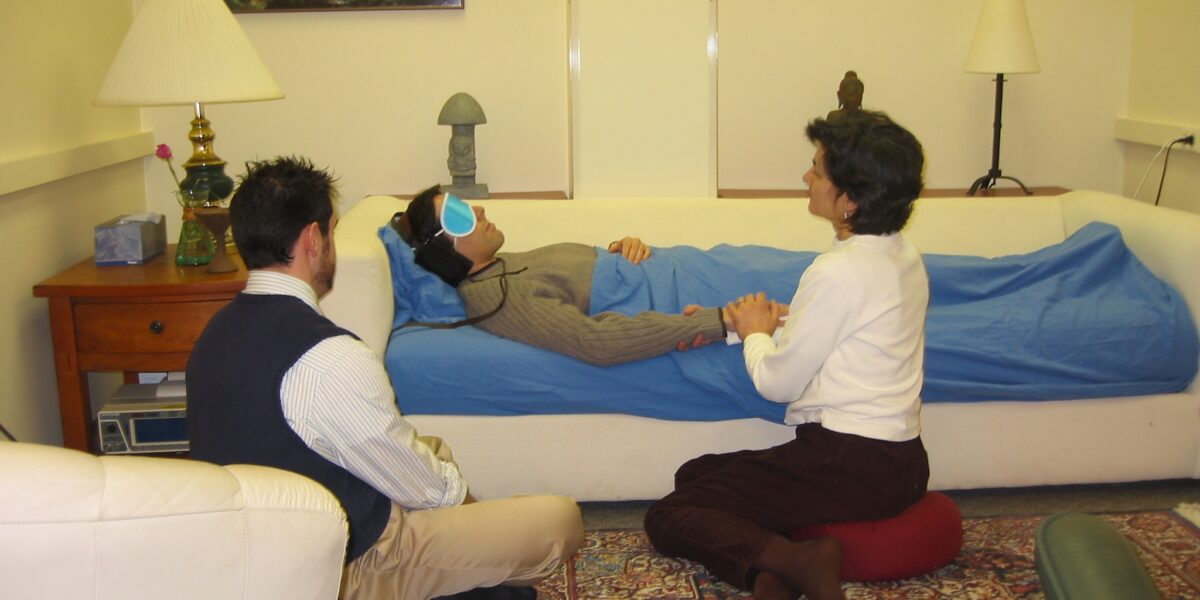
However, there is widespread acceptance that the context of an experience, especially where classic, long-duration psychedelics are concerned, is vital. A global team of researchers released the ReSPCT guidelines, a new “Gold Standard” for clinical trials. They formalise the well-known concept of “Set and Setting,” requiring researchers to report on variables like room ambience, access to nature, music, etc. It is a massive step toward integrating the cultural wisdom associated with these substances into the rigour of the clinical environment.

Emerging and Niche Studies

2025 also brought us some of the oddest, most intriguing scientific developments the industry has ever seen, moving way beyond mental health.

A study published in npj Aging dropped a bombshell: psilocin (the active metabolite of psilocybin) appeared to extend the lifespan of mice by 30% and improve the longevity of human cells in a petri dish. The study found that psilocin extended the growth lifespan of human skin and lung cells by 15-57%. While we are a long way from proving this works in living humans, the idea that psychedelics could have physiological anti-ageing properties opens up a completely new frontier of research.

We also saw reports of people with aphantasia, which is the inability to visualise mental images, experiencing a sudden “opening of the mind’s eye” after using psychedelics. While this sounds miraculous and more than a little crazy, researchers from UNSW Sydney urged caution. Suddenly gaining the ability to visualise may be psychologically jarring. There is the potential that you could, without meaning to, open the door to intrusive images and flashbacks for people who have never experienced them.

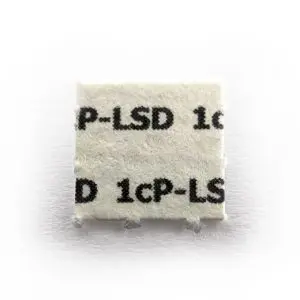
In one of the year’s more unique stories, a case study published in Veterinary Medicine and Science documented the use of microdosing (specifically 1cP-LSD) to treat separation anxiety in a dog. The treatment significantly reduced the animal’s destructive behaviour without any adverse effects. This highlights the cross-species universality of these neural mechanisms.

On a darker note, environmental scientists found that psychoactive drug pollutants are accumulating in the eyes of freshwater fish. The study serves as a grim reminder that our pharmaceutical habits, whether recreational or medicinal, have downstream effects on the ecosystem that we are only just beginning to understand.

Culture and Ecology

On May 22, 2025, the psychedelic community lost one of its true pioneers. Amanda Feilding, who passed away at the age of 82. Known as one of the key figures behind the ongoing psychedelic renaissance. Feilding founded the Beckley Foundation and funded some of the earliest and most important brain-imaging studies on LSD. From her (frankly bonkers) early days of self-trepanation (yes, you read that right, she did indeed drill into her own skull) to her decades of advocacy. Feilding’s impact on the field is immeasurable. Her passing marks the end of an era for the first wave of psychedelic research.

This year also marked the 30th anniversary of Erowid. The legendary online database has served as the trip-sitter for the internet age, providing unbiased information on thousands of substances. Its “Experience Vaults” are now even being used by academic researchers to track drug trends and identify new compounds, proving that community science is just as valuable as clinical data.

As the industry really begins to get its hooks into the psychedelic space, the tension with indigenous communities is growing. A Māori delegation travelled to Europe’s largest psychedelic conference this year to demand respect for Mātauranga Māori (traditional knowledge) and to protest biopiracy.

This concern is backed up by ecological data. Reports this year highlighted the devastation of the Iboga shrub in Central Africa and the Sonoran Desert Toad in Mexico, both of which are being decimated to feed the Western hunger for enlightenment. Ecologists and activists are increasingly calling for the use of synthetic alternatives (like synthetic 5-MeO-DMT) to prevent the extinction of these species. The message from the indigenous world is clear: reciprocity must come before profit.

Global Cannabis News

While psychedelics took the spotlight, cannabis policy also experienced major turbulence in 2025.

Thailand, which had become the poster child for Asian cannabis legalisation, abruptly reversed course. The new government announced plans to ban recreational use, returning to a strict medical-only model. The shift was driven by concerns over youth access and a desire to curb “drug tourism,” leaving thousands of dispensaries and investors in limbo.

Closer to home, the UK was officially named the largest per capita consumer of cocaine in Europe. Despite this, the political focus remained on cannabis. The Police and Crime Commissioner for Wiltshire made headlines by calling for cannabis to be upgraded to a Class A drug, citing links to organised crime. This comes at a time when data is increasingly linking high-potency THC products to psychosis and paranoia, fueling a “re-stigmatisation” narrative in some corners of the media.

In the US, the loophole created by the 2018 Farm Bill, which legalised hemp-derived intoxicants like Delta-8, is finally being closed. State and federal regulators moved aggressively this year, arguing that these products are unregulated and unsafe. This crackdown will likely reshape the cannabinoid market, pushing consumers back towards the regulated (or illicit) marijuana markets.

Final Thoughts

So, where does that leave us as we head into 2026?

The industry has entered a phase of promise meeting reality. The soaring stock prices and utopian promises of a few years ago have been replaced by FDA rejection letters, patent disputes, and hard conversations about safety and ethics.

But this is not a bad thing. The science is getting better, deeper, and more specific. We are moving away from treating these substances as magic bullets and starting to understand them as complex tools. Tools that require precise application and context.

We are learning that “set and setting” isn’t just hippie wisdom; it is a clinical variable that needs to be standardised. We also know full well that we cannot simply extract chemicals from nature without respecting the ecology and cultures that birthed them.

2025 was predictably messy, it was contentious, and at times, it was disappointing. But in the long run, the shift from hype to reality is the only way these medicines will ever truly become part of our world.

David Blackbourn | Community Blogger at Chemical Collective

David is one of our community bloggers here at Chemical Collective. If you’re interested in joining our blogging team and getting paid to write about subjects you’re passionate about, please reach out to Sam via email at samwoolfe@gmail.com

share your toughts

Join the Conversation.

0 Comments
Inline Feedbacks
View all comments

Related articles

Our Products

Related Products

1V-LSD 150mcg Blotters

SALE! -35%

1V-LSD 150mcg Blotters From Original price was: €22.00.Current price is: €14.30.
(143)
1cP-LSD 100mcg Blotters
1cP-LSD 100mcg Blotters From 18.00
(137)
Tryptamine Mix and Match Pack (4 x 0.1g)
Tryptamine Mix and Match Pack (4 x 0.1g) 65.00
(1)
1V-LSD 10mcg Micro Pellets

SALE! -35%

1V-LSD 10mcg Micro Pellets From Original price was: €15.00.Current price is: €9.75.
(43)
2-FDCK HCL
2-FDCK HCL From 12.00
(82)
1V-LSD 225mcg Art Design Blotters

SALE! -35%

1V-LSD 225mcg Art Design Blotters From Original price was: €35.00.Current price is: €22.75.
(62)
1S-LSD 150mcg Blotters
1S-LSD 150mcg Blotters From 29.00
(16)
1cP-LSD 150mcg Art Design Blotters
1cP-LSD 150mcg Art Design Blotters From 25.00
(74)
1V-LSD 225mcg Pellets

SALE! -35%

1V-LSD 225mcg Pellets From Original price was: €35.00.Current price is: €22.75.
(26)
1D-LSD 225mcg Pellets (1T-LSD)

SALE! -15%

1D-LSD 225mcg Pellets (1T-LSD) From Original price was: €42.00.Current price is: €35.70.
(13)
1cP-LSD 10mcg Micro Pellets
1cP-LSD 10mcg Micro Pellets From 15.00
(23)
5-MeO-DMT Freebase

SALE! -35%

5-MeO-DMT Freebase From Original price was: €23.95.Current price is: €15.57.
(36)
1S-LSD 10mcg Micro Pellets
1S-LSD 10mcg Micro Pellets From 20.00
(3)
O-PCE HCL

SALE! -25%

O-PCE HCL From Original price was: €17.50.Current price is: €13.13.
(25)
1cP-LSD 20mcg Micro Blotters
1cP-LSD 20mcg Micro Blotters From 18.00
(27)
rewards-icon
popup-logo

Reward program

popup-close
  • Earn
  • Affiliates