Rater bias is more pronounced with interested funding. Systematic reviews have shown that industry-funded trials report 50% higher efficacy than independent studies. With public companies relying on positive Phase 2 and 3 data to survive, the pressure to P-hack results, exclude non-responders, and minimise safety signals is more serious.
This bias is compounded by researcher expectancy effects. Meta-analyses show that researcher allegiance – “belief in the superiority of a treatment” – may inflate results. Yet only 17% of meta-analyses of psychotherapy trials even discussed or reported researcher allegiance, and only 4% actually evaluated it.
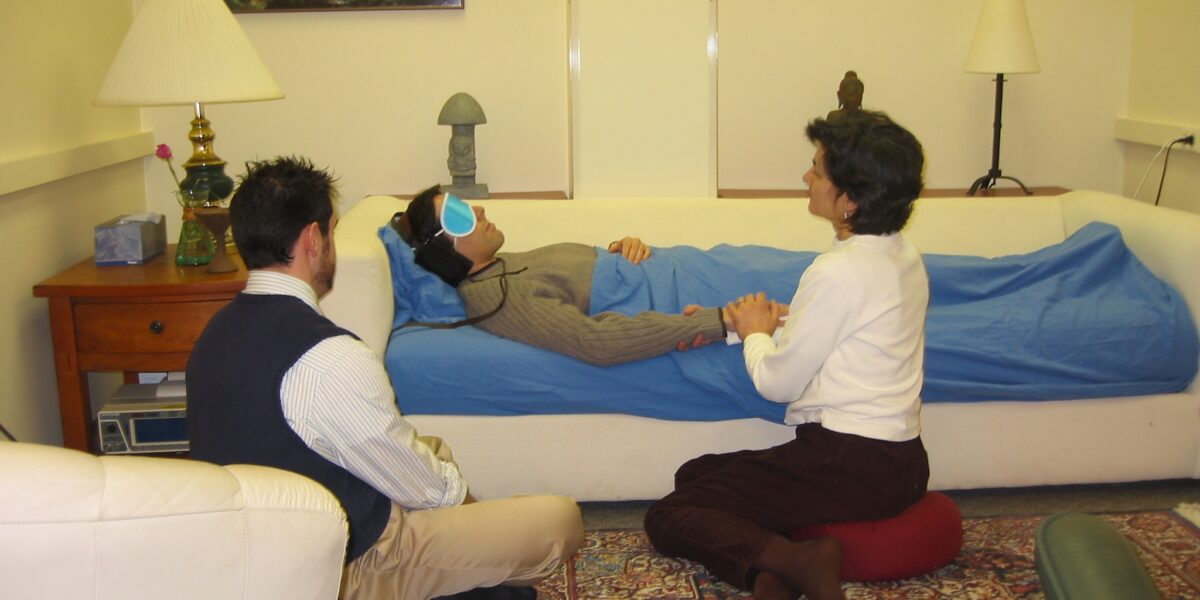
In psychedelic research, this bias may be even more pronounced because researchers openly advocate for legalisation and have personal investment in the field’s success. A New York Times investigation into work at Johns Hopkins described researchers acting in a “spiritual leader capacity,” infusing clinical interactions with religious symbols and guiding participants toward specific metaphysical conclusions. When a researcher believes they are ushering in a “paradigm shift” for humanity, the subconscious pressure on participants to report positive outcomes is immense. This creates a demand characteristic that rivals the drug itself: patients want to please their therapists, and therapists want to validate their life’s work.
In the Lykos MDMA trials, increases in suicidal ideation or emotional instability were often coded as part of a “healing process”, one understood esoterically by therapists through intuition. Rick Doblin of Lykos/MAPS has repeatedly stated that psychedelic therapy, pursued through “political science”, may help to usher in a “spiritualised humanity” of “Net Zero Trauma” by 2070. This culture underlies the Meaghan Buisson case. Video footage from a Phase 2 trial showed therapists pinning her down, an ethical breach that went unreported in the study’s initial safety publications.
Another problem is blinding. It is an open secret that the vast majority of participants in inactive placebo-controlled trials correctly guess their treatment assignment. Participants who “trip” know they have received the active drug, triggering a massive placebo amplification: an effect that some have suggested making use of! Once a rater believes they are assessing someone in the psilocybin condition, their interpretation of ambiguous symptoms may shift; a patient’s fatigue or emotional lability gets coded differently than if the rater believed them to be on placebo.
But one review “found that no study… assessed for expectancy in participants”. The intense subjective effects of the drug make the “blind” effectively nonexistent. Those in the control group, feeling no effects, may realise they are on the placebo and experience a “nocebo” crash of disappointment. Some control group participants drop out, meaning we don’t know what happened to them in the long term. One Johns Hopkins participant who had a history of previous suicidal thoughts was enrolled in the study and received the low dose of psilocybin during his first session. Following this session, the participant’s behaviour became concerning. According to Griffiths, the man reported feeling “bored” and refused to submit to the researchers’ post-session questions. He soon committed suicide. Some have speculated that the act resulted from a dramatic ‘disappointment effect’ induced by the low dose.
When this expectancy gap is closed, the “miracle” often reduces. The 2023 Stanford Anesthesia Study provided one definitive test: researchers administered ketamine or a saline placebo to patients under surgical anaesthesia, ensuring no one experienced the psychedelic trip or knew which drug they received. Ketamine performed no better than the placebo. Both groups improved dramatically, solely due to the belief that they might have been treated. This finding was reinforced by the 2025 KARMA-Dep 2 Trial, where ketamine failed to outperform an active placebo (midazolam) in a rigorous hospital setting. In psilocybin depression trials, for example, niacin has been used as an active placebo in large RCTs of major depressive disorder. 25 mg psilocybin produced around 42–53% sustained response versus 11–24% in the niacin group at six weeks, a clear advantage but much less dramatic than early open-label or inert-placebo work that suggested 60–70%+ response or remission rates.


























share your toughts
Join the Conversation.