Welcome to
Chemical Collective

Are you 18 or older?

Please confirm that your are 18 years of age or older.

You are not allowed to access the page.

info-icon €100 for domestic (NL, CZ, DE) €125 for the rest of the EU, excluding stealth shipping

Free shipping over €50 & free tracked shipping over €100

Friendly customer service available 9-5pm Monday to Friday

Free shipping over €50 & free tracked shipping over €100

Friendly customer service available 9-5pm Monday to Friday

Your cart is empty

Can Psychedelics Help Mend Broken and Ailing Brains?

sam-gandy

By Sam Gandy

shutterstock 2718496241
in this article
  • Psychedelics and TBI
  • Mind the (Research) Gap
  • Psychedelics and Neuroplasticity
  • Neuroplasticity Without the Psychedelic Effect?
  • Anti-Inflammatory Effects of Psychedelics
  • What About Neurogenesis?
  • Psilocybin
  • DMT and Ayahuasca
  • 5-MeO-DMT
  • Ibogaine
  • Psychedelics and Neurodegenerative Diseases
  • Healthy Cognitive Ageing?
  • What About Other Supplements and Practices?
sam-gandy

By Sam Gandy

Disclaimer: The views and opinions expressed in this article are those of the authors and do not necessarily reflect the official policy or position of Chemical Collective or any associated parties.

Stroke, traumatic brain injury, and neurodegenerative diseases together constitute major causes of disability worldwide, exerting a huge personal and economic toll, with a notable lack of effective treatment options for all of these conditions.

Among non-communicable (or transmissible) disorders, stroke is the second leading cause of death and the third leading cause of death and disability combined in the world. Up to half of all stroke survivors will experience long-term disability, and strokes impose a vast personal and economic toll. It is thought that if current trends continue, by 2030, the cost of stroke to the global economy will be over US$1 trillion.

Neurodegenerative diseases such as dementia, Alzheimer’s disease, and Parkinson’s disease impose a vast and growing issue, with dementia alone costing the global economy over $1 trillion a year. Its burden is only projected to increase, with a widescale demographic shift toward an ageing population across much of the world.

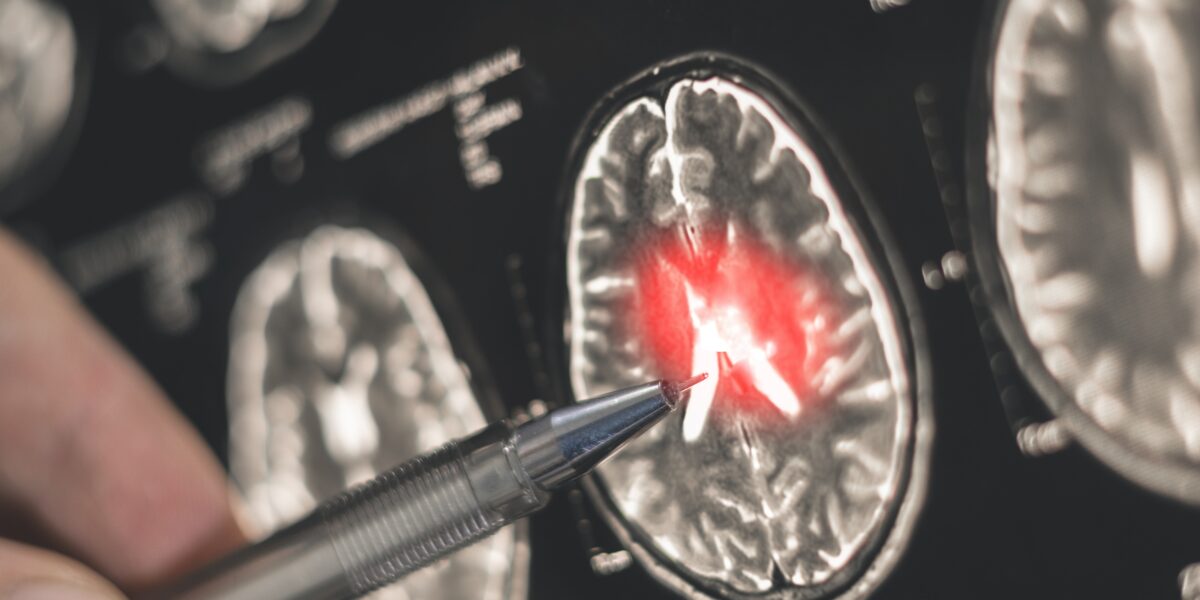
Traumatic brain injury (TBI), including concussions, impacts nearly 69 million people worldwide each year, with existing treatments being scarce. It is a multifaceted condition that can cause short- and long-term impairments in physical, cognitive, emotional, and psychological functioning. Psychological impairments may include depression, anxiety, PTSD, irritability, loss of pleasure, chronic pain, and increased suicidality. Certain populations, such as those in military service, emergency first responders and athletes who play contact sports, may be at particular risk of TBI.

TBI also significantly accelerates brain ageing, causing structural changes that make the brain appear older than a person’s chronological age, a gap that often widens over time. In addition to being associated with short-term issues with cognition, behaviour and motor skills, mild, repetitive sub-concussive head injury is a known risk factor for neurodegenerative disease, including dementia, Parkinson’s disease and chronic traumatic encephalopathy, costing billions of dollars in health care.


Psychedelics and TBI

While research is still in its early stages, athletes such as UFC combatants and NFL players have already been experimenting with psychedelics in the hope of treating TBI, with some attributing life-changing, positive effects, and becoming outspoken advocates for their potential. Ex-professional ice hockey player Daniel Carcillo has credited psilocybin with healing his own severe TBI and associated suicidality. Following his own experiences with psilocybin mushrooms and 5-MeO-DMT, former heavyweight boxer Mike Tyson was inspired to found Wesana Health, a company dedicated to studying the ability of psilocybin to treat TBI in athletes and military veterans. Wesana has established a clinical research project with the World Boxing Council to explore the potential of psilocybin in boosting the brain health of boxers.

A pioneering trial conducted in Portland, Oregon, recruited MMA fighters with TBI to examine the potential of psilocybin in treating it. Persistent positive changes in cognition and mental health were attributed to the psilocybin by participants, with brain imaging revealing changes in brain structure post psilocybin.

One review paper examining the evidence for the effectiveness of psychedelics in the treatment of brain injury reported that in vitro, in vivo, and case report studies suggest that psychedelics may contribute to the treatment of brain injury through modulation of neuroinflammation, hippocampal neurogenesis, neuroplasticity, and brain complexity. A more recently published narrative review of psilocybin for the treatment of brain injury recovery suggested possible benefits through reducing inflammation, promoting neuroplasticity and neuroregeneration, and alleviating associated mood disorders.

Mind the (Research) Gap

The different types of research exploring the effects of psychedelics on neuroplasticity should be highlighted so the appropriate level of caution can be applied when making inferences from it. Much work on this front has used ‘in vitro’ setups (e.g. using isolated cellular cultures in petri dishes as opposed to whole organisms). In vitro models provide an informative window into mechanistic plausibility, which can provide an important and needed foundation for further research.

However, research using isolated cellular cultures has a number of important limitations. Such research cannot inform us whether such observed changes translate to functional network plasticity in a whole functioning brain, and also to what degree they persist in this context, what their behavioural or clinical relevance is, and how context, experience or psychological content might influence outcomes.

‘In vivo’ studies focus research within the context of whole, living organisms, rather than isolated cellular cultures. Animal studies allow for a widening of the lens into neuroplasticity, encompassing how molecules can influence brain circuits and how this can, in turn, impact behaviour. Such research allows for examination of synaptic plasticity in intact brains, the time course of such changes, how contextual factors can interact with such shifts, and what behavioural correlates may be associated with them.

While on a cellular level, animals such as rodents and humans operate in a very similar way, we operate quite distinctly on the ‘whole brain’ level due to differences in brain structure, cortical layering and serotonin 5-HT2A receptor distribution. At best, we can use “behavioural proxies”, which cannot be directly mapped onto the human experience.
Across levels, there is convergent evidence to suggest that psychedelics engage plasticity pathways, temporarily increase the brain’s capacity for change, and can elicit changes that outlast the acute drug effect. Human research is needed to establish relevance and meaning, but studying the effects of psychedelics on the neuroplasticity of the brain of a living human is tricky, for obvious reasons.
Psychedelics and Neuroplasticity

Neuroplasticity refers to the brain’s capacity to reorganise itself, encompassing adaptive structural and functional changes in the brain, underpinned by the formation of new neuronal connections. Neuroplasticity is crucial for development, learning and resilience, being a process that facilitates adaptation, learning new skills, formation of memories, recovery from brain injury (such as TBI or stroke), or changing dysfunctional patterns. It is a lifelong process that includes changes in the strength of existing pathways or the formation of new ones.

Psychedelics (including DMT, LSD and DOI), in addition to ketamine, have been shown to robustly increase neuritogenesis and/or spinogenesis both in vitro and in vivo, and these structural changes are accompanied by an increase in synapse numbers and function. Neuritogenesis refers to the neuronal development of neurites (slender projections extending from a neuron’s cell body), which differentiate into axons and dendrites, while spinogenesis refers to the formation of new dendritic spines, or tiny protrusions on dendrites that receive communication input from other neurons, with both being key components of structural neuroplasticity. These structural changes may be elicited by the psychedelics stimulating TrkB, mTOR, and 5-HT2A signalling pathways.

Psychedelics appear to display a particularly strong affinity to TrkB, the receptor for BDNF or Brain-Derived Neurotrophic Factor, a neuronal growth factor that supports neuron survival, growth, and differentiation, while promoting connections between neurons. LSD and psilocin have been found to directly bind to TrkB with affinities 1,000-fold higher than those for other antidepressants. The effects of psychedelics on neurotrophic signalling, plasticity and antidepressant-like behaviour in mice depend on TrkB binding and promotion of endogenous BDNF signalling but are independent of serotonin 5-HT2A receptor activation, whereas head twitching (which tends to reliably predict psychedelic effects) is dependent on 5-HT2A binding and is independent of TrkB binding.

Neuroplasticity Without the Psychedelic Effect?

This aforementioned research suggests that the neurotrophic effects of psychedelics may be elicited independently of the psychedelic effects catalysed via the 5-HT2A receptor. Some next-generation psychedelic compounds are being created in which the typical psychedelic effects have been dialled down, while retaining their potent neuroplasticity-promoting potential. One such example is the LSD analogue JRT, which has been demonstrated to promote spinogenesis in the cortex, without exacerbating behaviours and gene expression relevant to psychosis. This, in turn, could allow non-hallucinogenic compounds that are able to promote neuroplasticity to be used for treating diseases where the administration of classical psychedelics may pose major safety concerns.

Anti-Inflammatory Effects of Psychedelics

One notable effect of psychedelics is that they act as potent anti-inflammatories, including at small, sub-perceptual dosages. A blow to the head will result in a cascade of events in the brain, including inflammation. This can initially support the repair of brain tissue, but more prolonged inflammation can itself be damaging to the brain (which has also been linked to TBI, strokes, and neurodegenerative diseases such as Parkinson’s). It has been linked to long-term issues such as learning and memory deficits, depression and anxiety disorders, and PTSD. This capacity of psychedelics to reduce inflammation in the brain is likely an important part of their healing effect on the brain, alongside their effect on neuroplasticity and the creation of new neuronal connections.

What About Neurogenesis?

Neurogenesis is the creation of new neurons in the brain from neural stem or progenitor cells. The existence and functional relevance of neurogenesis in the adult human brain are something that is still scientifically contested. While research into various animal species supports the existence of neurogenesis in adult animals, this seems to apply to a much lesser degree in the brains of adult humans. It only seems to occur in certain limited brain regions in humans, and its functional relevance is still debated. However, it is thought that neurogenesis could play a role in memory formation, emotional regulation, and resilience to stress and depression.

Some of the relevant research pertaining to specific psychedelics will now be examined.

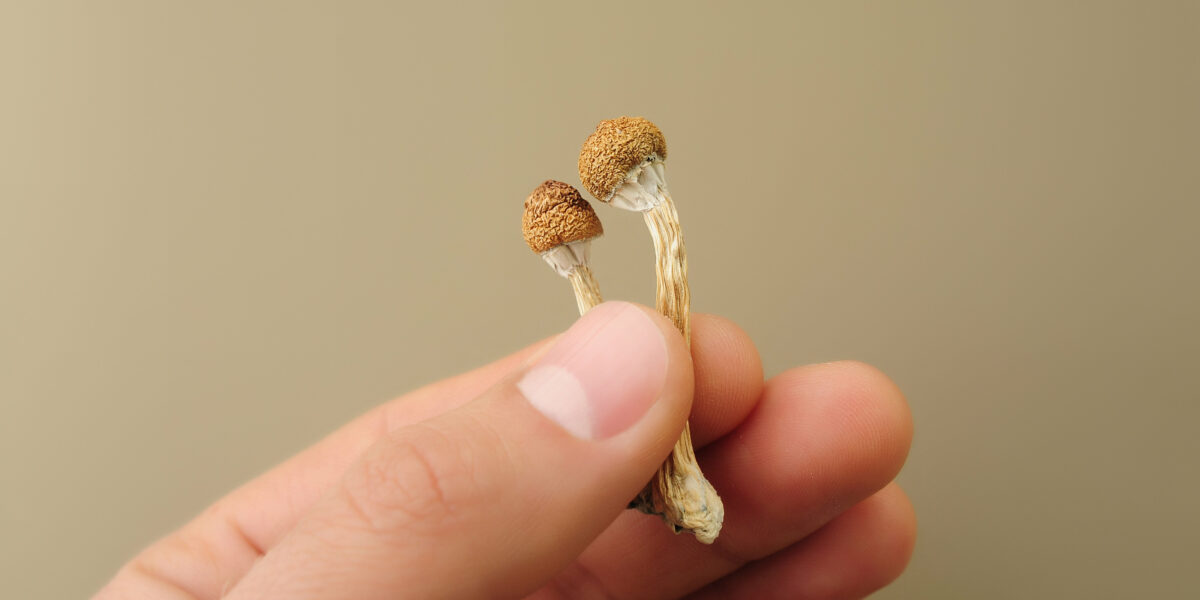
Psilocybin

In research on mice using an experimental model seeking to emulate a state of chronic stress, psilocybin administration was found to promote neuroplasticity in the hippocampus and prefrontal cortex (increasing the total number of dendritic branches and dendritic spine density), enhance levels of synaptic proteins, and elicit neurotrophic BDNF-mTOR signalling pathway activation, while promoting neurogenesis.

Research on mice showed that a single dose of psilocybin resulted in a 10% increase in both the size and the density of neuronal connections (in the form of dendritic spines). These structural changes occurred within 24 hours of psilocybin administration and persisted one month later. This builds on past research showing that psilocybin can enhance expression of several plasticity-related genes in the prefrontal cortex and hippocampus of rat brains, and that a single dose of psilocybin can increase levels of protein SV2A in the hippocampus and prefrontal cortex of pig brains (with this protein commonly used as a marker of the density of synaptic nerve endings in the brain).

One study attempted to create a rat model of recurrent intimate partner violence-related brain injury. Physical violence may result in injuries such as repetitive mild traumatic brain injuries and non-fatal strangulation, both of which have been linked to inflammation in the brain and impaired neuroplasticity. In those rats administered psilocybin (instead of the placebo, saline), there were improvements in markers indicative of antidepressant, pro-cognitive, anti-inflammatory, and neuroplasticity-enhancing effects, with the serotonin 5HT2A receptor appearing to play a crucial role in the observed effects. Human trials will be needed to determine whether psilocybin can aid in recovery from intimate partner violence-related brain injury.

In a rat model of stroke, psilocybin was found to reduce brain infarction (obstruction of the blood supply to an organ or region of tissue), with the neuroprotective mechanisms involving regulation of BDNF expression. Research exploring the potential of psilocybin for the treatment of stroke is underway at Johns Hopkins.

One study assessed the effect of attending a psilocybin retreat among a group of military veterans diagnosed with TBI, examining mental health outcomes and changes in brain connectivity as measured by EEG. While findings are preliminary, changes in brain waves were suggestive of improved emotional regulation and increased cognitive engagement, coupled with marked reductions in depression, anxiety, and PTSD scores.

DMT and Ayahuasca

DMT has been found to promote neurogenesis in mice, with administration of DMT promoting neurogenesis in the subgranular zone of the dentate gyrus in the hippocampus of adult mice. DMT administration promoted a proliferation of neural stem cells, while also supporting their differentiation and maturation into different brain cell types, such as neurons, astrocytes (which provide structural support and nutrients to neurons, form the blood-brain barrier, regulate ions, clear neurotransmitters, regulate cerebral blood flow, and support synapse formation and repair,) and oligodendrocytes (which produce myelin). The mice that received DMT also performed better than control non-treated animals in memory tests, while also exhibiting greater curiosity about novel elements of their surrounding environment.

Harmine (one of the beta-carboline alkaloids in the ayahuasca brew) has also been shown to enhance neurogenesis in mice, with it having also been found to enhance the proliferation of human neural progenitor cells derived from stem cells.

DMT acts as a psychoplastogen and has been found to rapidly induce structural and functional neuroplasticity even at low, sub-psychoactive dosages. These changes persist far beyond the elimination of DMT from the system, being sustained for at least 4 weeks. DMT has also been found to exert potent neuroprotective effects against oxidative stress, neuroinflammation, and accumulation of toxic proteins, while increasing expression of genes and proteins that play crucial roles in synaptic plasticity and have antioxidant effects.

DMT has shown promise in aiding in stroke recovery in both cellular cultures and animal models, with recent research reporting that it can reduce swelling and the size of brain infarction following stroke, while restoring blood-brain barrier integrity, and reducing markers of inflammation. Previous research has demonstrated that it can promote the upregulation of anti-inflammatory factors and neurotrophic agents such as BDNF, while buffering against neurodegeneration in rodent models of stroke. It has been proposed that it may complement existing stroke recovery treatments.

5-MeO-DMT

A single dose of 5-MeO-DMT has been found to promote neurogenesis and neuronal survivability in the subgranular zone (SGZ) of dentate gyrus (DG) in the hippocampus of the brains of mice (a region of the brain where neurogenesis is maintained throughout adulthood). In one study, 5-MeO-DMT was administered to cultured human cerebral organoids. Anti-inflammatory effects were observed, in addition to changes in the proteins being expressed, including the formation of dendritic spines.

Ibogaine

Ibogaine is the primary psychoactive compound found in the inner rootbark of the iboga shrub (Tabernanthe iboga). It has been found to enhance expression of the neurotrophic factors, including BDNF (Brain-Derived Neurotrophic Factor), GDNF (Glial Cell Line-Derived Neurotrophic Factor), and NGF (Nerve Growth Factor) in a number of brain regions in the brains of rats. These are proteins that support the survival, growth, and differentiation of developing and mature neurons. GDNF has been found to elicit sprouting of dopaminergic neuronal fibres in the human brain, and ibogaine administration can elicit a long-term increase in GDNF (which has been linked to its anti-addictive effect), with GDNF positively upregulating its own expression.

Other research on rats has reported that ibogaine is able to upregulate genes and proteins involved in the process of remyelination following opioid use. Myelin is a fatty substance that envelops nerve fibres (axons) in the form of a protective sheath (similar to insulation on a wire), allowing electrical signals to travel more efficiently between neurons, while simultaneously providing metabolic support. Chronic demyelination (which may be associated with long-term opioid use) can lead to various cognitive, motor, and neurological impairments. Multiple Sclerosis is an autoimmune disease where the immune system attacks myelin. The capacity of psychedelic substances such as ibogaine to potentially elicit remyelination while reducing inflammation could aid in the treatment of this condition.

Research on the effect of magnesium-ibogaine administration in military veterans with TBI used MRI brain imaging to examine the brains of participants prior to and following treatment. Changes in brain structure were observed, suggesting that ibogaine may reduce accelerated brain ageing associated with TBI in this population. Further research highlighted changes in brain activity and cortical oscillations, which may relate to some of the cognitive improvements following ibogaine treatment.

Psychedelics and Neurodegenerative Diseases

A pioneering Phase I study assessed the feasibility and tolerability of psilocybin in the treatment of mood dysfunction associated with Parkinson’s disease. Parkinson’s is a common neurodegenerative disease, exerting a huge toll both on those suffering from it and their loved ones. In spite of billions of dollars being used to find a treatment, no effective treatment has so far been found

The treatment protocol in this study consisted of two psilocybin sessions: the first with 10mg, then a larger 25mg dose two weeks later. No serious adverse events were recorded, and no worsening of Parkinson’s disease symptomology was noted. Mood dysfunction was significantly improved (with a large effect size) at three months follow-up after the second psilocybin session, and anxiety was also significantly decreased.

Intriguingly, the symptoms of Parkinson’s itself were significantly improved after psilocybin. Patients reported significant improvements in all domains at every post-treatment timepoint, and benefits persisted at three months following the last psilocybin session. While these results are impressive, it should be noted that this is a small, proof-of-concept pilot study without a control group. Further research is needed, and is in the pipeline – a follow-up Phase II study is in the works.

Studies suggest that psychedelics may also hold promise in the treatment of dementia and Alzheimer’s disease through their capacity to promote neuroplasticity, reduce neuroinflammation, and enhance cognitive flexibility. These effects may potentially mitigate the progression of dementia and other neurodegenerative diseases while improving the quality of life of those suffering from such conditions. Psychedelics may also hold potential for the treatment of other neurodegenerative conditions such as Huntington’s disease and motor neurone disease.

Healthy Cognitive Ageing?

Age-related cognitive decline has been linked to a number of complex and often overlapping mechanisms that can impact cognition through damage to neuronal tissue (including through chronic inflammation), loss of synapses, and breakdown of neural networks. Given the ageing population of much of the Western world, cognitive decline and impairment are likely to impose a vast and growing burden. Given the capacity of psychedelics to act as anti-inflammatory agents and to enhance neuroplasticity by creating new neuronal connections, they could play a helpful role in facilitating healthy ageing, potentially helping preserve cognitive function in senior populations.

Psychedelics can enhance personality trait openness to experience, which may also have implications for cognitive health during the ageing process, as openness typically declines following middle age. Openness is linked to curiosity and creativity, and higher openness in older adults predicts better cognitive function. Openness is strongly linked to cognitive reserve, which refers to the brain’s capacity to make use of alternative neural pathways and remain resilient and functional despite age-related changes, damage, or diseases.

What About Other Supplements and Practices?

It has been suggested that psychedelics could be used alongside nutraceutical interventions that are widely available, cost-effective, and well-tolerated to potentially enhance outcomes in the treatment of military-related mild traumatic brain injuries.

Psychedelics could potentially be used alongside other supplements or practices that have been demonstrated to have neurotrophic effects, or have shown promise in facilitating recovery from brain injury such as TBI and stroke These include physical exercise, rehabilitation therapy, “brain training” exercises, mind-body practices, Hyperbaric Oxygen Therapy (HBOT), and supplementation with things such as lion’s mane, nicotinamide (vitamin B3), creatine, and omega oils. Recovery from brain injury, such as TBI and stroke, is multifactorial, and synergy is likely to be obtained through combining various different approaches.

While research is still in its early stages, further work on this front is urgently warranted. Psychedelics could hold potential as substances that can aid in recovery from brain injury, while possibly also helping buffer the brain against the chronic, corrosive effects of some neurodegenerative diseases. Beyond their potential in aiding broken or ailing brains, psychedelics could also potentially play a role in supporting brain function in old age and help us retain our sparkle in our twilight years.

Sam Gandy | Community Blogger at Chemical Collective

Sam is one of our community bloggers here at Chemical Collective. If you’re interested in joining our blogging team and getting paid to write about subjects you’re passionate about, please reach out to Sam via email at samwoolfe@gmail.com

share your toughts

Join the Conversation.

0 Comments
Inline Feedbacks
View all comments

Related articles

Our Products

Related Products

1V-LSD 150mcg Blotters

SALE! -35%

1V-LSD 150mcg Blotters From Original price was: €22.00.Current price is: €14.30.
(145)
1cP-LSD 100mcg Blotters
1cP-LSD 100mcg Blotters From 18.00
(137)
Tryptamine Mix and Match Pack (4 x 0.1g)
Tryptamine Mix and Match Pack (4 x 0.1g) 65.00
(1)
1V-LSD 10mcg Micro Pellets

SALE! -35%

1V-LSD 10mcg Micro Pellets From Original price was: €15.00.Current price is: €9.75.
(44)
1V-LSD 225mcg Art Design Blotters

SALE! -35%

1V-LSD 225mcg Art Design Blotters From Original price was: €35.00.Current price is: €22.75.
(62)
1S-LSD 150mcg Blotters
1S-LSD 150mcg Blotters From 29.00
(18)
1cP-LSD 150mcg Art Design Blotters
1cP-LSD 150mcg Art Design Blotters From 25.00
(74)
1V-LSD 225mcg Pellets

SALE! -35%

1V-LSD 225mcg Pellets From Original price was: €35.00.Current price is: €22.75.
(26)
1D-LSD 225mcg Pellets (1T-LSD)
1D-LSD 225mcg Pellets (1T-LSD) From 42.00
(13)
1cP-LSD 10mcg Micro Pellets
1cP-LSD 10mcg Micro Pellets From 15.00
(23)
5-MeO-DMT Freebase
5-MeO-DMT Freebase From 23.95
(36)
1S-LSD 10mcg Micro Pellets
1S-LSD 10mcg Micro Pellets 20.00
(3)
O-PCE HCL
O-PCE HCL From 17.50
(25)
1cP-LSD 20mcg Micro Blotters
1cP-LSD 20mcg Micro Blotters From 18.00
(28)
1cP-LSD 150mcg Pellets
1cP-LSD 150mcg Pellets From 25.00
(13)
rewards-icon
popup-logo

Reward program

popup-close
  • Earn
  • Affiliates