Welcome to
Chemical Collective

Are you 18 or older?

Please confirm that your are 18 years of age or older.

You are not allowed to access the page.

info-icon €100 for domestic (NL, CZ, DE) €125 for the rest of the EU, excluding stealth shipping

Free shipping over €50 & free tracked shipping over €100

Friendly customer service available 9-5pm Monday to Friday

Free shipping over €50 & free tracked shipping over €100

Friendly customer service available 9-5pm Monday to Friday

Your cart is empty

Psychedelics and Polysubstance Use: What to Avoid

annabelle-abraham

By Annabelle Abraham

shutterstock 1721334280
in this article
  • Polydrug Use: Looking at Substances
  • Polydrug Use: Looking at Behaviors
  • Polydrug Use: The Ultimate Harm Reduction Tips
annabelle-abraham

By Annabelle Abraham

Disclaimer: The views and opinions expressed in this article are those of the authors and do not necessarily reflect the official policy or position of Chemical Collective or any associated parties.

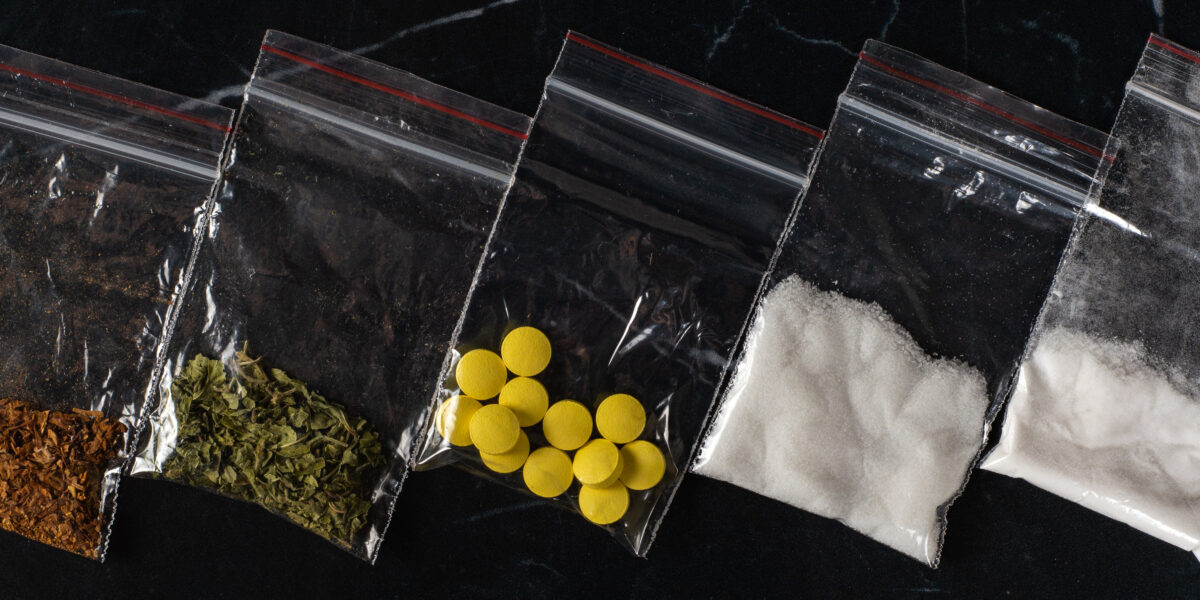
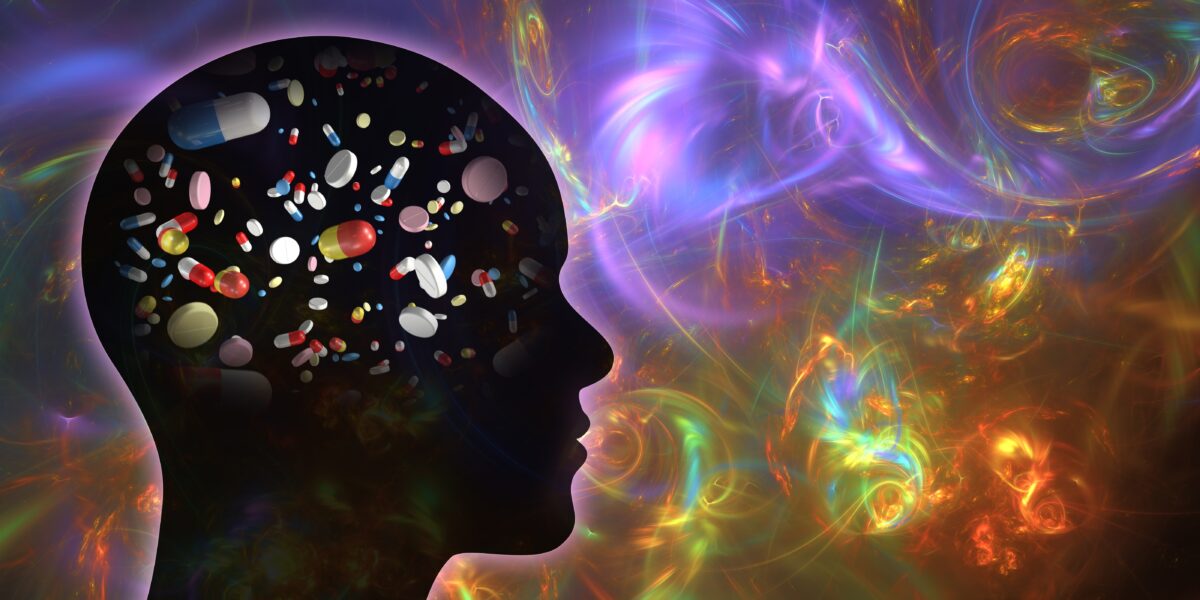
During parties and festivals, psychedelics are often consumed alongside other substances. When that is the case, the interactions between the two (or more) substances can lead to various effects, which are different from the ones experienced when each substance is taken on its own. For example, the combination of LSD and MDMA, also known as “candy flipping”, is known for generating a synergetic effect, where one can enjoy the best of both. But as some drug combinations generate fewer candies and more flipping, it is important to know what to avoid.  

The first thing to be aware of is that mixing often means going into uncharted territory. When drugs are tested in a laboratory, they are tested for their unique effects, and while there is some research into drug combinations, it is quite uncommon and mostly based on knowledge acquired from underground recreational use. Quantities also matter, and no ethical researcher will get their subjects as drunk as some people tend to get at a party. Nonetheless, there is valuable information on the subject, thanks to underground users, trip-sitters, psychonauts, and harm reduction services. In this article, I bring together some of those lessons, focusing first on the substances themselves and then on behaviors and attitudes to avoid. Lastly, a few rules of thumb are suggested.    

Polydrug Use: Looking at Substances

Much work has been done to help partygoers with informing themselves about drug combinations. There are many free online resources available, like Tripsit’s drug combination chart, which you can print and take with you. This kind of chart gets updated regularly to reflect new drugs and new discoveries, so it is a good idea to take a look from time to time. The risk level of each combination is indicated, from low-risk combinations that create synergetic effects like candy-flipping, to ones that pose real danger, like mixing ketamine with alcohol. (Ketamine and alcohol can be a dangerous combination because they both slow breathing, which could lead to respiratory depression, leading to low oxygen, unconsciousness, or even death. In addition, the combo can potentially result in blackouts, choking on vomit, severe confusion, and accidents and injuries due to profoundly impaired coordination and judgment.)

Websites like Trimbos Institute’s DRUGSinfo let you choose two substances to see how they react when combined. While the variety of so-called recreational drugs is smaller than on the chart, the site provides useful information about mixing drugs with prescribed medications, from antidepressants and anti-psychotics, to meds for asthma and diabetes, antibiotics, and anticonception pills. 

Common mistakes which people make are not taking all substances into account and not considering all the effects an interaction might have. As we mostly use the word “drug” for illegal substances, people pay less attention to possible interactions between drugs and legal substances they consume, such as prescribed medications, alcohol, caffeine, and sugar. This is one of the biggest misconceptions leading to harm, as some medications and supposedly softer substances are involved in some of the riskiest combinations.

The painkiller Tramadol, for example, is considered unsafe to mix with psychedelics: it creates a dangerous combination with almost any other substance on the chart. An average partygoer who takes a psychedelic at a party goes to the bar a couple of times to the bar to get a drink. They may also smoke a joint or two during the evening. While this is not what we have in mind when we talk about polysubstance use, this person has consumed a minimum of three psychoactive substances: a psychedelic, alcohol, and weed. Their drink may have contained another substance, such as a stimulant, and if their joint contained tobacco, we are already at five different substances. When they consider taking another drug, counting it as the second, checking how it would combine with the psychedelic is not enough – they are facing possible interactions between all of those substances. Note that the combination chart and most other resources only relate to interactions between two substances at a time. The more you add to the mix, the more unpredictable your personalized cocktail becomes. 

Another issue to take into account is indirect consequences. Let us take the example of alcohol and caffeine. The stimulating effect of caffeine was traditionally used to counteract the tiredness, dizziness, and slowness caused by alcohol. In the old days, people would even be served a cup of coffee in order to drive back home from the bar after a night’s drinking. While there are some immediate physical effects to the mix, like heightened blood pressure and heart rate, the real danger of this combination is revealed when zooming out of pure chemical effects to look at the bigger picture. While the coffee makes you feel less drunk, it does not eliminate the effects of the alcohol, and this is precisely what makes this combination so dangerous. The same goes for alcohol and other legal stimulants like cola and energy drinks, combinations which often come together in one glass.

Studies have shown that people who mix energy drinks and alcohol are more likely to engage in risky behaviour like driving or getting in a car with a drunken driver than people who consume only alcohol. Moreover, those who mix the two have a significantly higher chance of being taken advantage of sexually and also experience more binge drinking in the long run. Paradoxically, our attempts to subdue the effects of a drug using another can aggravate the situation even more.

Drinking can also be risky when combined with an illegal stimulant like cocaine. Here we see a similar story to that of alcohol and caffeine. Many people who are drinking heavily may eventually start doing bumps or lines of coke to ‘sober up’. Again, there’s the feeling of being less drunk; yet the effects of alcohol remain. What’s worse is that this feeling of sobering up can encourage someone to then drink more than they would if they didn’t do any cocaine, to regain the feeling of drunkenness. We also know that combining alcohol with cocaine results in the production of an even more harmful substance in the body: cocaethylene. This is chemically similar to cocaine, but with a significantly higher risk of cardiotoxicity: it increases the risks of heart attack, arrhythmia, and sudden death.

Another such example is smoking weed in order to relax when a psychedelic experience becomes too overwhelming. Depending on the set and setting, weed can intensify the psychedelic experience even more and enhance anxiety and rumination.

So, rather than dividing substances into general categories, make yourself a simple rule: if it goes into your body, you want to know what it is, what it does, and how it combines with other substances. Everything counts: whether you eat, drink, or smoke it, whether you take it daily or occasionally, and whether it’s recreational or prescribed by a doctor. Always check beforehand, and if you have a specific medical condition, double-check!


Polydrug Use: Looking at Behaviors

More important than avoiding any specific combination is avoiding certain behaviors and attitudes that can easily lead to harm. While I present them as caricatures here, they are based on patterns seen in harm reduction, and subtler versions of them may exist in each of us. The first character, whom I call Bottomless Pete, goes by the motto “the more the merrier”. Pete is so eager to get high that he ups the dose faster than he can feel the effects of the initial one. He hardly ever refuses a drug, definitely not if it’s for free. He’d try anything some random person offered him at a festival, even if he’d never heard about it before, and had no clue what it did.

Bottomless Petes come in many forms. Some of them like to take big doses and are proud of it, because “small doses are for kids”. Others don’t aim for large doses, but end up taking more because “the shrooms are not coming up”, and mixing to “get the acid going”. Some Petes go heroic “to support their spiritual process”. Nevermind the destination, what matters is that Pete could always use a little extra something to get somewhere. At some point on that road, Pete (or his friends) may realize that he has eaten more than he can chew and that he needs help. After all his efforts to make sure he has a memorable night, Pete often wakes up with no memory of last night whatsoever.

Our second character, the Alchemist, might have failed chemistry at school, but at a part,y they reincarnate into Sasha Shulgin. They typically arrive with an entire drugstore they collected with the help of their trusted dealer, friend who’s a doctor, neighbor who’s a vet, and anyone they know with a prescription for anything. The way the Alchemist sees it, all human problems have a drug solution, so better be prepared and take care of the whole group. That’s why when Bottomless Pete doesn’t feel well, his friends go to consult the Alchemist, who goes through their stock of uppers, downers, prescription medications for ADHD, epilepsy, and anxiety, sleeping pills, sedatives, electrolytes, and a bottle of scotch.

Took too many uppers? Here are some downers. Getting too psychedelic? Have some coke. Too much of everything? Take some sleeping pills. Worried friends gather around as the Alchemist turns simplified logic into chemical equations and supplies the ultimate substance(s) that would help make Pete calm and sober. The Alchemist sometimes needs help themselves, but it’s often their friends who end up at a harm-reduction tent. Not only are some of these combinations risky in themselves, but they also often aggravate the initial difficulty and blur what happened through the evening. You’d be surprised at how many people cannot answer the question “what did you take?” when they seek help. 

While these two characters may look a bit extreme, Sophia Constanza lives in each and every one of us. Sophia educates herself about drugs and takes care of the set and setting. She usually doesn’t overdo it and doesn’t take unnecessary risks like drinking and driving. Both Sophia and her friends characterize her as a reasonable and responsible person. The thing is that the image we have of someone, including ourselves, is static, whereas our state of mind (and body) keeps changing. So at 4:00 o’clock in the morning, after a couple of drugs and drinks and being awake for twenty hours, Sophia still feels she is the same person she was yesterday at 16:00 in the afternoon.

This illusion of having a fixed identity is one we live with all the time, drugs or no drugs, and most of us don’t give it a second thought. So when Sophia is offered another drug in the middle of the night, she doesn’t say yes immediately. She collects all her senses, which at this point are not so many, to seriously think whether this is a good idea.  Unlike Bottomless Pete, when Sophia seeks help, she doesn’t even understand how it could have happened to her, facing shame and guilt in addition to her drug-related difficulties.

Polydrug Use: The Ultimate Harm Reduction Tips

Looking at the combination chart, you will see that combinations with psychedelics are generally less dangerous than with other drugs, such as alcohol, GHB, or opioids. There is a lot less red on the left (psychedelic) side. The most dangerous known combination is with MAOIs, which are found in various medications, like certain antidepressants. At the same time, considering the lack of research, the high potential for abuse, and psychedelics’ tendency to enhance suggestibility, the consumption of drugs in general and polysubstance use in particular is a clear case of better safe than sorry. In addition to drug testing and self-education, basic caution can literally be a life-saver. Generally speaking, there are few hard rules and a lot of specific circumstances to take into account, but these four suggestions can and should be adopted at all times:

If it’s your first time with a substance, don’t mix it with anything! You are already experimenting… Don’t experiment with your experiment. 
If you are under the influence, don’t give yourself (and your friends) too much credit; remember that your judgment isn’t clear anymore. Every drunk driver was confident they could make it home safely until the accident. 

If you have a specific health condition or take any medication, always check for information regarding your condition and each drug beforehand, even if it seems completely irrelevant. Avoid discovering that your hyperthyroidism may be worsened by MDMA the day after.

Lastly, if you don’t feel well, reach out for peer or professional help and avoid taking more substances.  

Annabelle Abraham | Community Blogger at Chemical Collective

Annabelle is one of our community bloggers here at Chemical Collective. If you’re interested in joining our blogging team and getting paid to write about subjects you’re passionate about, please reach out to Sam via email at samwoolfe@gmail.com

share your toughts

Join the Conversation.

0 Comments
Inline Feedbacks
View all comments

Related articles

Our Products

Related Products

1V-LSD 150mcg Blotters

SALE! -35%

1V-LSD 150mcg Blotters From Original price was: €22.00.Current price is: €14.30.
(145)
1cP-LSD 100mcg Blotters
1cP-LSD 100mcg Blotters From 18.00
(137)
Tryptamine Mix and Match Pack (4 x 0.1g)
Tryptamine Mix and Match Pack (4 x 0.1g) 65.00
(1)
1V-LSD 10mcg Micro Pellets

SALE! -35%

1V-LSD 10mcg Micro Pellets From Original price was: €15.00.Current price is: €9.75.
(44)
1V-LSD 225mcg Art Design Blotters

SALE! -35%

1V-LSD 225mcg Art Design Blotters From Original price was: €35.00.Current price is: €22.75.
(62)
1S-LSD 150mcg Blotters
1S-LSD 150mcg Blotters From 29.00
(18)
1cP-LSD 150mcg Art Design Blotters
1cP-LSD 150mcg Art Design Blotters From 25.00
(74)
1V-LSD 225mcg Pellets

SALE! -35%

1V-LSD 225mcg Pellets From Original price was: €35.00.Current price is: €22.75.
(26)
1cP-LSD 10mcg Micro Pellets
1cP-LSD 10mcg Micro Pellets From 15.00
(23)
1D-LSD 225mcg Pellets (1T-LSD)
1D-LSD 225mcg Pellets (1T-LSD) From 42.00
(13)
5-MeO-DMT Freebase
5-MeO-DMT Freebase From 23.95
(36)
1S-LSD 10mcg Micro Pellets
1S-LSD 10mcg Micro Pellets 20.00
(3)
O-PCE HCL
O-PCE HCL From 17.50
(25)
1cP-LSD 20mcg Micro Blotters
1cP-LSD 20mcg Micro Blotters From 18.00
(28)
1cP-LSD 150mcg Pellets
1cP-LSD 150mcg Pellets From 25.00
(13)
rewards-icon
popup-logo

Reward program

popup-close
  • Earn
  • Affiliates