Welcome to
Chemical Collective

Are you 18 or older?

Please confirm that your are 18 years of age or older.

You are not allowed to access the page.

info-icon €100 for domestic (NL, CZ, DE) €125 for the rest of the EU, excluding stealth shipping

Free shipping over €50 & free tracked shipping over €100

Friendly customer service available 9-5pm Monday to Friday

Free shipping over €50 & free tracked shipping over €100

Friendly customer service available 9-5pm Monday to Friday

Your cart is empty

The Lanmaoa asiatica Mushroom: A Fungal Enigma

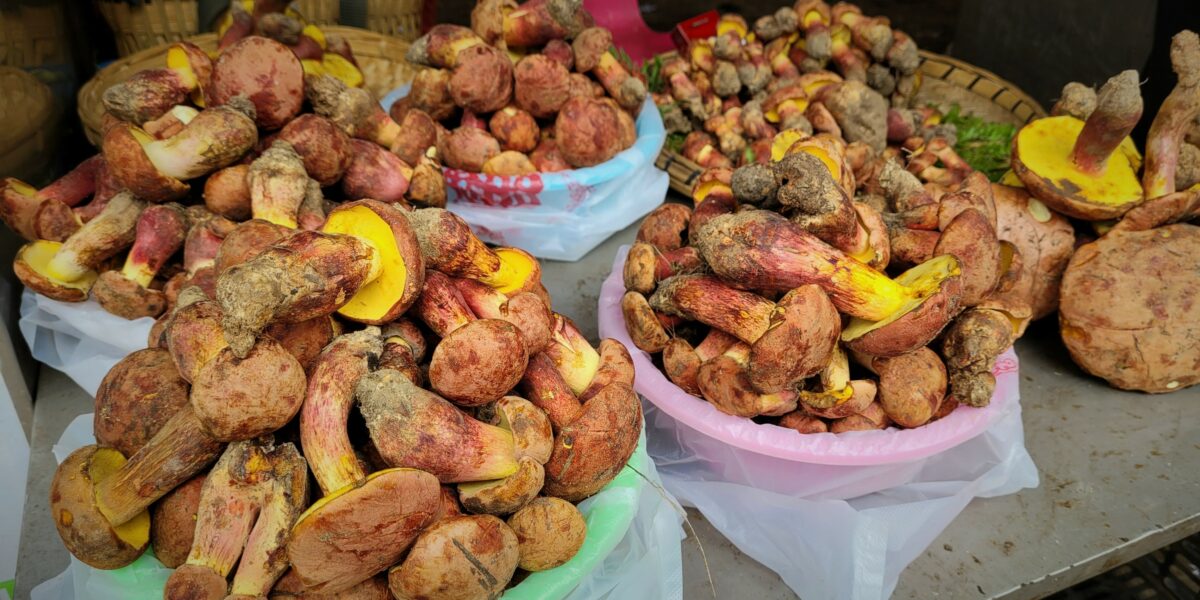
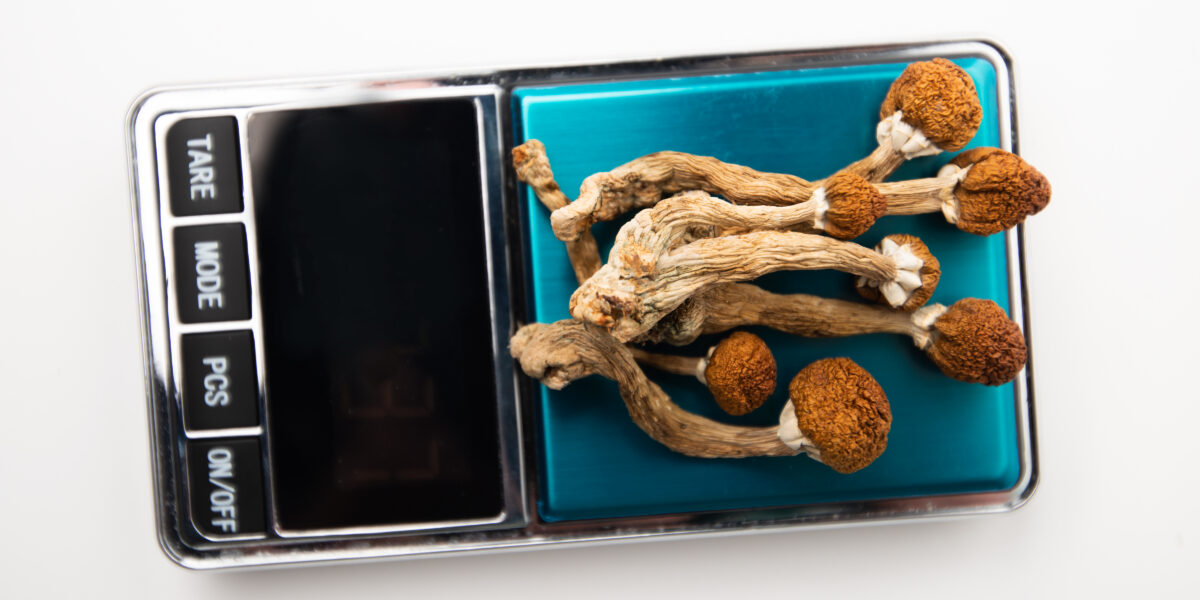
Lanmaoa asiatica mushrooms for sale. Colin Domnauer.
in this article
  • The Jiànshǒuqīng Mushroom of Yunnan Province, China
  • The Sedesdem Mushroom of Cordillera, Philippines
  • The Nonda Mushroom(s) of the Western Highlands, Papua New Guinea
  • Are There Any Other Closely Related Species?
  • Effects
  • Side Effects and Safety
  • What Are the Active Compounds?
  • How Do You Cultivate It?
  • Conclusion

Disclaimer: The views and opinions expressed in this article are those of the authors and do not necessarily reflect the official policy or position of Chemical Collective or any associated parties.

While psychoactive mushrooms such as the various psilocybin-containing species, and the muscimol-containing fly agaric (Amanita muscaria) are attracting ever-growing interest in both public and scientific circles, the bolete mushroom Lanmaoa asiatica is a much newer arrival on the scene when it comes to wider Western awareness. So new in fact, that the compounds responsible for its psychoactivity and their mechanism of action remain a total mystery at this time. The mushroom was formally assigned its current species name in 2015, considered a species of Boletus prior to this.

The Jiànshǒuqīng Mushroom of Yunnan Province, China

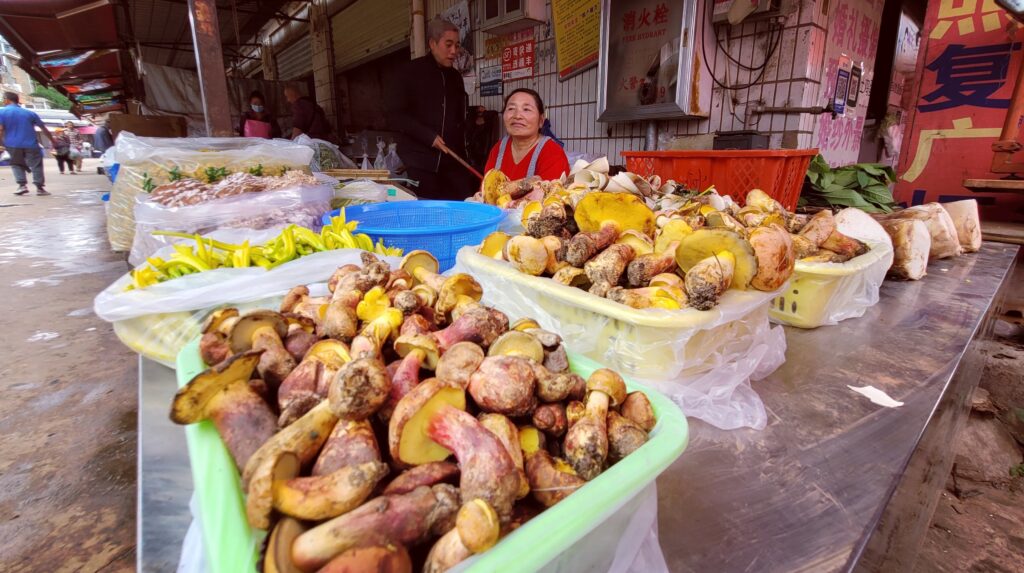
Lanmaoa asiatica is a highly revered culinary mushroom, favoured for its rich umami flavour, having a firm fan base in Yunnan Province in southwest China. Yunnan harbours a deeply mycophilic culture and staggering diversity of edible mushrooms, many of which are sold in open markets across the region. This particular mushroom is referred to there as Jiànshǒuqīng (‘see-hand-blue’, likely in reference to the flesh turning blue when exposed to air).


However, its consumption does not routinely result in hallucinogenic inebriation, which appears more likely to occur when it is ingested undercooked (Yunnanese restaurants tend to recommend a cooking time of at least 15-25 minutes). Restaurants in the region have developed a set of cooking and serving standards (including a ban on consuming alcohol when ingesting it), and the local government transmits short messages during the peak summertime mushroom season, warning of the potential for poisonings. Nevertheless, cases of hallucinogenic inebriation persist in the region, becoming a specialism of local hospitals.

Intoxication with the mushroom reliably results in vivid perceptions of animated little figures, or “xiao ren ren”. This appears to be a very common effect of the mushroom, with 96% of patients reporting such perceptions according to records at Yunnan Hospital. There are hints that knowledge of this mushroom has ancient historical roots. A prominent Daoist text, the Baopuzi (The Master Who Embraces Simplicity), which dates back to the third century CE, references a “flesh spirit mushroom” that can allow the consumer to “see a little person” and “attain transcendence immediately” if ingested raw.

Lanmaoa asiatica for sale in a Yunnanese market. Colin Domnauer.

The Sedesdem Mushroom of Cordillera, Philippines

Similar reports of mushroom intoxication have also emerged from the Philippines. University of Utah researcher Colin Domnauer visited the Cordillera region, collecting samples of the mushroom that he noted were smaller and light pink in colour, in comparison to the larger, redder Chinese mushrooms. Despite differences in appearance, genetic analyses revealed them to be the same species, Lanmaoa asiatica (demonstrating that the polymorphic and variable appearance of mushrooms – boletes in particular – can make their identification very challenging without genetic work). Among the Indigenous communities in the Philippines’ remote Northern Cordillera who collect it for culinary consumption, the mushroom is referred to as “sedesdem”, which they also report as occasionally eliciting perceptions of little people, or what they refer to as “ansisit.”

The Nonda Mushroom(s) of the Western Highlands, Papua New Guinea

Aside from China and the Philippines, there are also reports describing an intoxicating mushroom from the Western Highlands of Papua New Guinea. The Kuma people of this region ingest mushrooms they refer to as “nonda” (which is a generic term applied to mushrooms), which can evoke “komugl tai” or madness, this being first documented by a missionary in 1936. Intoxication with the mushroom inspires a particular form of traditional dance, primarily consisting of shivering movements. However, in contrast to the previous clear-cut cases pertaining to the Lanmaoa asiatica mushroom being ingested in parts of China and the Philippines, things are far more mycologically murky in this case, for a few reasons. 

The Kuma consumed a number of different mushrooms that they attributed to eliciting madness, with multiple species often eaten together as a mixed meal, making pinpointing intoxicating species challenging. There was also strong disagreement among the Kuma themselves about which species is responsible. (Intriguingly, Psilocybe mushrooms are present and known to the locals, but they appear to be considered inedible and avoided.) 

A survey conducted in the region in 2006 suggests that local knowledge of the mushrooms had been lost, with accounts of intoxication events having waned, with a lack of reports since the mid 1980’s. Wild foraged mushrooms have played a diminishing role in the diets of these people over the decades. In addition, those fungi attributed to causing intoxication are all ectomycorrhizal species, often forming mutualistic associations with trees, and accelerating deforestation and climate change in the region may have resulted in a greater scarcity of the mushrooms over time.

The Australian anthropologist Marie Olive Reay undertook an intensive ethnographic study of the “mushroom madness” phenomenon among the Kuma during the mid 1950’s. She estimated that only 10% of the Kuma population that consumed the mushrooms experienced psychic effects, and reported that they recognised four species of intoxicating mushrooms. She observed that symptoms were more common in the final phase of the dry season, and would move from village to village, lasting for 2-3 days. She noted that one person, apparently under the mushroom’s influence, reported encountering little beings, in the form of “bush demons flying about his head”. However, Reay expressed doubts that a mushroom was actually responsible for the effects, instead suspecting that it may have been a form of cultural theatre.

These reports inspired French mycologist Roger Heim and the American ethnomycologist Gordon Wasson to investigate, with Heim collecting mushrooms, and Wasson conducting an ethnomycological survey. Heim and Wasson recorded 12 species of mushrooms indicated by the locals to be responsible for inspiring mushroom madness (including a number of boletes and species of the genus Russula). Chemical testing was conducted on samples of one of these species, Boletus manicus, sent to Albert Hofmann by Heim. Analyses revealed the presence of trace amounts of three indolic compounds. Heim bioassayed tiny amounts of the mushroom on three occasions, reporting luminous, brightly colored visions in a subsequent dream in one instance. 

However, due to the inconclusive results of their investigations, Heim and Wasson (like Reay before them) expressed doubts that a mushroom was responsible for episodes of “mushroom madness” reported in the region. They felt it was more likely that claims of “mushroom madness” were more likely a cultural practice of ritualistically and theatrically “acting out”, perhaps functioning as a form of social catharsis. However, ethnobotanist Giorgio Samorini has pushed back against this view, stating that the possibility of the involvement of an intoxicating mushroom should not be dismissed.

A 2006 survey conducted at a village in the Western Highlands region reported that only two mushroom species (both Boletus species) were indicated to have intoxicating effects (although B. manicus wasn’t among them). One account was documented of a community elder, likely in his 90s, who described seeing “tiny people with mushrooms around their faces” that were “teasing him” after ingesting mushrooms.

Social anthropologist Henry Dosedla was served cooked mushrooms while hosted by members of the Asaro tribe in the Eastern Highlands Province. His amused hosts offered him a place to sleep, and during his sleep, he described becoming aware of “crowds of tiny warriors of a distinct turquoise colour throwing spears at me and trying to enter my bed”. It is interesting to note that in this case, perceptions of little people occurred during a dreamstate rather than during wakefulness. On waking, his hosts laughed when asking him about his dreams, suggesting that such perceptions appear to be a traditional local feature (also reported among the neighbouring SinaSina tribes). While use of intoxicating mushrooms appears to have been lost among the Kuna, such usage may be widespread in the New Guinean highlands among other groups, including the Kaimbi, Kewa, Gende, Asaro, Sina-Sina, and the Tairora.

Clearly, mushroom intoxication in a Papua New Guinean context remains a little explored frontier. Further work is needed to reveal whether the Lanmaoa asiatica mushroom, or other mushrooms with similar chemistry, are involved, or whether a mushroom is indeed responsible for these past episodes of “mushroom madness” at all.


Are There Any Other Closely Related Species?

There are a number of Lanmaoa species closely related to Lanmaoa asiatica in North America (e.g. L. pallidorosea, L. carminipes, and L. flavorubra), although there are no documented cases of hallucinogenic intoxication attributed to these species. However, such species do not tend to be eaten, and it is possible that their hallucinogenic effects may have been overlooked.

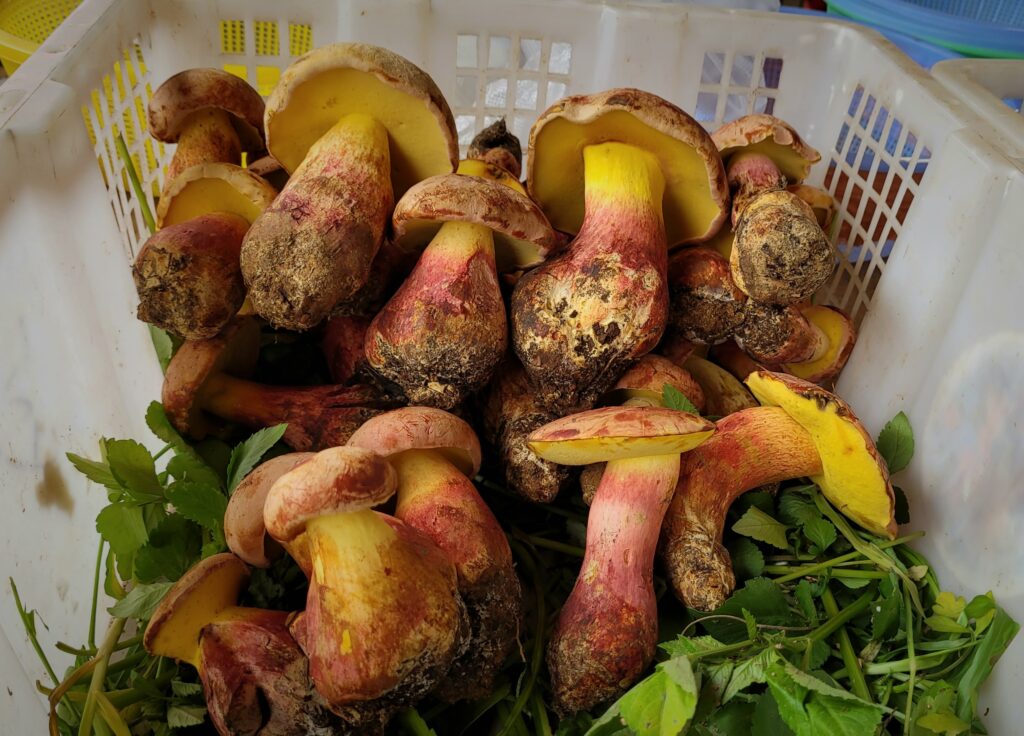
Freshly harvested Lanmaoa asiatica mushrooms. Colin Domnauer.

Effects

One standout quality of the mushroom is the very long-term effects it can elicit, and the lag time sometimes noted between ingestion and intoxication. The onset period for effects to manifest can be up to 12-24 hours (with one study reporting such a delayed onset in just shy of 70% of cases), and they may persist for up to three days, or longer in some cases (one person being hospitalised for a week after ingesting the mushroom). The extreme duration of these effects may be the reason why there isn’t a tradition of purposely ingesting these mushrooms for their hallucinatory effects across the cultures that seek them out for culinary reasons.

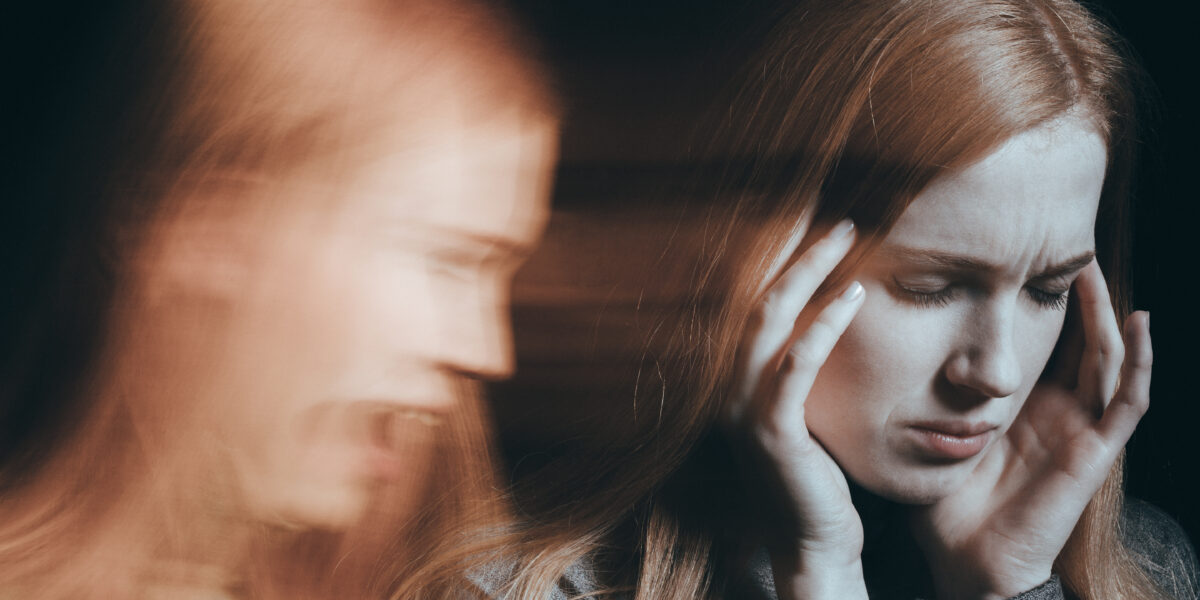
Another unusual quality of this mushroom is the apparent consistency with which intoxication elicits lilliputian hallucinations (a rare, clinically defined psychiatric syndrome, named after the tiny people in Gulliver’s Travels). This is characterised by the perception of numerous little and often vividly colourful figures autonomously moving about and interacting in the real-world environment in an animated fashion, often rendered in exquisite detail. Notably, one review of cases reported that in 97% of them, they were perceived as grounded in the actual environment, with them having been defined as “reality-grounded projective hallucinations”. This quality of these hallucinations suggests that higher-level regions of the brain’s perceptual network are involved, being capable of seamlessly integrating sensory and hallucinatory content.

According to Colin Domnauer, “the perception of little people is very reliably and repeatedly reported. I don’t know of anything else that produces such consistent hallucinations.” This is distinct from intoxication with familiar classical psychedelics such as psilocybin mushrooms, which are much more idiosyncratic and variable in their effects.

Intriguingly, such effects have been reported consistently by different cultures in various parts of the world, including by inhabitants of Yunnan Province in China, the Philippines and Papua New Guinea. Belief in “little people” of various kinds is a widely held belief by many cultures across the world. Could this mushroom or others like it have played a role in inspiring such beliefs?

As Domnauer notes: “That the same peculiar hallucinations are independently reported across distant cultures indicates that these bizarre psychological effects are not cultural fabrications or coincidences, but manifestations of a shared underlying chemical and neurological basis.”

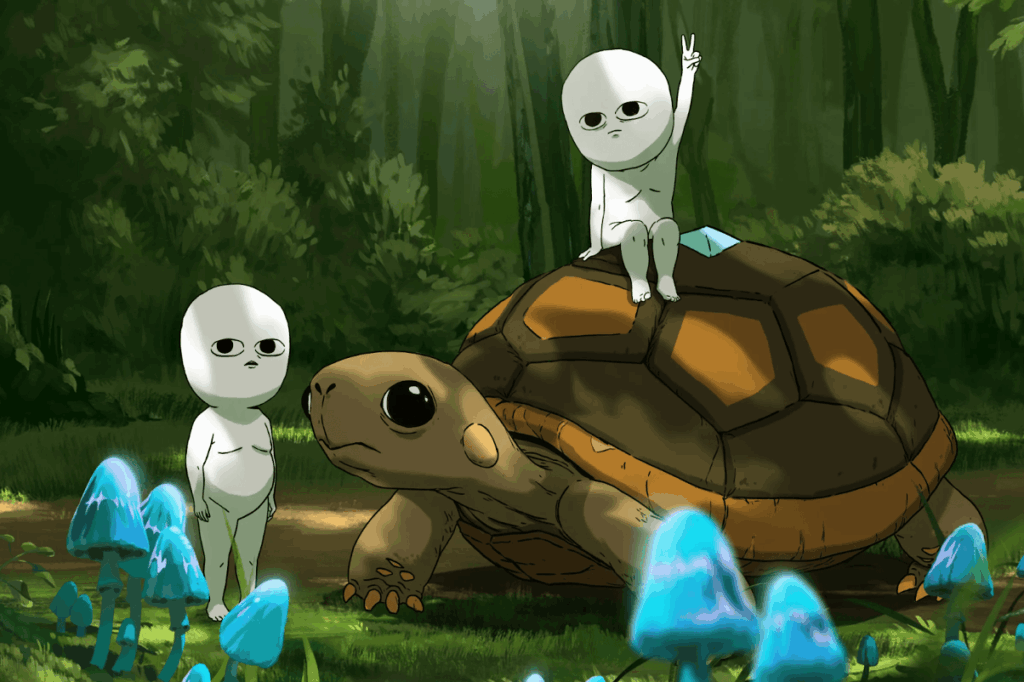
The effects of this mushroom bear a striking resemblance to the visionary effects depicted in the consumption of the potent healing mushroom featured in the animated series Common Side Effects. Other visual effects more typically associated with classical psychedelic intoxication have been attributed to intoxication with this mushroom, such as walls moving and shifting, perception of geometric patterns and strange shapes, objects transforming, and everything being rendered more beautiful in appearance. Auditory hallucinations and abnormal tactile sensations in the limbs have also been reported on occasion.

Promotional poster for Season 2 of Common Side Effects.

Lilliputian hallucinations have been associated with Charles Bonnet syndrome, a rare disorder associated with significant vision loss to the eyes, but where the brain’s visual cortex remains intact. While the hallucinations associated with it often consist of little figures, they can also take on different forms, both small and large, and simple and complex. More complex hallucinations may consist of predominantly silent but animated figures, in the form of people (often dressed in striking, colourful garments), but also animals (reported in a third of cases in one review) and fantasy figures, surreal objects, faces, or landscapes that appear life-like.

This mushroom isn’t the only substance known to elicit visions of “little people”. DMT appears to reliably elicit contact with little beings, and such effects also appear to occur across cultures, as in the case of this mushroom. The Indigenous Amazonian Yanomami use DMT-containing snuffs, derived from yopo and Virola. They report encounters with hekura or xapiri beings under the influence, which are said to exist in vast numbers and to take the form of small, luminous creatures, who are often highly animated, singing, and dancing. Western DMT users also commonly describe encounters with small, animated humanoids, described by some as “machine elves”.

However, DMT can elicit encounters with a broad ecology of different entities. Another notable difference between accounts of the two substances is that in DMT experiences, the beings tend to be perceived as residing within and interacting with hyperspatial environments, rather than projected onto the physical world (appearing to interact with it in accordance with physical laws) as is the case with intoxication with this mushroom, and the experience of lilliputian hallucinations more broadly.

Preliminary research on mice has found that when the animals are administered chemical extracts of the mushroom, their behaviour shifts markedly when compared to controls, eliciting a period of hyperactivity followed by a long stupor. While one must be cautious when making inferences from studies on animals when extrapolating to effects on humans, this does at least hint that there might be something more at play than a mass transcultural placebo effect.

Side Effects and Safety

Aside from its visual effects, intoxication with the mushroom may yield a range of physiological side effects, including gastroenteritic symptoms, primarily manifesting as nausea and vomiting in around half of reported cases in some studies (usually persisting for 1-6 hours after ingestion), with feelings of fatigue also reported in half of cases, and dizziness reported in a third of cases.

No evidence for impaired liver, kidney, or heart function or organ damage has been recorded in any cases of intoxication, with normal vital signs noted and no abnormalities noted on examination. No fatalities have been attributed to the ingestion of this mushroom in recent studies undertaken in Yunnan.

The median length of hospital stay reported in one study was 3 days, with just under two-thirds of patients hospitalised for 1-3 days, and a quarter hospitalised for 3–5 days. In rare cases, effects may persist for longer spans of time, and in this study, six patients were admitted to a psychiatric unit due to persistent psychological symptoms. Much as is the case with classical psychedelics, it would probably be wise for those with an underlying propensity for schizophrenia or psychosis to give these mushrooms a miss.

What Are the Active Compounds?

In contrast to psilocybin-containing Psilocybe species and muscimol-containing Amanita species, which are well documented, knowledge of psychoactive bolete mushrooms and their active compounds is much more limited. Initial chemical and genomic analyses of the fungus have so far revealed no trace of any known psychoactive fungal compounds, such as psilocybin or muscimol (or the genetic blueprints required to produce them), suggesting novel chemistry in this fungus still awaiting discovery. Across cultures where cases of intoxication have been reported, the mushroom is considered more likely to yield a psychoactive effect if undercooked (suggesting that the active compounds are sensitive to heat).

In one study, blood samples taken from those intoxicated with the mushroom were compared to those of sober controls. Analyses revealed a range of differential metabolites, including “benzene derivatives, organic acids and their derivatives, amino acid metabolites, and heterocyclic compounds.” Among these, amino acid metabolites and heterocyclic compounds are the most likely to express psychoactivity. Heterocyclic compounds encompass substances such as indoles (including tryptamine psychedelics) and beta-carbolines, with heterocyclic nitrogen-containing molecular rings often being a hallmark of psychoactivity.

One intriguing finding was that a significant upregulation in 5-methoxytryptophan (5-MTP) was noted in those intoxicated with the mushroom in comparison to sober controls. This is suggestive of a shift in tryptophan metabolism away from serotonin dominance. One possible consequence of an accumulation of 5-MTP and a shift in serotonin synthesis is the creation of 5-methoxytryptamine (5-MT), further evidenced by the detection of an upregulation of 5-methoxytryptophol, its breakdown product.

5-MT is a tryptamine derivative that acts as a highly potent and non-selective serotonin receptor agonist that occurs naturally in the pineal gland. In animal studies, it induces head twitching in rats and body shakes and limb jerks in monkeys, which are usually reliable indicators of a psychedelic effect in these animals (although in the latter case, it was considered to have less potent effects than LSD and 5-MeO-DMT). There has been very little human experimentation with this compound, but the very few testimonials that exist from people who claim to have sampled it suggest that it can amplify the effects of other substances, such as LSD and cannabis. While the possible presence of 5-MT isn’t adequate to explain the visual effects of the mushroom, it could act as a potentiator for other compounds in the mushroom.

Other changes include upregulation of compounds associated with energy metabolism (suggestive of changes in mitochondrial function), alongside upregulation of protocatechuic acid, a phenolic compound known to exhibit a variety of biological activities, including antioxidant, anti-inflammatory, and neuroprotective effects.

Research to identify the active compounds in the mushroom is ongoing. This involves fractionating extracts from the mushroom and conducting pharmacological assays on each of these in turn, so as to narrow down and eventually reveal the specific compounds responsible for its psychoactivity.

How Do You Cultivate It?

Unlike the various psilocybin mushrooms (e.g. Psilocybe, Panaeolus), which are saprotrophic (growing on decomposing plant matter), like cep (and Amanita muscaria), this species is an ectomycorrhizal fungus, growing in mutualistic association with trees. It is known to grow in association with the Yunnan Pine (Pinus yunnanensis). This means that cultivating this mushroom in a similar manner to psilocybin fungi indoors isn’t going to be feasible.

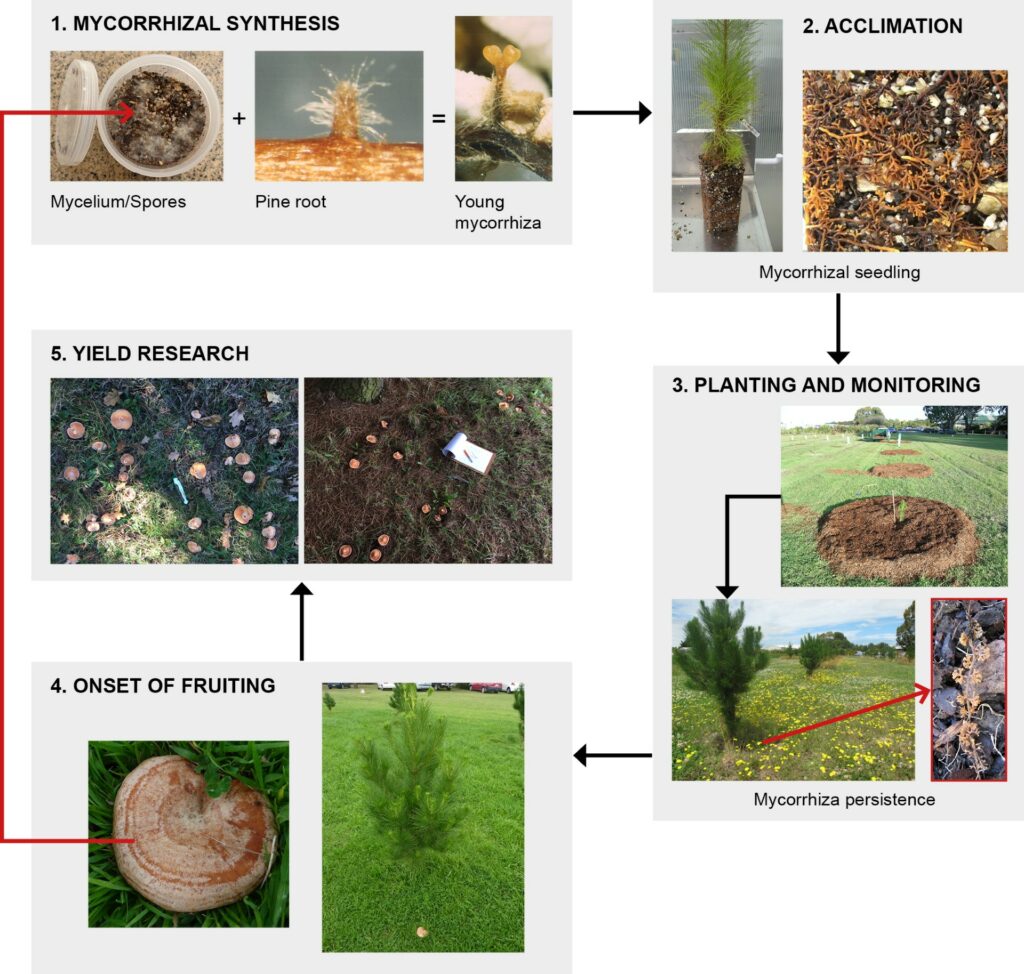
Cultivation of ectomycorrhizal fungi in association with trees is a practice still somewhat in its infancy, but an area of growing interest (this is the approach used in commercial truffle cultivation). Tree seedlings or cuttings can be inoculated with the mycelia of the target fungus. One study conducted in New Zealand by freelance scientist and edible mycorrhizal fungi cultivation expert Dr Alexis Guerin-Laguette investigated the inoculation of two species of pine, Pinus radiata and P. sylvestris, with the ectomycorrhizal fungus Lactarius deliciosus (saffron milk cap). This process involves several steps. 

The preliminary step is mycorrhizal synthesis, where the mycelium (or more rarely, spores) of the fungus is mixed with the substrate or soil (in clean but non-sterile greenhouse conditions) that is used when potting up the pine seedlings. Using a clean but non-sterile substrate helps avoid the shock that may otherwise occur if transferring the fungus from aseptic to open field conditions. Mycelial inoculum can potentially be obtained by propagating the flesh of the fresh mushrooms.

When the fungal mycelia have colonised the roots of the tree seedlings, the next step is to allow for acclimation, ensuring that the mycelia develop continuously throughout the root system. Successful colonisation and development of the target ectomycorrhizae should be confirmed, while ensuring that non-target species are either absent or present in quantities lower than the target species. The pine tree seedlings should also be healthy, free from pests and disease, while possessing a vigorous and well-formed root system. Once successful colonisation of the mycelium in the root systems of the tree seedlings has been confirmed, these can then be planted outside.

When doing this, it is important to consider a number of factors. The soil and climatic environment should be compatible with both the tree and the fungus, and planting inoculated seedlings of high quality should be prioritised. The presence of potentially competing ectomycorrhizal fungi should be considered, and if necessary, a management plan enacted to support the transplanted tree seedlings (encompassing things like weed control via mulching, protection against grazing animals, and irrigation if required). Ensuring a minimal distance between the transplanted tree seedlings and neighbouring trees harbouring potentially competing ectomycorrhizal fungi may be wise. Providing wind-breaks or shelter if necessary, and ensuring water availability if required for irrigation, may be helpful.

Cultivation cycle of a mycorrhizal fungus cultivated in association with pine. Source: Guerin-Laguette / Mycoscience VOL.62 (2021) 10-28. Courtesy of Alexis Guerin-Laguette.

It may be wise to plant a number of inoculated tree seedlings, in the hope that the higher quantity of the target fungal species transferred to the field via the tree seedlings may be more likely to yield successful persistence and development of the mycorrhization by the desired species under field conditions. This method of cultivation requires patience; it may be several years before mushrooms are produced. However, one advantage of using Yunnan pine is that it is a fast-growing tree species.

However, it should be noted that the ecological impacts of invasive non-native fungi are being increasingly recognised, with efforts by spore vendors to withdraw the sale of golden oyster cultures, due to their invasion of ecosystems on both sides of the Atlantic. Some invasive ectomycorrhizal fungi can disperse in the absence of their known spore vectors and can, in turn, facilitate the spread of invasive, non-native trees, including pine.

Conclusion

This is an exciting time on the mycological frontier. It is estimated that only 5-10% of the world’s fungi species have been formally identified, and this recent discovery of the apparent transculturally consistent lilliputian hallucinations elicited by the Lanmaoa asiatica mushroom represents the opening of a fascinating new chapter in ethnomycology. This doesn’t stand alone, with the recent discovery of the traditional cultural usage of a number of Psilocybe mushroom species in southern Africa, highlighting that many more fascinating discoveries are likely waiting to be revealed.

A better understanding of Lanmaoa asiatica mushroom could potentially shed light on the brain mechanisms underpinning lilliputian visions, which could in turn provide a deeper insight into the workings of the brain, and possibly lead to the development of treatments for people who develop the neurological condition. The active compounds in the mushroom could also lead to new drug discoveries, some of which may have medical or therapeutic relevance. Even a familiar mushroom such as Lanmaoa asiatica, held in high culinary regard and found in markets and upon dinner plates, may hold secrets yet to be revealed.

Sam Gandy | Community Blogger at Chemical Collective

Sam is one of our community bloggers here at Chemical Collective. If you’re interested in joining our blogging team and getting paid to write about subjects you’re passionate about, please reach out to Sam via email at samwoolfe@gmail.com

share your toughts

Join the Conversation.

0 Comments
Inline Feedbacks
View all comments

Related articles

Our Products

Related Products

1V-LSD 150mcg Blotters
1V-LSD 150mcg Blotters From 22.00
(145)
1cP-LSD 100mcg Blotters
1cP-LSD 100mcg Blotters From 18.00
(137)
Tryptamine Mix and Match Pack (4 x 0.1g)
Tryptamine Mix and Match Pack (4 x 0.1g) 65.00
(1)
1V-LSD 10mcg Micro Pellets
1V-LSD 10mcg Micro Pellets From 15.00
(44)
1V-LSD 225mcg Art Design Blotters
1V-LSD 225mcg Art Design Blotters From 35.00
(62)
1S-LSD 150mcg Blotters
1S-LSD 150mcg Blotters From 29.00
(18)
1cP-LSD 150mcg Art Design Blotters
1cP-LSD 150mcg Art Design Blotters From 25.00
(74)
1V-LSD 225mcg Pellets
1V-LSD 225mcg Pellets From 35.00
(26)
1cP-LSD 10mcg Micro Pellets
1cP-LSD 10mcg Micro Pellets From 15.00
(23)
1D-LSD 225mcg Pellets (1T-LSD)
1D-LSD 225mcg Pellets (1T-LSD) From 42.00
(13)
5-MeO-DMT Freebase
5-MeO-DMT Freebase From 23.95
(36)
1S-LSD 10mcg Micro Pellets
1S-LSD 10mcg Micro Pellets 20.00
(3)
O-PCE HCL
O-PCE HCL From 17.50
(25)
1cP-LSD 20mcg Micro Blotters
1cP-LSD 20mcg Micro Blotters From 18.00
(28)
1cP-LSD 150mcg Pellets
1cP-LSD 150mcg Pellets From 25.00
(13)
rewards-icon
popup-logo

Reward program

popup-close
  • Earn
  • Affiliates