While DMT is currently making headlines for its incredible rapidity, psilocybin is still very much the leading substance currently being investigated. On 17th February, Compass Pathways announced they had hit the primary endpoint in their massive COMP006 Phase III trial. They were testing COMP360, their own synthetic psilocybin, on people with treatment-resistant depression (TRD). With 581 participants across North America and Europe, this is easily one of the biggest and most serious studies we have ever seen in this space.
Because the results were so good, Compass has already asked for a meeting with the FDA to talk about a rolling submission for a New Drug Application. They are looking to have that all wrapped up by the end of the year. This is a massive deal. We are now looking at a very real timeline in which psilocybin could be a legal, prescribable medicine in the West by 2027. As stated in the previous story in relation to COMP360, however, the issue will lie perhaps less in the efficacy of the substance itself, but rather in our ability to scale it so it is accessible.
The trial confirmed that “COMP360 25 mg versus 1 mg demonstrated a highly statistically significant and clinically meaningful reduction in symptom severity as measured by MADRS”.
Just like with the previous DMT study, changes occurred very quickly. People saw improvements the very next day after their first dose, and those gains stuck around through the entire six-week period.
The durability data looks promising, too. About 39% of the people in the 25 milligram group saw a real difference at six weeks, and for those who responded, the benefits lasted all the way to the 26-week mark. Safety is always the big question with these compounds because of the old stigmas, but Compass reported that most side effects, like headaches or nausea, were mild and mostly gone within around 24 hours.
The study found that “across both Phase 3 trials to date, COMP360 [demonstrated] a generally well-tolerated and safe profile with no unexpected safety findings.” There is also “no evidence of a clinically meaningful imbalance between treatment arms in suicidality in either study”.
That is a vital stat when you are dealing with a group as vulnerable as those with TRD. Kabir Nath, Chief Executive Officer at Compass Pathways, said:
Across three robust, well-designed and well-executed clinical trials involving more than 1,000 participants, we have now demonstrated consistent, highly statistically significant results at the primary endpoint and a clinically meaningful effect. This is a remarkable achievement for the field of psychiatry – especially in the TRD population, where proving benefit has historically been extraordinarily challenging.
Guy Goodwin, MD, Chief Medical Officer of Compass Pathways, explains the importance of the study as a whole:
“TRD patients have extremely limited treatment options, and the unmet need remains profound. The promising clinical profile of COMP360 reinforces our belief in its potential to set a new standard of care for this population.”
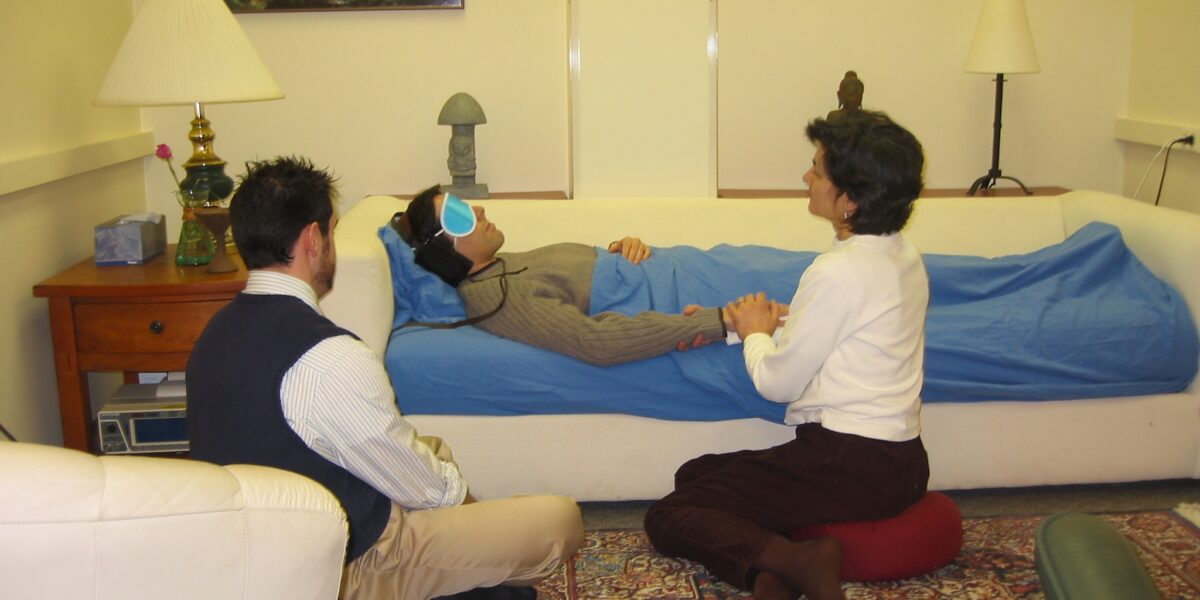
COMP360 has a very unique profile. For patients who have tried every pill on the market and failed, a treatment that only requires one or two doses is a total paradigm shift. Compass Pathways is now focusing on the final regulatory hurdles and the practical side of things, like training enough therapists and figuring out how to fit this into the existing psychiatric system.


















































share your toughts
Join the Conversation.