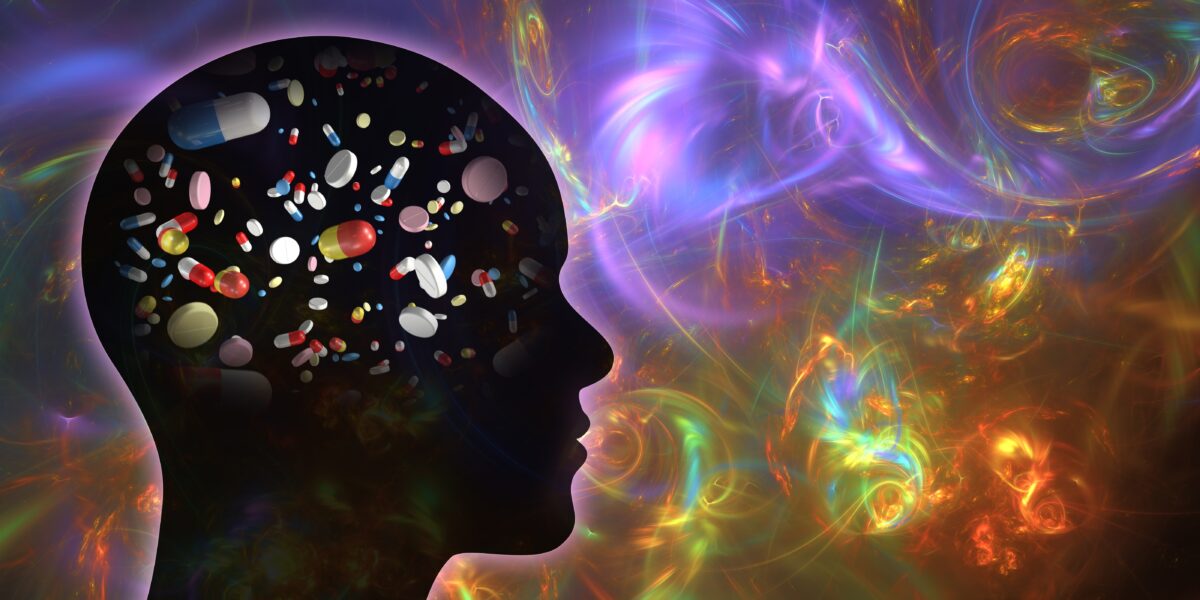
A recent press release from ACS titled “Less trippy, more therapeutic ‘magic mushrooms’” was published on 6th March, in relation to a study in which researchers revealed a new batch of modified psilocin derivatives. The data was published in the Journal of Medicinal Chemistry. A team led by Sara De Martin, Mattarei and Paolo Manfredi engineered five psilocin derivatives. They were designed for slower, non-hallucinogenic release. The data was particularly focused on the novel compound “4e”.
In rodent testing, 4e was the most promising candidate because it enabled a gradual release of psilocin, which could potentially lower the hallucinogenic effects. Most importantly, 4e retained activity at the serotonin receptors believed to be responsible for psychedelics’ beneficial therapeutic effects, at levels comparable to psilocin.
But, does it actually work? Many argue that the insights gained from the trip itself are the entire point of the experience. Is fixing the chemistry, not the psychological perspective, just a plaster on a broken bone? Context is key.
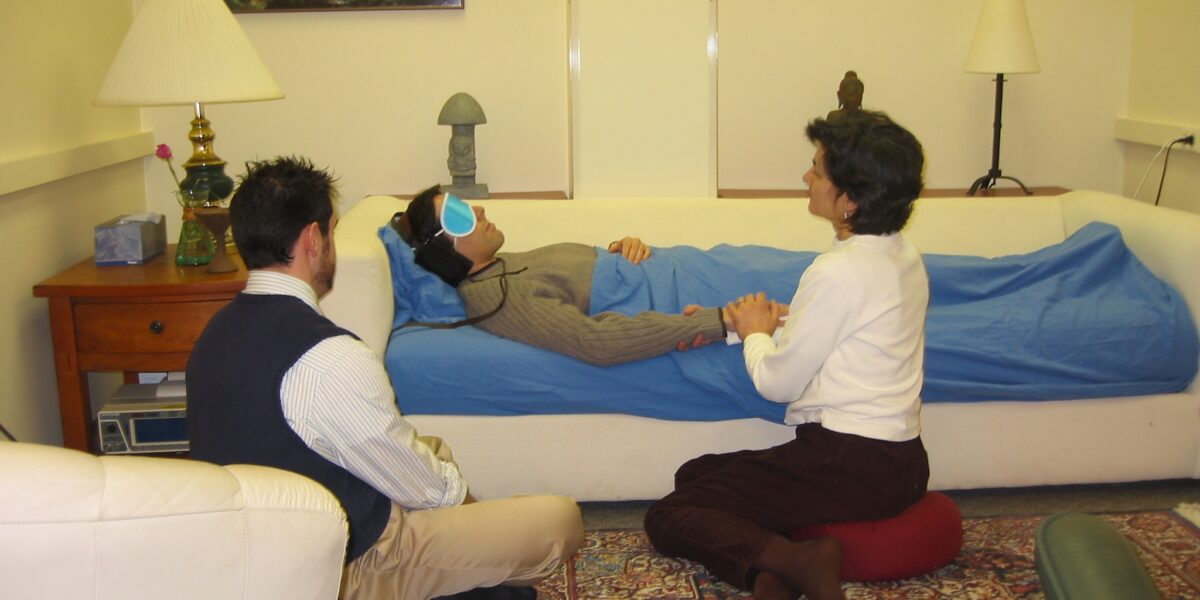
For pharmaceutical companies and the healthcare system as a whole, a pill you can take at home safely, without the need for constant supervision or chance of a bad trip, is a game-changer. Eight-hour experiences, as with classic psilocin, are likely impossible to scale, at least currently.
Perhaps a multi-tier future is on the cards, with different compounds for different levels of trip desired. Clinical journeys (likely for those who can afford it) and simple prescriptions for others.






















share your toughts
Join the Conversation.
This is weird!