in this article
- Traditional Use of San Pedro
- Expectation vs Experience - My First Encounter
- Integration of Heart-Opening Energy
- The Power of Gentle Medicine
Are you 18 or older?
Please confirm that your are 18 years of age or older.
You are not allowed to access the page.
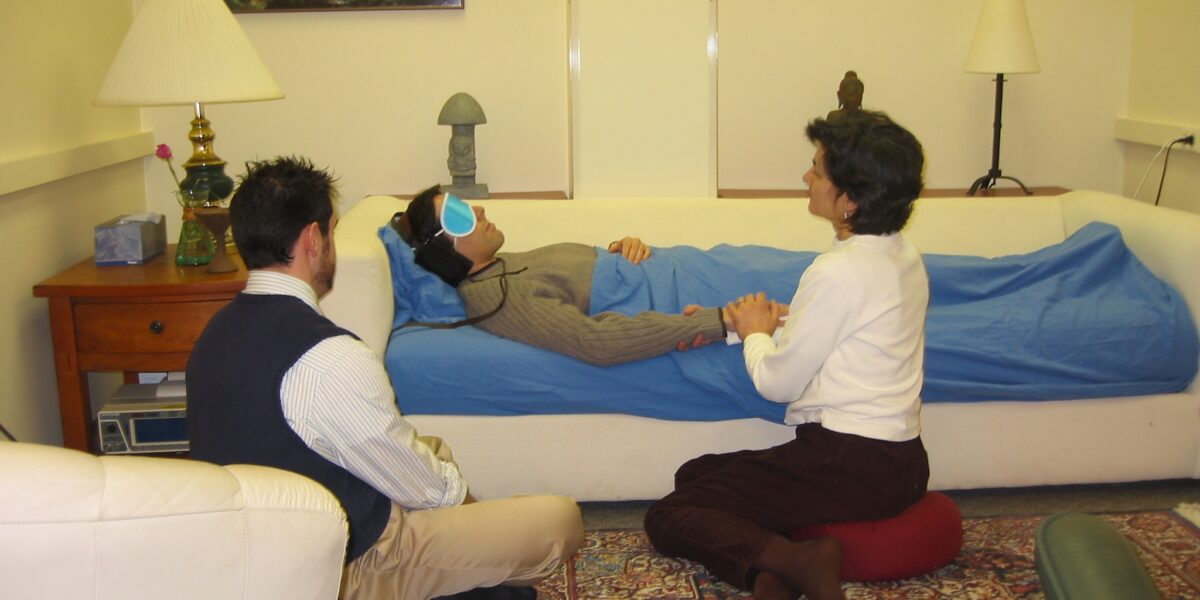
Known as huachuma in Quechua (meaning to “cut off the head”, which refers to cutting away the ego), the San Pedro cactus has reportedly been consumed for around 2000 years. It is thought to facilitate the connection between mind, body, and spirit, and in 2018, I took part in a ceremony facilitated by Casa de la Gringa in Cusco, Peru. My expectation for my first-ever experience of a plant medicine ceremony was that it was going to be intense. I’ve had lots of prior experience with psychedelics at this point, but never in a ceremonial group setting.
I was in a place I’d never been to before (albeit in quite lovely surroundings in a house on top of a mountain) with people I didn’t know. I would be consuming a plant I’d only had very limited previous experience with during my time at university, at a time when you were still able to purchase the dried cactus online in the UK. This was certainly a different experience from mixing foul-tasting powder (think of spirulina combined with MDMA…yum!) into water, and instead involved drinking what seemed like a pint of foul-tasting gooey, thick liquid, followed by a lemon-flavoured boiled sweet to soothe our palettes.
We all gathered inside a yurt, which provided a central point at the property, and spoke one word of intention before drinking the cactus liquid. If I’m totally honest, I’ve forgotten what my word of intention was, but clearly that intention was helpful, as I noticed the effects of the liquid much sooner than expected. I had gone to this ceremony with my girlfriend at the time, and we were instructed to find a spot on our own in the garden (and explicitly not engage with our partners).
Sitting in this spot on my own allowed for a lot of emotion to flood out almost immediately, but I wasn’t necessarily struck by any kind of intensity. Although I was offered a second glass and declined, I actually found the experience a lot more gentle than I was expecting. On reflection, the second glass would have been a good decision, but perhaps the experience gave me what I needed. I’ll be exploring this in a bit more detail, but perhaps we can find a lot of unexpected transformation from experiences which at first seem quite subtle.
In comparison to other psychedelics, San Pedro certainly has provided me with one of the most (if not the most) gentle experiences, where perhaps the slower and more gentle energy has created more space for insights without feeling overwhelmed by massive epistemic revelations. The subtle nature of San Pedro might have initially left me feeling a bit disappointed with the lack of intensity, but later on, through the weeks, months, and years, I’ve realised the importance of how it facilitated big shifts and long-lasting open-hearted energy. Having then later explored more of the traditional use, I was able to integrate this experience further and understand why it could possibly now be the most profound psychedelic experience I’ve ever had.
San Pedro seems to be one of the oldest used plant medicines, with fossil remains having been found in Peru, in the Guitarrero cave of the Callejón de Huaylas valley, which date from as far back as 6800-6200 BCE. At the Chavín de Huantar site, also in Peru, there is evidence of San Pedro stone engravings that date from the year 1300 BCE. Further archaeological evidence suggests that San Pedro has been used for magical-religious purposes in different Pre-Columbian cultures, including Cupisnique (1500 BC), Moche (100-750 AD), and Lambayeque (750-1350 AD).
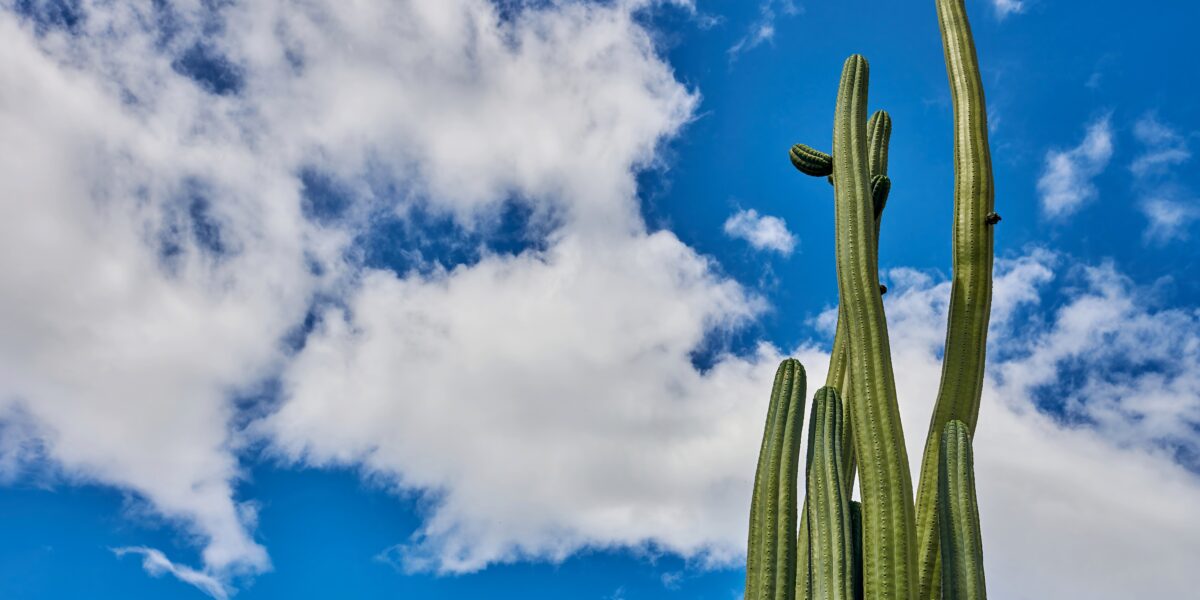
Formerly classified as Trichocereus pachanoi, and now known as Echinopsis pachanoi, this large columnar cactus (which can reach up to 20ft in ideal conditions!) is native to Peru, Ecuador, Bolivia, and Chile, growing between 2000-3000m in mountainous, semi-arid environments. When I was travelling around the Andes region, it seemed like it was everywhere, and it was almost hard to spot a cactus that wasn’t San Pedro!
This might lead you to think that something that seems to just grow everywhere is hardly special or noteworthy, but San Pedro plays a big role in Andean healing and is seen as something which can connect healers to the spirit world. Interestingly, its name refers to Saint Peter, who is thought to have held the keys to the Kingdom of Heaven, suggesting that this cactus offers a path to connect with this realm that can provide healing.
In the Southern Highlands of Ecuador, the indigenous Saraguro have utilised the cactus as one of their most common sacred plants, offering a pathway to strengthen social ties within different relationships, as well as providing a variety of health benefits on a spiritual, emotional, and physical level. For hallucinogenic purposes, it can allow the healer to attain an altered state of consciousness, which can reveal a patient’s condition and determine the appropriate treatment.
On a physical level, drinking the San Pedro beverage may induce nausea and vomiting, or cause diarrhea which can purge the system of things that have affected the patient’s health. There might also be an emotional purging, which leads to tears, providing an emotional release which is also considered a form of healing.
Unlike Ayahuasca, which is typically seen as a feminine energy, San Pedro offers a masculine spirit and is traditionally referred to as “grandfather” with a gentle, wise, and grounding nature. This way of interpreting the energy of the cactus allows us to see through the lens of an indigenous epistemology, where plants like San Pedro are seen as teachers which allow us to gain knowledge from the spirit world, rather than being viewed within the context of hallucinogens or drugs.
This interrelationship between humans and the cactus lends itself to the “heart-opening” qualities of San Pedro, where one can engage with the ideas related to Pachamama, the Andean Mother Goddess, which represents the universal energy that ties everything together. This sense of connectedness, relationality, and reciprocity with nature can allow for profound healing to take place and create space for emotional clarity regarding our connection to ourselves and the world.
This emotional clarity is something which I was aware of as the first thing to come up in my experience, where I became aware that any visuals or hallucinations I would encounter wouldn’t necessarily have any relevance compared to the emotional outpouring.
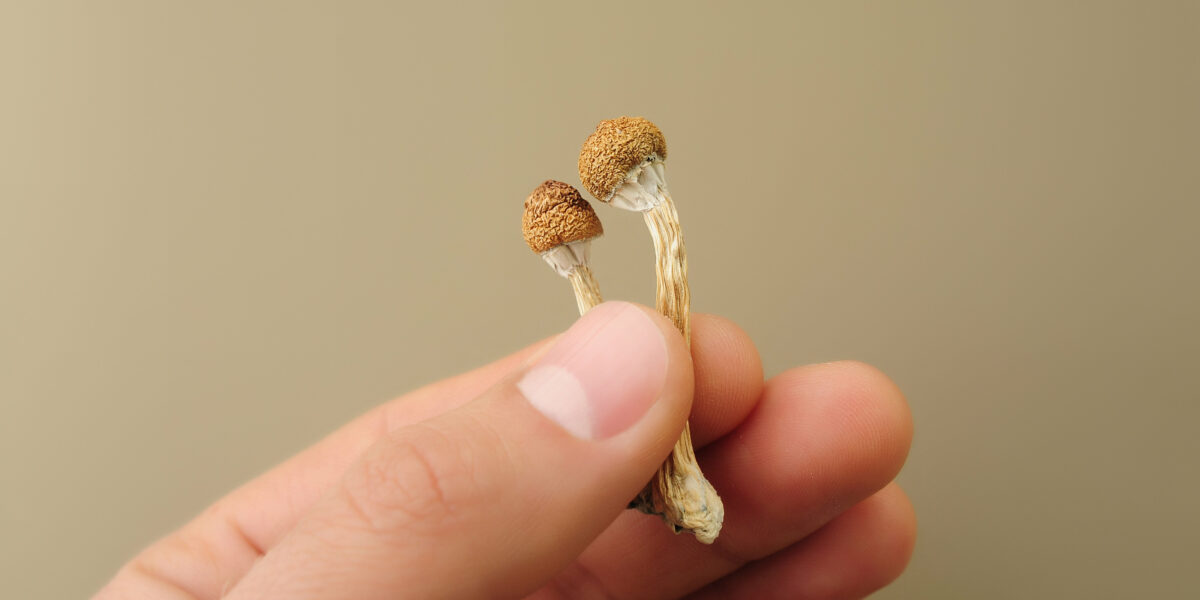
Although I’d had previous experience with San Pedro during my time at university, and was aware of the gentle nature of it, that experience was almost 10 years prior to taking part in the ceremony in 2018. My two friends and I had done some research online and took what we thought was a recommended dose for a proper trip (around 20g of dried powder each, which was NOT easy to get down)…nothing happened for about two or three hours, and then we all started to feel it. It was a rather lovely and pleasant time, where we went for a walk in the woods for most of the day and then spent some time together in the evening.
I don’t remember anything particularly profound about that trip, despite it being a very positive and fun experience. So when I was in Peru almost 10 years later, I was keen to take part in a ceremony where I thought I would have more of an intense experience than simply taking some powder with friends in the woods. I have often wanted to experience what peyote is like due to it containing a higher concentration of mescaline compared to other psychoactive cacti like San Pedro, but I thought a ceremonial dose of San Pedro might provide something of a similar experience. I’m not really sure what my thinking was with this or how I had prepared myself to think that this experience was going to be at a certain level of intensity.
My past experiences with other psychedelics, which have at times been quite intense, created unrealistic expectations where I was comparing the San Pedro ceremony to past experiences, and feeling like I wanted more out of it (this was most likely down to me thinking about it within the context of having a trip, rather than taking part in a ceremony). Despite the perceived lack of intensity, I was surprised at how quickly I noticed the effects of cactus, where it very easily started to unlock some emotional floodgates once we had all taken our spots in the garden outside the yurt.
The ceremony progressed with recorded music being played and a local healer cleansing us with a giant condor feather, which was a fascinating experience given its size and weight! Some of the music being played was to my liking, but then I noticed music which I just simply found cheesy – like I was in a wellness spa, rather than being on top of a mountain in Peru.
I thought, “Oh, this isn’t what I signed up for”, and I certainly noticed some ego coming in, where I thought, “I’m a psychedelic musician, I shouldn’t be around music that I find cheesy…this isn’t a proper psychedelic experience”. To which the cactus almost responded with “who are you to be judging?” – and in that moment, I really experienced the heart-opening potential of this medicine. I recognised the benefit of the group experience, in that other people who were there might actually be finding this music to be incredibly profound. Just because I’m a musician doesn’t make me any better at deciding what is or isn’t suitable music for this situation. I was aware that I’d existed so much in a place of cynicism, where I couldn’t just allow myself to be comfortable and open in certain situations.
This moment felt very gentle, and not like I was being told off by the cactus – it simply felt like an invitation to open my heart to others, and recognise where everyone can find moments of healing which will serve them at the time when it’s most needed. In recognition of the other, I was able to really do some healing on myself, which had been needed for a long time, and I’m not sure if I would have been able to do that entirely on my own. I’ve had many psychedelic trips with friends, but there’s often been a sense of having to balance out the group consciousness without any healer or shaman to facilitate (as well as the potential for someone else to influence your trip too easily), and this has led me to explore solo tripping in recent years.
Perhaps in an overly controlling way, I’ve enjoyed solo tripping because I’m able to decide where I go, what I do, or what music I listen to without having to navigate some kind of collective group decision. When hearing late great Kilindi Iyi speaking about high-dose (20+ dried grams) mushroom experiences in 2012, he mentioned how tripping with friends is all well and good, having a nice time in the forest, etc., but only when you’re by yourself can the mask truly come down. I appreciated this for a while, especially when it came to the introspective side of solo tripping – but also found the group setting with San Pedro in a structured environment to be like no other experience I’ve had previously, or any since then.
After sitting in our individual spots in the garden, we then went for a short walk around some Pre-Columbian archaeological sites, where we ceremonially walked in and out of a temple, representing Pachamama, each leaving a coca leaf in offering. The shared experience of walking around these sites helped to create a sense of togetherness and unity, as well as providing me with a personal sense of comfort as I resonated with the ruggedness of the mountain in Cusco, feeling like the UK shared some similar energy to this landscape. Later on, some of the participants decided to stay overnight at the property, while the rest of us took taxis down the mountain back to our hostel.
Ordinarily, in psychedelic states, I might have found this experience a bit too much like coming back into the normal world. But instead, I felt such a sense of peace and calm, as well as joy, seeing residents of Cusco as we descended into what is known as the “Navel of the World”, which was the political, spiritual, and cultural heart of the Inca Empire.
I felt a real sense of openness just seeing people going about their daily lives and then getting back to the hostel with a few of the other participants felt like a nice end to the day – we ordered a pizza all together and shared some fun conversation and laughs, almost like the experiences I was used to when tripping with friends, only there was more of a shared sense of having been through an intentional and structured experience together.
I felt a lovely afterglow that lasted for a short while, but there was still this feeling of the experience having been too gentle. Despite the profound moments I encountered, there was still this feeling of wanting more from the experience. Interestingly, I was offered a second glass of San Pedro, but at the time I declined (I think perhaps from the fear of being in a totally new place with complete strangers), but in the days after my experience, there was a sense that I could have gone much deeper. I even messaged the person who had put me in contact with the organisers, and this person, who had worked with the plant quite extensively themselves, assured me that the intensity I was hoping for isn’t really how San Pedro works. I thought back to the ceremony, where we were informed that if you vomit during the experience, it’s because there is something to come out – but if you don’t, then it means the plant has more work to do. I didn’t vomit during my experience, and it didn’t happen in my previous experiences during university either.
I put my faith in the idea that there was long-term work to do, and coincidentally, I managed to purchase some San Pedro powder from the local market, where I decided to microdose during the following weeks to be more focused on integration. The small doses of powder (just one teaspoon in water) provided a reminder and an anchor, where I was able to connect back to the moment of letting go of cynicism and opening up the heart. When I think about this, there is a very real sense of releasing tension stored in the area around my heart and a sinking back into a place of softness, where the ego isn’t necessarily dominating the situation.
This plant has worked through me over a long period of time, and I still continue to connect to it, despite being on the other side of the world without any access to it. San Pedro has taught me such a valuable lesson in seeing how coming to every situation with an open heart can serve myself and others in a positive way. When there seems to be increasing instability in the world, can we take the lessons from experiences such as this to create more love within our immediate circles and communities?
Contemporary research on the naturalistic consumption of mescaline has shown general improvements for psychiatric health, as well as enduring positive life changes. This enduring aspect is something that, for me, is key to the experience of San Pedro, and I don’t necessarily feel a particular urgency to revisit it, as much as I feel a strong connection to the plant. There’s a sense of being able to tap back into something that initially felt so gentle, but also provided a stern reminder to maintain the open-hearted energy.
Perhaps it could be a plant that is explored more within the realms of psychedelic-assisted psychotherapy, but the research has been fairly limited when it comes to the psychological effects of San Pedro. I guess “heart-opening” is too vague a pitch for investment; however, there can be some ways to offer experiences that are more therapeutic than ceremonial. San Pedro ceremonies have also now made it over to the West, where countries such as Spain and the Netherlands have relaxed laws that allow for these kinds of experiences to take place.
While there are certainly pitfalls in culturally appropriating these practices into the West, there’s some argument to be had for San Pedro being a useful substitute for peyote, which is considered to be endangered. However, this is due to the fact that San Pedro can be cultivated successfully outside of its native habitat at a faster rate than peyote, but there is still the issue of unsustainable wild harvesting in Peru’s Sacred Valley.
Perhaps we can take the gentle energy from the experience of San Pedro to be more gentle when it comes to extracting these resources, and find ways to maintain a sense of interrelationality with nature, where we can be more open-hearted in the way in which we engage with the world and others around us. I feel that this plant has crossed my path a number of times because this softer, more open energy is what I’ve needed for so long…and I think many people in the world would feel the same. We can experience grief in a collective way, and the world is forever going through various moments of grief, which seem to just result in the continuation of war and suffering.
I don’t want to sound too much like a stereotypical hippie and say that all we need is love, but perhaps the only way out of this continued collective suffering is through compassion and open-heartedness, which can provide an antidote. Some scientific research has suggested that just 10% of a population can influence the rest of society if they hold an unshakable belief, so perhaps if we hold on to the idea of pursuing gentle, open-hearted energy, there might still be hope for the world yet.
Oli Genn-Bash | Community Blogger at Chemical Collective | linktr.ee/oligennbash
Oli is one of our community bloggers here at Chemical Collective. If you’re interested in joining our blogging team and getting paid to write about subjects you’re passionate about, please reach out to Sam via email at samwoolfe@gmail.com
Welcome to Chemical Collective.
Create an account to earn 200 welcome points.
Already have an account? Sign in
Check out our Community Blog and get involved with the conversation. You will be awarded 50 x ChemCoins for each comment up to a limit of 250 total ChemCoins.
Have you purchased any of our products? Reviews and reports are so important to the community. Share your honest opinion, and we’ll reward you with 50 ChemCoins for each review!
Every time you complete an order with us, you’ll be awarded ChemCoins for each Euro spent.
Welcome to Chemical Collective.
Create an account to earn 200 welcome points.
Already have an account? Sign in
Earn commission every time someone makes a purchase through your link.
When you become an affiliate, you will be allocated a unique link to share with your friends, followers, subscribers, or Aunt Susan.
You can choose to payout the commission earned once per month, or save it up to receive on a rainy day! Commission earned is 5% of the total order value per referral.
Contact us to join the Chemical Collective family and become an affiliate.
share your toughts
Join the Conversation.