Though the CIA unsuccessfully utilised psychedelic substances for mind-control, criminals have proved their own success.
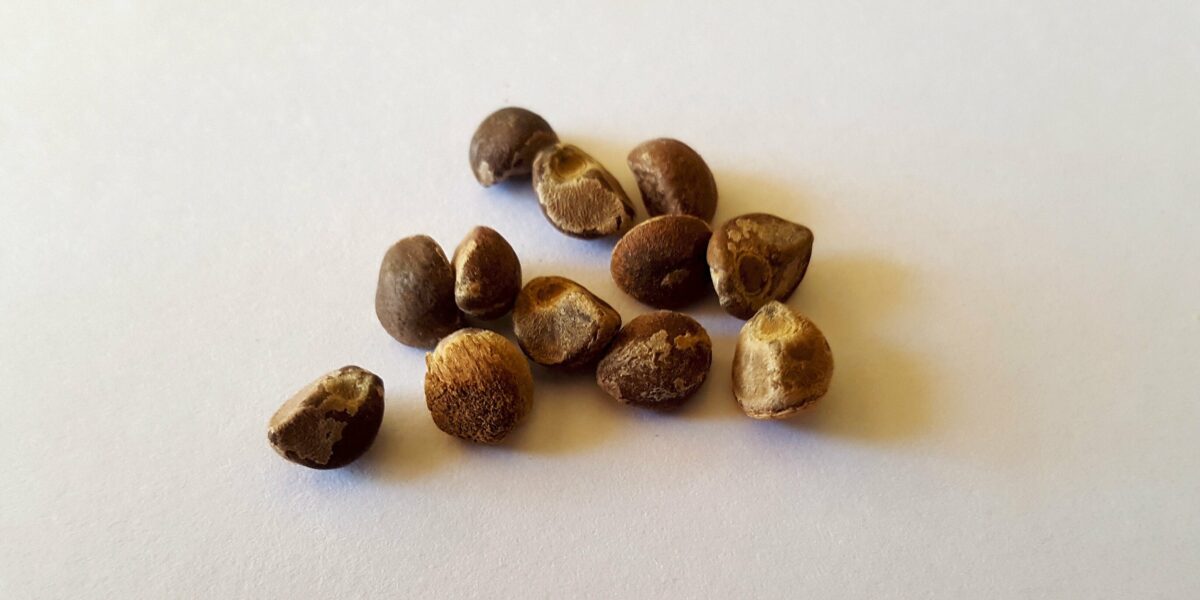
In Colombia, robberies involving scopolamine, extracted from locally growing related Brugmansia species, have been a rife criminal activity since the 1950s. There have been many cases of victims unwittingly dosed with powdered extracts of Datura stramonium and Hyoscyamus albus in drinks and cigarettes. The plants are so potent that sometimes the powders are simply just blown in someone’s face.
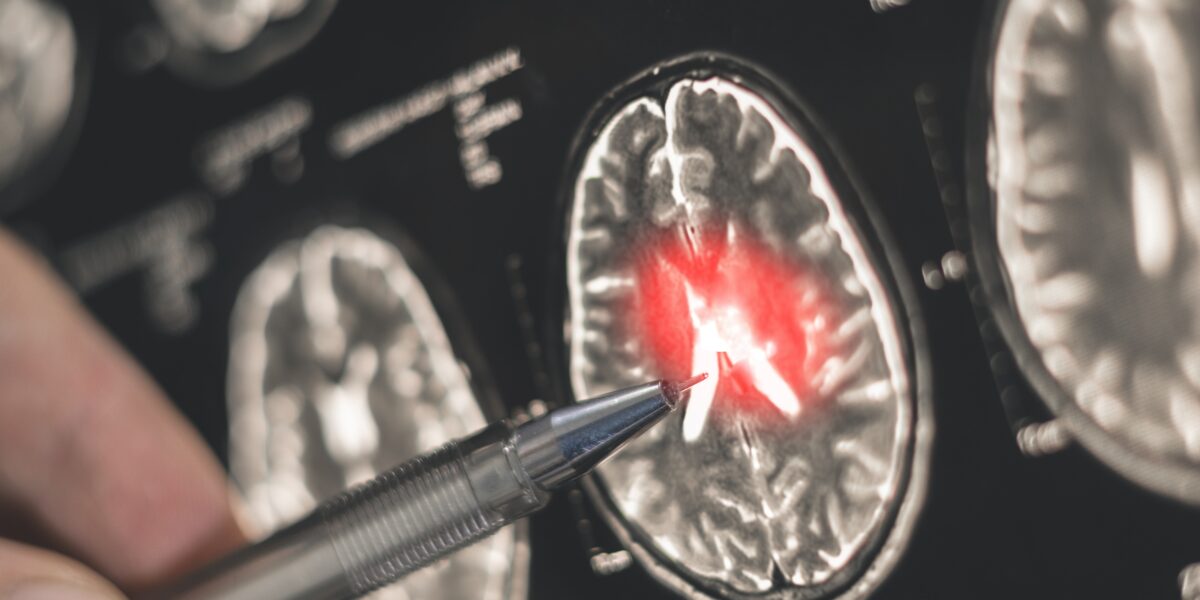
In the brain, scopolamine blocks the activity of acetylcholine, a chemical messenger that plays an essential role in memory. It is particularly vital in episodic memory, the capacity to remember personal experiences, and semantic memory, a general knowledge of the world.
When scopolamine disrupts acetylcholine function, people can forget who they are and where they are. They become extremely susceptible to the demands of others, so much so that there have been cases of people willingly withdrawing cash from bank machines to give to robbers. One Colombian woman even recounted that she’d led a man to her house and helped him gather her valuables from inside.
What makes scopolamine perhaps even more ideal for criminals is that it blocks people’s ability to form new memories. Victims enter a state of anterograde amnesia, meaning they often wake up from an experience without any recollection of who it was that stole all their belongings, kidnapped them, or sexually assaulted them, or that these events even happened at all.
“Victims often surrender their valuables to the criminals without resistance. Neither the victim nor the surrounding people are aware that a crime is being committed and, as a result, there are usually no witnesses,” wrote the authors of a paper titled ‘Million Dollar Ride: Crime committed during involuntary scopolamine intoxication’.










































share your toughts
Join the Conversation.