Welcome to
Chemical Collective

Are you 18 or older?

Please confirm that your are 18 years of age or older.

You are not allowed to access the page.

info-icon €100 for domestic (NL, CZ, DE) €125 for the rest of the EU, excluding stealth shipping

Free shipping over €50 & free tracked shipping over €100

Friendly customer service available 9-5pm Monday to Friday

Free shipping over €50 & free tracked shipping over €100

Friendly customer service available 9-5pm Monday to Friday

Your cart is empty

Could Psilocybin Innovate Lyme Disease Treatment?

stephanie-price

By Stephanie Price

shutterstock 2449871697
in this article
  • What is Lyme Disease?
  • Why Psilocybin for Post-treatment Lyme Disease?
  • What Did the Study Find?
  • The Future of Lyme Disease Treatment?
stephanie-price

By Stephanie Price

Disclaimer: The views and opinions expressed in this article are those of the authors and do not necessarily reflect the official policy or position of the Chemical Collective or any associated parties.

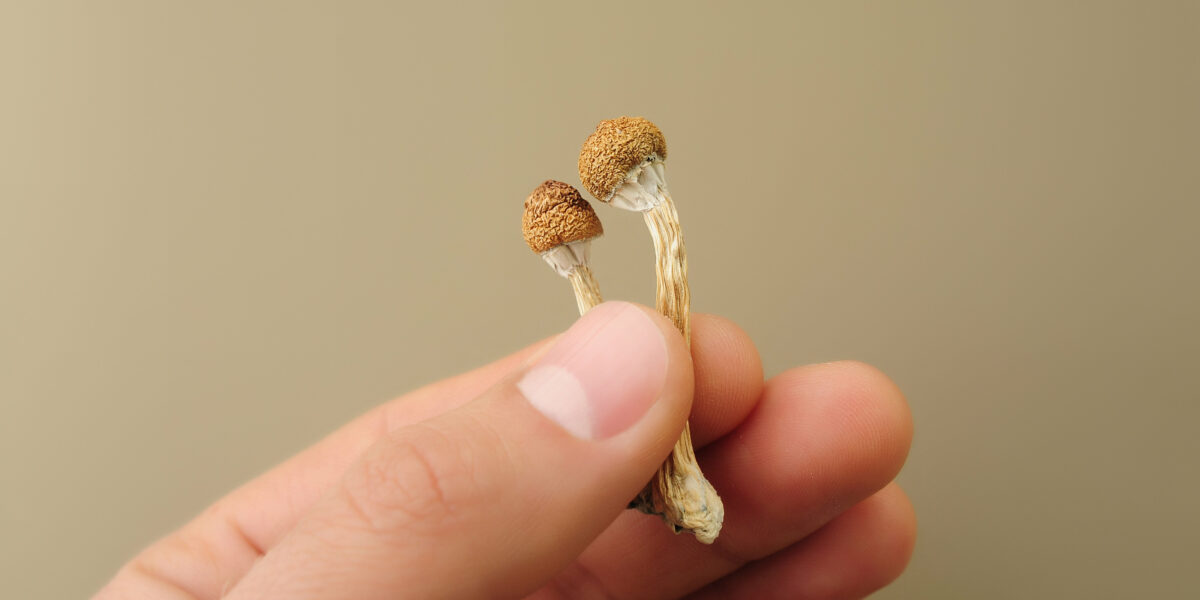
Psilocybin in combination with psychotherapy has been shown to reduce symptoms of brain fog, fatigue, and pain in people with post-treatment Lyme disease in a new study. 

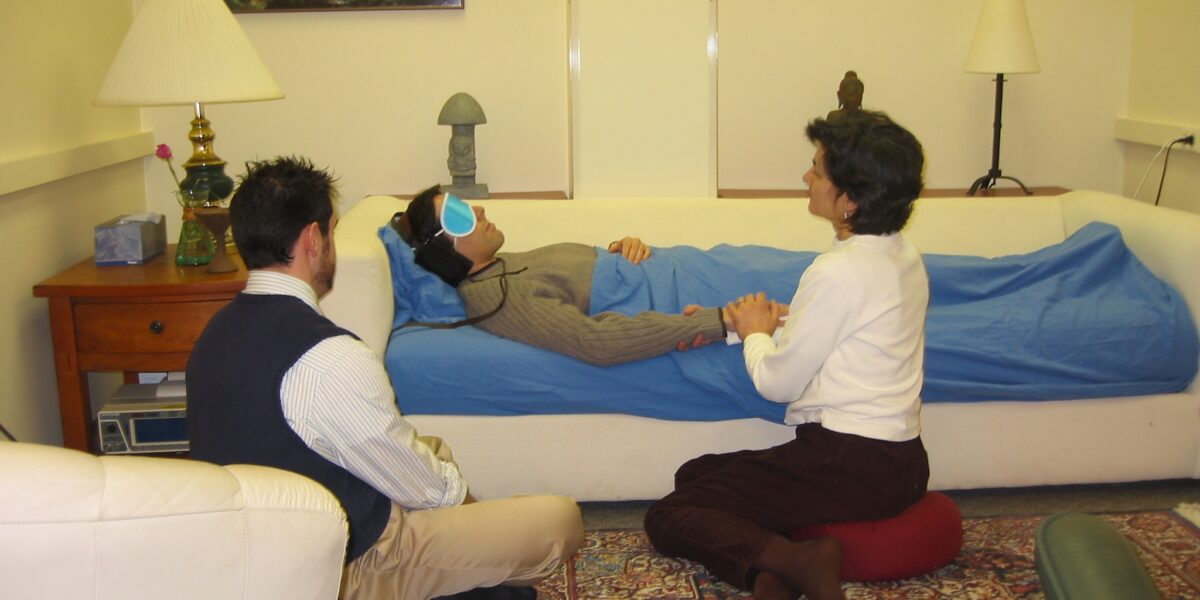
The open-label pilot study from Johns Hopkins University also found that psilocybin-assisted therapy improved mood and quality of life in participants with the multisystem infection.

According to the university, the researchers wanted to investigate psilocybin for the treatment of Lyme disease due to its demonstrated antidepressant, anti-anxiety, and possible anti-inflammatory effects.

Data shows that there are an estimated 85,000 cases per year of Lyme disease in Europe, 3,000 in England and Wales, and the highest reported number of cases is in central Europe.

With a lack of available treatment for the progressed disease, these numbers highlight an urgent need for innovation in the area.

What is Lyme Disease?

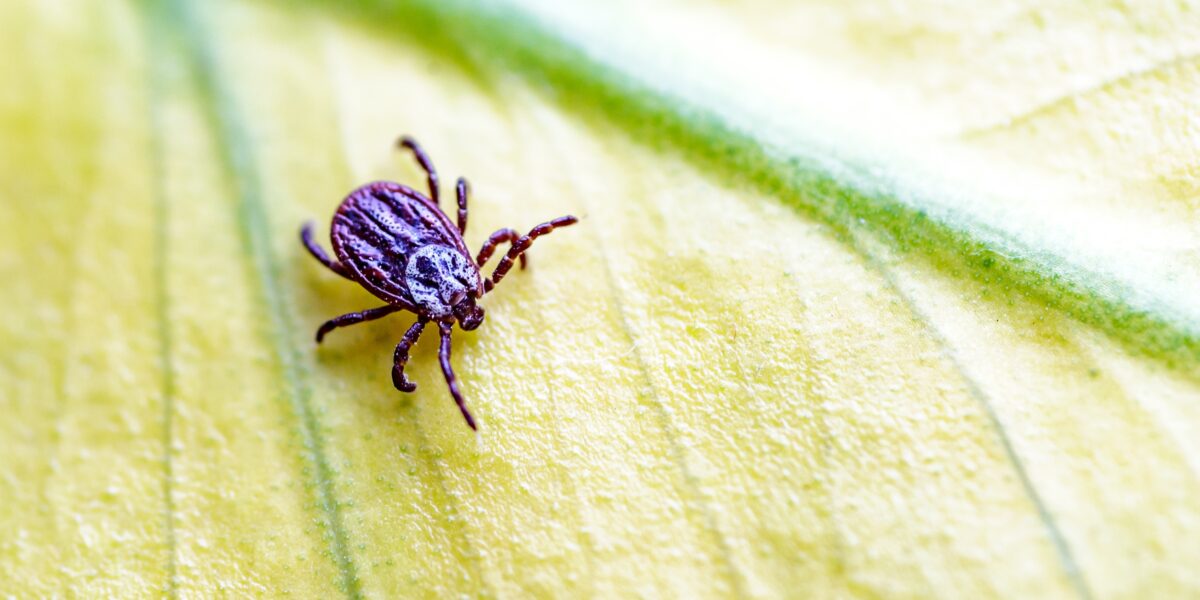
Ticks are one of my biggest fears. Not in a run-away-screaming way, but in a way that makes me incredibly alert when I wade through fields and woodlands. 

The giant threat of Lyme disease from this microscopic, almost invisible creature, fills me with dread because there are no treatments available for the infection, and its slow, subtle progression causes a widespread dysregulation of the body’s homeostasis. 

I tuck my pants into my socks. I warn my friends to check the ground before we set down a picnic blanket. I scan my inner elbows, ankles, and knees when I return from a walk. 

Caused by the bacteria Borrelia burgdorferi, Lyme disease is passed to humans through the bite of infected ticks. More often than not, it is passed by black-legged ticks known as deer ticks

Initially breaking into a bullseye rash, the Borrelia burgdorferi bacterium spreads from the site of bite through the body, causing chronic immune dysfunction, nervous system dysfunction, neuroinflammation, joint pain, and disruption of both the gut-brain axis and HPA axis (the latter of which regulates the body’s stress response). 

If caught early enough, the bacteria can be cleared from the body with antibiotics, but if not, the result is post-treatment Lyme disease. This causes chronic fatigue, pain, and cognitive and mental health problems that can have a profound impact on quality of life and well-being for many years. 

Most concerningly, if unable to be treated, in rare cases, the infection can result in death.

Why Psilocybin for Post-treatment Lyme Disease?

People living with post-treatment Lyme disease seldom show signs of active infection, suggesting that the bacteria are hiding throughout cells in the body. This ability of the bacteria to hide within body tissue makes it difficult to clear the infection once it has progressed. 

While antibiotics have been successful in clearing the infection in its early stages, research has demonstrated that attempting to use antibiotics to clear post-treatment Lyme disease is no better than a placebo, with some studies showing that patients treated with intravenous antibiotics had serious adverse events, some even requiring hospitalisation.

Serious adverse events include septic shock, osteomyelitis, Clostridium difficile colitis, and paraspinal abscesses.

Researchers have suggested that ongoing post-treatment Lyme disease symptoms are related to an autoimmune response to the tissue damage and inflammation caused by the pathogen, further highlighting that the bacteria inhibit antibody-mediated killing by “binding to host-derived proteins that prevent the activation of immune pathways that would otherwise lead to their destruction”.

With the evasiveness of the bacteria making the symptoms almost impossible to treat, the Johns Hopkins research team turned to psilocybin because of its demonstrated promise in treating symptoms caused by the disease in other research.
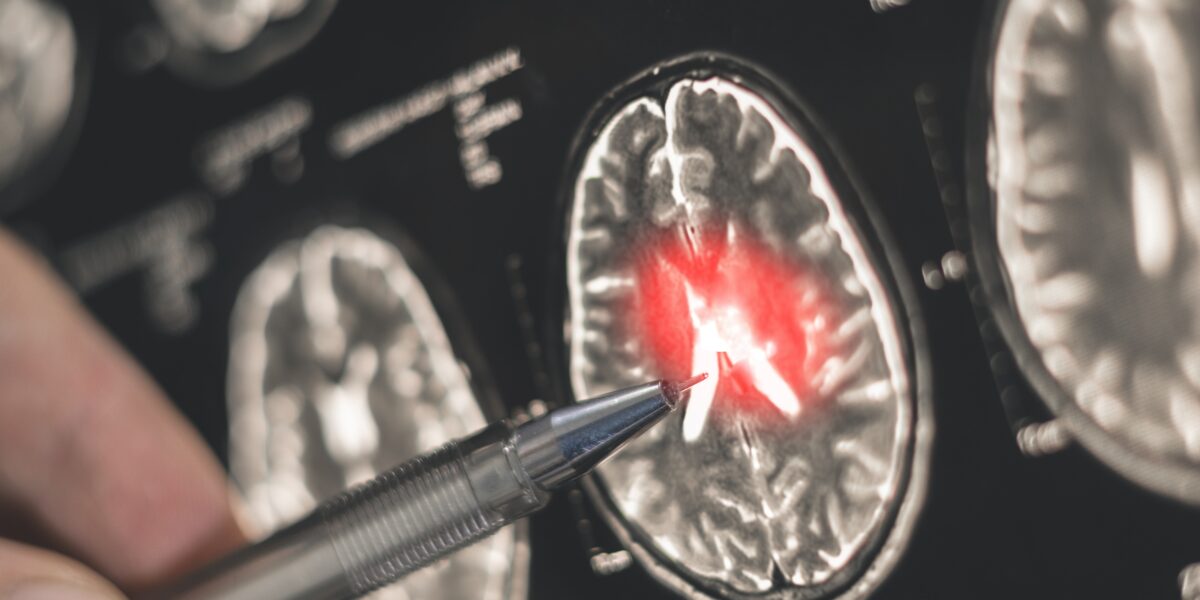
For example, anxiety and depression are two of the biggest symptoms caused by the infection, and multiple studies have demonstrated that psilocybin holds potential for the treatment of both of these mental health conditions. 
For example, a Phase 2 study of psilocybin for treatment-resistant depression demonstrated reduced depression scores over a period of three weeks, and a further clinical trial demonstrated rapid and sustained symptom reduction of anxiety and depression in patients with life-threatening cancer.

Inflammation is also a hallmark of post-treatment Lyme, and further studies have demonstrated that psilocybin may hold anti-inflammatory properties.

What Did the Study Find?

The pilot study investigated psilocybin-assisted psychotherapy in 20 participants with post-treatment Lyme. 

The majority of participants had post-treatment Lyme for more than five years, and demonstrated symptoms such as viral-like illness, late Lyme arthritis, neurologic disease, erythema migrans, major depression, and ADHD. 

Further, according to the researchers, one participant reported Bell’s palsy and another reported postural orthostatic tachycardia syndrome (POTS), a chronic autonomic nervous system disorder where an individual is unable to control their heart rate on standing, often leading to fainting. 

Taking place over eight weeks, participants were administered two doses of psilocybin in combination with psychotherapy, at either 15 mg or 25 mg doses.

Symptoms were tracked, including mood, fatigue, and pain, as well as quality of life, and patients were assessed with questionnaires, as well as having blood samples collected for inflammatory cytokine and other biomarker analysis.

The study found that the treatment was safe and well tolerated in the participants.

Most importantly, the study found that participants demonstrated significant improvements in general symptom burden of up to 40 to 50% below baseline up to six months following the final dose of psilocybin, as well as improved quality of life.

The Future of Lyme Disease Treatment?

The authors highlight that while the majority of psychedelic research to date has focused on psychiatric and mental health conditions, classic psychedelics may hold “substantial therapeutic potential for conditions considered more squarely physiological in nature, including pain and headache disorders.”

While the findings from the study show promise in reducing key symptoms of the infection across a number of physical and neuropsychiatric domains, the authors stress that the results of the current trial are preliminary and should be “considered with caution”.

They also emphasise that the use of psilocybin in combination with psychological support limits their ability to distinguish the relative contribution of either psilocybin dose alone or the role of psychological support in mediating the treatment’s outcomes.

“We consider the current findings to be sufficiently positive to encourage additional randomized controlled research with psilocybin in patients with PTLD, and further characterization of biological mechanisms using methods such as neuroimaging,” they write.

The authors propose further investigation of psilocybin and other classic psychedelics as potential avenues for novel, effective treatments for the condition, as well as other chronic conditions such as Chronic Fatigue Syndrome and fibromyalgia.

Stephanie Price | Community Blogger at Chemical Collective

Stephanie is one of our community bloggers here at Chemical Collective. If you’re interested in joining our blogging team and getting paid to write about subjects you’re passionate about, please reach out to Sam via email at samwoolfe@gmail.com

share your toughts

Join the Conversation.

0 Comments
Inline Feedbacks
View all comments

Related articles

Our Products

Related Products

1V-LSD 150mcg Blotters
1V-LSD 150mcg Blotters From 22.00
(147)
1cP-LSD 100mcg Blotters
1cP-LSD 100mcg Blotters From 18.00
(138)
Tryptamine Mix and Match Pack (4 x 0.1g)
Tryptamine Mix and Match Pack (4 x 0.1g) 65.00
(1)
1V-LSD 10mcg Micro Pellets
1V-LSD 10mcg Micro Pellets From 15.00
(45)
1V-LSD 225mcg Art Design Blotters
1V-LSD 225mcg Art Design Blotters From 35.00
(64)
1S-LSD 150mcg Blotters
1S-LSD 150mcg Blotters From 29.00
(20)
1cP-LSD 150mcg Art Design Blotters
1cP-LSD 150mcg Art Design Blotters From 25.00
(74)
1V-LSD 225mcg Pellets
1V-LSD 225mcg Pellets From 35.00
(26)
1cP-LSD 10mcg Micro Pellets
1cP-LSD 10mcg Micro Pellets From 15.00
(23)
1D-LSD 225mcg Pellets (1T-LSD)
1D-LSD 225mcg Pellets (1T-LSD) From 42.00
(13)
5-MeO-DMT Freebase
5-MeO-DMT Freebase From 23.95
(36)
O-PCE HCL
O-PCE HCL From 17.50
(25)
1cP-LSD 20mcg Micro Blotters
1cP-LSD 20mcg Micro Blotters From 18.00
(29)
4-HO-MET Powder
4-HO-MET Powder From 19.50
(27)
1cP-LSD 150mcg Pellets
1cP-LSD 150mcg Pellets From 25.00
(13)
rewards-icon
popup-logo

Reward program

popup-close
  • Earn
  • Affiliates