Welcome to
Chemical Collective

Are you 18 or older?

Please confirm that your are 18 years of age or older.

You are not allowed to access the page.

info-icon €100 for domestic (NL, CZ, DE) €125 for the rest of the EU, excluding stealth shipping

Free shipping over €50 & free tracked shipping over €100

Friendly customer service available 9-5pm Monday to Friday

Free shipping over €50 & free tracked shipping over €100

Friendly customer service available 9-5pm Monday to Friday

Your cart is empty

Is It Possible to Combine Indigenous and Western Approaches to Psychedelics?

oli-genn-bash

By Oli Genn-Bash

shutterstock 1082249519
in this article
  • Understanding ‘Indigenous’ and ‘Western’ in the Context of Psychedelics
  • What are the Tensions?
  • Paths Towards Respectful Coexistence
oli-genn-bash

By Oli Genn-Bash

Disclaimer: The views and opinions expressed in this article are those of the authors and do not necessarily reflect the official policy or position of the Chemical Collective or any associated parties.

The approach to engaging with psychedelics in the West seems to mostly be concerned with the medicalisation and commodification of certain substances, in which more people are speaking positively about the benefits for managing mental health issues such as depression and PTSD. This approach is being welcomed by so many due to increasing rates of poor mental health, where we seem to be witnessing a global mental health crisis, particularly among young people who might be at risk from greater instances of isolation, or feelings of lack of self-worth from overuse of the internet and social media. 

The term ‘psychedelic science’ has become an all-encompassing way of talking about this approach, with it becoming so popular that there’s even a conference in the USA named after it. This way of looking at the world of psychedelics has undoubtedly opened up the conversation surrounding the benefits of these substances for treating major disorders, and I have personally seen how the Western approach can reduce the stigma of psychedelic consumption. There seems to be more intentional and responsible engagement where people are taking psychedelics to work through certain issues, rather than just for enjoyment or exploration. 

During my time at university as President of the UKC Psychedelics Society, we regularly provided space for individuals from clinical backgrounds to present their research on different topics related to the potential of psychedelics to treat different mental health conditions. It was important for us to platform scientists who could legitimise the consumption of substances that we really enjoyed and found a lot of benefit from, as well as educating others who might have been looking for alternative avenues to manage their mental health. We were aware that this approach wasn’t necessarily the reason for our personal intrigue in psychedelics, but we appreciated the need for more of a clinical Western take on things to move the conversation outward to those who might not be so psychedelically inclined. As the society was established at a Western institution, you could argue that it was impossible for us to escape this worldview, especially in 2009, when the conversation surrounding the benefits of psychedelics was still largely dominated by the clinical perspective. 

The increase in clinical trials and general dominance of this particular narrative is useful for achieving certain goals related to global mental health – but do these frameworks provide a useful system for engaging with plants and fungi that have such a rich history of indigenous ceremonial use? The resurgence of the the Western psychedelic approach has led some indigenous communities to voice concerns regarding the appropriation of their culture, exclusionary practices in research, a lack of recognition for the importance of these plants and fungi within particular cultures, and issues with indigenous leadership being left out of the psychedelic-assisted therapy framework (which is dominated by Western researchers).

This perceived divide often results in the feeling of a need to bring indigenous wisdom into the scientific research, where different worldviews are acknowledged as being just as valid as the dominant Western one (which is largely concerned with a scientific approach). We might be able to actually improve the way in which we do psychedelic science if we start to incorporate knowledge from indigenous cultures, but we need to tread carefully when talking about this. Is it possible to even honour this wisdom when psychedelic science is rooted in the history of colonisation? 

I’m not sure these two different approaches can be meaningfully combined, and it might be an illusion to think that we can avoid cultural appropriation in the West when we start talking about the idea of combining or including this knowledge. Why is it that we in the West are leading this potential inclusion? Is there a feeling of indigenous cultures being ‘allowed’ to sit at the same table as the well-established Western scientists? 

There might be points of tension and misunderstandings that still need to be explored or resolved before we can start to think about the ways in which these two approaches can be combined. Differences in worldviews and historical power imbalances mean we need to think careful about how we combine these two approaches – we might appear to be engaging in tokenistic gestures in the West where we attempt to get rid of feelings of colonial guilt, or we end up appropriating and romanticising certain approaches to fit a particular narrative. 

Understanding ‘Indigenous’ and ‘Western’ in the Context of Psychedelics

When I recently spoke to Dr Andy Letcher from the University of Exeter on the topic of animism (the belief shared by many indigenous cultures across the world that all things in existence have some kind of spiritual essence, or ‘aliveness’ – all the way from humans, other animals, plants, and rocks), we explored the concept of healing from an indigenous approach. Looking at it from the perspective of a community, healing might come into play when something in that community just feels ‘out of whack’. The point of attention is not necessarily on the self, and the importance of connection and belonging takes prominence within an indigenous approach to working with different plants and fungi, where individuals can feel seen and not isolated in dealing with whatever is going on. 

When speaking to Andy, he asked, “Why do the indigenous cultures always have to justify what healing means?” Healing is a deeply strange thing, but the West is often in a position of asking or exploring what other cultures mean when we talk about healing. This is where the conversation can potentially become difficult regarding healing with the use of psychedelics, as we might be trying to fit our understanding of an indigenous approach into categories or systems that don’t necessarily represent the true essence of the approach itself. This is the legacy of the colonial worldview, which is difficult to escape from, and even writing this article might fall into that same trap of ‘othering’ by looking at the differences between indigenous and Western approaches. 

When looking at things in a general sense, it seems that many indigenous cultures utilise the benefits of different plants and fungi within the context of ceremony and ritual, and a focus on the idea of relationality to the natural world (rather than a focusing on the specific issue itself that someone is presenting with). Existing in this interrelated world allows for an understanding of the physical, emotional, mental, and spiritual side of things as being interwoven with a collective sense of identity, and it also opens us up to the experience of awe and gratitude for nature. 

An example of this can be seen in the use of psilocybin mushrooms and Salvia divinorum in Mazatec shamanism in pre-Hispanic Mesoamerica, where fungi and plants are seen as more than just molecules or substances to consume. These organisms are thought of as being conscious entities that are capable of facilitating healing or the communication of wisdom, being used in a ritualistic setting, and combined with chanting and invocation to guide participants and engage with the spiritual forces involved in the healing process. 

Similarly, in the Peruvian Amazon, Shipibo ayahuasca practitioners (onanyabo) utilise songs in the form of icaros (the generic name given to medicine songs from this region), which are intended to create a structure of safety around the experience, and to facilitate the cleansing of energies which might be stuck or problematic. The icaros, in combination with the ayahuasca, are intended to dispel the energies from the individual and send them back into the earth, which can allow the participants to re-establish a relationship with themselves and the rest of the world. Once the cleansing has taken place, the focus of the practitioner is on aligning and protecting the body, mind, and spirit of the participant. 

This isn’t to say that the Western approach doesn’t have some aspects of these elements, but maybe we can think about it more in terms of being ‘clinical’ rather than necessarily ‘Western’. Before prohibition came into force in the 1970s, there was promising research exploring the potential benefits of psychedelics to treat a wide variety of mental health problems, which has now been built upon in contemporary clinical research. These early studies lacked the same kind of scientific rigour or safety measures that we have today, and now this is a primary feature of understanding how these substances can be beneficial if used in the right context. (On this note, however, there have certainly been instances of alleged abuse of participants in some clinical trials, and we shouldn’t necessarily assume that ‘Western’ or ‘clinical’ always means ‘safe’.)

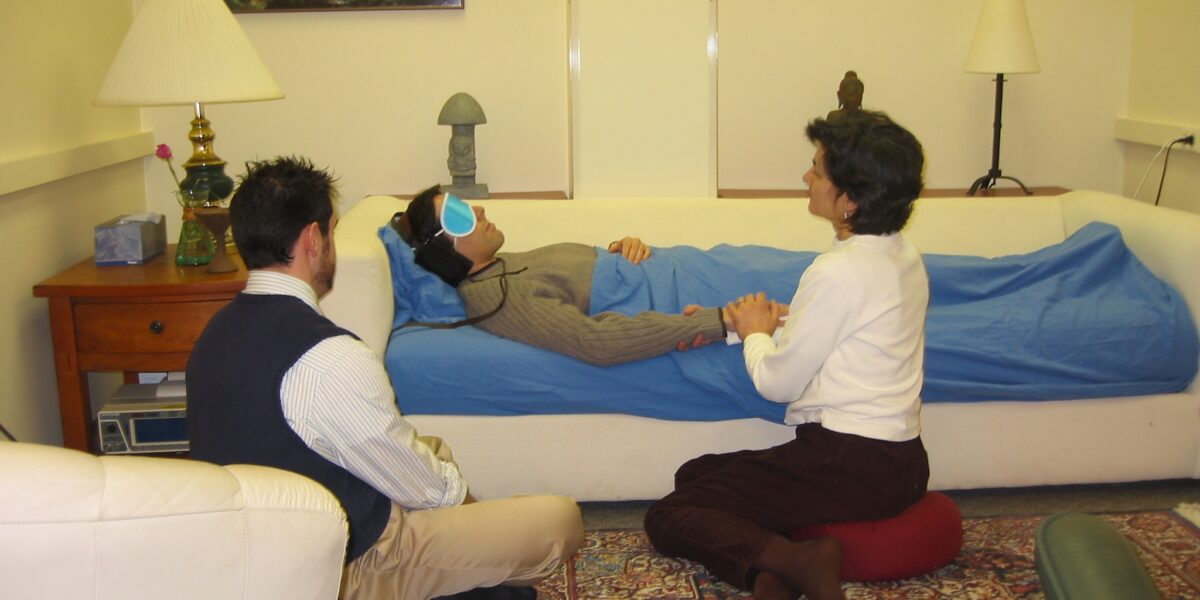
Certain measures of symptoms and psychometric data are utilised to build a framework to understand how these substances are affecting us, and the role of the clinician has been emphasised as an essential contributing factor to the positive outcomes of psychedelic-assisted psychotherapy. When LSD was first synthesised in the late 1930s, it was recommended as being a “psycholytic” where it could be utilised as a tool for psychotherapy, with the therapist and form of therapy remaining central to the practice, and the psychedelic providing some extra facilitation. The term ‘tool’ has continued to be used in a positive way, with the Western approach being almost entirely concerned with utilising psychedelics to primarily treat mental health problems from an individualistic point of view. This can be a positive thing for those who are grappling with the harsh realities of life but might lack the community or access to the natural world to allow for a greater, more interconnected sense of healing. 

We can’t control where we’ve been born and don’t always have the power to change our environment to be closer to community or nature, so the option to take a targeted approach and deal with specific conditions fits in practically with the way in which Western society is set up. Growing urbanisation has led to a decrease in direct experiences with the natural world, and this is representative of a general worldview in the West of humans being separate from the rest of nature. This might be why there is such a focus on the idea of treating specific conditions, rather than looking at things in a holistic way, or how our conditions relate to the natural world or communities around us. 

This approach has led to certain protocols being implemented, such as one for MDMA-assisted therapy to treat moderate to severe PTSD, or trials being conducted by Compass Pathways to develop a protocol to utilise synthetically produced psilocybin to treat depression. This ‘dialling in’ to the level of milligrams when it comes to dosing is providing an opportunity to really target things in a way that can be measured and repeated, and ultimately market treatments in a way that would be applicable to people who are not already initiated in the psychedelic space. Not all Western consumption of psychedelics is clinical (far from it, given the rich history and impact that psychedelics have had on our culture), but this provides some people with an opportunity to perhaps go down a path they might not have previously considered to deal with certain issues. Despite the attention on the self in the Western approach, there is still other stuff that comes in, whether we like it or not, and this might lead us towards attempting to integrate or combine indigenous approaches to understanding how we engage with psychedelics.


What are the Tensions?

I wonder if the indigenous approach to psychedelics is so appealing to the Western sentiment because it actually feels right? Have we over-intellectualised the experience and benefit of psychedelics within the Western approach because we’ve lost touch with a collective mentality, as well as being more cut off from nature compared to indigenous communities? Perhaps we’re still stuck in the idea of having control over nature and still feel the need to maintain the separation between the mental and physical, which might limit the potential for combining these two approaches.
It’s also impossible to escape the historical power imbalances and misrepresentation when we think about the idea of combining these two approaches. Many people look back to the discovery of LSD in the 1940s, or the emergence of psychedelic science in the 50s and 60s, along with the cultural figures at the time, to be representative of the whole psychedelic story. But this is only a snapshot of the recorded use of plant and fungi medicines throughout history, yet many individuals and institutions from this time still carry a lot of weight in the wider psychedelic story, all while the indigenous wisdom and expertise which contributed to this knowledge go mostly unnoticed.
There are issues of cultural appropriation, extraction and commercialisation of indigenous plants such as ayahuasca and peyote, exploitative spiritual tourism, unsustainable foraging, and the spread of misinformation that might dilute the cultural significance of these medicines. Despite good intentions from many people in the psychedelic space, we should think more about how to create bridges between these two approaches so we don’t risk just replicating extractive patterns.

Paths Towards Respectful Coexistence

There is, of course, a lot of hesitancy and criticism when it comes to the idea of integrating indigenous wisdom into Western approaches to psychedelics, but this has also come with movement in more of a positive and inclusive direction. Yuria Celidwen, a senior fellow at the Othering & Belonging Institute at the University of California, Berkeley, is one of these critics who is attempting to build bridges between these two approaches. She was born in Mexico into a Nahua and Maya family of healers who work with traditional plant medicine, and in 2023, she formed a group of indigenous researchers, human rights activists, and medicine practitioners to create guidelines for engaging with indigenous peoples when it comes to psychedelic research. 

We can shift our focus from critique to possibility, especially when there are organisations such as ICEERS whose goal is to “evolve society’s relationship with these medicines and traditional knowledge-holding communities, so that together we can create systemic change toward unified humanity and culture of Life”, which certainly feels like a solid basis for creating the possibility of a more aligned and positive experience when it comes to engaging with psychedelics on a global level. Roots to Thrive is another organisation that utilises the principles of psychedelic-assisted psychotherapy and evidence-based research while exploring the concepts of community, belonging, and interconnectedness. A whole-person approach to psychedelics is combined with indigenous wisdom, storytelling, and ceremonies to ensure cultural inclusivity is woven throughout the therapeutic experience. 

If we can establish ongoing relationships and dialogues, rather than just token gestures, we might be able to combine these two approaches. The dominance of the Western clinical narrative has created greater awareness surrounding the potential benefits of different plants and fungi, where useful wisdom has undoubtedly been spread across the globe to where it might be needed the most. However, this has come at the cost of creating unsustainable situations for communities and environments, and it might be that these two approaches can’t necessarily be combined in the way we think. 

Perhaps we can reframe the question of combining towards something more in line with the idea of walking beside each other. There aren’t going to be neat and simple solutions for attempting to combine indigenous and Western approaches to psychedelics, but maybe this is OK. Perhaps we don’t need to try and always fit everything into a neat box where we understand it all within certain parameters – this might be a symptom of the Western worldview that is always seeking to measure, define, and explain rather than exist in a more of an interrelational sense, where knowledge is being shared without it being extracted. We can honour the complexity of both systems and appreciate where there might be crossover and potential to learn from one another. 

The question of combining these two approaches spans both theoretical and ethical considerations, where there might be resistance from indigenous communities at having their wisdom integrated into Western approaches, and we might need to step away from the urge to try and synthesise everything into one cohesive system. We can utilise the power of psychedelics to understand the need for interconnectedness, without diminishing the importance of the different systems and how they can be applied.

A more important question might be how we can prevent this current wave of the psychedelic renaissance from becoming another chapter in a long story of extraction and power imbalances.

Oli Genn-Bash | Community Blogger at Chemical Collective | linktr.ee/oligennbash

Oli is one of our community bloggers here at Chemical Collective. If you’re interested in joining our blogging team and getting paid to write about subjects you’re passionate about, please reach out to Sam via email at samwoolfe@gmail.com

share your toughts

Join the Conversation.

1 Comment
Inline Feedbacks
View all comments
Michael
5 months ago

It’s such a complex and thorny issues, aren’t they all when you really start looking? A corridor of doors leading to another corridor of doors.

Your final question: “how can we prevent extraction” feels beyond me as an individual, and I can’t see joining a collective will shift the dial on the law, let alone the science or market forces.

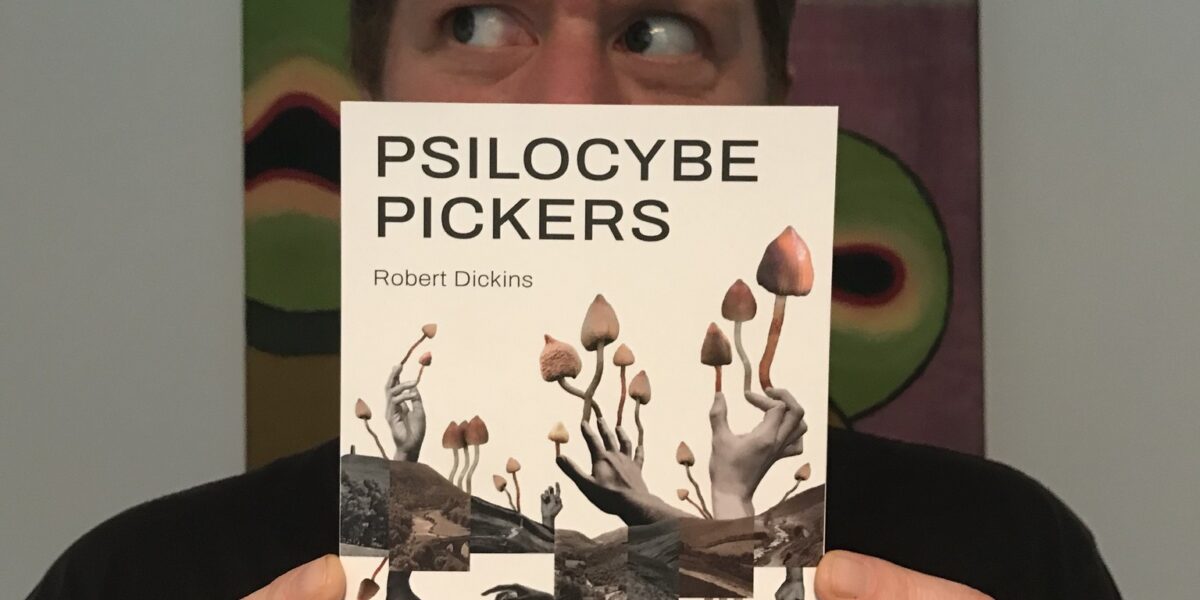
It feels like all I can do is forge my own path with what’s around me, what’s truly local. For me, that’s liberty caps in the Welsh valleys and there are hundred of thousands of people in this land who’ve use those particular little mushrooms for fun, recreation and perhaps healing and (hate this word) ‘wellness’. Maybe I just need to get out there? Into the valleys this autumn, meet the pickers and the seekers and see what they’re up to.

When I first arrived here I was in a second-hand electronics shop, looking at hifi stuff. I happened to have a mushroom print bag on my shoulders that I got from Medicine festival the previous year. Someone, a total stranger, just came up to me…

“Hey man, do you like mushrooms?”
“Sure…”
“Wait here…”

5 minutes later, after a trip to his house and back, I’ve got a bag full of dried Liberty Caps…

“There were SO many last season, had bin bags full of them, can’t give them away”

It was a lovely introduction to my new home in Wales.

The other thing that feels like ‘mine’ is LSD. It’s rooted in the West, the Western Scientific Tradition… perhaps I’m already off course, Albert Hoffman was EXTRACTING and MEDDLING, & SYNTHESISING, right? But… And… at least it is from ‘my culture’. Do I need to go to South America on a long pollution flight to go get some ‘authentic medicine’? It’s sad we’ve lost of indigenous ways… truly (Bloody Romans/Saxons/Normans/Victorians/Thatcherites!).

But… if I turn my head the right way… think animisthically and magically for a moment… I really like the idea that the force of the discovery of the atom bomb was balance by the opposing force of the discovery of the LSD molecule. I can totally take Albert, like Alex Grey does, as some angelic avatar bringing something magical and healing, out of conceptual space and into the world… and what an effect it had! It didn’t start with Wasson/Huxley/Hoffman, I understand the indigenous history, but… in a way… it really was the start of a new lineage, the Elders are not that old, some are still with us, I was listening to Stan Grof at a conference just last week…

I think that’s where I have to start, my land, my people, my culture… it may be a new kid on the block but… all traditions start somewhere… Santo Daime is, I think, well respected in the psychedelic world but… it’s pretty new as far as traditions go.

So… I find myself a white, cis male, middle class and rational Western trained, with a Buddhist and Western panpsychist idealist metaphysics trying to make sense of my world which is also very open to animistic and other ways of seeing. I’m postmodern (maybe meta modern), eclectic and, sadly, not connected to a long lineage of elders who know what they’re doing. But that lack can’t, it seems, be filled by importing that from others from far away lands, that don’ts seem right either.

So I’m here, with Hoffman’s magical medicine… working it out… and trying to learn from the highs and lows of the 50s and 60s… it’s a young lineage… but… who knows what it could look like in 3000 years?

Related articles

Our Products

Related Products

1V-LSD 150mcg Blotters
1V-LSD 150mcg Blotters From 22.00
(143)
1cP-LSD 100mcg Blotters
1cP-LSD 100mcg Blotters From 18.00
(137)
Tryptamine Mix and Match Pack (4 x 0.1g)
Tryptamine Mix and Match Pack (4 x 0.1g) 65.00
(1)
1V-LSD 10mcg Micro Pellets
1V-LSD 10mcg Micro Pellets From 15.00
(43)
2-FDCK HCL
2-FDCK HCL From 12.00
(82)
1V-LSD 225mcg Art Design Blotters
1V-LSD 225mcg Art Design Blotters From 35.00
(62)
1S-LSD 150mcg Blotters
1S-LSD 150mcg Blotters From 29.00
(16)
1cP-LSD 150mcg Art Design Blotters
1cP-LSD 150mcg Art Design Blotters From 25.00
(74)
1V-LSD 225mcg Pellets
1V-LSD 225mcg Pellets From 35.00
(26)
1D-LSD 225mcg Pellets (1T-LSD)

SALE! -15%

1D-LSD 225mcg Pellets (1T-LSD) From Original price was: €42.00.Current price is: €35.70.
(13)
1cP-LSD 10mcg Micro Pellets
1cP-LSD 10mcg Micro Pellets From 15.00
(23)
5-MeO-DMT Freebase
5-MeO-DMT Freebase From 23.95
(36)
O-PCE HCL
O-PCE HCL From 17.50
(25)
1cP-LSD 20mcg Micro Blotters
1cP-LSD 20mcg Micro Blotters From 18.00
(27)
4-HO-MET Fumarate
4-HO-MET Fumarate From 19.50
(26)
rewards-icon
popup-logo

Reward program

popup-close
  • Earn
  • Affiliates